Greenpoint still hums with the kind of patient craft that went nearly extinct everywhere else. Tucked between the contemporary coffee bars and new-construction apartment towers, a handful of analog audio shops persist—some for fifty years, others newer but no less serious. By late May 2026, the neighborhood's vintage radio and analog equipment specialists have become pilgrimage sites for the audiophile willing to travel beyond Manhattan's predictable circuit. These aren't showrooms. They're workshops, listening rooms, and repositories of institutional memory about how things used to sound, and—if you're lucky—still can.
The repair bench legacy
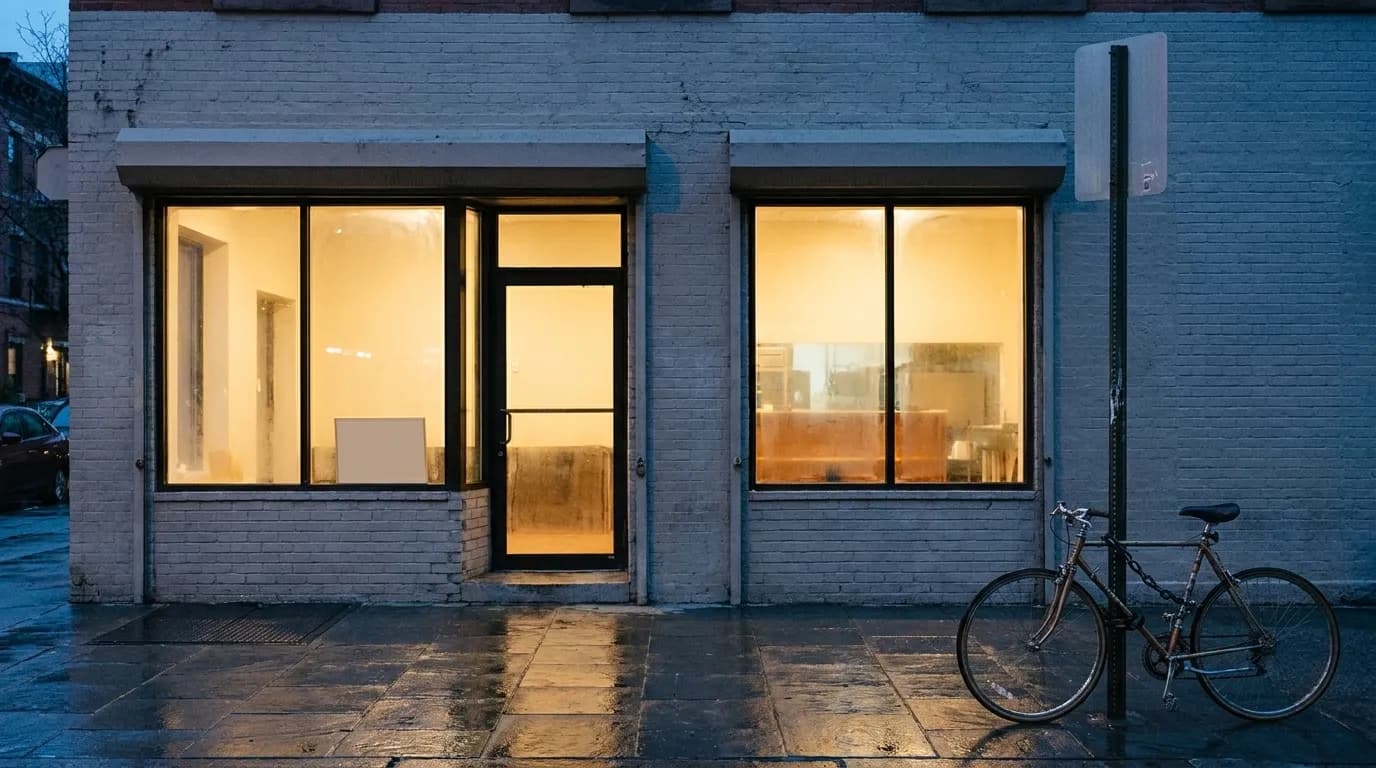
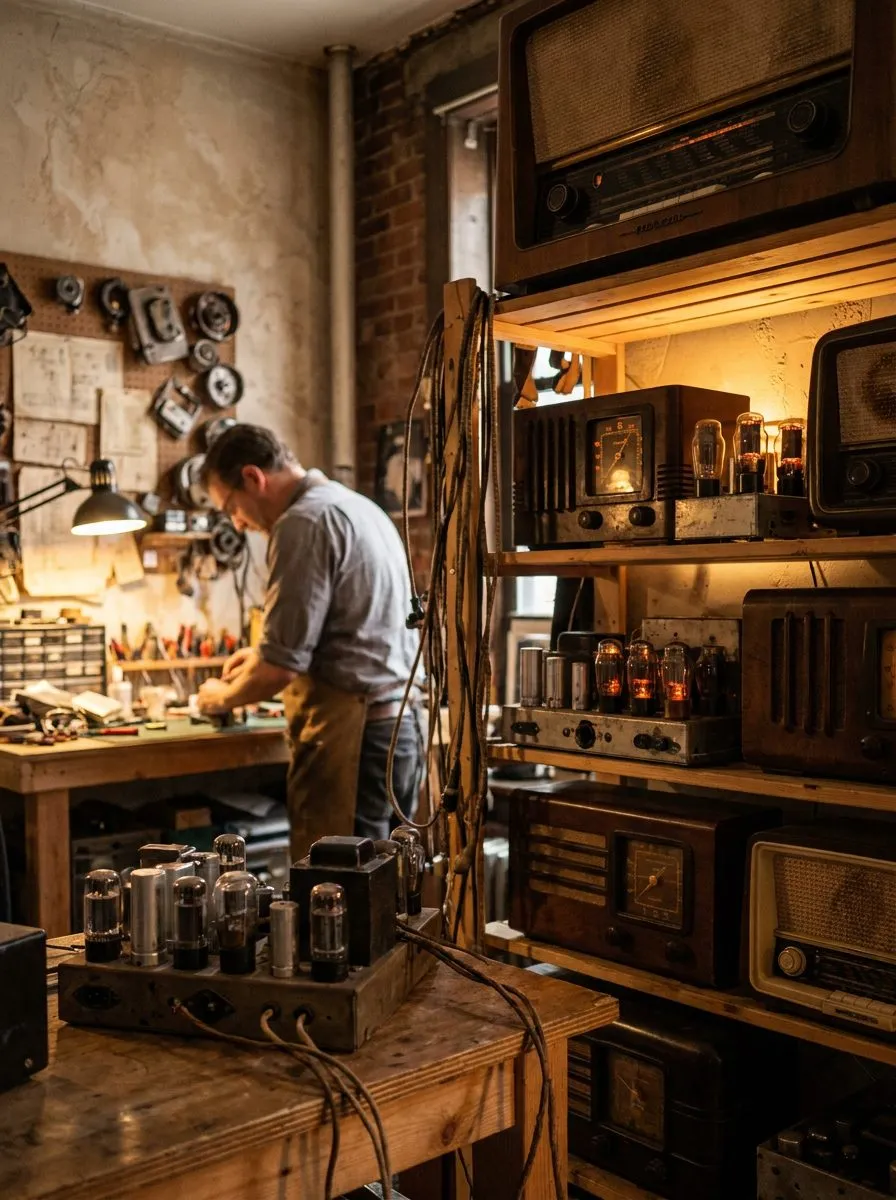
The oldest radio repair operations in Greenpoint occupy storefronts that predate the neighborhood's transformation. Walk past plate glass clouded with decades of street dust, peer through, and you'll see benches cluttered with chassis, transformers, and the glow of soldering irons. These are not restoration boutiques. The work here is functional: bringing a 1940s Philco back to life, replacing capacitors in a Zenith console, aligning dials that haven't turned smoothly since the Carter administration.
The technicians—often second-generation, occasionally third—work without appointment systems or updated websites. You bring your radio in, they quote you a timeline measured in weeks, and when you return the thing actually works. The smell is always the same: heated solder, old wood veneer, and the faint metallic tang of electron tubes warming up. In late May the front doors prop open, and the sound of AM talk radio drifts onto the sidewalk, proof of concept.
Tube amplifiers and the patient customer
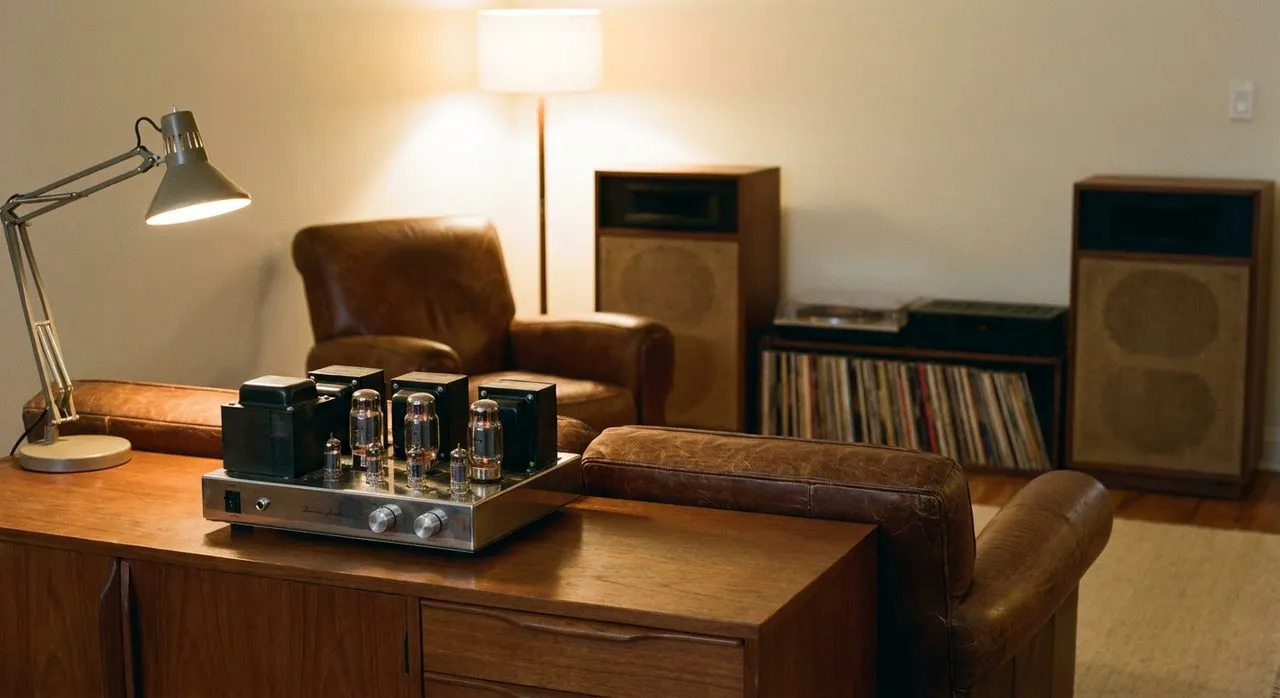
A different category of shop caters to the customer who already knows what a 300B triode is and why it matters. These are the specialists in tube amplification—selling, restoring, and occasionally building from scratch the kind of gear that commands four-figure price tags and requires an understanding of impedance matching. The inventory runs to McIntosh, Marantz, and lesser-known marques that flourished briefly in the 1960s and now command collector premiums.
The better operations maintain listening stations: a corner setup with carefully matched speakers, a turntable, and an amplifier you're welcome to audition if you're serious. Serious means you've done your homework. The proprietors are generous with their knowledge but allergic to tire-kickers. They'll spend an hour explaining why a particular transformer matters, but only if you're genuinely in the market. By late May, with the loading-dock doors open to Franklin Street, the sound of a well-recorded jazz quartet can stop foot traffic cold.
The parts archive
One Greenpoint operation functions less as a retail shop and more as a parts library. Rows of labeled drawers hold capacitors, resistors, output transformers, and vacuum tubes sorted by specification. This is where the neighborhood's repair techs come when they need an original component or a suitable replacement for something that hasn't been manufactured since 1972. It's also where the serious DIY builder sources a project.
The atmosphere is more hardware store than boutique. Fluorescent lighting, concrete floors, a cash-only counter staffed by someone who can tell you the voltage tolerance of any component in stock without looking it up. If you're attempting your first tube amp build, this is not the place to ask basic questions. But if you know exactly what you need and why, you'll leave with it in a small cardboard box, fairly priced, no ceremony.
The open listening room
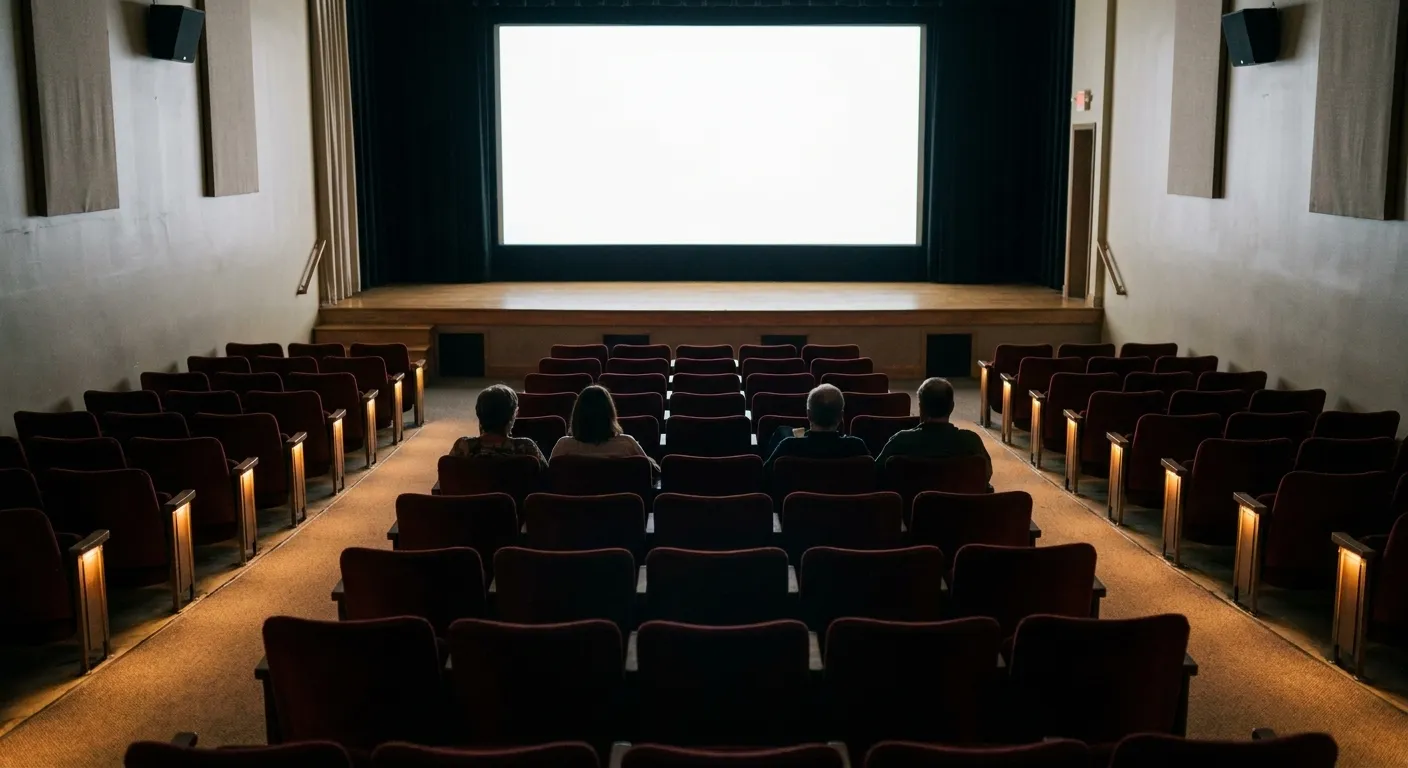
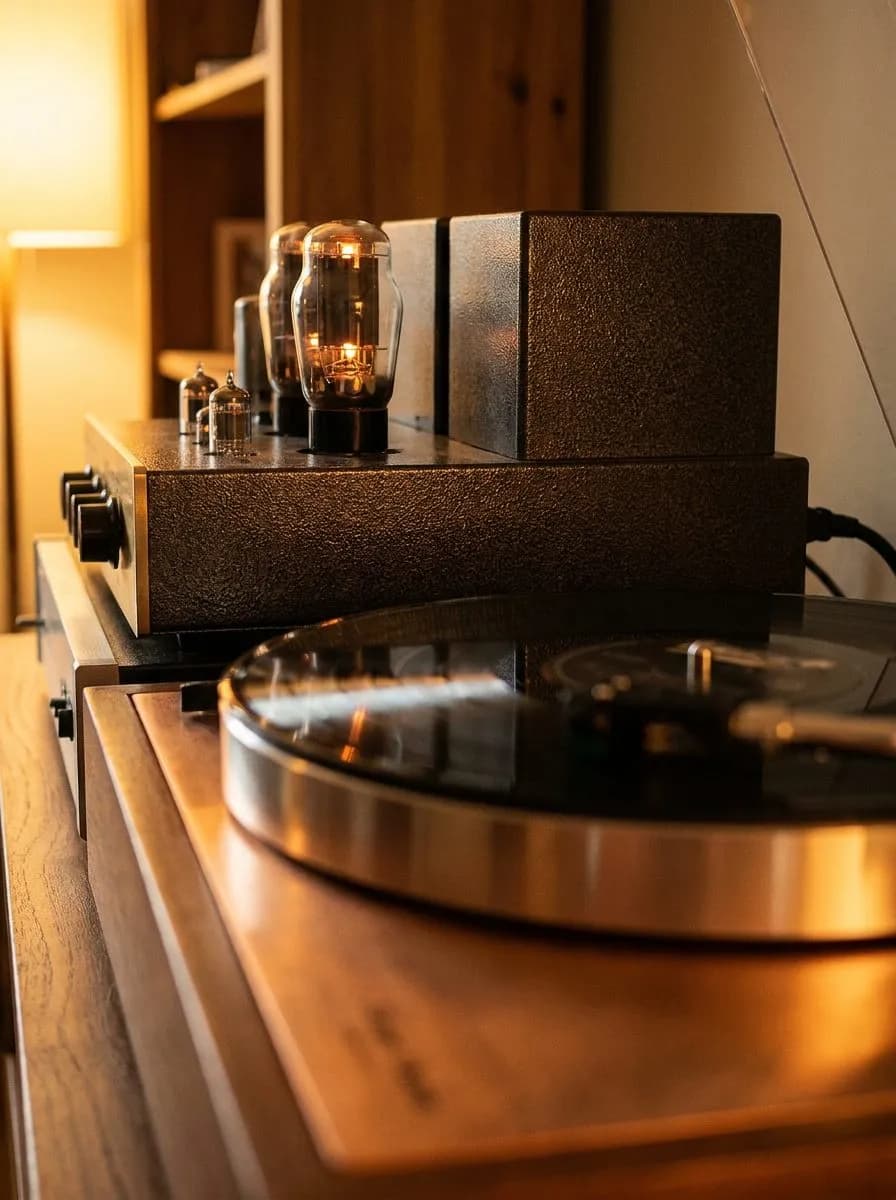
The surprise in Greenpoint's analog ecosystem is a listening room that may host occasional public events. Not a store, not a repair shop—just a space organized around the act of listening to vinyl records through carefully chosen equipment. A rotation of volunteers curates the sessions: modal jazz one week, German kosmische the next, Nigerian highlife after that. You show up, you sit, you listen. The format is almost devotional.
The room itself is modest. Diffusers on the walls, a pair of vintage Klipsch speakers, seating for maybe fifteen people. Late-May light filters through south-facing windows in the late afternoon, casting long shadows across the wooden floor. No phones, no conversation during the music, just the pop and hiss of the needle finding the groove and then the sound—warm, dimensional, present in a way that streaming will never approximate. Afterward, people talk quietly about what they heard or slip out into the evening without a word.
The Greenpoint audio walk
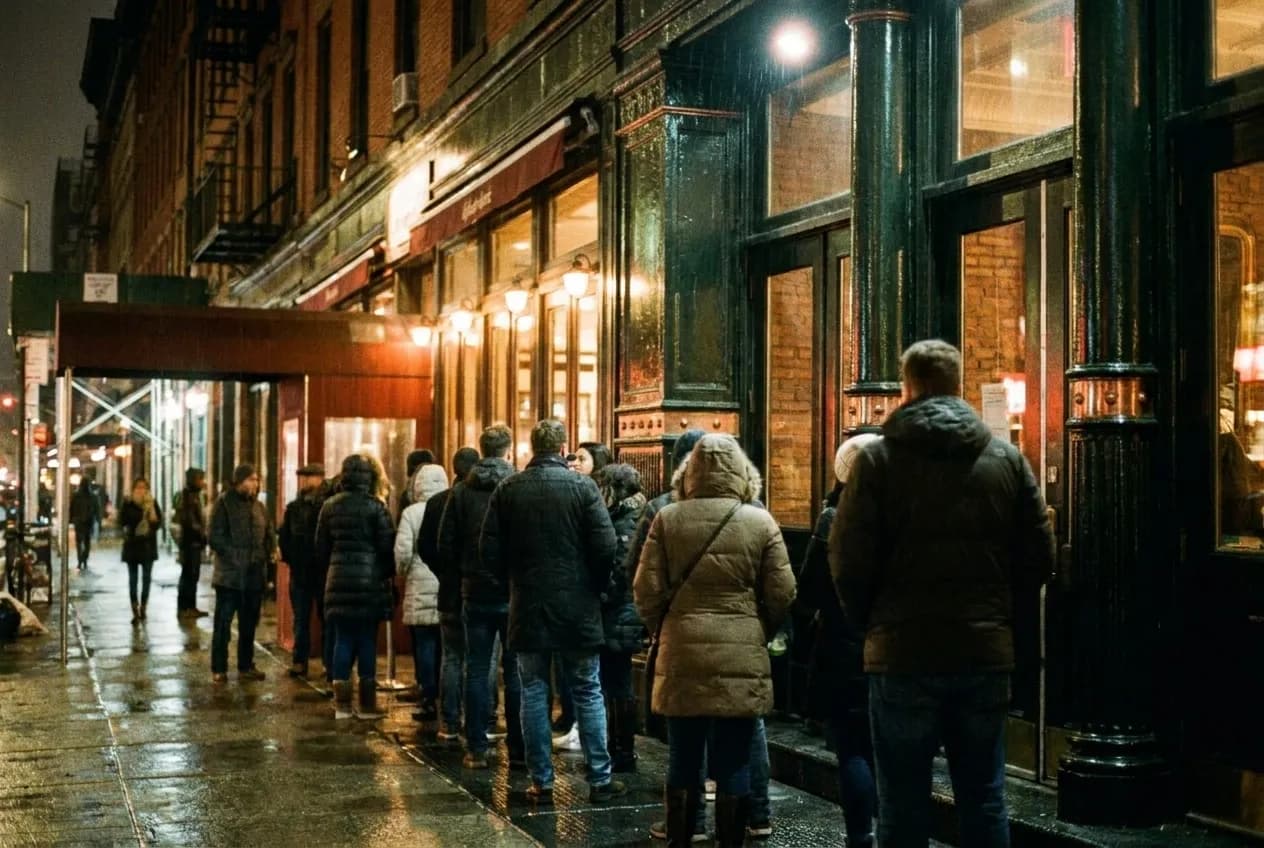
Because these operations cluster within a half-mile radius, a deliberate Saturday route is feasible. Start at the northern edge near McGolrick Park and work your way south toward the waterfront, stopping at each shop that's open. The rhythm is slow. You can't rush a conversation about the merits of a particular rectifier tube, and you shouldn't try. The neighborhood itself rewards the pace: brick rowhouses, light industrial conversions, the occasional excellent Polish bakery if you need a break.
By mid-afternoon you'll have handled equipment you didn't know still existed, heard a turntable setup that costs as much as a used car, and probably been gently corrected on some point of audio theology you thought you understood. That's the value. Greenpoint's analog scene doesn't care about nostalgia. It cares about sound—how it's made, how it's preserved, and whether you're listening closely enough to hear the difference.
Practical notes
Several vintage audio shops are located in Greenpoint, including areas near Franklin Street and Manhattan Avenue. The G train can get you close to Greenpoint destinations, depending on your starting point; street parking is possible on weekends but tight. Operating hours skew toward weekend afternoons; many repair benches work weekdays by appointment only. Verify hours directly before making the trip. The listening room typically opens Saturday and Sunday afternoons; check locally for the current schedule. Most shops are ground-level storefronts with step access. Bring cash for smaller purchases; card acceptance varies. If you're hauling a console radio for repair, a hand truck helps. Late May weather makes the walk between stops pleasant—bring water and plan for a half-day minimum if you're serious about the route.
Tags: #GreenpointNYC #VintageAudio #AnalogSound #TubeAmps #VinylCulture #RadioRepair #AudiophileLife #BrooklynFinds #TheOddEdit #GreenpointGuide #VintageElectronics #NYCAudio #ListeningRoom #SpringInBrooklyn #NeighborhoodGuide
Sources consulted: Greenpoint, Brooklyn · Analog Audio · Time Out New York Shopping · NY Times New York Region · NYC.gov
All trademarks are the property of their respective owners.