The piano bar is not dead in Greenwich Village. It's just older, scrappier, and pickier about which nights it bothers to open. By late May 2026, a handful of rooms still keep a bench warm, a lid propped, and a second verse ready for anyone willing to lean in and harmonize. These are not the yacht-rock singalongs of midtown tourist traps. They're smaller, stranger, and stubbornly resistant to reinvention—velvet banquettes that have seen four decades of encores, pianists who remember when Sondheim was still workshopping around the corner, and bartenders who know your second drink before you do.
The Sondheim nights that still pack the room
Sondheim sing-alongs have become the secret handshake of the piano-bar faithful. Tuesday and Wednesday evenings in late spring pull the most devoted crowds—theater people on their dark nights, retirees who saw the original productions, and a younger cohort fluent in every lyric of Company and Follies. The pianist calls the tune; someone in the back always knows the bridge to "The Ladies Who Lunch." The air gets warmer as voices layer, and by the second hour, the velvet absorbs just enough sound to keep it intimate.
These nights aren't advertised much beyond word-of-mouth and a chalkboard by the door. You show up, you pay a modest cover, you sing or you listen. No one minds either way. The ritual matters more than the performance.
The survivor rooms: what's still open
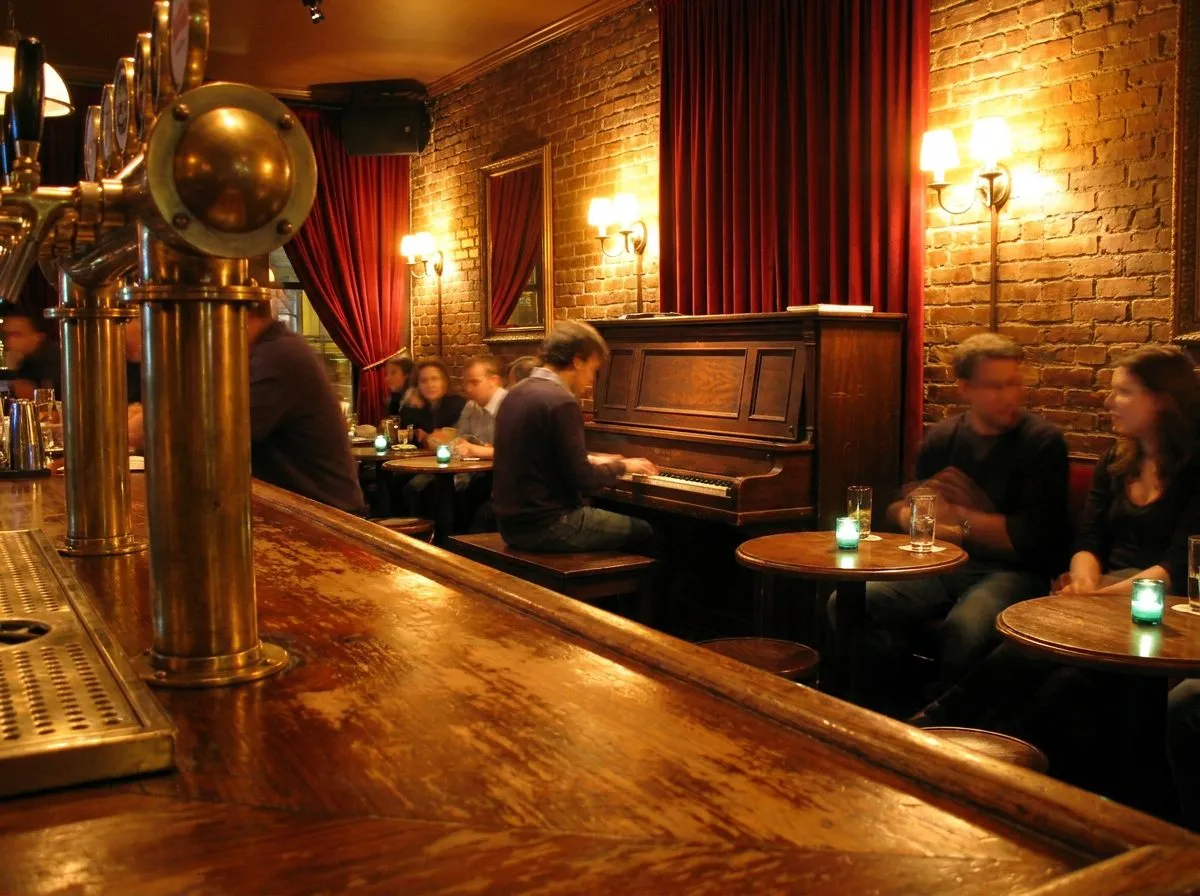
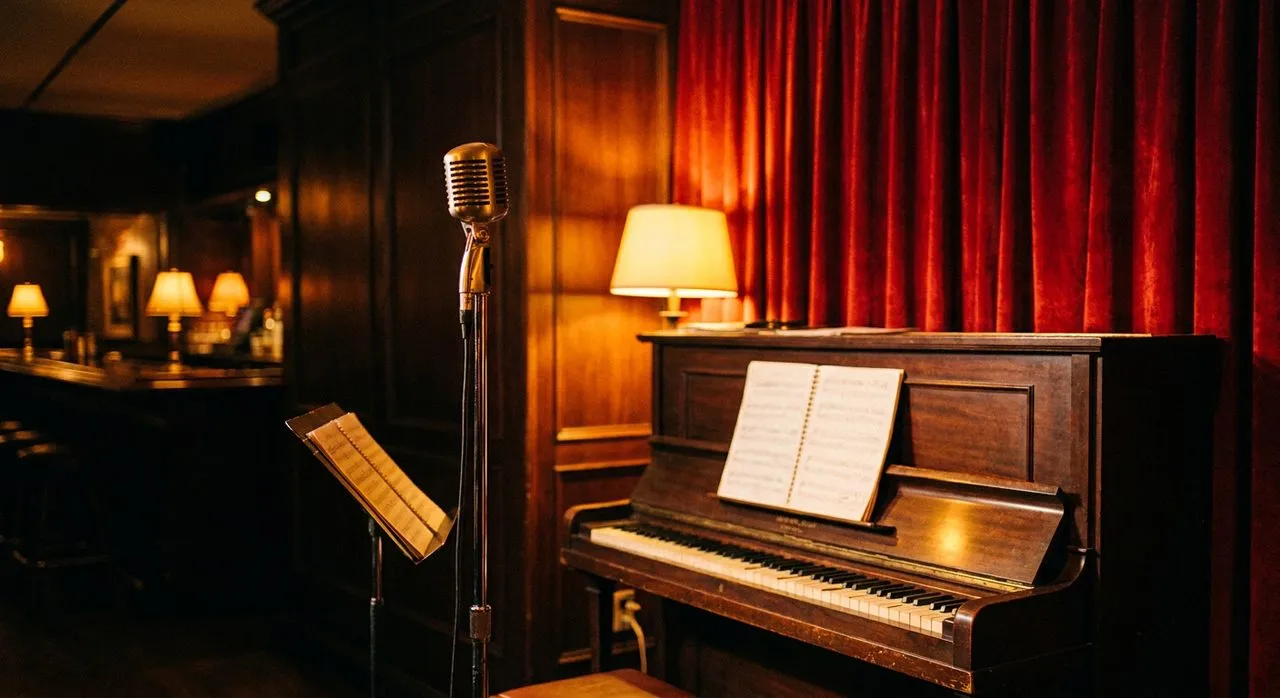
Greenwich Village retains a half-dozen piano bars that have been in business since the late Seventies or early Eighties. Most occupy below-grade spaces—narrow staircases, low ceilings, brick painted over so many times it's gone soft at the edges. The lighting is amber or red, never overhead. Candles sit in hurricane glass. The pianos themselves are uprights, not grands, tuned often enough to stay honest but bearing the scars of ten thousand vodka tonics set on the lid.
These rooms share a common DNA: small stages or no stage at all, bartenders who double as bouncers when necessary, and a tacit understanding that requests are welcome but not guaranteed. Friday and Saturday nights draw the bridge-and-tunnel crowd; locals know to come Sundays or Mondays, when the pianist stretches out and the repertoire skews deeper. Late May weather coaxes open the street-level doors, and cigarette smoke drifts in from the sidewalk between sets.
One room near Bleecker still serves only wine and beer, no cocktails, because the owner refuses to apply for the liquor license upgrade. Another, tucked off a courtyard near Washington Square, hosts an open-mic format the first Thursday of every month—bring your own sheet music, and if the pianist can sight-read it, you're on.
The new opener that feels like it's been here forever
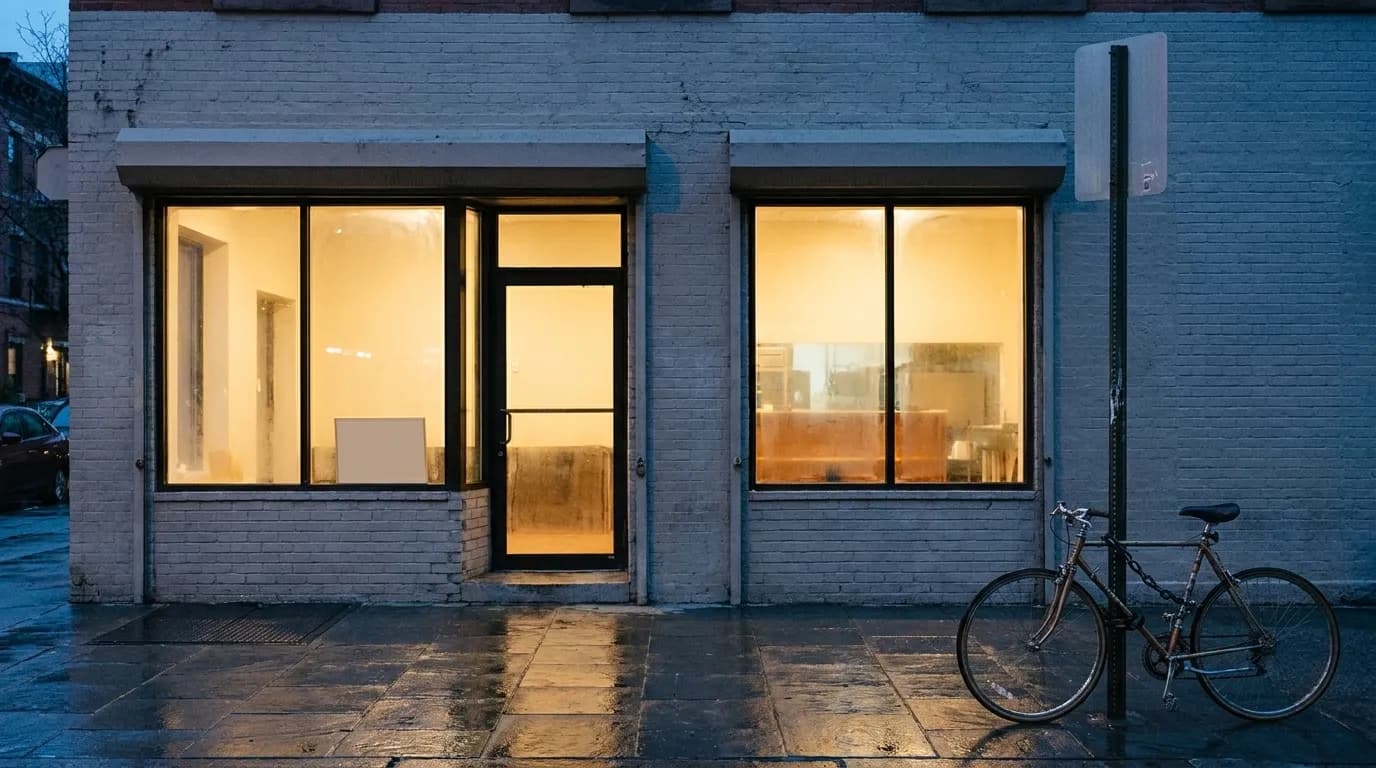
A piano bar reportedly opened in the area in recent years. It arrived without fanfare—no PR blast, no influencer night, just a hand-lettered sign and a Craigslist ad seeking a house pianist. The owner is a former Broadway music director who spent fifteen years on the road and wanted a place to sit still. The room is small, thirty seats, and the piano is a reconditioned Yamaha that spent its first life in a church basement upstate.
What's remarkable is how un-new it feels. The bar cart is vintage brass. The wallpaper is flocked. The mirrors are beveled and slightly tarnished. Within six months, regulars were calling it by a shorthand nickname and claiming their usual corner. Thursday nights lean toward jazz standards; Saturdays skew toward show tunes. The bartender makes a perfect Manhattan and never asks if you want it sweet or dry—she already knows.
Which nights pull a real crowd
Timing matters. Weekends are crowded but transactional—bachelorette parties, first dates orchestrated around novelty. The real crowds, the ones who know the words and the pianist's name, come midweek. Tuesday Sondheim nights are sacred. Wednesday often features a rotation of guest pianists, each with a cult following. Sunday evenings, post-theater, draw the industry crowd—performers still in stage makeup, directors nursing bourbon, playwrights scribbling on napkins.
Late May is a sweet spot. The semester has ended, so the NYU crush eases. Summer tourists haven't yet arrived in force. Windows stay open. The sound spills onto the street, and passersby slow down, wondering if they should step inside. Some do. Most keep walking. The ones who stay tend to come back.
The material culture of the piano bar
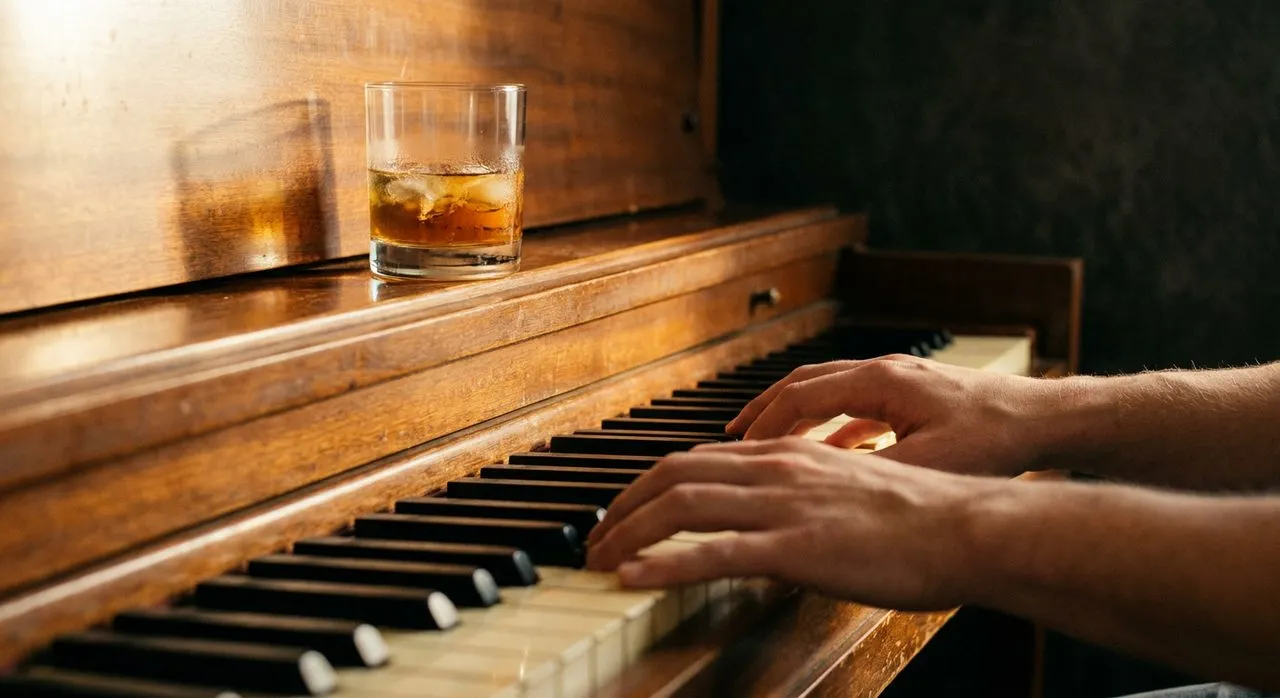
Walk into any of these rooms and you'll notice the same objects: tip jars stuffed with singles and fives, laminated songbooks with pages missing, framed Playbills from productions that closed before the internet. The pianos wear rings from decades of drinks. The wood is nicked and softened. The pedals are brass worn down to a dull sheen. Someone always has a Sharpie for signing the wall or the bathroom mirror, a tradition no owner has managed to stop.
The smell is part of the experience—old wood, spilled beer, candle wax, and something faintly floral from whatever air freshener lives under the bar. The floors are uneven. The chairs don't match. The whole enterprise feels one rent hike away from oblivion, and yet here it is, still singing, still tuning, still keeping the bench warm for whoever wants to sit down and play.
Practical notes
Most of these piano bars cluster in the western and southern stretches of Greenwich Village, roughly between West Fourth Street and Houston, west of Sixth Avenue. The 1 train to Christopher Street–Sheridan Square or the B/D/F/M to West Fourth Street will land you close. Street parking is scarce; if you're driving, budget time to circle or plan for a garage on Sixth Avenue. Many rooms open in the evening, but hours vary by venue and night; call ahead or check their social feeds. Covers range from zero to twenty dollars depending on the night and the performer. Many rooms are accessed via stairs with no elevator; accessibility varies, so phone ahead if mobility is a concern. Bring cash for tips—these pianists rely on it—and an open mind. Verify hours directly before you go.
Tags: #GreenwichVillage #PianoBarsNYC #NYCNightlife #LiveMusicNYC #CabaretNYC #VintageNYC #TheOddEdit #VillageNights #SondheimSingalong #NYCBars #DowntownNYC #May2026 #NYCMusic #HiddenNYC #NYCCulture
Please drink responsibly. Must be of legal drinking age.
Sources consulted: Greenwich Village · Piano bar · NYC Official Guide: Greenwich Village · Time Out New York: Bars · Stephen Sondheim
All trademarks are the property of their respective owners.