Walk west from Sixth Avenue and the light changes. The grid loosens, streets tilt at odd angles, and storefronts shrink to human scale. Among the brownstones and corner bistros, a handful of shops still deal in the mechanical cameras that filled darkrooms before pixels existed. These aren't museum pieces gathering dust. Film photography has crept back into the city's creative vocabulary, and the West Village—never one to follow trend cycles obediently—keeps a quiet inventory of Leicas, Hasselblads, and battered Nikons that still advance frames with satisfying clicks.
The Endurance of Analog
Film's resurgence isn't nostalgia, at least not entirely. It's a tactile rebellion against the infinite scroll, the disposable shot, the tyranny of immediacy. You load a roll of thirty-six exposures and suddenly each frame costs something. There's no preview screen, no delete button, no algorithmic filter applied in real time. What you see through the viewfinder is a contract with chemistry and patience.
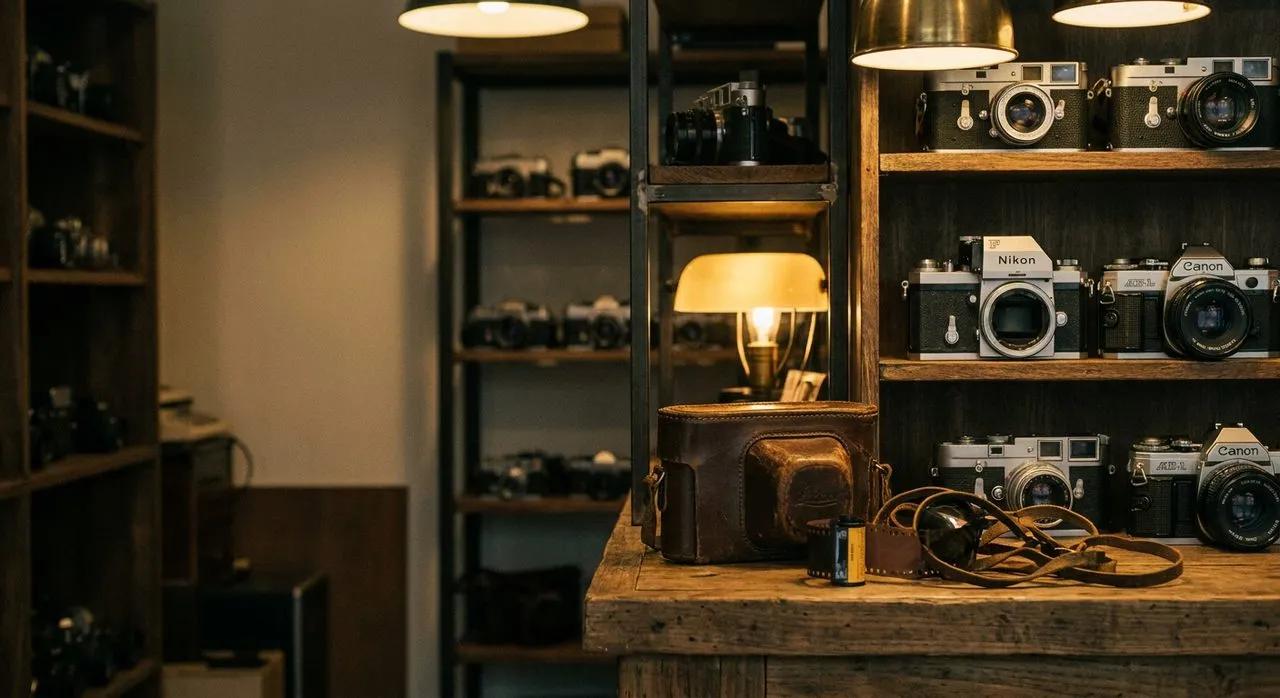
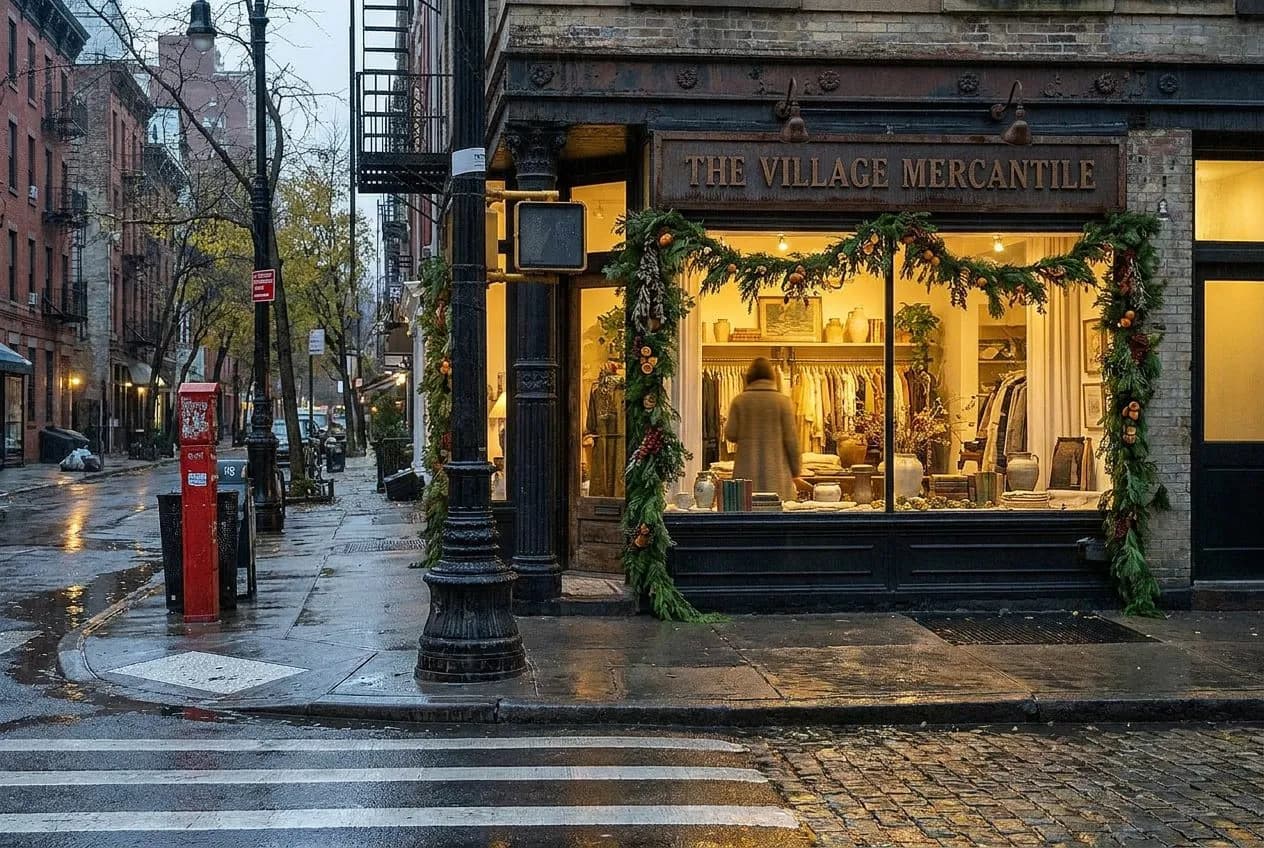
The West Village dealers understand this. Their shops smell faintly of machine oil and old leather, dust motes turning in the afternoon sun that slants through unwashed windows. Cameras rest in glass cases or wooden shelves, lenses arranged by focal length like library volumes. The proprietors—often photographers themselves—can tell you which Soviet rangefinder punches above its weight and which Japanese SLR from 1978 will outlast your grandchildren.
What You'll Find on the Shelves
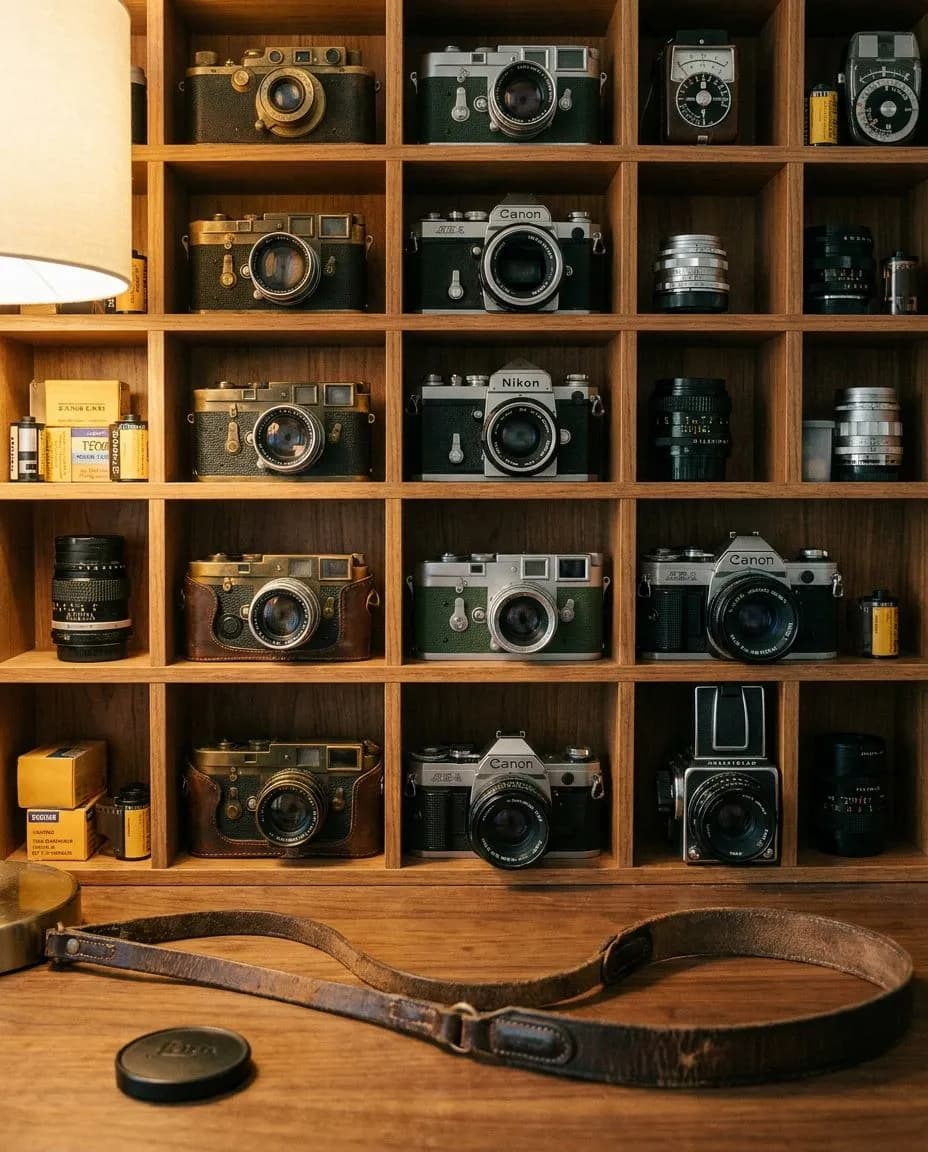
The inventory skews toward mid-century Japanese precision: Canon AE-1s with their enthusiastic meters, Nikon FMs built like tank hatches, Pentax K1000s that taught a generation of journalism students to think in apertures. German rangefinders occupy the upper shelves—Leica M-series bodies with price tags that make casual browsers wince. Medium-format cameras hulk in corners: Hasselblad 500 C/Ms, Mamiya RB67s, the occasional Rolleiflex twin-lens reflex that looks like it fell through a wormhole from 1955.
Condition varies wildly. Some bodies gleam like new, seals replaced, meters calibrated, the previous owner's devotion evident in every screw. Others wear their miles openly: brassed corners, dings on the pentaprism, light seals crumbling to black foam confetti. Both categories have their adherents. A pristine camera is a joy; a working relic carries history in its scuffs.
The Expertise Behind the Counter
This is where neighborhood shops justify their survival against online auction sites. The people running these operations aren't retail clerks; they're technicians, archivists, enablers of a particular creative affliction. They'll test your camera's shutter speeds with tuning-fork precision, explain why the meter reads a stop under in bright snow, recommend a repair shop in Midtown if the advance lever has gone mushy.
In late May, as the city shakes off its spring chill and tourists multiply in Washington Square Park, the shops see a mix of regulars and wanderers. A photography student hunting an affordable manual-focus body for a summer course. A television cinematographer buying a Contax T2 for family snapshots, drawn to its cult-favorite lens. A retired architect who shot film in the 1980s and wants to feel that mechanical certainty again. The dealers toggle between educator and curator, matching machine to human with an intuition shaped by decades of watching people light up when they find the right fit.
Film Stock and the Ecosystem
A vintage film camera in NYC is only as useful as the supply chain behind it. The West Village's analog vendors often stock film alongside bodies and lenses—Kodak Portra and Tri-X, Ilford HP5, the occasional roll of discontinued Fuji emulsion sold at collectible prices. Nearby labs still process C-41 color and push black-and-white to grainy extremes, keeping the full cycle intact from shutter release to wet print.
This ecosystem is fragile but persistent. Film manufacturing has contracted to a handful of global producers, prices have climbed, and every camera requires periodic maintenance that younger repair techs are only beginning to learn. Yet the community endures, bound by online forums and weekend photo walks, by the shared understanding that delayed gratification has its own rewards.
Why the West Village
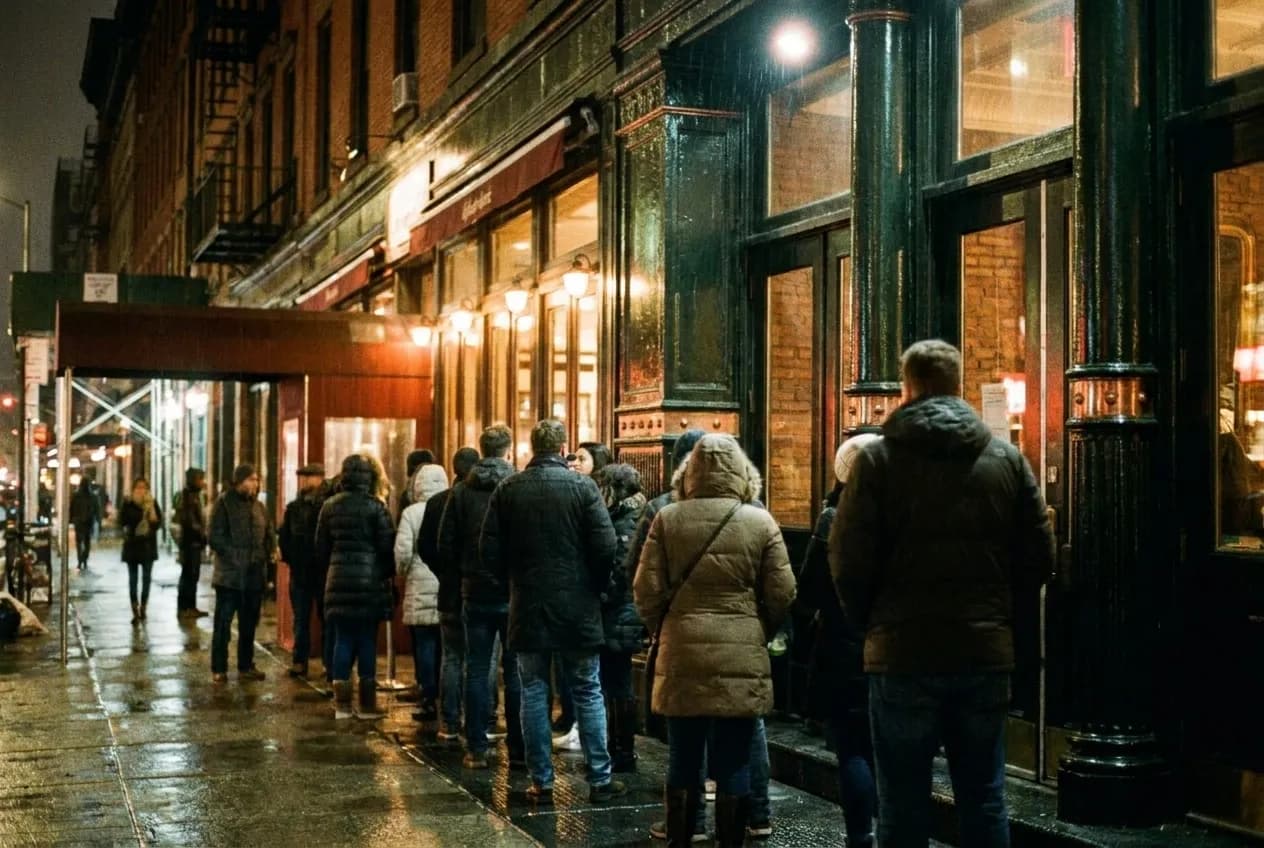
The neighborhood's relationship with photography runs deep. Diane Arbus walked these streets. Berenice Abbott documented the tenements before they became multimillion-dollar co-ops. The narrow sidewalks and cast-iron fire escapes still offer the kinds of frames that digital shooters scroll past—geometry and shadow, faces in doorways, light pooling on cobblestones after rain.
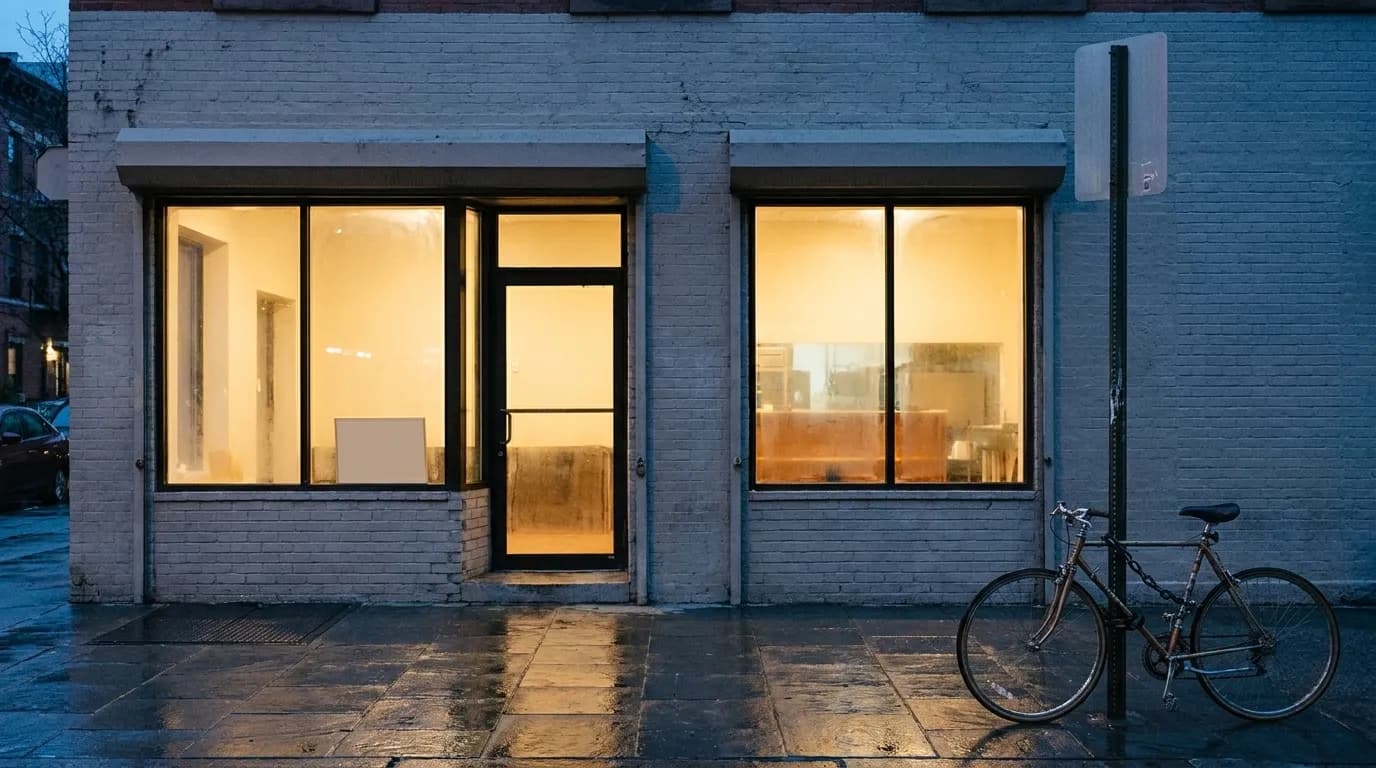
The camera shops here aren't accidents of real estate; they're continuations of that lineage. They occupy ground-floor storefronts that would otherwise house another handbag boutique or juice concept, holding space for a slower, more deliberate way of seeing. In a city that measures everything in speed and scale, these cramped, cluttered sanctuaries insist that a machine from 1972 still has something to teach us about attention.
Practical Notes
The West Village's vintage photography dealers cluster in and around the neighborhood, south of 14th Street and west of Sixth Avenue. The 1 train to Christopher Street–Sheridan Square places you in the heart of the district; the A/C/E to West 4th Street is less direct, while the A/C/E, B/D/F/M at West 4th Street–Washington Square and the PATH at Christopher Street are also nearby. Street parking is predictably dire; garage rates vary widely and can be expensive, which makes the subway the wiser choice. Shop hours tend toward abbreviated weekday schedules and fuller Saturday availability; verify hours directly before making a special trip. Most storefronts involve a step or two up from sidewalk level, complicating wheelchair access—call ahead if mobility is a concern. Bring patience, a rough budget, and an open mind. If you're buying your first film body, expect to spend twenty minutes learning how to load it properly. The education is part of the purchase.
Tags: #VintageCamera #WestVillage #FilmPhotography #AnalogCamera #NYC #TheOddEdit #VintagePhotography #ManhattanShopping #FilmIsNotDead #PhotographyGear #GreenwichVillage #CameraCollector #LeicaLover #Spring2026 #RetroTech
Sources consulted: Film Photography · West Village · Official NYC West Village Guide · Time Out Camera Stores NYC · MTA Transit Info
All trademarks are the property of their respective owners.