 Chelsea Consignment Shop Crawl Planner for Your First Studio
Hidden Gems & Odd Finds
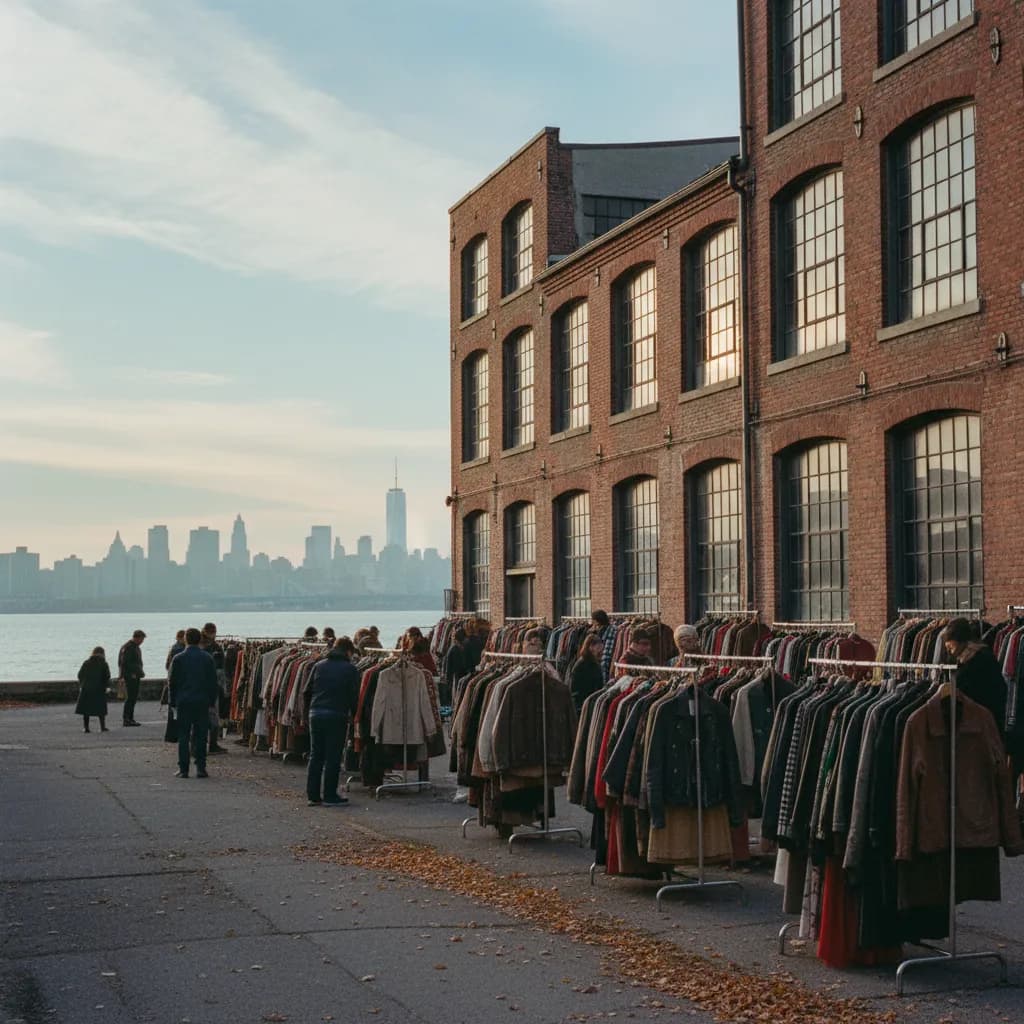
Williamsburg Vintage Clothing Market: Waterfront Loop Guide
Navigate vintage clothing market routes along the Williamsburg waterfront, finding retro denim racks, breezy public parks, and relaxed neighborhood sidewalks.
Williamsburg, Brooklyn, stands as a vibrant tableau of sartorial history, offering a singular urban trekking experience for the discerning vintage enthusiast. This guide meticulously charts a course through its storied streets, where repurposed industrial architecture now houses an eclectic array of curated textile treasures. From the moment one disembarks from the L or G train, the air hums with the promise of discovery, inviting a deep dive into decades of fashion. We delve into the tactile pleasure of garment inspection, the strategic breaks for reflection, and the practicalities of navigating this dynamic marketplace, ensuring a rewarding quest for authentic style.
Morning Stroll: Bedford, Grand, and Wythe Avenues
Commencing your Williamsburg vintage odyssey begins with strategic disembarkation at either the Bedford Avenue L Line station or the Lorimer Street G Line station, both serving as excellent entry points into the neighborhood's bustling core. A brisk morning walk along Bedford Avenue reveals its transformation from a gritty industrial artery to a pedestrian-friendly boulevard lined with converted factory lofts, their brick facades speaking volumes of a bygone era. Grand Avenue intersects this path, leading towards the East River waterfront esplanades, where the architectural grandeur of renovated warehouses frames breathtaking views of the Manhattan skyline, setting a picturesque stage for the day's explorations.
The early morning hours witness a steady, purposeful stream of pedestrian market foot traffic, characterized by both seasoned collectors and casual browsers, each drawn by the allure of unique finds. As you pivot towards Wythe Avenue, the urban landscape shifts slightly, offering glimpses of smaller, independent market setups interspersed with art studios and cafes. This initial corridor exploration provides an essential rhythm for the day, allowing for an unhurried appreciation of the neighborhood's character before the main thrust of textile inspection begins. Observing the ebb and flow of early patrons also offers subtle insights into market activity and potential areas of high interest.
Unearthing History: Denim and Workwear Archetypes
Physical garment inspection forms the bedrock of authentic vintage acquisition, particularly when examining denim, a textile deeply embedded in American workwear history. Focus intensely on the weave; true vintage denim often exhibits a distinct selvedge edge, noticeable as a clean, finished seam, usually red or white, indicating production on shuttle looms rather than modern projectile looms. Inspect the copper rivets closely, noting their placement and any embossed branding, which can often date a garment to a specific manufacturing period. Union tags, if present, are invaluable markers, providing insight into labor practices and production origins, especially on pre-1970s pieces.
Beyond denim, the robust world of vintage workwear canvas demands thorough tactile evaluation. Feel for the inherent durability and weight of the fabric, which distinguishes authentic pieces from later imitations. Examine the stitching for signs of historic chainstitching, a technique prevalent on early denim and workwear, identifiable by its distinct, often slightly raised, interconnected loops on the reverse side. Scrutinize pockets and stress points for evidence of reinforced construction, a hallmark of garments designed for utility and longevity. These details collectively narrate the garment's journey and validate its historical authenticity, distinguishing a true relic from a mere reproduction.
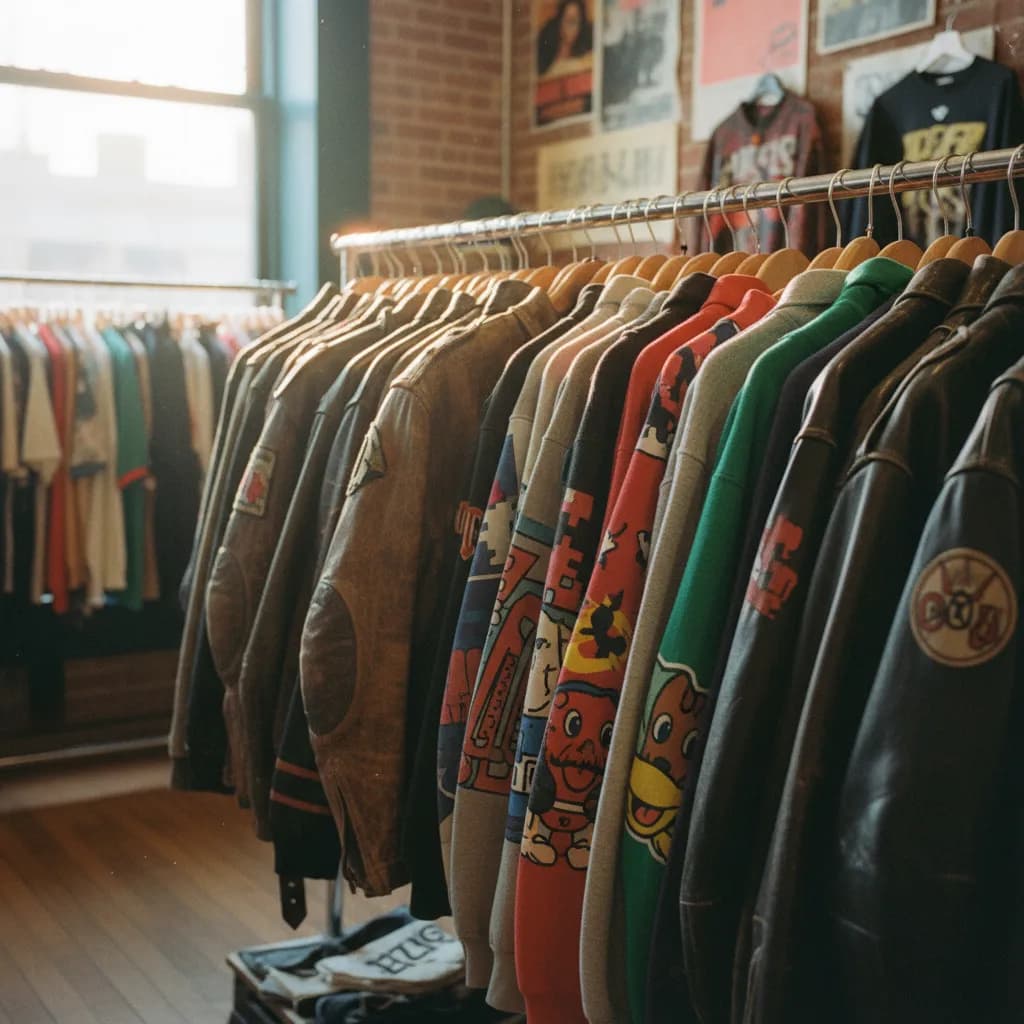
Tactile Treasures: Knits, Silks, and Leathers
Moving beyond the rugged charm of workwear, the vintage market offers an exquisite array of knitwear, silk scarves, and leather pieces that demand a different kind of tactile evaluation. For knitwear, assess the fiber content by hand; genuine wools, cashmeres, and angoras possess a unique warmth and drape that synthetics cannot replicate. Examine the tension of the knit and the integrity of the seams, looking for signs of careful hand-finishing or specific machine techniques indicative of quality craftsmanship from earlier eras. Retro cardigans, in particular, often feature distinctive patterns and cuts that speak to specific decades, their appeal lying in their inherent stylistic narrative.
Silk scarves warrant careful inspection for their intricate prints, vibrant dye work, and the characteristic smooth, cool hand-feel of natural silk. Hold them up to the light to observe the weave and check for any pulls or thinning. When evaluating leather jackets, the patina is key; a supple, worn-in texture with subtle variations in color suggests genuine age and careful wear, offering a depth that newly manufactured items lack. Observe the hardware – zippers, buckles, and especially horn buttons on outerwear – for their material, design, and condition, as these small details often provide crucial clues to a garment's age and original quality. The weight and drape of a leather jacket also contribute significantly to its vintage authenticity and character.
Reflective Pause: Domino Park & Grand Ferry Park
After the stimulating rush of textile discovery, a purposeful step away to the tranquil environs of Domino Park offers a necessary acoustic respite from the urban hum. This meticulously designed waterfront park, built on the site of the former Domino Sugar Refinery, provides ample public benches overlooking the East River, offering panoramic views of Manhattan. Here, the gentle lapping of water against the pier and the distant city murmur replace the immediate traffic sounds, creating an ideal setting for reviewing your morning finds. Unfold your newly acquired pieces, allowing the sunlight to reveal their true colors and textures, appreciating them anew in this serene atmosphere.
A short walk further north leads to Grand Ferry Park, a smaller, more intimate green space also boasting impressive river views. This quieter enclave provides another excellent opportunity for a reflective pause, allowing for deeper consideration of potential purchases or the sheer enjoyment of already secured items. Enjoying a coffee purchased from a nearby cafe while seated on a park bench encourages a mindful engagement with your vintage selections, enabling a more considered decision-making process free from the market's immediate pressures. This break rejuvenates both mind and body, preparing you for the afternoon's continuing exploration.
Strategic Attire: Layers, Footwear, and Tools
Dressing for an NYC vintage market expedition demands strategic consideration of the city's often unpredictable weather and the inherent physicality of extensive walking and browsing. Adaptable layers are paramount; a lightweight jacket or cardigan over a breathable base allows for comfortable adjustments to fluctuating indoor and outdoor temperatures. The ability to shed or add layers prevents discomfort during periods of intense market activity or while traversing sun-drenched streets. Prioritize comfortable walking shoes with adequate support, as your journey will involve significant mileage across varied urban terrains, from cobblestones to paved sidewalks, ensuring sustained comfort throughout the day.
Beyond personal attire, carrying essential tools significantly enhances the vintage shopping experience. A retractable measuring tape is indispensable for assessing garment dimensions accurately, ensuring a proper fit without relying solely on size labels, which vary wildly across different eras and manufacturers. This allows for precise comparisons against your own measurements. Furthermore, always carry multiple reusable canvas tote bags; these sturdy vessels accommodate multiple finds, reduce waste, and distribute weight more comfortably than single-use plastic bags, reflecting a conscious approach to sustainable consumption while keeping your hands free for continued exploration.
Seamless Navigation: Transit and Digital Aids
Efficient navigation within Williamsburg's vintage landscape relies on understanding its transit connections and leveraging modern digital tools. The Bedford Avenue L Line and Lorimer Street G Line stations form critical hubs, allowing for easy access to and from the neighborhood and facilitating connections to other parts of Brooklyn and Manhattan. Familiarity with these entry and exit points creates connected pedestrian loops, enabling a logical flow through various market areas without redundant backtracking. Plotting your course with transit in mind ensures energy conservation and maximizes time spent browsing rather than commuting.
Self-guided digital navigation proves invaluable for optimizing your vintage hunt. Utilizing an app like Karpo allows you to save favorite market spots, note specific stalls, and map out walking routes in advance or on the fly. This digital tool aids in timing neighborhood transit, predicting walk times between destinations, and reviewing your itinerary with precision. The ability to visually track your progress and highlight areas of interest on a digital map transforms a potentially overwhelming exploration into a structured and highly productive endeavor. This integrated approach ensures a smooth and rewarding vintage market experience, from initial planning to final acquisition.
Ask Karpo for more information.
Keep reading
- Chelsea Consignment Shop Crawl Planner for Your First Studio
 East Village Consignment Shop Crawl Planner: Leather Jackets
 Harlem Consignment Shop Crawl Planner for a Jazz Night Look