 Jackson Heights Thrift Store Crawl Planner: Kids' Coats
Hidden Gems & Odd Finds
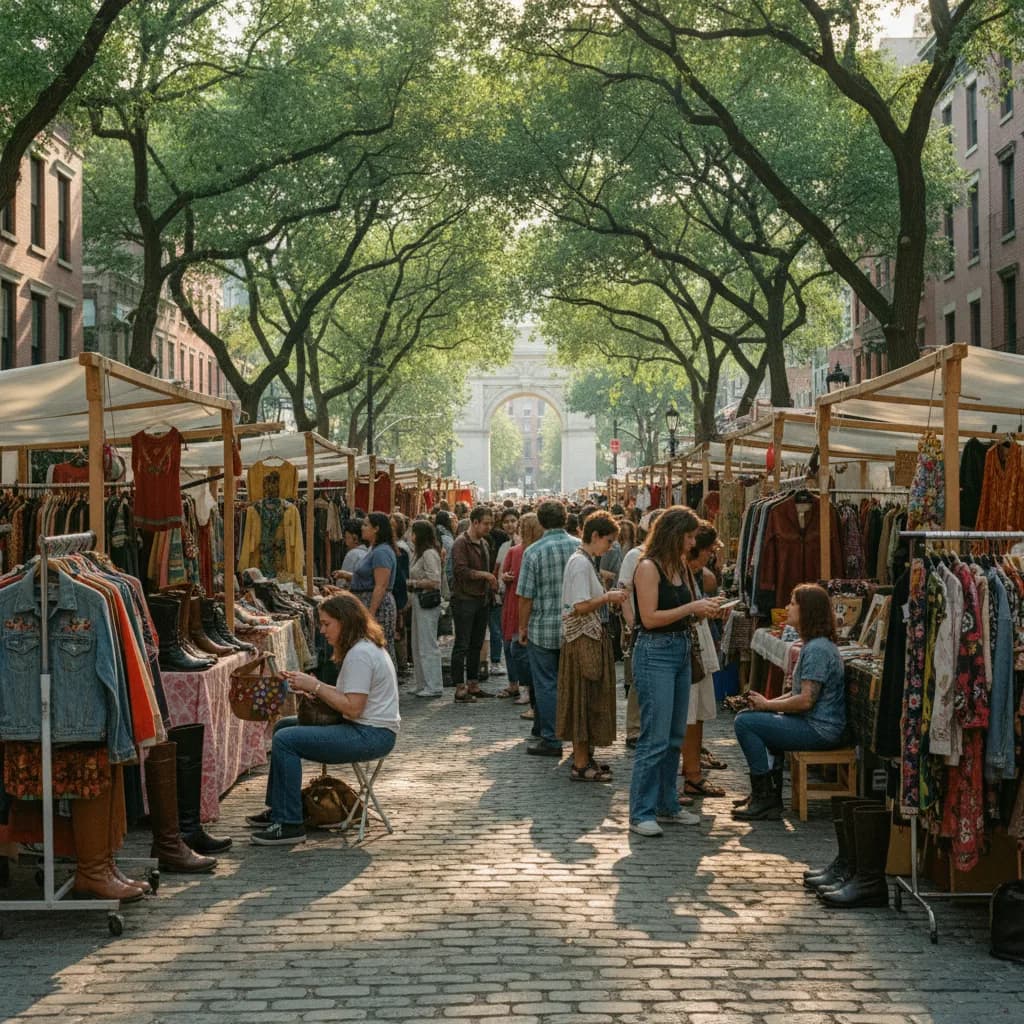
Greenwich Vintage Clothing Market: Sunday Browser Walk
Explore vintage clothing market walking paths through Greenwich Village, browsing classic retro garments, shaded garden squares, and historic brick corridors.
Greenwich Village, a historic labyrinth of cobblestone streets and Federal-style townhouses, offers a unique urban archaeological expedition for vintage clothing enthusiasts. This guide meticulously details a market browsing experience, immersing you in the tactile history of textiles and garments. We will navigate through bustling corridors, inspect the provenance of iconic fashion pieces, and discover quiet urban oases for contemplation. Prepare for a deeply authentic exploration, connecting directly with the material culture that shaped New York City's sartorial legacy, all while respecting the genuine character of this iconic neighborhood.
Morning Corridor Navigation and Architectural Immersion
Begin your vintage journey emerging from the West 4th St · Washington Sq subway station (A/B/C/D/E/F/M lines), immediately stepping into the vibrant pulse of Greenwich Village. Turn east onto West 4th Street, observing the stately Federal-style brownstones, their brickwork softened by centuries of urban life. As you proceed, the architecture transitions to include charming pre-war tenements and occasional cobblestone lanes, evoking a distinct historical atmosphere that permeates the very fabric of this neighborhood. The morning pedestrian foot traffic, composed of locals and early explorers, provides a gentle buzz, ideal for unhurried observation before the market fully awakens.
Navigate south along MacDougal Street, where the narrow sidewalks become corridors lined with various street vendors and small boutiques, some offering curated vintage selections. Continue west onto Bleecker Street, a famous thoroughfare historically renowned for its diverse independent shops and artistic heritage. The architectural consistency of the low-rise buildings, many dating back to the 19th century, contributes to the neighborhood’s enduring charm. This early morning stroll allows for a thorough scan of potential vintage havens, noting their display windows and the distinct character each establishment presents before engaging in focused garment inspection.
Vintage Denim: Selvedge, Rivets, and Chainstitching Inspection
When encountering vintage denim, an immediate focus should be on the selvedge edge, a hallmark of superior quality and often indicative of older production methods. This tightly woven, self-finished edge prevents fraying and is typically visible on the outseam of the pant leg, often revealing a distinct red or colored thread. Inspect the inner seams for this detail, noting the precision of the weave. The presence of a clean, unbroken selvedge signifies a garment crafted with meticulous attention to detail, characteristic of early 20th-century workwear and premium denim manufacturing that prioritizes durability and longevity.
Furthermore, scrutinize the copper rivets and union tags, crucial indicators of authenticity and historical period. Genuine vintage denim often features solid copper rivets reinforcing stress points like pocket corners and fly openings, which develop a distinct patina over time. Locate any union tags or textile manufacturer labels, which frequently provide insights into the garment's origin, production era, and labor practices. Observe the quality of the chainstitching, especially along the hems and seams; older machines produced a unique, distinctive chainstitch that is difficult to replicate with modern industrial equipment. This meticulous physical inspection separates genuine historical pieces from contemporary reproductions, revealing true sartorial heritage.
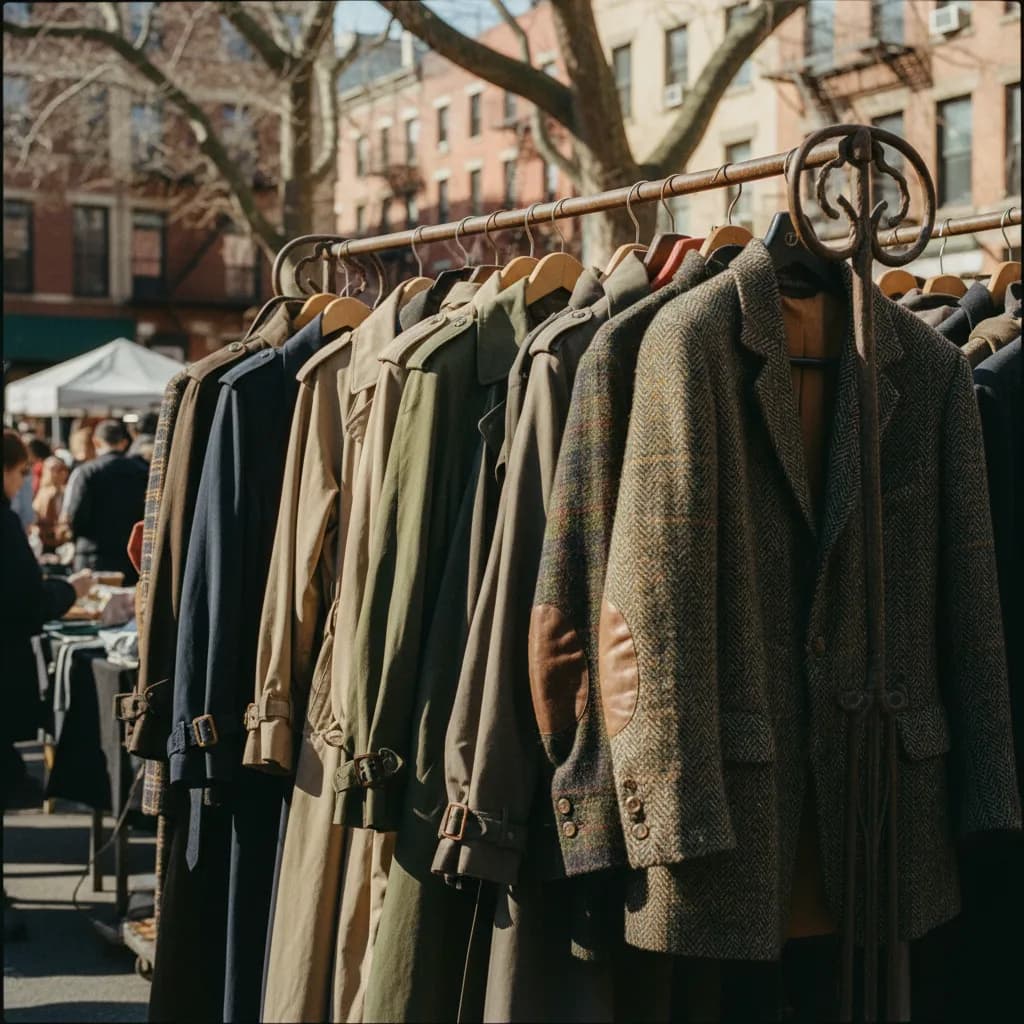
Knitwear, Silk, Leather: Tactile Evaluations of Fabric and Patina
Engage in a thorough tactile evaluation of vintage knitwear, assessing its fiber content and construction. Feel for the density and resilience of wool, the softness of cashmere blends, or the unique drape of older cotton knits. Observe the ribbing, tension, and overall integrity of the garment’s structure, noting any signs of excessive pilling or thinning. Pay particular attention to retro cardigans, inspecting the buttons—authentic horn, Bakelite, or early plastic buttons often possess a distinct weight and luster. The quality of the buttonholes, their reinforcement, and the sewing technique employed offer further clues to the garment's age and craftsmanship.
Proceed to inspect silk scarves for their sheen, hand-feel, and print clarity. Genuine vintage silk exhibits a luxurious, smooth texture and a vibrant, often hand-rolled hem. Examine the graphic designs, which frequently reflect specific artistic movements or historical trends. For leather jackets, a primary focus should be on the patina—the rich, soft sheen and character developed through years of wear. Run your hand over the leather, noting its suppleness and resilience. Inspect zippers, often original to the garment, for brand names like Talon, Scovill, or Conmar, which can date the piece. The stitching, lining, and hardware all contribute to the narrative of a vintage leather jacket, revealing its history and quality.
Public Park Respite: Washington Square Park & Minetta Green
After a concentrated period of market browsing and garment inspection, seek out the peaceful public benches within Washington Square Park. This iconic urban oasis, framed by the historic arch, offers a perfect acoustic respite from the surrounding street traffic. Find a quiet spot to sit, allowing the gentle sounds of distant conversations, street musicians, and rustling leaves to replace the market’s hum. This pause provides an essential mental reset, allowing for a focused review of any morning finds without the pressure of immediate decision-making, while absorbing the unique cultural atmosphere of the Village.
Alternatively, for a more secluded moment of reflection, locate the smaller, more intimate Minetta Green. Tucked away discreetly, this serene pocket park provides an ideal spot to enjoy a freshly brewed coffee from a nearby independent cafe. Unpack your morning acquisitions, laying them out on an adjacent bench or on your lap, to truly appreciate their details in natural light. This quiet interlude offers an opportunity to mentally catalog your observations, inspect selections, and plan the next phase of your exploration, all while experiencing the contemplative side of Greenwich Village life before re-engaging with the market.
Dressing for NYC Weather and Essential Market Accessories
Dressing appropriately for New York City’s variable weather is crucial for a comfortable and productive vintage market excursion. Adopt an adaptable layering strategy, utilizing breathable fabrics that can be easily added or shed throughout the day. A lightweight, packable jacket or cardigan proves invaluable, accommodating shifts in temperature from early morning coolness to midday warmth. Prioritize comfortable walking shoes with adequate support, as your exploration will involve extensive walking over uneven sidewalks and potentially cobblestone streets. Foot comfort directly impacts your stamina and enjoyment of the intricate market environment.
Carry essential market accessories to enhance your browsing efficiency and protect your finds. A retractable measuring tape, preferably a soft, flexible tailor's tape, allows for quick and accurate garment measurements, ensuring a proper fit without relying solely on visual estimation. Bring several reusable canvas tote bags of varying sizes; these are far more durable and eco-friendly than plastic bags and provide ample space for your vintage discoveries. A small, portable water bottle and a fully charged smartphone for navigation and photography complete your essential kit, ensuring you are well-prepared for a full day of vintage exploration.
Transit Connections and Digital Navigation with Karpo APP
The West 4th St · Washington Sq (A/B/C/D/E/F/M) station serves as a central transit hub, providing seamless connections to various parts of Manhattan and beyond, allowing for flexible market exploration. This interconnected pedestrian loop facilitates easy return to and from the vintage corridors, enabling multiple passes through favorite areas or visits to newly discovered spots. The extensive subway network simplifies venturing to other vintage districts if your Greenwich Village search yields specific desired pieces, offering an efficient means of transportation throughout the city, always returning to this central point of origin.
Enhance your self-guided market navigation with a digital tool like the Karpo APP. Utilize its mapping features to plot walking routes between identified vintage locales and public parks, optimizing your time and minimizing unnecessary backtracking. The app allows you to save favorite spots, noting their unique characteristics or potential finds for future visits. Additionally, the Karpo APP can provide real-time public transit information, assisting with timing your neighborhood transit connections effectively. This digital integration ensures a highly organized and efficient vintage shopping experience, complementing your physical exploration with practical, immediate information.
Ask Karpo for more information.
Keep reading
- Jackson Heights Thrift Store Crawl Planner: Kids' Coats
 Crown Heights Thrift Store Crawl Planner: Holiday Table Haul
 Tribeca Plant Shop Crawl Planner for Office Desks and Gifts