 Live Jazz Near Me in Lincoln Square: Dizzy's Club
Bars & Nights Out
Tuesday Night at Village Vanguard: The Jazz Set the Regulars Keep to Themselves
While weekends draw the tourists and Thursdays pull the critics, Tuesday nights at the Vanguard belong to a different crowd—the ones who know that the best improvisation happens when nobody's watching.
The Tuesday congregation
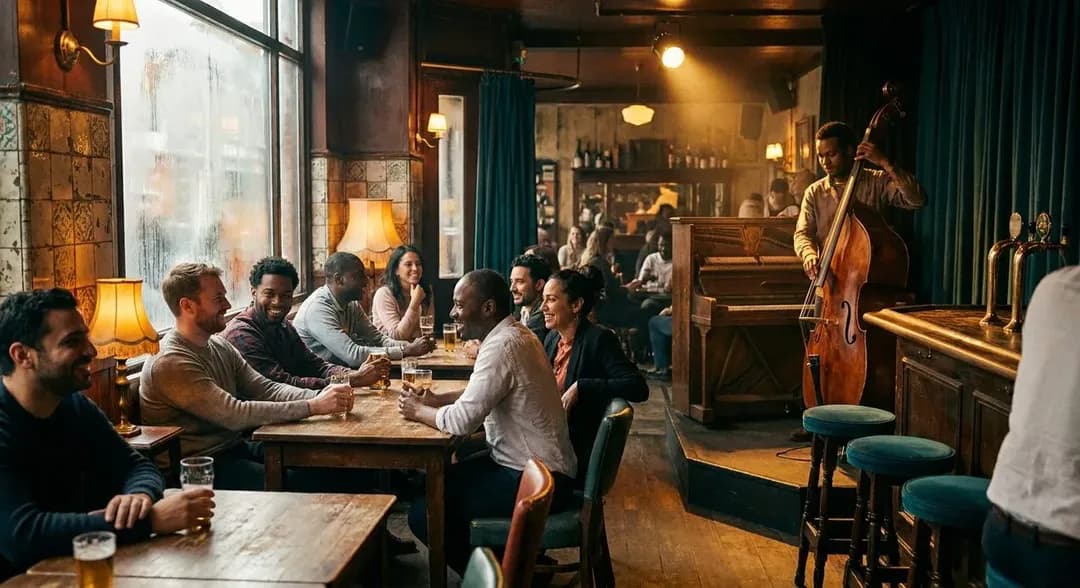
The staircase down to Village Vanguard smells like decades of history that no amount of regulation could fully erase. On Tuesday nights, you'll descend those steps into a room that's often quieter than the weekend rush—which is exactly how some prefer it. The coat check will nod at familiar faces, the ones who know to arrive early because sets start promptly and you want to be settled with your drink before the lights dim. Tuesdays mean fewer expense accounts, fewer first dates trying to impress, fewer people holding up phones despite the explicit no-photo policy enforced with quiet firmness.
Why the rotation matters
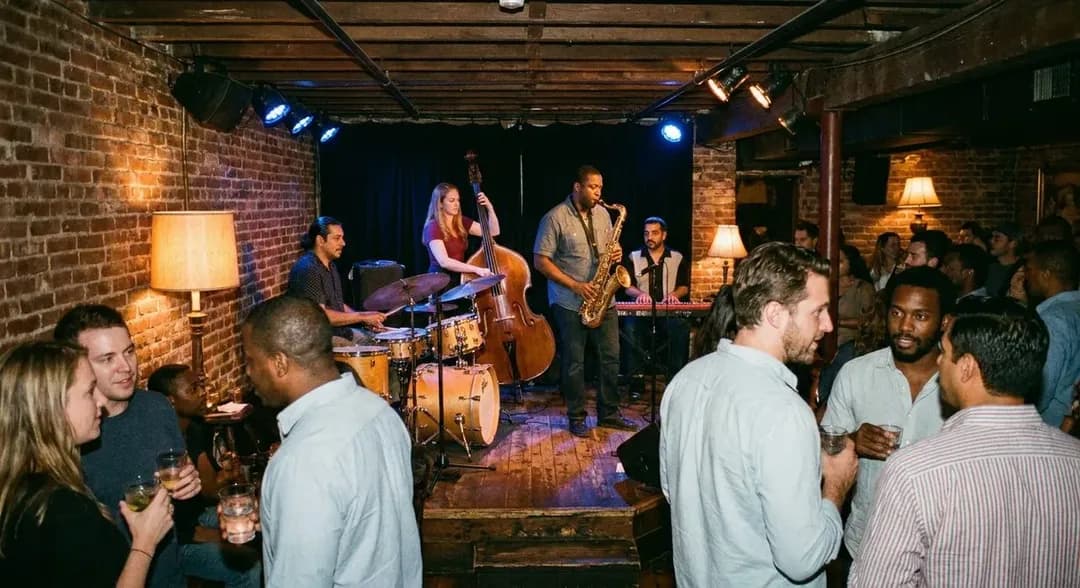
The Vanguard runs week-long engagements, but the internal rhythm shifts day to day. Weekend sets are tighter, more rehearsed—the band knows the room will be packed and the energy needs to land immediately. Thursday through Saturday, you're hearing the arrangements they've polished. But midweek is when the musicians have settled into the room's acoustics, when they've already played the setlist enough times to know where they can break it open. Smaller ensemble formats—piano, bass, drums, occasionally a horn—allow for the kind of conversational improvisation that a larger group can't sustain. You're watching musicians who've spent nights learning each other's breathing patterns. Watch for the moments when a player closes their eyes during a solo, rocking almost imperceptibly.
The acoustics nobody mentions
The Vanguard's triangular room creates what audio engineers call a "sweet spot" that moves depending on where the musicians position themselves. The shape of the space matters—different tables catch different aspects of the sound. Some seats work better for piano-led groups, others for bass-forward arrangements. The regulars know this. They also know that the room's natural resonance is part of what makes the club legendary. Good musicians play with the space itself, using its acoustic properties as another instrument. On certain nights you'll watch a drummer build a solo around the room's natural hum, smiling slightly because they know some in the audience caught what they were doing. The sound system preserves the room's character rather than fighting it.
The drink minimum decoded
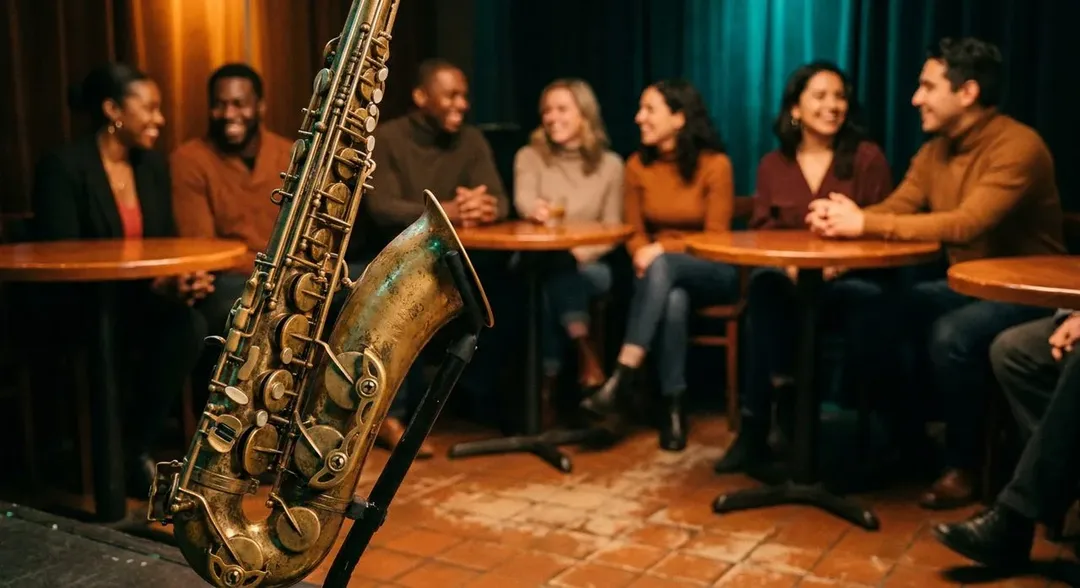
One drink minimum sounds simple until you realize the bartender has been pouring here long enough to remember faces. The house pour comes with care—proper glassware, proper ice. The midweek crowd trends toward neat pours and wine—you're here for hours across two sets, and nobody's trying to get drunk. The bartender makes drinks that respect the music. The wine list is focused: reds and whites available by the glass, all reasonably priced. Order what sounds good and settle in.
The second set calculation
First set ends around ninety minutes in. You have a short break. Most people stay in their seats—getting up means potentially losing your table, and the second set is when things get genuinely experimental. The musicians have warmed up, the crowd has thinned slightly, and the band knows they're playing for the committed listeners now. This is when a pianist might attempt that transcription they've been thinking about, when the drummer might reference a pattern that only the other musicians will recognize. Some nights the trio will play an extended version of a standard that deconstructs the melody until it's almost unrecognizable, then rebuilds it in the final minutes. A handful of people give a standing ovation. Others sit in the kind of silence that means more.
What the no-photo policy protects
The house will ask you once, politely, to put your phone away. They won't ask twice—you may be asked to leave without a refund if you're shooting video. This isn't about being difficult. It's about protecting the one space in Manhattan where musicians can take genuine risks without the performance being flattened into content. The no-photo rule means the pianist can close their eyes for an entire solo without worrying about documentation. It means the bassist can make a mistake, laugh about it, and incorporate it into the improvisation without that moment living forever online. On quieter nights especially, when the room is more intimate and the pressure is off, this policy creates permission for the kind of playing that happens nowhere else.
Practical notes
Village Vanguard is at 178 Seventh Avenue South in Greenwich Village. Take the 1/2/3 to 14th Street or the A/C/E to West 4th. Sets typically run around 8:00 PM and 10:00 PM (approximately 90 minutes each). Cover is around $40 plus a one-drink minimum per person, strictly enforced. Reservations strongly recommended—call ahead, though they don't take reservations after 6:00 PM on the day of show. Walk-ins accepted based on availability. Arrive early if you care about seating position. Cash and cards accepted. Dress code is non-existent but most people trend smart casual. The room is small, basement level, triangular shape with famous acoustics. No food service, drinks only. Photography is not allowed during sets. Check villagevanguard.com for current schedules and performers.
Tags: #VillageVanguard #NYCJazz #TuesdayNights #LiveMusic #GreenwichVillage #JazzTrio #RightOnTime #NYCNightlife #LiveJazz #ManhattanMusic #JazzClub #LocalsKnow #HiddenNYC #DowntownJazz #AuthenticNYC
Sources consulted: villagevanguard.com
Please drink responsibly. Must be of legal drinking age.
All trademarks are the property of their respective owners.
Ask Karpo for more information.
Keep reading
- Live Jazz Near Me in Lincoln Square: Dizzy's Club
 Live Jazz Near Me in Hell's Kitchen: Birdland Jazz Club
 Live Jazz Near Me in Greenwich Village: Mezzrow Piano Lounge