The quick read
After a disaster, the first instinct is to share, donate, and move fast. That impulse is human, but speed can also spread bad links and unverified drop-off instructions. New Yorkers who want to help after the Venezuela earthquake should start by checking who is collecting, what they need, where the support is going, and whether money or supplies are actually useful.
Use this as a practical first pass, then verify the current details before leaving. Summer plans around New York often change because of weather, crowds, ticket windows, road conditions, or seasonal rules. The best plan is the one that still works when the first version gets crowded.
Verify before donating
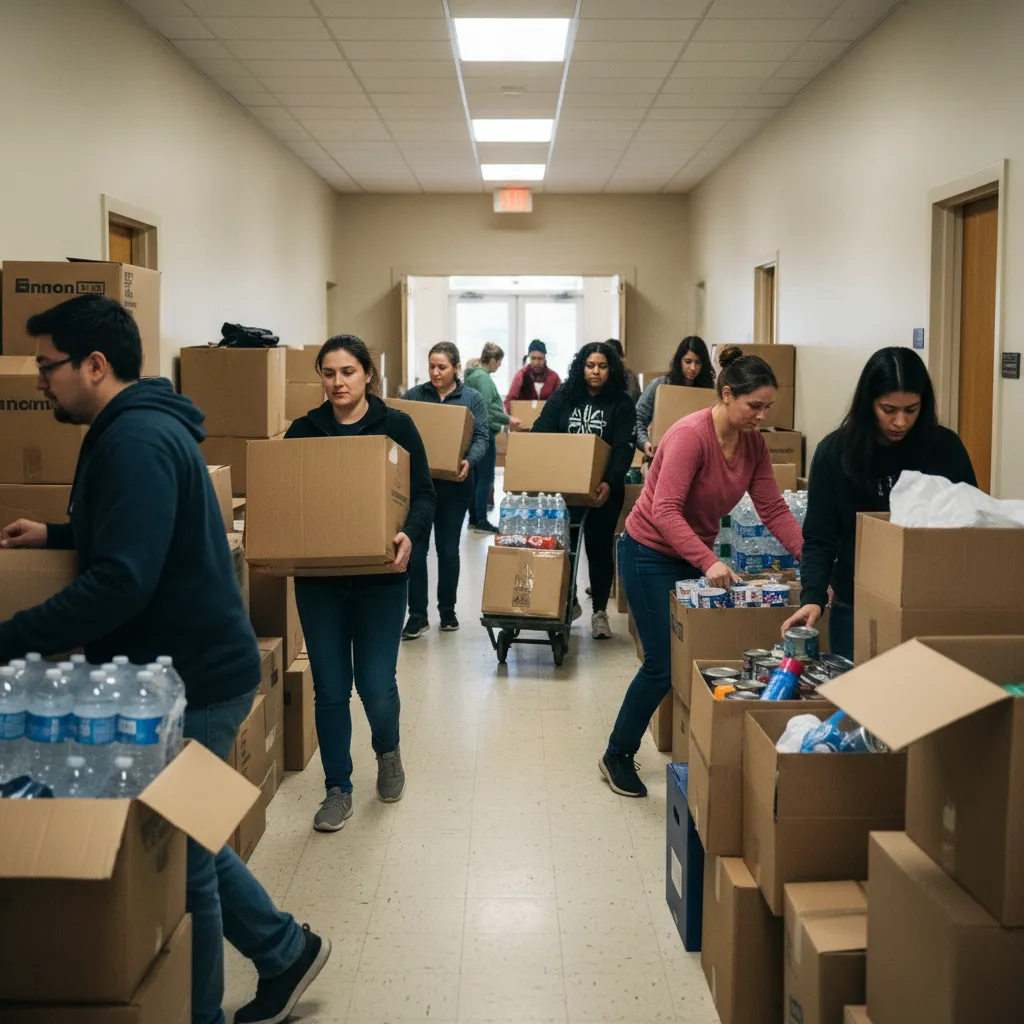
Use official relief organizations, established nonprofits, or clearly identified local community groups. If a donation page has no organizer name, no distribution plan, or no way to confirm where funds go, pause. For physical donations, confirm the exact items needed before bringing bags to a drop-off. Unwanted goods can create work instead of relief.
Make the decision around the real constraint: time, transit, weather, budget, and who is coming with you. A plan that looks smaller on paper can be the better choice if it gives the group a cleaner arrival, an easier exit, and fewer unknowns.
For most New Yorkers, the useful version is the one that removes one decision before the day starts. Pick the arrival window, decide what you will do if the first stop is crowded, and set a return plan that does not depend on everyone feeling energetic later. That small amount of structure makes the experience feel spontaneous without leaving the hardest choices for the most crowded moment.
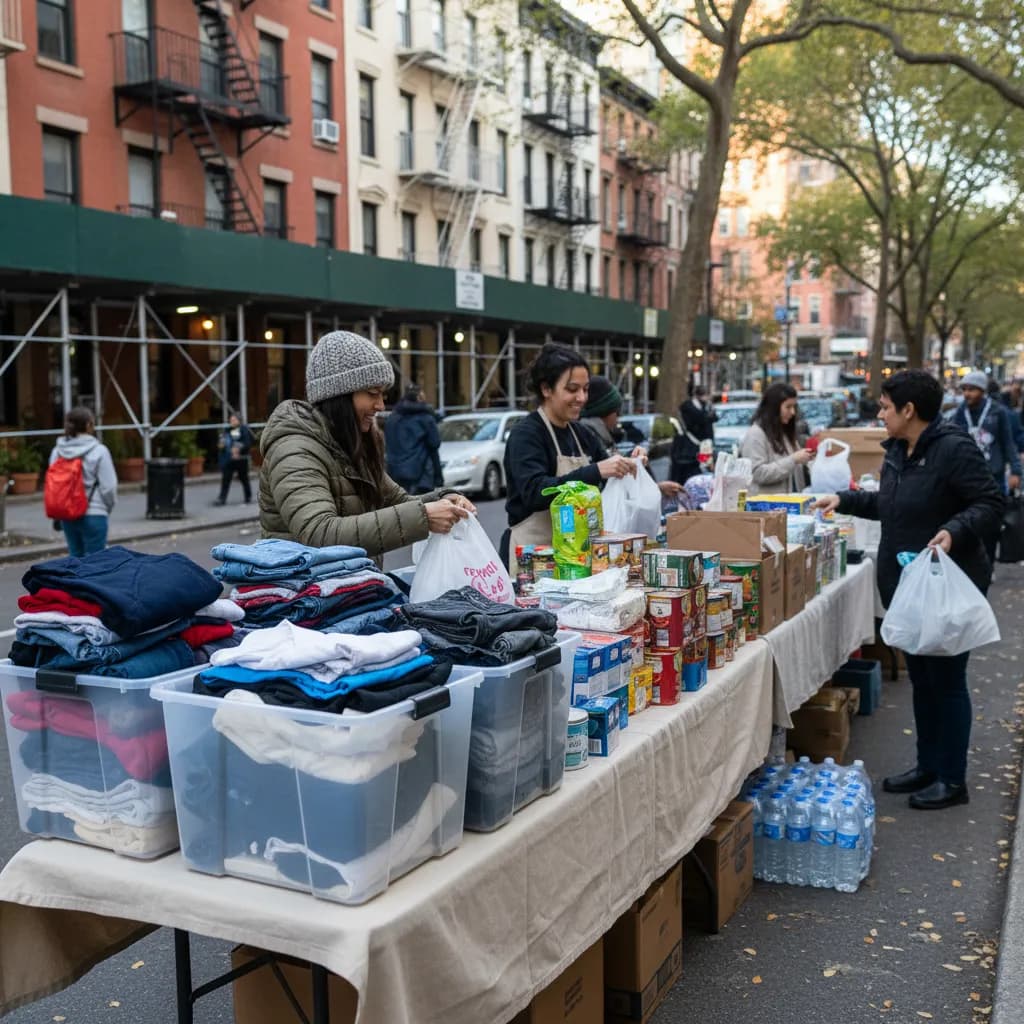
Ask better questions at community drives
A legitimate drive should be able to answer simple questions: what are you collecting, when does collection end, who receives the goods, and how are items transported? If the answer is vague, choose a cash donation to a verified relief organization instead. Good intentions do not replace logistics.

Make the decision around the real constraint: time, transit, weather, budget, and who is coming with you. A plan that looks smaller on paper can be the better choice if it gives the group a cleaner arrival, an easier exit, and fewer unknowns.
For most New Yorkers, the useful version is the one that removes one decision before the day starts. Pick the arrival window, decide what you will do if the first stop is crowded, and set a return plan that does not depend on everyone feeling energetic later. That small amount of structure makes the experience feel spontaneous without leaving the hardest choices for the most crowded moment.
Help without turning people into content
If you attend a community fundraiser or drop-off, avoid filming people in distress or turning donation work into a performance. Share verified instructions, not emotional rumors. The most useful post is often boring: address, hours, accepted items, organizer, and official link.
Make the decision around the real constraint: time, transit, weather, budget, and who is coming with you. A plan that looks smaller on paper can be the better choice if it gives the group a cleaner arrival, an easier exit, and fewer unknowns.
For most New Yorkers, the useful version is the one that removes one decision before the day starts. Pick the arrival window, decide what you will do if the first stop is crowded, and set a return plan that does not depend on everyone feeling energetic later. That small amount of structure makes the experience feel spontaneous without leaving the hardest choices for the most crowded moment.
What to do today
Pick one action you can verify. Donate money to a reputable organization, support a local fundraiser with clear details, volunteer only if organizers ask for volunteers, or share a verified resource in a neighborhood group. Helping well means reducing confusion, not adding to it.
Make the decision around the real constraint: time, transit, weather, budget, and who is coming with you. A plan that looks smaller on paper can be the better choice if it gives the group a cleaner arrival, an easier exit, and fewer unknowns.
For most New Yorkers, the useful version is the one that removes one decision before the day starts. Pick the arrival window, decide what you will do if the first stop is crowded, and set a return plan that does not depend on everyone feeling energetic later. That small amount of structure makes the experience feel spontaneous without leaving the hardest choices for the most crowded moment.
Before you go
Check the official page or venue source first, then confirm the day-of details that affect your body, not just your calendar: entry rules, hours, parking or transit, weather, food, bathrooms, and the return plan. If something essential is unclear, choose the simpler version rather than hoping it works out on arrival.
Save the address, a backup stop, and the return route before you leave. Keep bags light, bring water, and give the group one meeting point that does not depend on perfect cell service. That is usually the difference between a good city escape and a plan that collapses at the end.
If you are planning for other people, send one short note before departure: where to meet, when to arrive, what to bring, what not to bring, and the fallback if the first option is full. The best city plans are not overplanned. They are clear enough that nobody has to keep asking the same question while standing in heat, traffic, or a ticket line.
One more useful check: decide what would make you leave early. Heat, rain, crowding, sold-out tickets, full parking, or a delayed train should not turn into a group argument on-site. If you name the exit condition ahead of time, the plan stays easier to change without feeling like the day failed.
Tags: #KarpoFinds #AskKarpo #NYC #NewYorkCity #VenezuelaEarthquakeDonationsNyc #NycDonationGuide #VenezuelanCommunityNyc #DisasterReliefDonations #WeekendPlans #SummerInNYC #NYCGuide #ThingsToDoNYC #LocalGuide #NewYorkGuide #DayTrip
Sources consulted: Secret NYC: Venezuela earthquake help and donations in NYC · FEMA: Donate and volunteer responsibly
All trademarks are the property of their respective owners.
Ask Karpo first
Want to know when to show up, where to wait, and what is actually open to the public?
Ask Karpo for the latest NYC updates, a respectful plan, and a live route for How New Yorkers Can Help After the Venezuela Earthquake before you head out.