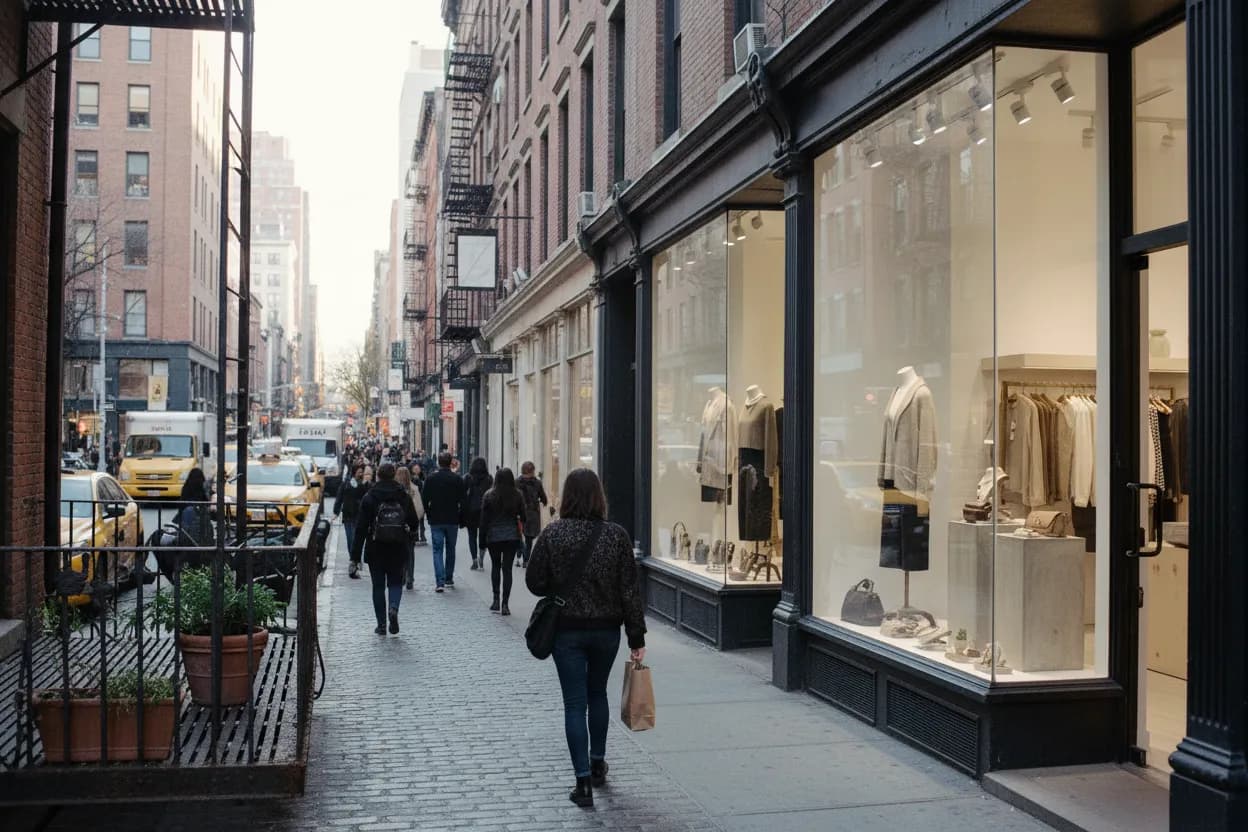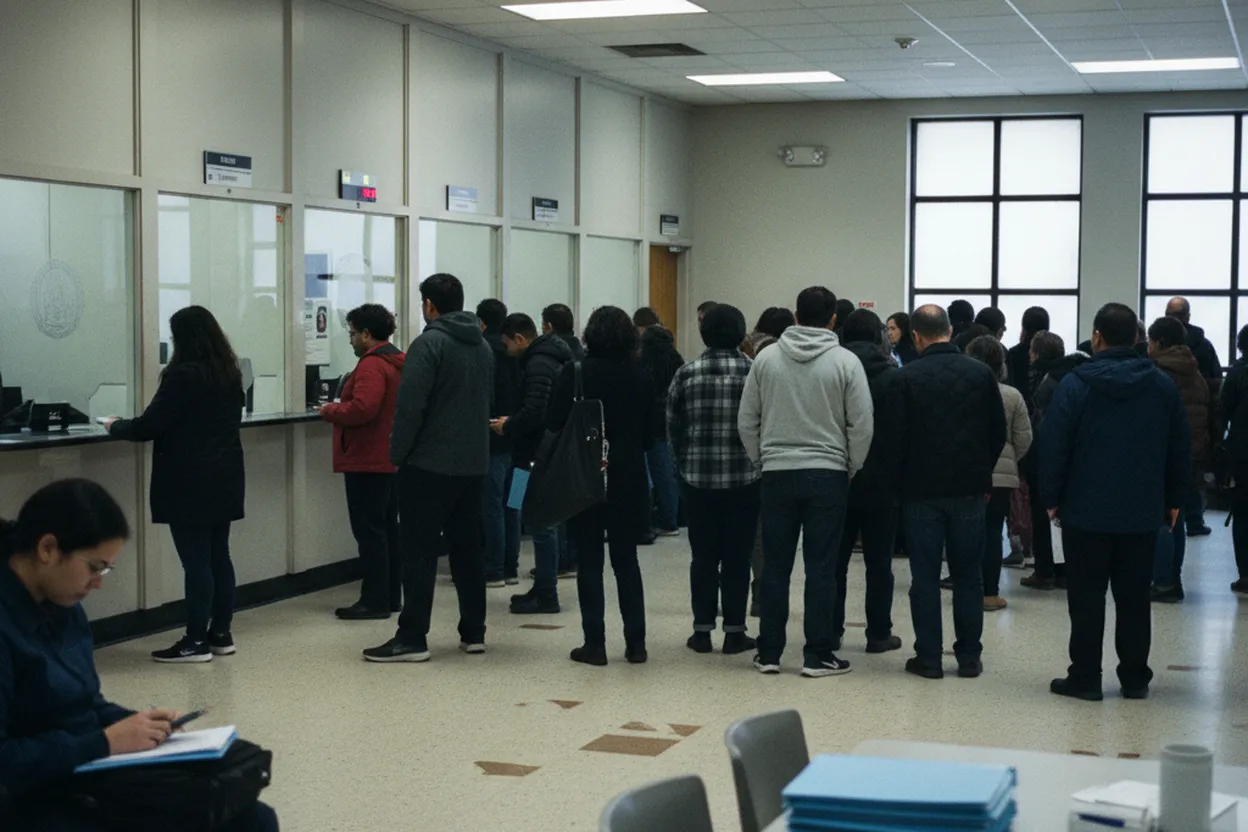
A viral vehicle clip can make New York look like an open set, but the city treats modified cars, loud exhaust, blocked streets, and stunt filming as separate compliance problems. The whistlindiesel search spike is useful here because it pushes the right question: not whether a build is interesting, but where it can legally be operated, filmed, parked, or displayed in NYC on July 28, 2026. Start with New York DMV inspection status, then check state traffic law, city noise rules, and permit jurisdiction. If one link in the chain is unclear, assume the plan needs verification before the vehicle leaves a garage, tow yard, studio lot, or private property.
Want a second read on a modified-vehicle plan before you risk tickets, tow fees, or a failed shoot? Text Karpo with the location, vehicle setup, and filming idea.

Start at NY DMV Before Treating a Build as Street-Ready
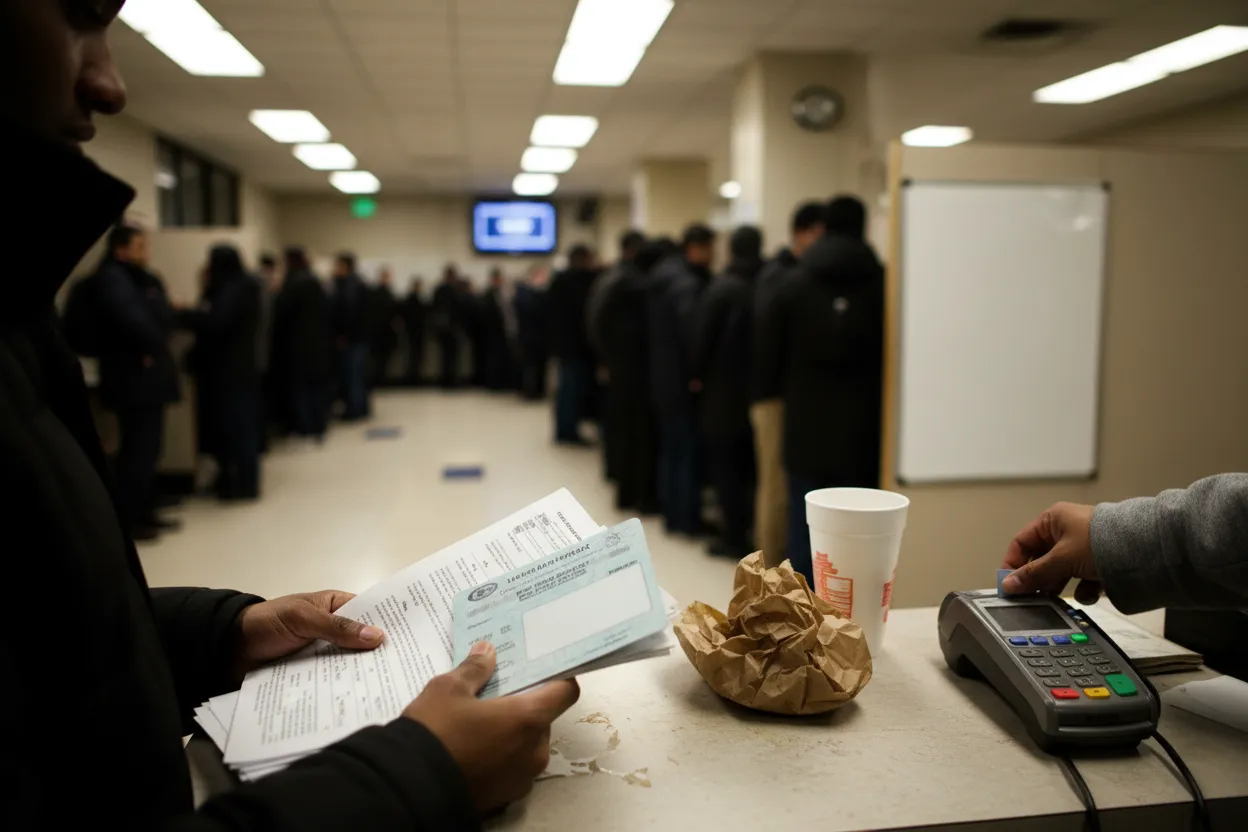
The DMV’s current inspection guidance is the first filter because New York-registered vehicles generally need a valid safety inspection every 12 months, and ownership transfers trigger inspection requirements. The state inspection program checks safety equipment and, for most eligible vehicles, emissions systems. A build that looks fine online can still fail on lighting, glass, mirrors, horn, wipers, fuel leaks, tires, brakes, steering, or required emissions controls.
The practical move is boring but decisive: verify the inspection sticker, keep the inspection receipt, and confirm that any recent modification did not change how the vehicle should be registered. DMV says modifications can affect registration class, and it does not examine your vehicle to decide that for you. That makes heavily altered vans, pickups, campers, and stripped interiors a paperwork issue as much as a mechanical one.
Use NY Vehicle and Traffic Law to Separate Stunts from Driving
New York’s Vehicle and Traffic Law is blunt on speed contests and exhibitions of speed on highways. The current Senate page for section 1182 says races, exhibitions, or contests of speed are not allowed unless they fall under specific authorized-event provisions, and violations are misdemeanors. That matters for burnouts, launches, rolling street clips, or coordinated driving shots that look like traffic participation rather than controlled production.
Reckless driving is the second legal tripwire. Section 1212 covers driving or using a motor vehicle in a way that unreasonably interferes with proper highway use or endangers users of a highway or certain parking lots. The failure mode is assuming a nearly empty street, industrial block, or lot makes the risk disappear. In New York, the legal question is conduct, public access, and endangerment, not the size of the audience.
Check NYC 311 and Noise Code Before Running a Loud Exhaust
NYC 311’s vehicle noise page is useful because it translates the city’s noise standard into a field test residents actually use. It says vehicle muffler or exhaust noise on public roads with speed limits of 35 mph or less is too loud if it can be heard from specified distances, including 150 feet for vehicles under 10,000 pounds and 200 feet for motorcycles. Horns are allowed only as danger warnings.
The tradeoff is that a car can pass an inspection and still create an enforceable city-noise problem in daily use. NYC 311 says NYPD may respond to noisy-vehicle complaints within eight hours when not handling emergencies, and action depends on the condition still happening when officers arrive. For creators or owners, that means cold starts, revving, and repeated passes near homes are poor tests of legality and poor neighbor strategy.
Bring Stunt Filming Questions to NYC MOME, Not the Sidewalk
The Mayor’s Office of Media and Entertainment is the official gatekeeper for many productions on city-owned exterior locations. Its current permit page says no permit is generally needed for handheld, nonexclusive filming with no prop vehicles, stunts, production parking, police uniforms, prop weapons, or special assistance. The moment a vehicle becomes a prop, the scene includes a stunt, or the shoot needs traffic control, the casual-filming lane closes.
MOME also says more complex productions require special consideration by the NYPD Movie/TV Unit and other agencies, and applications for those productions should be submitted three to four days before the shoot date. Driving shots should be listed separately in applications. The pacing implication is simple: do not build a same-day plan around a car stunt unless the location, insurance, vehicles, police-assistance needs, and agency approvals are already settled.
Use SAPO for Street Activity, Not Ad Hoc Street Control
If the idea is a meet, promotional activation, block use, or public street event rather than a film shoot, the Street Activity Permit Office becomes part of the decision tree. NYC’s SAPO page says it issues permits for street festivals, block parties, mobile units, plaza events, production events, rallies, street events, and similar uses of streets, sidewalks, and pedestrian plazas. Applications are handled online through E-Apply.
SAPO is not a workaround for unsafe driving. Its role is event permitting while protecting the city, the community, and general public use. The backup logic is to choose a private venue, closed course, or properly permitted static display if the public-street version would obstruct normal movement or attract unpredictable traffic behavior. If the activity needs exclusive street use, sound, crowd control, food vending, or a procession, verify the separate agency requirements before promoting it.
Keep Parks, Bridges, and Other Non-City Property in the Jurisdiction Check
MOME’s letter-in-lieu page makes one often-missed point: city film permission does not cover private property, MTA property, Port Authority property, state property, or federal property. It also says qualifying no-permit filming must stay on sidewalks, park pathways, or bridge walkways, keep pedestrian clearance, avoid traffic lanes and curb lanes, and avoid props that are not hand-held, including vehicles.
That is the accessibility and failure-mode section in practical terms. A modified vehicle shoot can block curb ramps, narrow sidewalks, park paths, bridge walkways, or emergency access even when nobody intends to be disruptive. If a location involves a park, tunnel approach, bridge walkway, transit facility, museum plaza, garage, ferry terminal, or waterfront site, verify the property owner and rules first. A clean Plan B is a static exterior shot from a legal parking space with no revving, no crowd pull, and no traffic interaction.
Make the July 28, 2026 Go-or-No-Go Call from Live Sources
Before leaving, run a short verification stack: DMV inspection and registration class, NY Vehicle and Traffic Law exposure, NYC 311 noise risk, MOME filming-permit need, SAPO event-permit need, and property jurisdiction. Then check weather, curb rules, street closures, and whether the vehicle can legally park or load where planned. Clear weather helps visibility, but it does not reduce enforcement, noise, pedestrian, or permit risk.
The best audience for this workflow is a solo owner, producer, journalist, or local guide trying to understand a trend without copying dangerous behavior. It is medium difficulty because the rules sit across state law, city agencies, and property owners. If any changing detail cannot be confirmed on July 28, 2026, make that the decision: pause, call the relevant office, move to private property with written permission, or skip the stunt.
Tags: #AskKarpo #BeforeYouGo #NYC #NYCDMV #NYDMV #VehicleMods #CarCulture #StreetLegal #StuntFilming #NYCPermits #VehicleNoise #TrafficLaw #HiddenGemsOddFinds #VerificationWorkflow
Sources consulted: Source 1: dmv.ny.gov · Source 2: dmv.ny.gov · Source 3: nysenate.gov · Source 4: nysenate.gov · Source 5: portal.311.nyc.gov · Source 6: nyc.gov
All trademarks are the property of their respective owners.
Ask Karpo first
Tell Karpo your date, group size, budget, and starting neighborhood. We’ll check current access, timing, transit, and the cleanest plan for NYC Department of Motor Vehicles before you head out.