Searching for ufc 333 in New York is less useful than first deciding which kind of UFC night is on the calendar. New York fight bars run two completely different formats: weekly UFC Fight Night cards are typically no-cover, while numbered pay-per-view Saturdays bring a door charge, RSVP tables and multiple rooms opening at once. That distinction controls what the night costs, where a group can sit and whether walking in late is realistic.
Message Karpo for a live Manhattan fight-night route matched to the card, your group size and the tables still open. You’ll get the difference between a free weekly Fight Night and a booked numbered PPV before leaving home.

The two-tier system matters
A weekly Fight Night is usually treated as regular bar programming. Stout NYC in FiDi shows UFC Fight Night every Saturday at 7pm with no cover, but for numbered cards it opens all three of its Manhattan rooms and charges $10 at the door with tables on RSVP. Those are not small variations on the same setup. The weekly broadcast is a free Saturday option; a numbered card is an event with an organized entry point.
That is the first check to make before choosing a venue. A bar advertising Saturday UFC coverage may be talking about the regular Fight Night schedule, while a numbered pay-per-view has its own pricing and booking pattern. Stout's Financial District location is useful precisely because it makes the contrast clear: the same name can mean no-cover coverage one week and a $10 door plus RSVP tables on another.
The practical consequence is simple. For a free weekly card, the decision is mostly about screens and neighborhood. For a numbered Saturday, it is about the door, the table list and how many people are coming. A casual walk-in plan can work for the first format; it is much less dependable for the second.
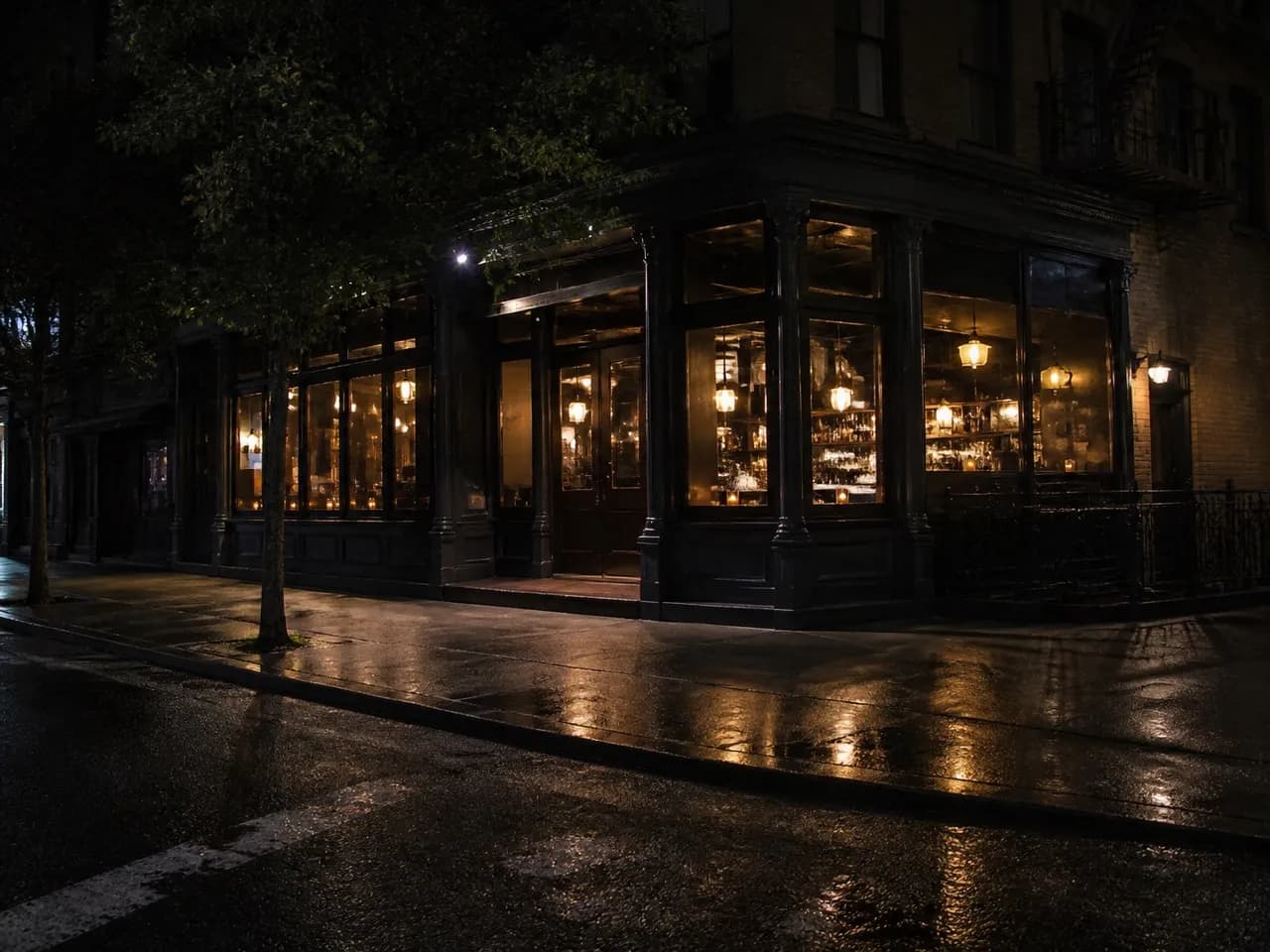
Clinton Hall rewards early planning
Clinton Hall on 36th Street takes reservations weeks ahead for every numbered pay-per-view on the calendar - by fight week the good tables are long gone, which is the mistake casual viewers make. The Midtown room is built for full PPV coverage, so it suits a group that wants the main card treated as the evening's central booking rather than something playing in the background.
The timing of the reservation matters more here than the exact moment the main card begins. Once the Saturday becomes a numbered event, the useful tables are part of the planning window. Waiting until fight week can leave a group choosing between a less convenient table and a different bar, even when Clinton Hall remains on the list.
For anyone comparing Midtown with the Financial District, Clinton Hall offers a straightforward booking signal: the numbered-card calendar is visible far enough ahead to act on. If the plan includes several people, contact the venue before the week of the fight and ask what remains rather than assuming a large room means unlimited walk-in seating.
FiDi gives viewers two different kinds of coverage
The Financial District has more than one way to watch a fight. Stout NYC, FiDi is the clear choice for distinguishing the free weekly broadcast from the numbered-card operation: Saturday Fight Night starts at 7pm with no cover, while a major numbered card brings all three Manhattan rooms into play, a $10 door charge and tables handled through RSVP.
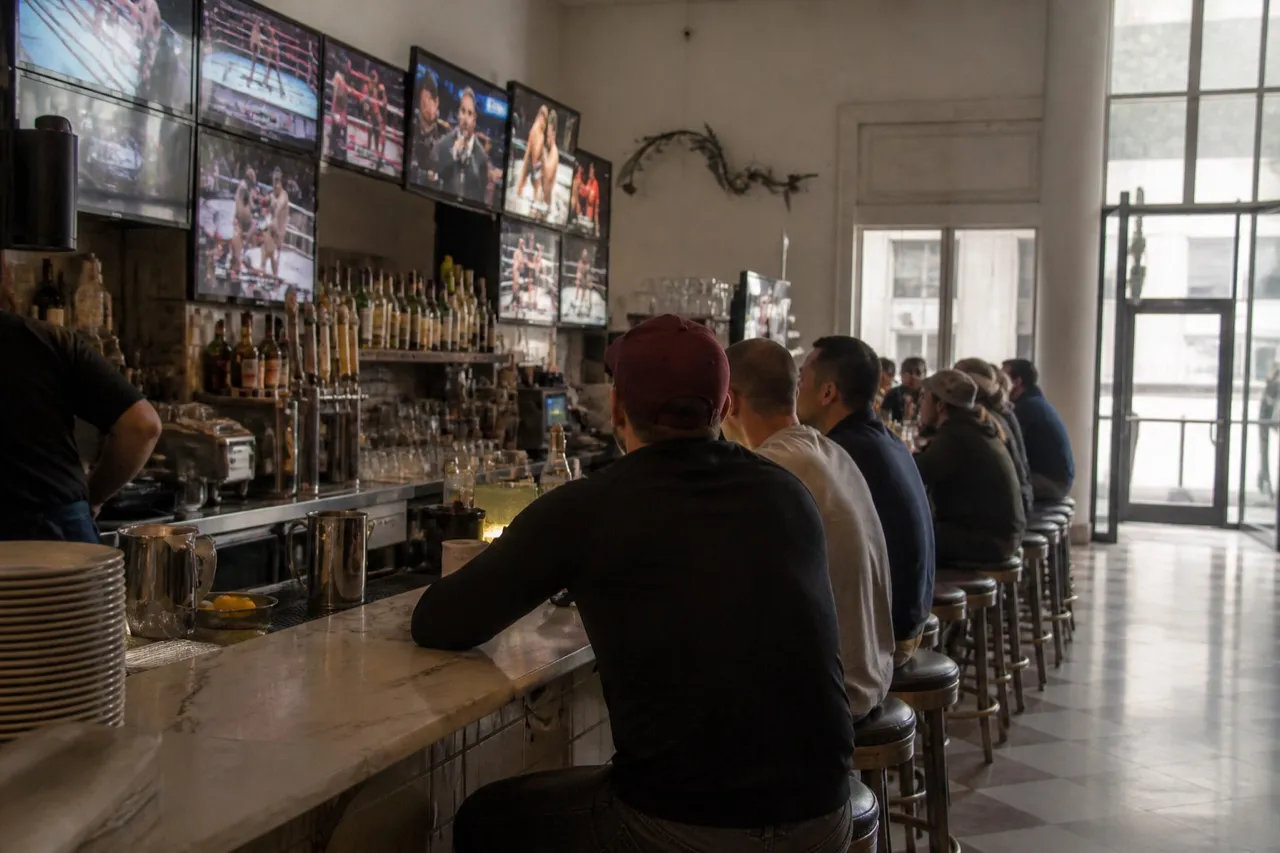
Continental Sports Lounge is a different proposition. It has more than seventy televisions and all-day beer-and-shot combinations, so the card can be followed from anywhere in the room rather than by crowding around one end. That screen count matters for viewers who care about seeing every exchange, not just finding a seat facing one large central display.
The two FiDi options also suit different group habits. Stout's numbered-card format is built around rooms, a door charge and RSVP tables. Continental's strength is distribution: more than seventy televisions make the viewing angle less dependent on where a group lands. Menus change - check the board before ordering, especially if the beer-and-shot combinations are part of the plan.

Near the Garden, location changes the calculation
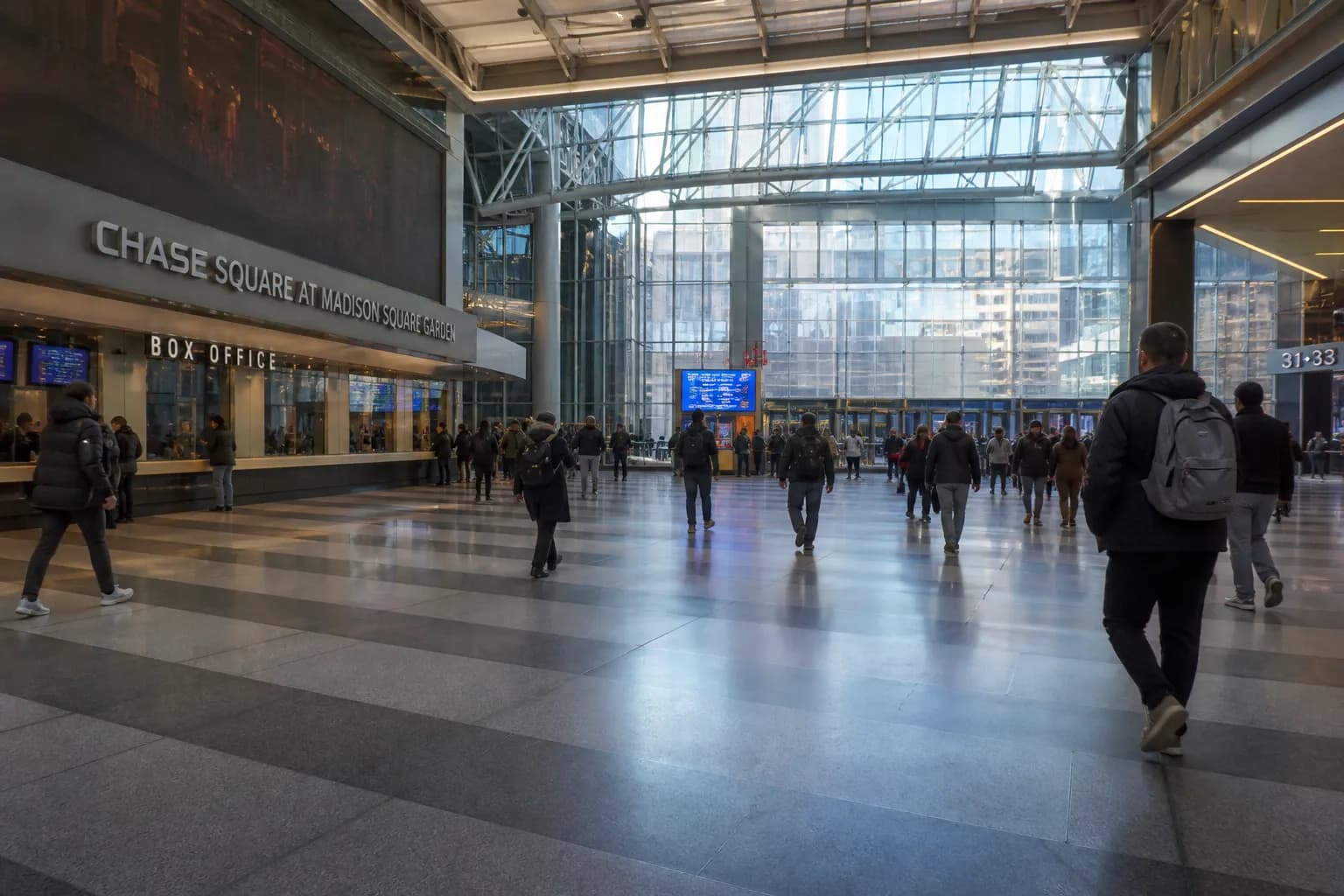
Playwright Irish sits near Madison Square Garden, with fifty-four televisions and a position four blocks from the Garden. That location matters on nights when there is something on at the arena as well. It gives the venue a different kind of usefulness from a bar chosen only for its fight broadcast: the surrounding area can already be busy, and the Garden's presence is part of the timing decision.
For a viewer coming to Manhattan specifically for the fight, the Garden-area option is worth separating from the FiDi choices. A group that wants to stay near Madison Square Garden has a venue with fifty-four televisions, while a group prioritizing numbered-card reservations may prefer Clinton Hall's advance booking window or Stout's RSVP-room setup.
The useful question is not which room sounds biggest. It is whether the route ends near the Garden, in Midtown or in the Financial District, and whether the booking is for a weekly card or a numbered PPV. On a busy arena night, that neighborhood choice can matter as much as the television count.
The prelims are where the cheaper drinks are
Playwright Celtic & Tavern runs $5 to $6 drafts during happy hour, and that window overlaps the preliminary card - so the cheap drinking is on the prelims, not the main event. That makes the early portion of the night more than filler for a group watching its spending: arriving for the prelims can line up with the lower draft pricing.
The pricing distinction should be treated as part of the schedule. Happy hour runs into the prelims, but the main card is a different phase of the evening. Anyone budgeting around $5 to $6 drafts should not assume that price continues after the preliminary bouts give way to the headline fights.
This is also where the free-versus-paid distinction can get blurred. A weekly Fight Night may have no cover at Stout, while a numbered Saturday can carry a $10 door at that same venue. At Celtic & Tavern, meanwhile, the economical part is tied to the prelims and happy hour. The card, the door policy and the drink window all need to be checked separately.
When a group bundle beats the door
Group bundles at some rooms start around $130 and cover five to eight people, which works out cheaper per head than individual door charges once your group passes five. For a numbered PPV, that changes the calculation. A group of six or more should compare the package with separate entry before defaulting to individual tickets or door charges.
The bundle is not automatically the best choice for every party. It depends on the number of people who are actually committed, the table arrangement and what the package includes. But the starting point around $130 gives larger groups a concrete benchmark. Five people is roughly the point at which the per-head math deserves attention; above five, the package can be cheaper than individual door charges.
Reservations matter more once a bundle enters the plan. A numbered Saturday is not the time to assume that a large Manhattan room will absorb a group without notice. Ask about the package, the number of people it covers and whether the table is being held through RSVP before heading out.
Practical notes
- Weekly Fight Night at Stout NYC, FiDi starts at 7pm and has no cover; numbered cards use a $10 door charge and RSVP tables across all three Manhattan rooms.
- Clinton Hall on 36th Street takes reservations weeks ahead for numbered pay-per-views, so contact the venue before fight week if a table matters.
- Continental Sports Lounge is in the Financial District and has more than seventy televisions, making it easier to follow the card from different parts of the room.
- Playwright Irish is near Madison Square Garden, four blocks from the arena, with fifty-four televisions; account for the surrounding Garden-area activity when choosing timing.
- Playwright Celtic & Tavern offers $5 to $6 drafts during happy hour, overlapping the preliminary card rather than the main event.
- Group packages start around $130 for five to eight people at some Manhattan fight bars; compare that total with individual door charges once the group is larger than five.
- For accessibility, weather contingencies, current menus and any door or reservation changes, confirm directly with the venue before setting out.
Tags: #watch_parties #ufc333 #ufc #ufcfightnight #payperview #nycbars #manhattanbars #fightnight #sportsbars #fidining #midtownnyc #madisonsquaregarden #barreservations #nycnightlife
Sources consulted: happy-hour.nyc · watchpartyradar.com · fanzo.com
Please drink responsibly. Must be of legal drinking age.
All trademarks are the property of their respective owners.
Ask Karpo first
Message Karpo before leaving for a numbered UFC Saturday and get a live route through the Manhattan fight-bar options that are actually open to the public, starting with the Financial District, continuing toward Midtown and ending near Madison Square Garden if that fits the plan. Karpo can check whether the right move is Stout's 7pm no-cover Fight Night, its $10 numbered-card door and RSVP rooms, Clinton Hall's advance tables, or a prelim-focused stop at Playwright Celtic & Tavern, then tell you when to show up for the route you want.