 SoHo Tailor Alteration Shop Finder for Sample Sale Finds
Neighborhood Guides
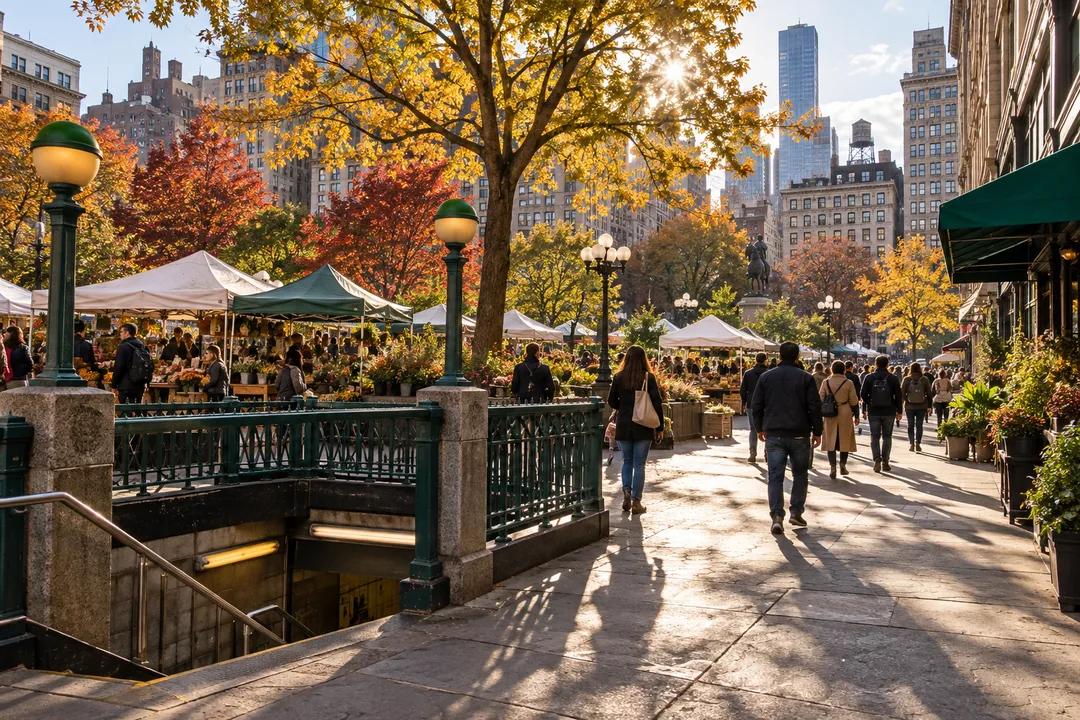
NYC Transit Station Pitstop Finder: 20 Minutes to Snack
Use a twenty-minute Union Square snack pause to balance market browsing, a place to rest, and your next train, with a shorter route for changing plans.
A twenty-minute Union Square stop gives you just enough room to choose between a fresh snack and a proper pause, provided you do not treat the whole square as an errand list. Use the Karpo APP as a transit station pitstop finder by explaining your next subway direction, whether a market visit matters, and how long you want to sit. Ask for a small plan with one priority, a return allowance, and an alternative that works without browsing stalls.
Decide whether the market is the point
Separate “I want something fresh” from “I want to visit the market.” Those requests overlap, but they lead to different use of a short window. A piece of fruit could satisfy the first request without browsing. The second involves reaching the stalls, looking around, choosing a seller, and then buying. Tell Karpo which experience you actually want so it can help balance food and time rather than assuming that every Union Square snack requires a market excursion.
A market-centered plan should depend on an actual market session you have established through the organizer's information. This page does not promise stalls on every day or at every hour. If your visit does not coincide with a session, ask for a nearby snack format instead of searching for an absent stall. That fallback keeps the purpose of the stop intact. You can still pause between trains without turning a particular shopping experience into a requirement that the day cannot meet.
Twenty minutes contains two different breaks
Try assigning your window to activities before choosing a destination. One illustrative allocation gives four minutes to reaching a snack stop, four to selecting and buying, four to sitting, four to returning, and four to spare. It is a planning example rather than a timed route. Notice how little sitting remains after the other steps. If rest is the main need, start with a longer seated allowance and shorten the food task to something ready to carry.
Traveling with another person changes that balance. A companion who wants to compare produce may enjoy the browsing while you need a quiet seat. Agree on the priority before leaving the station route. Ask for a plan that keeps you together, or define a reunion point you both understand if you deliberately separate. Avoid relying on a vague instruction to meet “by the entrance,” especially when each person may be picturing a different stairway or a different edge of the square.
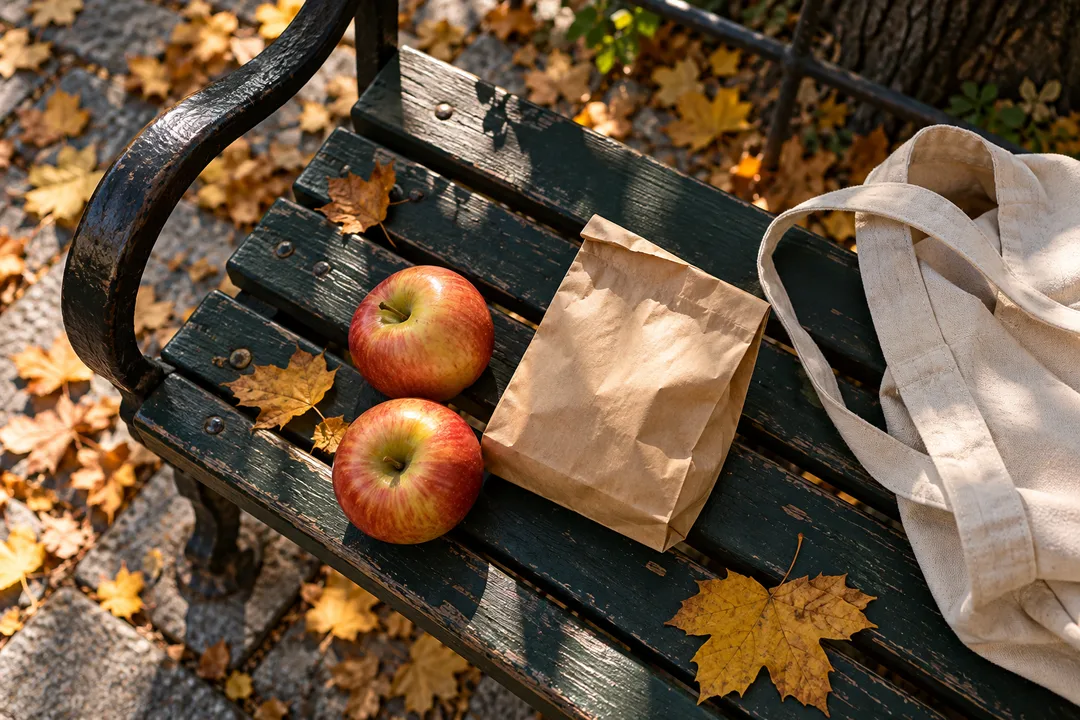
AI-generated market and snack imagery for the planning scenario, without documenting a specific stall.
A useful prompt names the next line
You might write: “I have twenty minutes at Union Square between an L train arrival and my next N, Q, or R journey. I would like a fresh snack, five minutes to rest, and very little wandering. Help me choose a short surface loop or a simpler stop that preserves my return time.” Add the direction and actual entrance when you know them. The line names help define the problem, but the operator's signs still determine the route you take.
Mention whether stairs, a stroller, or crowded walking spaces affect your pace. A compact route for a solo traveler with a tote is different from one for an adult managing two children and bags. Ask for an option that works at the speed of the slowest person in the party. If an accessible path is essential, make that requirement explicit and use the transport operator's access information for station movement. A suggested snack loop does not establish lift operation or step-free continuity.
Buy a snack you can finish comfortably
Whole fruit, a small baked item, or another ready-to-eat snack may fit the pause better than something requiring assembly and several utensils. Let your own dietary needs decide the format. Ask Karpo to narrow possibilities by food restrictions and carrying preferences, and ask the seller about the actual ingredients when needed. The planning benefit comes from arriving with a short decision already made. It does not replace the conversation required to establish whether an item is suitable for you.
Think about cleanup before buying. Juicy food, loose toppings, and multiple containers can leave you searching for a bin and a place to wash your hands when you should be returning. Bring a napkin, keep packaging contained, and carry waste until you reach an appropriate bin. If you intend to save the snack for later, choose something that can remain closed in your bag. These ordinary details matter more during a transfer than whether the purchase looks impressive in a photograph.
Treat seating as a preference with a fallback
A pleasant-looking bench is not a reserved seat. Ask for a rest-oriented plan without assuming that a particular spot will be empty when you arrive. If comfortable seating is essential, consider making a seated purchase the main activity and dropping market browsing entirely. If you simply want a short pause, choose a place where you can stop without blocking a path or station entrance. Keep your bag close and make room for people who are passing through.
Weather can change the value of an outdoor snack immediately. Tell Karpo if you want shelter from rain, dislike direct sun, or need to keep a child warm. Ask for an indoor alternative as a separate choice, with its own walking allowance. Do not stack an outdoor market visit and an indoor cafe visit into the same twenty minutes just because both sound appealing. Selecting one experience early is how a small gap becomes restful rather than a sequence of unfinished tasks.
Return before the square becomes another outing
Choose your turn-back time before you begin browsing. A stall you notice near the end of the window is an idea for another visit, not a reason to extend the loop. If ordering takes longer than expected, use the sitting allowance first only if rest was optional. Keep the return and orientation time intact. Someone who needs a rest for comfort or health should instead shorten the purchase. The appropriate tradeoff follows the priority you supplied at the beginning.
Use Karpo to refine the plan when you report a changed situation, such as crowded paths or a shorter remaining window. The app conversation does not monitor stall stock, seat availability, subway intervals, or the movement of your companions. Follow transport information for the next train and use your own observation for the immediate surroundings. The best outcome for this Union Square transfer is modest: a snack that suits you, a pause you actually enjoyed, and enough time to find your onward route calmly.
Ask Karpo for more information.
Keep reading
- SoHo Tailor Alteration Shop Finder for Sample Sale Finds
 Williamsburg Tailor Alteration Shop Finder for Bike Riders
 Upper West Side Tailor Alteration Shop Finder for Kids