 SoHo Tailor Alteration Shop Finder for Sample Sale Finds
Neighborhood Guides
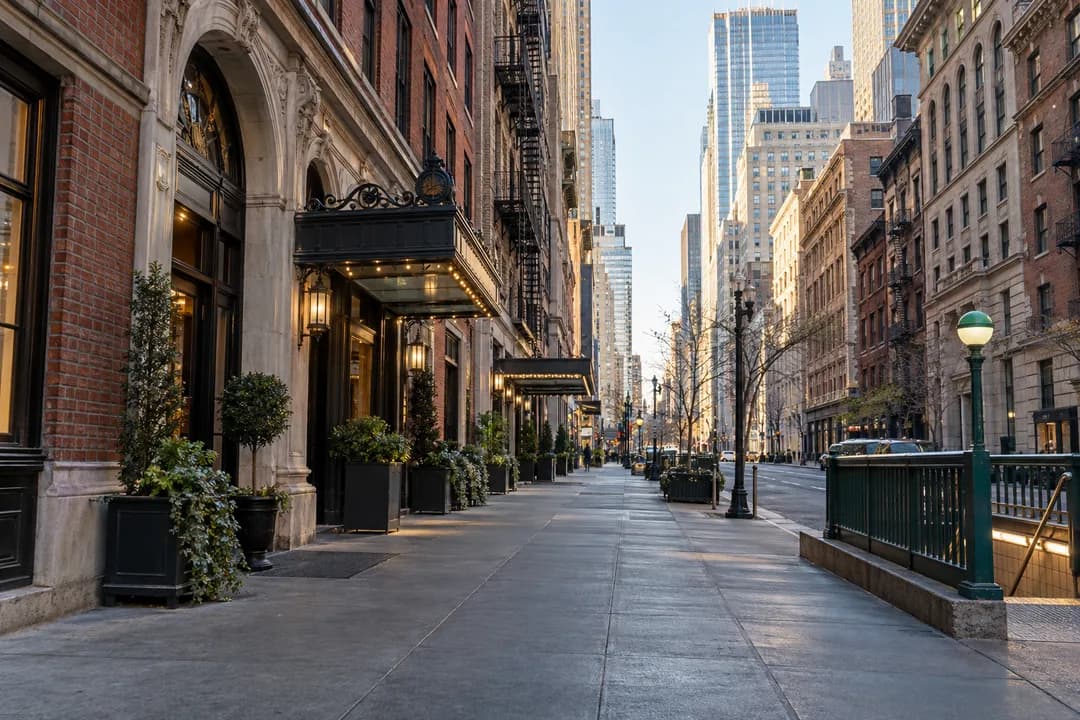
NYC Transit Station Pitstop Finder: A Quiet 15 Minutes
Plan a quieter Times Square transfer pause around seating, water, and your subway return, with a practical indoor option and a clear limit on wandering.
A quieter pause near Times Square starts by deciding what kind of relief you need. Water, a seat, shelter, and a break from crowds are different requests, and a short subway interchange may not accommodate all four. Use a transit station pitstop finder in the Karpo APP to describe your starting entrance, onward direction, and remaining time. Ask for one modest refuge and a fallback that reduces walking, rather than a list of attractions competing with your transfer.
Define quiet in terms you can use
For one traveler, quiet means sitting indoors away from traffic. For another, it means fewer people within arm's reach, even if the street remains noisy. Tell Karpo which quality matters most and how long you want the pause to last. If you need a seat rather than merely prefer one, say so. A suggestion to stroll down a less crowded street does not meet a requirement to rest your legs, and a busy cafe may provide shelter without providing calm.
Give the same clarity to “near Times Square.” Name the entrance, corner, or part of the interchange you can actually identify. A location that seems close to the district on a map may add a substantial walk from your position underground. If the next subway direction is unfamiliar, use the first part of the window to establish it. A refuge is useful only when you can return to the right approach without spending the rest of the break retracing uncertain steps.
Use a fifteen-minute ceiling
Consider fifteen minutes as an example ceiling for the entire pause, including leaving your route and returning. One possible personal split is three minutes outward, four resting, three back, and five reserved for finding the next platform. This is a budgeting illustration, not a claim that any named seat can be reached in three minutes. If the outward leg takes longer, the seated portion must shrink unless you deliberately change the plan for the onward journey.
A short break becomes more restorative when you stop shopping for a perfect one. Decide whether you want to spend the available four resting minutes drinking water, sitting still, or eating a small snack. Choose one of those as the main task. A cafe search, a restroom search, and a scenic walk may each be reasonable on their own, but combining them can leave you with no rest at all. Ask Karpo to keep the suggestion focused on the need that matters most.
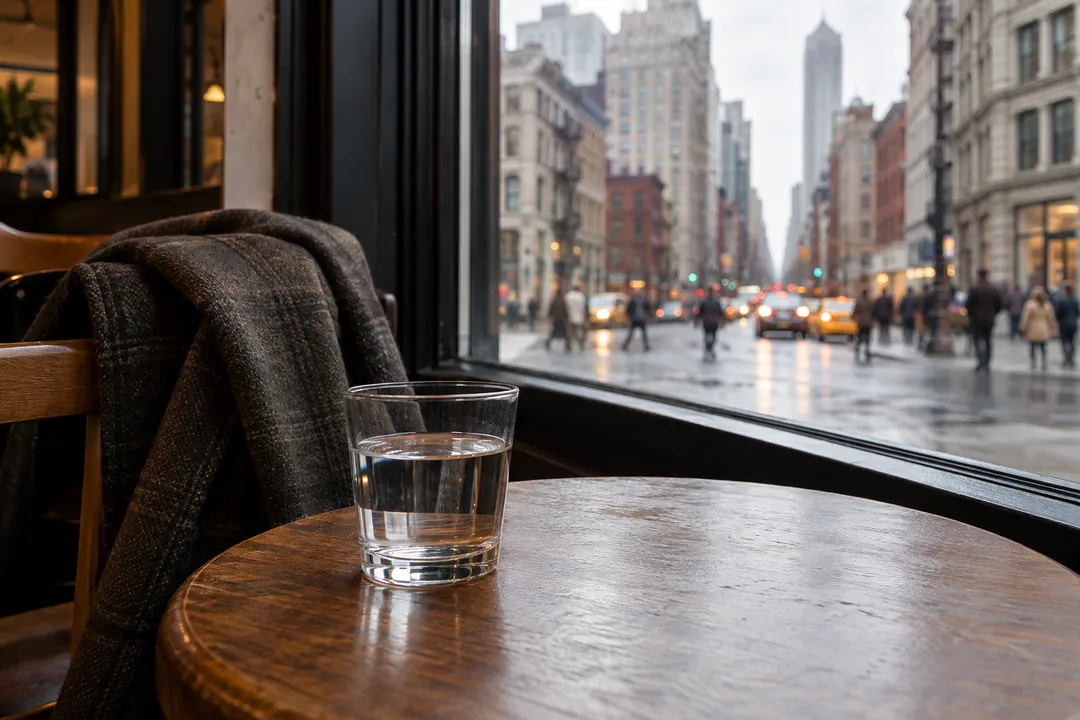
AI-generated resting scene for the Times Square planning example, rather than an identified seating location.
Describe the actual conditions in your request
A useful message is: “I am at the Times Square subway interchange and have fifteen minutes before I need to continue. I am tired and want a seated water break, preferably indoors, with minimal crowd exposure. Start from the entrance I name, keep the return simple, and offer one fallback if seating is not practical.” Add the number of companions and whether you are willing to buy a drink. This gives the conversation a concrete decision to organize.
If crowds feel overwhelming, explain the walking environment you prefer without asking the app to guarantee emptiness. You might request a straightforward sidewalk approach, fewer crossings, or an option that avoids a long indoor search. Describe any current obstruction yourself. The planning conversation does not measure pedestrian density or monitor each doorway. It can help narrow your request using the conditions you report, while your observation determines whether the immediate route feels comfortable enough to take.
A chair is not the same as public access
Indoor seating can belong to a cafe, a private lobby, a ticketed venue, or another controlled space. Do not assume that an appealing interior is freely available for a transfer pause. Ask for the access basis behind any proposed option, including whether a purchase is part of the plan. When that basis is unclear, remove the candidate rather than building your break around it. The relevant question is whether the option fits your needs and permitted access, not whether it looks peaceful.
Similarly, a cafe recommendation is not a reserved chair. If sitting is essential and no appropriate seat is available when you arrive, move to the fallback promptly. Avoid buying something solely because you expect a seat to appear later. If you are comfortable standing briefly, you can choose a takeaway drink and continue along your return path. If standing defeats the purpose, preserve your energy by shortening the detour rather than walking between several businesses in search of an ideal table.
Hydration can stay a very small task
Tell Karpo whether you already carry water or need to buy a sealed drink. These situations call for different stops. If you have a bottle, the break may require only a permitted place to pause. If you need a drink, include ordering and payment in the time budget. This page identifies no public refill point and promises no working fountain. Keep any specific amenity outside the plan until its location and access are established through appropriate information or direct observation.
Choose a drink format that fits the next train journey. A sealed container may be easier to manage than an open cup when you are carrying luggage or traveling with a child. If you choose a hot drink, allow for handling it safely and keep your hands available for the trip. A break intended to reduce stress should not leave you balancing several loose objects. Skip the snack if it adds packaging and decisions without addressing the main reason you wanted to stop.
End the search while energy remains
Set one attempt as the default. If the proposed refuge is inaccessible, crowded, or unsuitable, use the simpler alternative or return toward transit. Repeatedly searching for calm can become the most tiring part of the transfer. Tell Karpo what changed and ask for a shorter revision only if that conversation itself is useful. You do not need to keep refining the plan while walking. Sometimes water from your own bag and a slower, direct return are the most practical result.
Before heading back, make sure the next movement is clear enough to follow without distraction. Use station directions, service information, and announcements for the onward trip. Karpo's role here is helping you organize preferences and time, not monitoring lift status, seating, train intervals, or access permissions in real time. A successful Times Square pause may be only a few quiet minutes. Its value is that you finish more comfortable, with your belongings together and enough margin left to continue deliberately.
Ask Karpo for more information.
Keep reading
- SoHo Tailor Alteration Shop Finder for Sample Sale Finds
 Williamsburg Tailor Alteration Shop Finder for Bike Riders
 Upper West Side Tailor Alteration Shop Finder for Kids