 Layover City Walk Planner: Tribeca Cobbles to Hudson Sunset
Neighborhood Guides
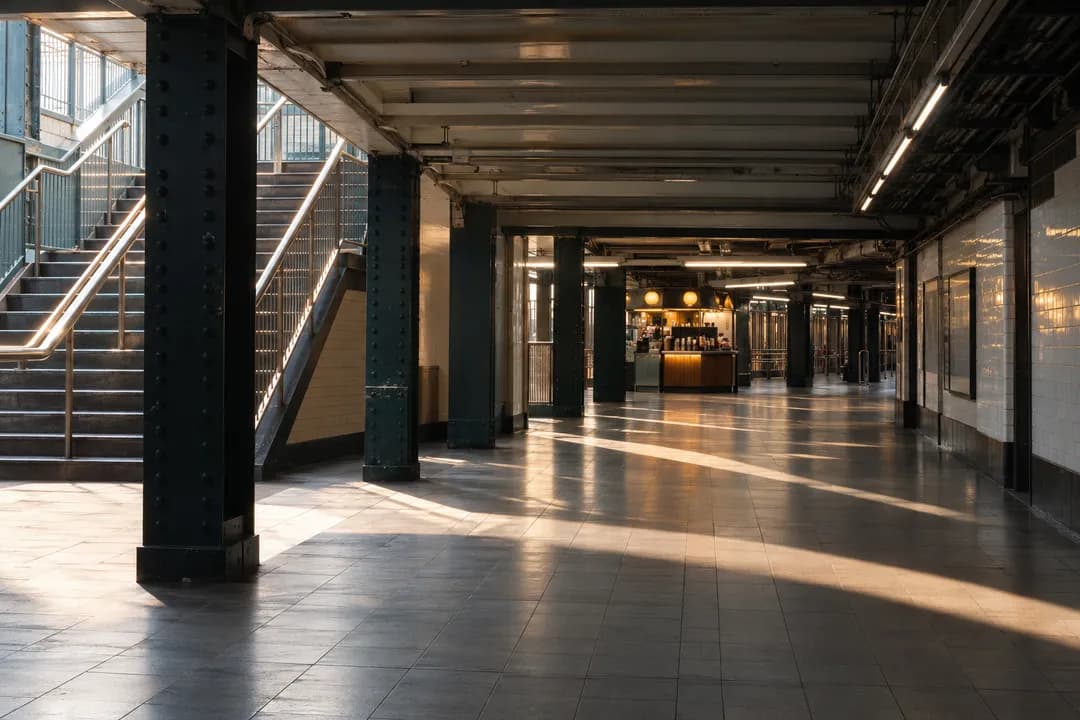
NYC Transit Pitstop Planner: Coffee Before Your Next Ride
Plan a subway coffee pause in NYC around your next platform and a firm leave time. Keep the paid-area boundary clear and coffee optional during the transfer.
The useful question is not which espresso has the highest rating. It is whether a drink can be reached inside the part of the station you already occupy. Set the starting concourse, the connecting line, and a personal limit such as twelve minutes. Tell Karpo APP that the pause must stay within the fare-paid route. That single boundary keeps a promising street cafe from becoming a second trip through turnstiles.
Start With the Barrier, Not the Beverage
Describe the handoff in plain language. Say whether you have luggage, a stroller, a companion, or a stair-free requirement. Explain which platform comes next and whether you need one hand free. The planner can then compare a counter that sits naturally along your movement with an option that requires backtracking. The answer should protect the transfer first and treat coffee as a bonus.
A station listing does not prove that a concession is open on your side of the gates. Treat an unconfirmed counter as a possibility, not as a promise. If the response cannot tell you where the barrier sits, ask for a plan that skips the purchase. A complete result may be a direct transfer with coffee after arrival. That is more useful than a polished recommendation you cannot reach.
Set a Realistic Cutoff
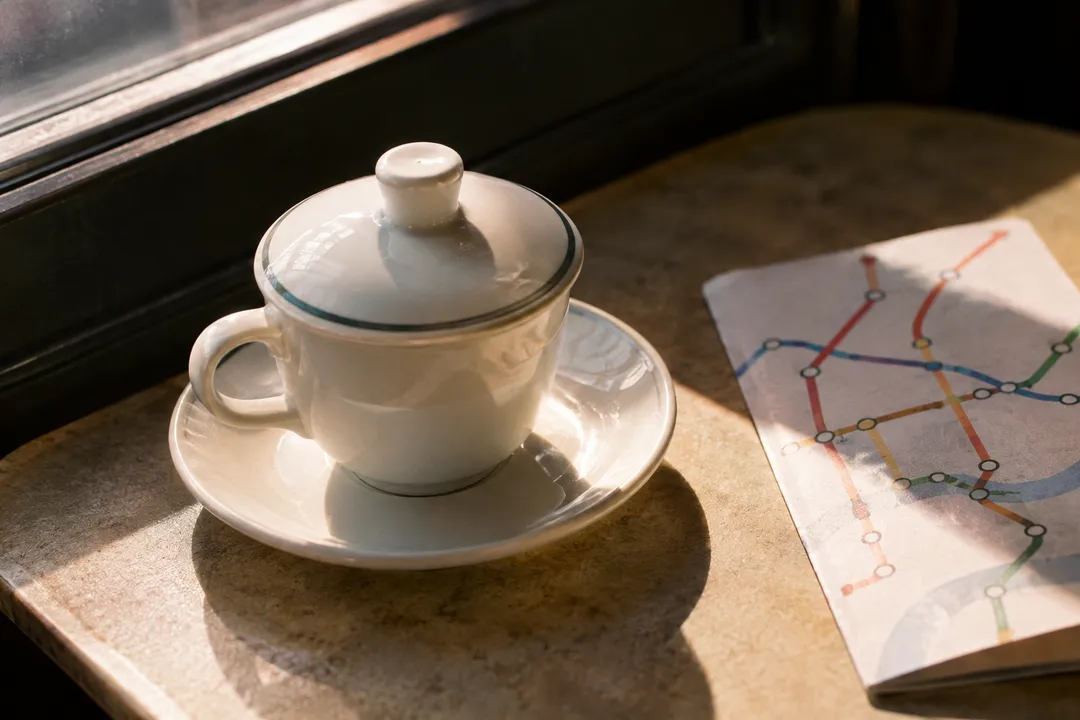
Keep the order deliberately small. A lidded drink is easier on a moving staircase than a ceramic cup, and a simple espresso or drip takes fewer choices than a customized group order. Only choose an item that the actual counter offers. Your time allowance covers walking, the queue, payment, preparation, and returning to the platform, not just the seconds at the register.
Watch the line before joining it. One person at the register can hide a long preparation queue, while a quiet counter can still be slow when one barista is working alone. Decide your abandonment point before paying: for example, leave if the queue reaches the next column or if the clock reaches your cutoff. A pre-set rule prevents sunk time from turning into a missed connection.
Check Access Before Ordering
A companion changes the calculation. Two people ordering separately can create two queues, two pickup waits, and a reunion problem at the stairs. Ask the planner to keep the group together and to use one meeting point on the same side of the gates. A no-coffee transfer is preferable to splitting the party when children, luggage, or mobility needs make a last-second regroup unsafe.
Use a narrow follow-up when the first answer is too broad. “Stay inside the paid area, avoid stairs, and give me a no-purchase fallback” is clearer than asking for every cafe near the station. You can also name the maximum spend or the moment you must leave. Those constraints turn a general search into a practical decision for this one transfer.
Keep the Carry Simple
Treat the result as a route brief, not live station control. Karpo APP can help organize the path you describe, but it does not watch a fare gate, elevator, queue, or train in real time. Keep enough margin to read signs and move at your own pace. If the station feels crowded, follow the simpler branch and postpone the drink.
When the coffee works, leave the counter with the next step already in mind. Keep your ticket or pass accessible, secure the lid, and walk directly toward the connecting platform. Do not add a pastry detour merely because you are already holding a cup. The best pitstop ends with you positioned for the onward ride, not browsing a second menu.
Read the Queue and Leave Early
A rainy day makes the boundary even more valuable. Wet stairs, umbrellas, and crowded mezzanines stretch a short walk. Ask for an indoor route and make the cutoff shorter than your normal allowance. If the transfer requires an outdoor gap, accept the no-purchase option. A dry, direct connection can be the real win on a weather-heavy commute.
For an early trip, use the same method with a stricter evidence rule. A counter that looks suitable may not be serving yet, and a closed shutter is not a reason to improvise outside the station. Ask for alternatives that fit the opening window you provide, then keep a shelf-stable drink as your backup. The plan remains useful even when the answer is “wait until arrival.”
Coordinate the Group
A good transit pitstop has a graceful exit. You know which corridor to follow, what would make you abandon the order, and where you will continue if the counter is unavailable. Save the scenario in Karpo APP if the same transfer repeats, then adjust only the time or mobility constraint next time. The point is a calmer connection, not a heroic sprint for caffeine.
A subway pause is successful when it leaves the rider with more margin than before. Describe the route in the order you will walk it, choose a counter only when access is clear, and keep the no-purchase branch visible. That sequence respects the practical reality of a New York connection: a small gain in caffeine is never worth turning a familiar transfer into a rushed crossing. Think of the scenario as a small contract with yourself: access stays inside the paid route, the clock remains visible, and the purchase is always optional. That framing makes the app useful on both rushed mornings and ordinary weekends. A practical brief should end with an easy instruction to leave. Once the cutoff arrives, take the onward path and revisit food later; there is no value in preserving a purchase that has already consumed its margin.
Refine the Request
If you repeat the trip, ask Karpo APP to remember the personal rule rather than a specific storefront. The rule can survive a changed entrance, a different train, or a crowded mezzanine. It keeps the planning conversation focused on your movement and lets you revise one constraint without rebuilding every decision. The saved rule also gives companions a shared language for deciding when to move on, which makes a busy platform less stressful.
For the next journey, retain the constraint that worked rather than treating today's experience as a permanent guarantee. Your useful note might be “coffee only on the paid transfer path, with a firm leave time.” A station concession or route can differ from what you encountered on another trip. The durable habit is the decision process: define the accessible area, protect the platform deadline and allow the coffee to disappear from the plan. Arriving with time to spare is still a successful pitstop decision.
Ask Karpo for more information.
Keep reading
- Layover City Walk Planner: Tribeca Cobbles to Hudson Sunset
 Layover City Walk Planner: Harlem Row Houses and Soul Food
 Layover City Walk Planner: Astoria Close to LaGuardia