 SoHo Tailor Alteration Shop Finder for Sample Sale Finds
Neighborhood Guides
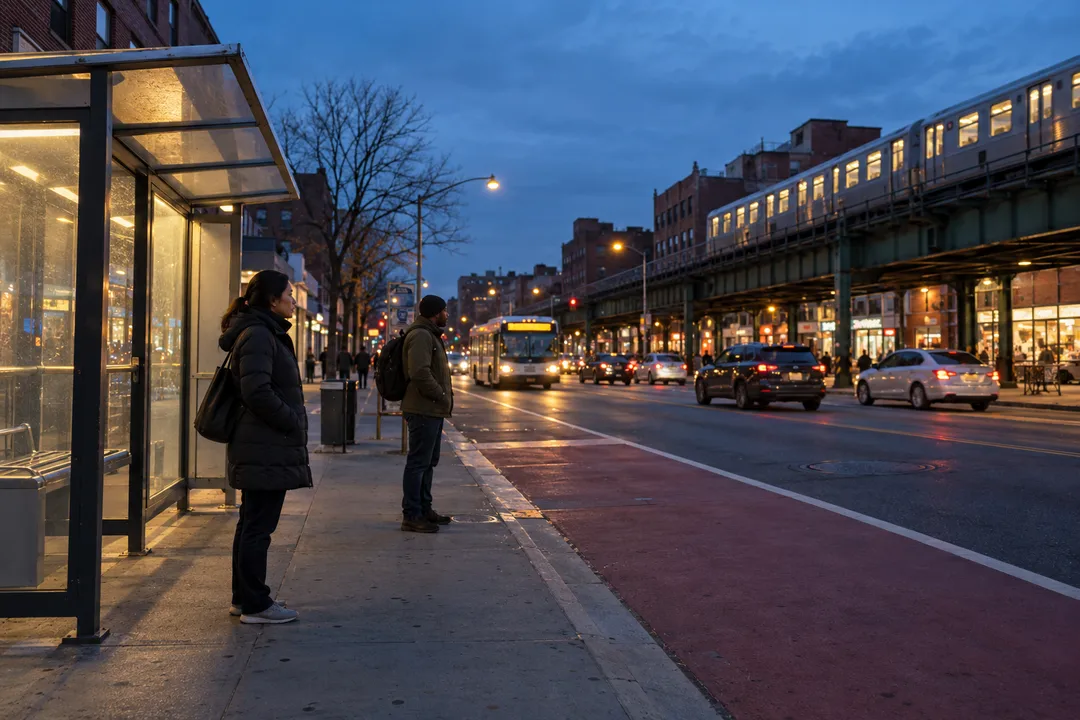
NYC Transit Pitstop Planner: 2 Queens Night Ride Options
Choose between a small Queens snack and continuing your night ride, using your own departure deadline to keep an optional food stop from becoming a detour.
A late Queens trip calls for two clear choices: get a small snack on the walking leg you already have, or keep moving and eat after arrival. This NYC transit pitstop planner starts with that fork instead of a long restaurant list. In Karpo APP, describe where you are, where you are going, and how much uncertainty you can tolerate tonight. A tired traveler who wants something small has a different problem from someone looking for a proper dinner. Make the size of the decision match the size of the need.
Say what “late” means tonight
Give the actual time and your intended destination rather than describing the whole borough as one convenient food district. Queens covers many different journeys; an appealing suggestion in the wrong part of it does little for your evening. Include the corner or station entrance you can identify and the direction you intend to travel. If you do not know your position precisely, get oriented first. A food search works better after the travel question has a usable starting point.
Distinguish a personal bedtime preference from a connection you cannot afford to miss. “I would like to be home soon” allows a different conversation from “I need to continue toward my final bus now.” Do not turn an uncertain departure into spare time. Use the transport information you actually have, and describe any gap in it plainly. The planning dialogue can help organize a choice without observing your vehicle, predicting its arrival, or establishing that another service will follow.
Option one is a small snack ahead
Try this request: “I am walking along the Queens route I have described. Suggest a small snack I could collect without reversing direction. I want something simple to carry, and I will leave if buying it would interrupt my trip.” Add your own appetite, dietary needs, and spending limit. This gives the conversation a practical task. It does not assert that a specific shop is trading tonight or that a particular item remains in stock.
The snack should solve hunger rather than create another activity. A piece of fruit, a wrapped item, or another manageable choice might suit you, depending on what is actually available. Avoid expanding the mission into a hot main course with multiple sides just because a recommendation looks interesting. The extra decisions matter when you are tired. You can reserve the more ambitious meal for a day when choosing it is the purpose of the outing.
Option two keeps the last leg intact
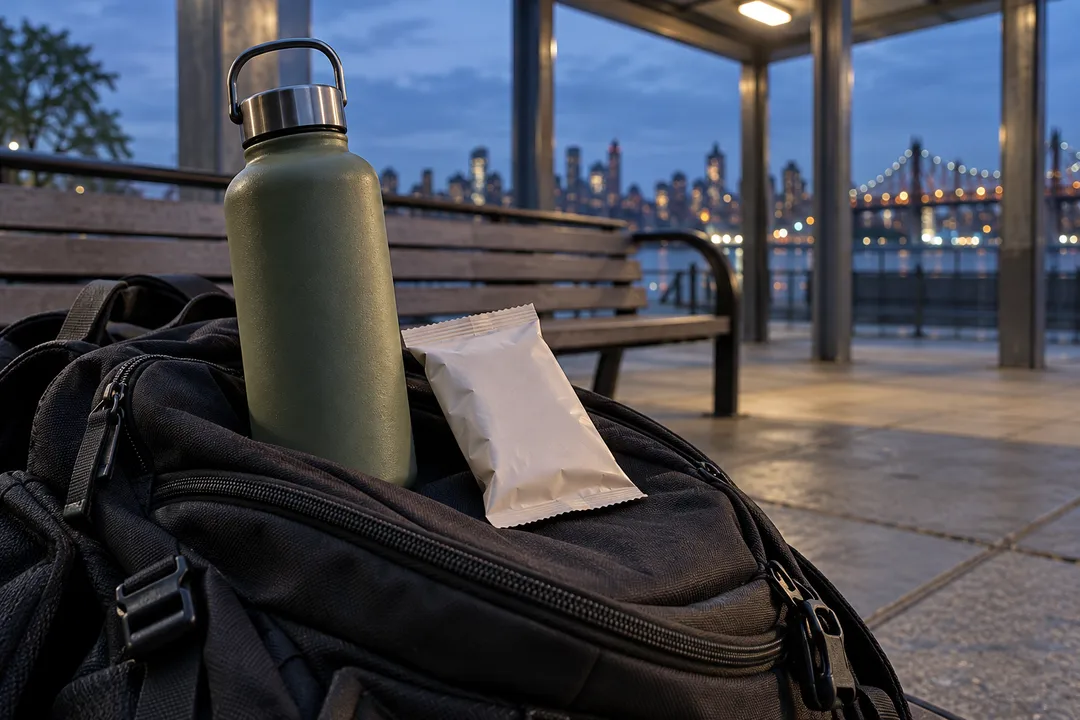
Continuing can be the better choice even when the snack option sounds pleasant. Perhaps you already have food at home, someone is expecting you, or the remaining walk is unfamiliar. Say which of these matters, and ask Karpo to help you compare the interruption against that priority. You do not need a second named shop for the alternative to be complete. “Travel first, eat what I already have” is a useful outcome with no commercial step attached.
Make this alternative specific enough to follow when the first one becomes awkward. Decide whether you will eat at your destination, use a snack in your bag, or ask a companion to keep dinner aside. These are arrangements you make yourself. The app's suggestion does not contact that companion or arrange access to their kitchen. A fallback is strongest when it relies on something within your control rather than another speculative stop farther along the route.
Keep tiredness out of the purchasing decision
At the end of a long day, a bright storefront can feel like a reason to change the entire trip. Pause somewhere appropriate before making that change, and ask what you are actually trying to fix: hunger, thirst, fatigue, or uncertainty about the route. Buying food addresses only some of those needs. If orientation is the problem, another food result can distract from it. Resolve the next travel step before deciding whether an optional purchase belongs beside it.
Give yourself permission to stop comparing after two choices. Scrolling through ten possible snacks can use the attention you wanted to save. Ask for the reason the first suggestion fits your walking direction, and the reason to reject it. A useful response might reveal that the approach is unclear or that your food preference needs another question. Treat that as information for deciding, rather than pressure to keep searching until a recommendation seems perfect.
Decide before joining a line
Choose a departure rule while you are still free to leave. You might decide that any preparation queue is too much tonight, or that you will purchase only something ready to take away. Those are your own rules, not claims about how fast a counter operates. If the actual ordering situation does not match them, continue. Time already spent looking at a menu does not create an obligation to buy something.
Keep a purchase compact. A snack and an extra drink may require two hands, which becomes inconvenient when you also need a handrail or have another bag. Use the water you brought if that is sufficient, and avoid opening food while walking through a crossing. A sealed package can wait until you have a suitable place to settle. The aim is to reach the end of the trip with fewer tasks competing for your attention.
Be precise about what a suggestion establishes
A food recommendation is an idea to evaluate. It is not an accepted order, a reserved item, or proof that a counter can accommodate an ingredient restriction. Where a recommendation includes a business, read the information actually provided instead of supplying missing details from imagination. If a feature is essential to you, such as a particular ingredient exclusion, speak to the business through its real ordering or contact channel before purchasing.
This distinction also applies to the journey. A shop's apparent proximity does not establish that it lies on the side of a station you are using. Ask the conversation to explain its proposed approach in relation to the entrance you supplied. If the explanation still leaves a major detour unresolved, choose the continuation option. You can leave a recommendation unused without needing to prove that the business itself is unsuitable for everyone.
Practical Notes for a quieter night trip
Prepare the essential details in one message: your Queens starting point, destination, appetite, carrying capacity, and the condition under which you will keep going. Avoid sending account details, payment information, or unnecessary personal information to explain a snack preference. Keep the final choice easy to remember after putting the screen away. One optional purchase ahead and one travel-first alternative are enough to make this particular decision.
When you arrive, notice which part of the plan helped. You may discover that a small snack was useful, or that fewer interruptions made the night feel easier. Record the preference rather than a permanent judgment about an area. The next trip may have a different destination, companion, or appetite. The repeatable lesson is to ask a smaller question when energy is low, then let the answer preserve your ability to finish the journey.
Ask Karpo for more information.
Keep reading
- SoHo Tailor Alteration Shop Finder for Sample Sale Finds
 Williamsburg Tailor Alteration Shop Finder for Bike Riders
 Upper West Side Tailor Alteration Shop Finder for Kids