 SoHo Tailor Alteration Shop Finder for Sample Sale Finds
Neighborhood Guides
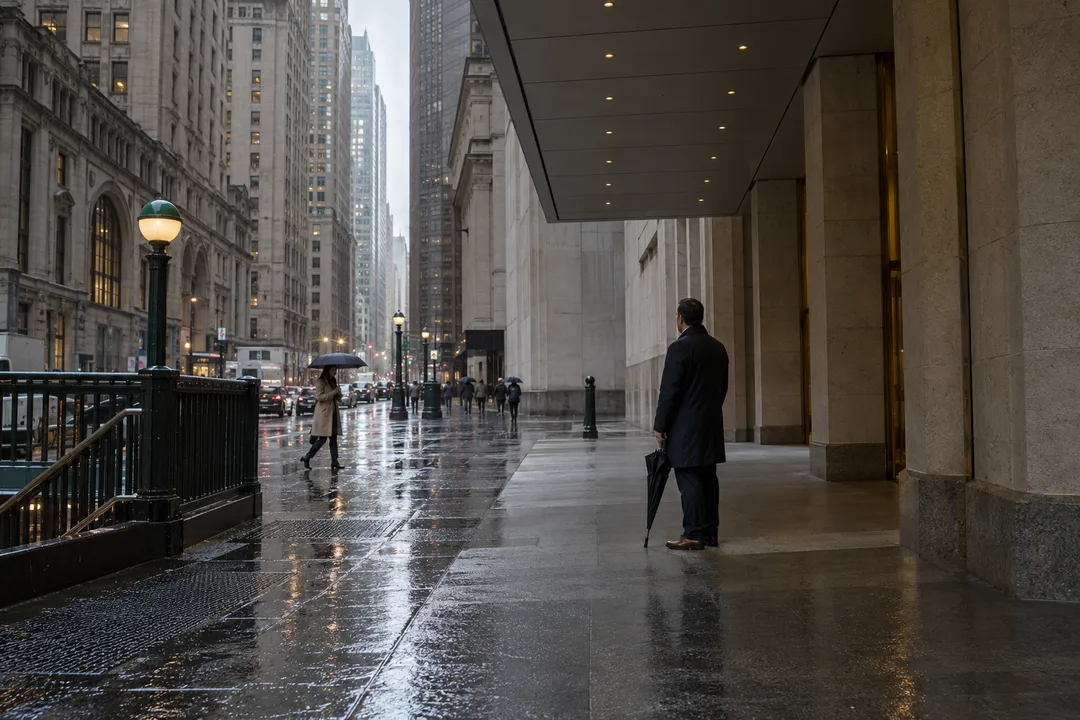
NYC Transit Pitstop Planner: 20-Minute Downtown Rain Plan
Use a personal 20-minute rain allowance in Lower Manhattan to weigh a food stop against wet bags, umbrella handling, and getting to your destination sooner.
Wet hands and an umbrella can make a small downtown food errand harder than the map suggests. This NYC transit pitstop planner uses a hypothetical 20-minute personal allowance in Lower Manhattan to decide whether the interruption is worthwhile. Ask Karpo APP about a pause along the walk you already intend to make, describing the rain gear and bags you are carrying. Put the handling problem first. A promising snack is useful only when you can reach it, buy it, and resume the journey without creating more work for yourself.
Locate yourself before opening the umbrella
Start the request while stationary somewhere appropriate. Supply the street corner or entrance you are using, your destination, and whether you are already outside. “Downtown” alone leaves too much ambiguity about the walking leg. A suggestion across several streets can feel close in a list while being inconvenient in the conditions you are experiencing. Give the conversation the actual endpoints so it can help compare a stop against the walk you already need to complete.
Describe the weather you can observe instead of asking the planner to observe it for you. You might be dealing with light rain, a wet backpack, or wind that makes umbrella use awkward. These are user-supplied conditions for the discussion. This page does not claim that Karpo monitors rainfall at your corner or knows whether a particular entrance is dry. The practical value comes from making the request fit what is happening around you.
Decide what the pause should accomplish
Rain can make shelter sound like the primary need even when you originally wanted food. Separate the two. If you need to manage a coat or close a wet bag, buying a drink may add an object before that problem is solved. Ask yourself whether you want refreshment, a rest, or simply a moment to organize. A food recommendation should follow the answer rather than become an automatic response to discomfort.
A focused prompt could read: “I am walking through Lower Manhattan between the points I supplied, carrying a shoulder bag and umbrella. Help me compare a simple food stop on that walk with going directly to my destination. I have set aside 20 minutes for an optional pause, including handling wet belongings.” Your number describes an allowance you chose. It does not promise that a counter will serve you within it or that the proposed approach has cover.
Give the umbrella a role in the plan
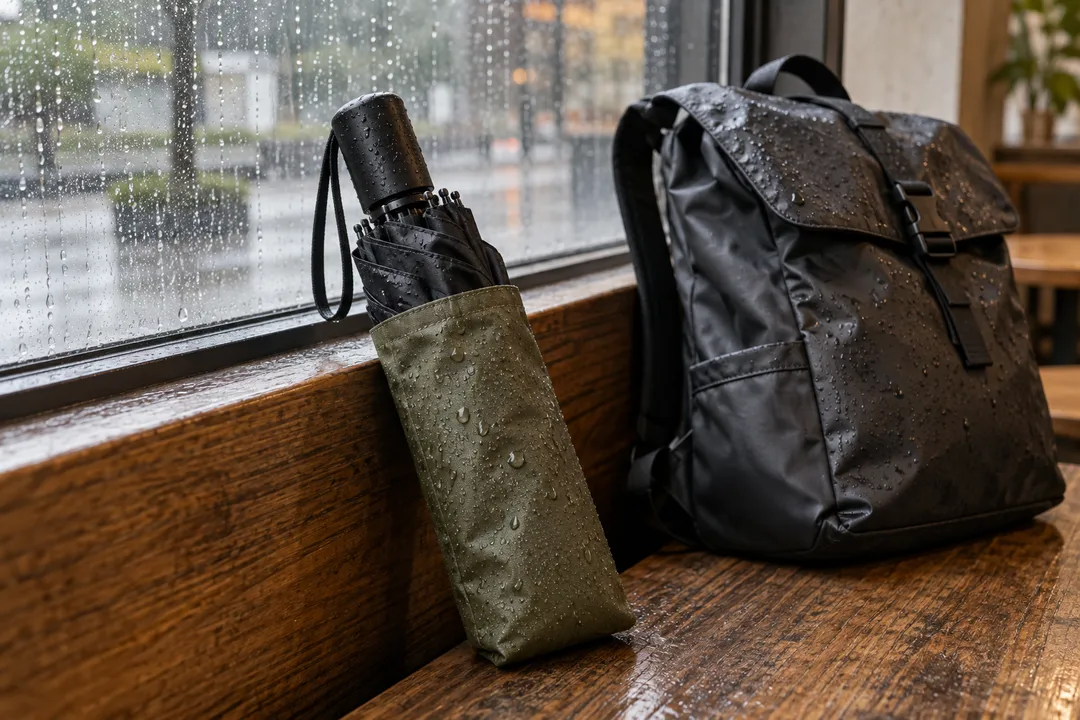
An umbrella occupies a hand while open and carries water after it closes. Think through the transition before choosing a purchase. Where can you close it without blocking people, and how will you hold it while paying? Do not assume a business supplies umbrella bags, storage, or a place to set belongings. A compact order may still be inconvenient if you cannot manage the objects you already have.
Keep the transaction simple when possible. Put payment materials within reach before approaching the counter, while keeping them secure as you walk. After buying, move clear before repacking. Avoid balancing an open cup beside a wet umbrella or placing a dripping item where someone else needs to sit. These are ordinary handling considerations, but stating them early can change whether a coffee stop is the best use of your limited pause.
Prefer a route you can explain
Ask why the suggested stop belongs on your specific walking leg. Look for an explanation of direction and any return journey rather than relying on an attractive photograph. A recommendation beyond your destination creates a different plan from one on the way. If the conversation proposes a diversion, ask what benefit justifies it in the rain. You may prefer to keep the original walk even if the alternative sounds more interesting on a dry afternoon.
Do not infer a continuous sheltered path from a few covered entrances. Each stretch between them still matters, and access to a canopy or indoor passage is not established here. If staying dry is essential to the decision, an unsubstantiated shelter assumption is a reason to choose another plan. Likewise, a step-free route requires real access information. A short distance alone does not establish that the approach works for someone using a mobility aid.
Select food after considering the load
A wrapped item can be easier to handle than a meal with cutlery, but packaging varies by purchase. Ask for the form you want and assess the actual container before paying. If you need a drink, consider whether your bag has a secure way to carry it. The article makes no menu claim about a named business. Its task is to connect your appetite with the number of things you can comfortably hold.
Skip the extra drink if it would turn a straightforward walk into a balancing exercise. That judgment is especially useful when you already have water and mainly need something to eat. Another option is to defer the entire purchase until you can put down your belongings. The best food idea is sometimes the one postponed to a more comfortable setting, where you can enjoy it instead of protecting it from spills and rain.
Keep the twenty minutes optional
Count the whole interruption, including entering, ordering, receiving the purchase, putting belongings back in order, and returning to the route. A small ordering queue is only one part of that sequence. Set a point at which you continue before making a payment. If the actual situation would absorb the allowance, choose the direct walk. You can abandon a proposed stop without needing an alternative shop for every possible complication.
Be careful about treating a destination lobby as the fallback resting place. Access and food rules belong to the actual host or venue, and a map pin does not create permission to enter. If you are heading to a friend's home, workplace, or appointment, use the arrangement you already have with them. The planning conversation can help you articulate that arrangement, but it does not secure entry or authorize eating there.
Practical Notes for arriving with less to manage
Keep the final message short enough to read while stopped: origin, destination, umbrella and bag situation, food need, and the reason you would cancel the pause. Ask for a direct comparison rather than a long list of rainy-day attractions. Once you have decided, put the screen away before continuing through crossings. Leave your attention on the street, your footing, and other people rather than trying to refine a menu choice while moving.
At the destination, settle the wet gear before unpacking food. Notice whether the optional stop helped or simply increased the things you were carrying. That observation can shape another request on a different day: perhaps one wrapped item works, or perhaps rain makes buying after arrival more sensible. The useful outcome is not proof that every downtown transfer can include a snack. It is a decision that fits the conditions you supplied and leaves you able to complete your original journey.
Ask Karpo for more information.
Keep reading
- SoHo Tailor Alteration Shop Finder for Sample Sale Finds
 Williamsburg Tailor Alteration Shop Finder for Bike Riders
 Upper West Side Tailor Alteration Shop Finder for Kids