 SoHo Tailor Alteration Shop Finder for Sample Sale Finds
Neighborhood Guides
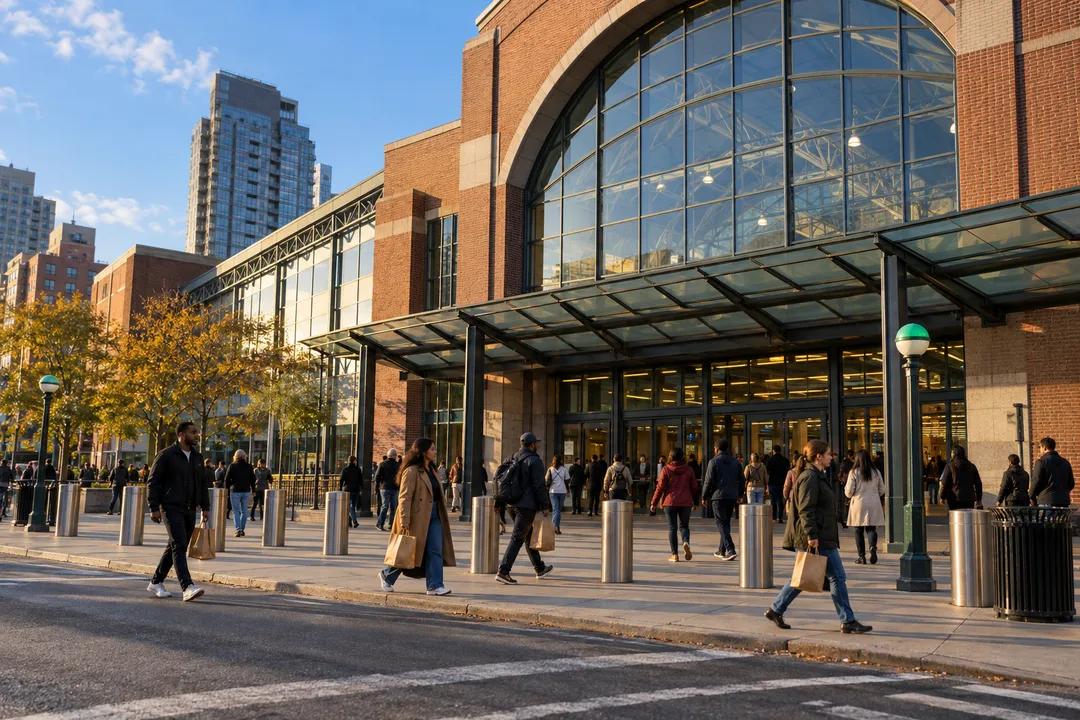
NYC Transit Pitstop Planner for Dinner Before Your Train
Organize an Atlantic Terminal dinner pickup around your LIRR journey, with one collection point, secure packaging, and a clear return to the train.
Dinner on the way home is easiest to imagine when you are hungry and hardest to organize when you are already changing trains. Around Atlantic Terminal, the useful question is not how many takeout options exist nearby. It is which pickup, if any, fits between your arrival and your intended LIRR journey. This Brooklyn transit pitstop planner uses practical questions to build that decision in the Karpo APP. Start with the trip and the people you are feeding, then give dinner a defined place in the evening.
Which train journey should anchor the pickup?
Use the LIRR itinerary you actually intend to take from Atlantic Terminal, including any onward connection shown for your destination. Do not assume that every Long Island destination has a direct train from the Brooklyn terminal. The MTA's schedules and TrainTime are the appropriate sources for the rail journey. In your planning request, include the station you need to reach and the departure you have chosen. A dinner route can then end at the correct boarding task instead of vaguely returning you to the Atlantic Avenue area.
Your arrival mode also matters. Walking from work, coming up from the subway, and arriving on another train can put you at different starting points for the errand. Tell Karpo where the food search should begin. If you know the exit you will use, include it. If you do not, describe the incoming line and ask for the departure point to be made explicit before choosing a pickup. This reduces the chance of a route that starts across the complex from where you are standing.
How much dinner can you carry comfortably?
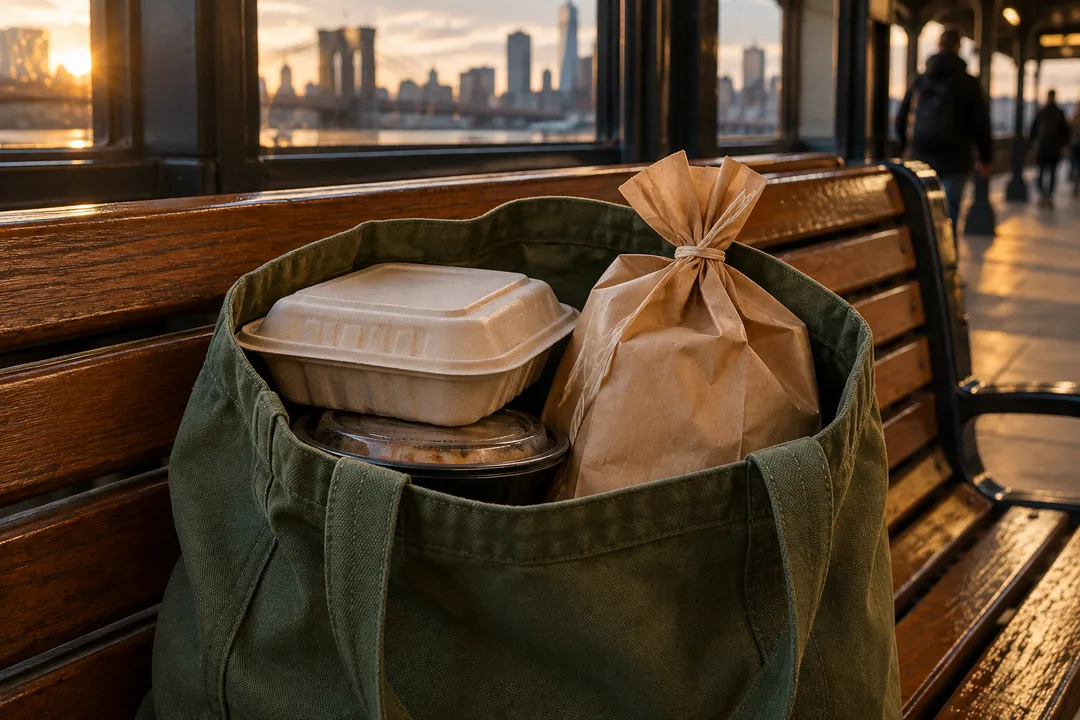
Describe the number of meals, any dietary constraints, and whether you are carrying a laptop bag or other shopping. “Dinner for two in one tote, with no soup and no separate drinks” is a useful brief. It tells the planner how to reduce awkward items without claiming that a particular merchant has a dish available. You can also say whether the meal will be eaten immediately after the journey or later at home. That affects the packaging you will want to consider.
Food that travels in two closed containers presents a different carrying problem from a collection of open trays and drinks. Ask for a simple meal format before comparing cuisines. If the journey is long and food safety is a concern, choose an appropriate insulated carrier or a different purchase plan. A conversation about the route does not establish how a merchant packages food or how long it can safely sit in your bag. Keep those practical needs visible as you make the selection.
Is ordering ahead necessary for this plan?
You can plan a pickup without assuming an order has been placed. If you choose to order, use the merchant's own ordering process and keep the stated pickup details available to you. The Karpo request can organize your timing and preferences, but a suggested restaurant or route is not an order receipt. Do not travel to a counter on the assumption that a planning conversation automatically reserved food, submitted payment, or secured a pickup slot. Make the action you have actually completed explicit in your own notes.
Ordering ahead also does not remove the need for a collection allowance. You may have to identify the correct queue, give an order name, and pack the bag before leaving. Allow time for that transition. If you have not ordered, describe the stop as a purchase attempt and set a queue limit. Those two cases deserve different plans. Treating both as an instant handoff creates an unrealistic gap between the food suggestion and the train you intend to board.
What should the Karpo request include?
Try: “Help me arrange a dinner pickup near Atlantic Terminal before my LIRR journey to my destination. I will arrive from the subway line I have listed. I need two meals that fit in a single tote, with no separate drink, and I want to preserve a boarding buffer. Prefer one collection point along a short out-and-back walk. Give me a simpler fallback if the pickup cannot fit. I have not placed an order.” Add the actual destination, departure, and available minutes.
If you already hold an order confirmation, replace the final sentence with the merchant and pickup time you were given. Ask the planning conversation to work around that fixed commitment instead of generating another restaurant list. If the return route feels indirect, request a different pickup area. If the food format is cumbersome, reduce the order before adding another bag. Each revision should solve the obstacle you can name, keeping the conversation grounded in the journey rather than expanding the evening into a food tour.
How much time belongs to the return?
Reserve time to reach the terminal, read the departure information, and get to the train without juggling payment and dinner. Your allowance should reflect familiarity with the area and your own walking pace. A map's walking estimate is not the same as the whole pickup. The stop also includes finding the entrance, waiting at the counter, collecting the right bag, and reorganizing belongings. Add those tasks before deciding whether the trip fits the gap between trains.
Choose a latest departure from the pickup area. If the food is not ready by that point, you have a real choice between a later train and abandoning or changing the dinner plan through the merchant's process. A planner cannot make that tradeoff disappear. Decide which priority wins before you are standing at the counter. You can ask for two versions, one keeping your selected departure and another allowing a later service, so the cost in time is clear.
What happens if someone else joins the order?
A message from home can expand dinner just as you are heading back. Keep additions within the same carrying and time limits. If another meal changes the collection time or adds a second restaurant, treat it as a new plan. You can tell Karpo: “Keep the original departure and pickup point, but adjust the food list for three people.” If that does not fit, explain the limit and choose a later grocery or meal solution. One person's extra dish should not silently rewrite the whole transfer.
For a shared pickup, put the order name, number of bags, and necessary utensils together in your own collection note. Avoid distributing one meal across several bags that are difficult to count. At the counter, make sure the items you have collected match your receipt, then move aside before arranging them for travel. These are personal organization habits. They do not require a promise that Karpo can monitor the kitchen, message the merchant, or update another person's order automatically.
When is skipping the pitstop the better answer?
Skip it when the return path is unclear, the carrying load is unsuitable, or the food attempt would use your boarding margin. You can still ask for a meal near the destination station or a shopping stop after the train ride. The final dinner plan should leave you knowing what action you have taken, what remains yours to do, and which rail journey you are protecting. That clarity makes Atlantic Terminal a possible pickup point without turning an evening transfer into a string of last-minute guesses.
Ask Karpo for more information.
Keep reading
- SoHo Tailor Alteration Shop Finder for Sample Sale Finds
 Williamsburg Tailor Alteration Shop Finder for Bike Riders
 Upper West Side Tailor Alteration Shop Finder for Kids