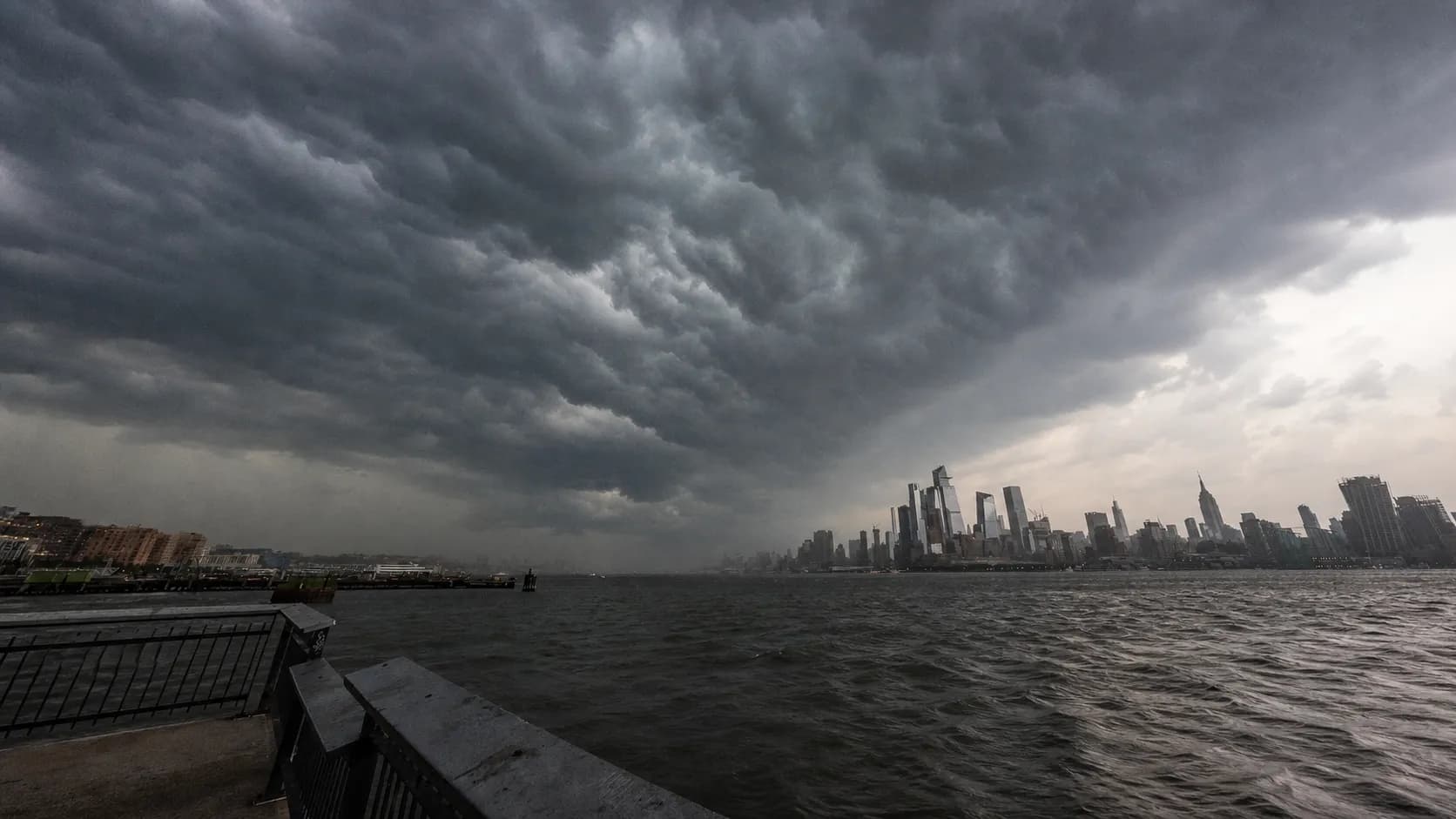
A tornado watch and a tornado warning are not two versions of the same casual weather update. In New York City, the distinction changes what you should do next. The National Weather Service uses a watch when conditions are favorable for tornadoes in or near the watch area; a warning means a tornado has been reported or indicated by weather radar and immediate protective action is needed. Dense buildings do not make the five boroughs immune, and summer thunderstorms can move faster than a commute, dinner reservation, or outdoor plan can adjust.
Text Karpo with your borough, current plan, and travel window for a fast weather-aware backup that keeps you near sturdy indoor shelter.
A watch is preparation time; a warning is action time
During a tornado watch, continue monitoring official alerts and reduce the number of decisions you would need to make later. Charge your phone, identify the strongest nearby building, and decide where you would go inside your apartment, office, restaurant, gym, or venue. If you are planning a waterfront walk, rooftop drink, park picnic, ferry ride, or outdoor concert, the watch is the moment to replace the most exposed part of the plan—not the moment to wait outside for dramatic clouds.
A tornado warning is different. Do not use the warning period to compare radar apps, finish errands, or travel across town toward home. The National Weather Service advises moving to an interior room on the lowest floor of a sturdy building, away from windows. In a high-rise, that often means an interior hallway, stairwell area, bathroom, or small windowless room on the lowest level you can reach safely. Put as many walls as practical between you and the exterior.
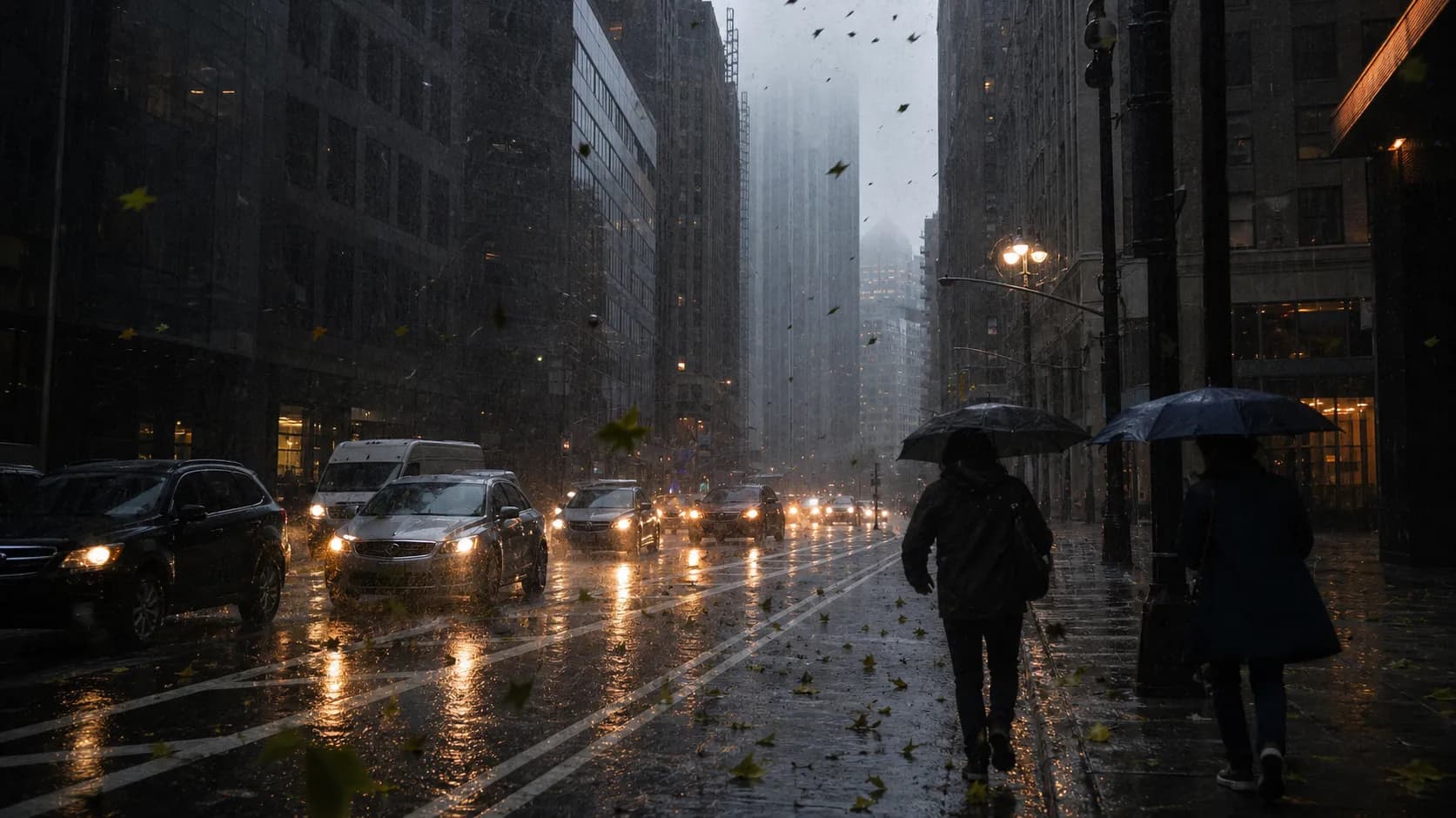
NYC architecture changes the shelter decision
New Yorkers rarely have a basement available at the exact moment an alert arrives. The useful question is therefore not whether your shelter matches a suburban diagram; it is whether you can quickly reach a more protected interior space. Glass-heavy lobbies, atriums, rooftop rooms, sidewalk sheds, temporary tents, parked cars, and open train platforms are poor choices. A small interior room in a substantial building is usually the better move, even if it feels less comfortable than watching the storm from a window.
If you live above street level, avoid elevators once severe weather is imminent because power can fail and crowded elevator banks can slow movement. Move away from exterior walls and large windows. Use shoes, a bike helmet or other head protection if available, and keep a flashlight nearby. People with mobility needs should identify an accessible interior refuge before storms arrive and ask building management how alerts and emergency movement are handled. A workable plan made early beats a perfect plan discovered too late.
Your location matters more than your original itinerary
On the subway, follow MTA and station staff instructions and avoid leaving a protected underground station just because your surface destination is close. An outdoor elevated platform is not the same as being underground. If you are on a bus, in a taxi, or driving when a warning is issued, the safest option is generally to reach the nearest sturdy building rather than racing the storm or stopping beneath an overpass. Never shelter under highway overpasses, where wind can intensify and traffic creates additional danger.
Ferries, beaches, piers, parks, bridges, and waterfront greenways deserve earlier decisions because shelter can be far away. During a watch, check the walking time to a substantial building and leave before the weather reaches you. During a warning, do not try to document the skyline, find a better viewpoint, or walk several blocks toward a preferred venue. Use the closest credible shelter available and wait for official information before resuming the plan.
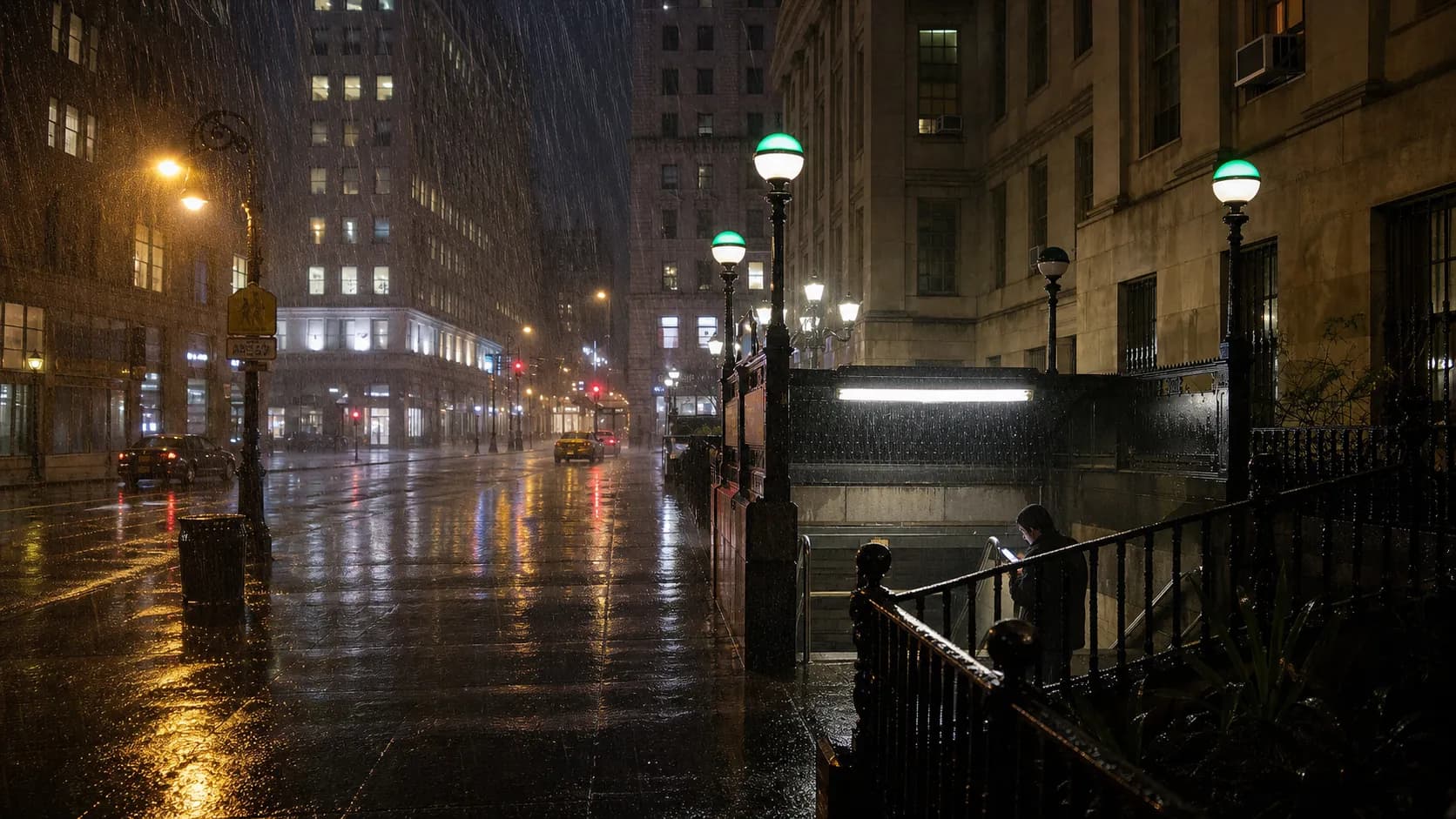
Build an alert stack that does not depend on one app
Start with Wireless Emergency Alerts enabled on your phone, then add Notify NYC for city-specific emergency information. Follow the National Weather Service New York office for official warnings and forecast updates. A commercial radar app can help visualize motion, but it should not replace an official warning or become an excuse to delay action. Location permissions, battery-saving settings, silent mode, and poor reception can all interrupt alerts, so use more than one path when severe weather is possible.
In a group, appoint one person to monitor official alerts and one person to handle the practical switch: cancel the rooftop, move the dinner indoors, call the car earlier, or identify the nearest safe building. This prevents six people from refreshing six different maps while nobody acts. If you manage a venue or host friends, say the shelter location out loud before conditions deteriorate. Clear instructions reduce the social hesitation that often keeps people near windows or outside too long.
What to do after the warning expires
An expired warning does not automatically mean the trip is safe to restart. More storms can follow, streets can flood, trees and scaffolding can be damaged, and transit can remain disrupted. Check for additional warnings, local emergency messages, service changes, and hazards around the building before leaving. Do not touch downed wires or enter standing water near electrical infrastructure. Photographing damage can wait until you are in a safe position and officials have not restricted access.
If you receive conflicting information, give priority to the most recent official alert for your location. A social post from another borough, an old radar screenshot, or a video without a timestamp may describe a different storm cell. Tornado warnings are usually geographically specific and time-limited. Read the alert area and expiration time, but treat the warning as an instruction, not a prediction contest. The safest response is fast, simple, and temporary: get inside, get away from windows, protect your head, and keep monitoring.
Practical notes
Before the next storm day, enable emergency alerts, subscribe to Notify NYC, save a battery pack, and identify one interior shelter spot at home plus one near your regular workplace or campus. During a tornado watch, move exposed plans indoors and keep official alerts visible. During a tornado warning, stop traveling if you can do so safely and use the nearest sturdy building. This guide is general preparedness information, not a substitute for instructions from emergency officials, building staff, first responders, or the National Weather Service during a live event.
Tags: #TornadoWatch #TornadoWarning #NYCWeather #SevereWeather #NewYorkCity #NotifyNYC #WeatherSafety #EmergencyPreparedness #Manhattan #Brooklyn #Queens #Bronx #StatenIsland #AskKarpo
Sources consulted: National Weather Service: Tornado Watch vs. Warning · National Weather Service: During a Tornado · NYC Emergency Management: Notify NYC · Ready.gov: Tornadoes
All trademarks are the property of their respective owners.
Ask Karpo first
Tell Karpo where you are, whether your plan is indoors or outdoors, and when you need to move. Karpo can help narrow the nearest realistic indoor backup while you continue following official emergency alerts.