 SoHo Stationery Shop Gift Picker for a New Job Desk
Hidden Gems & Odd Finds
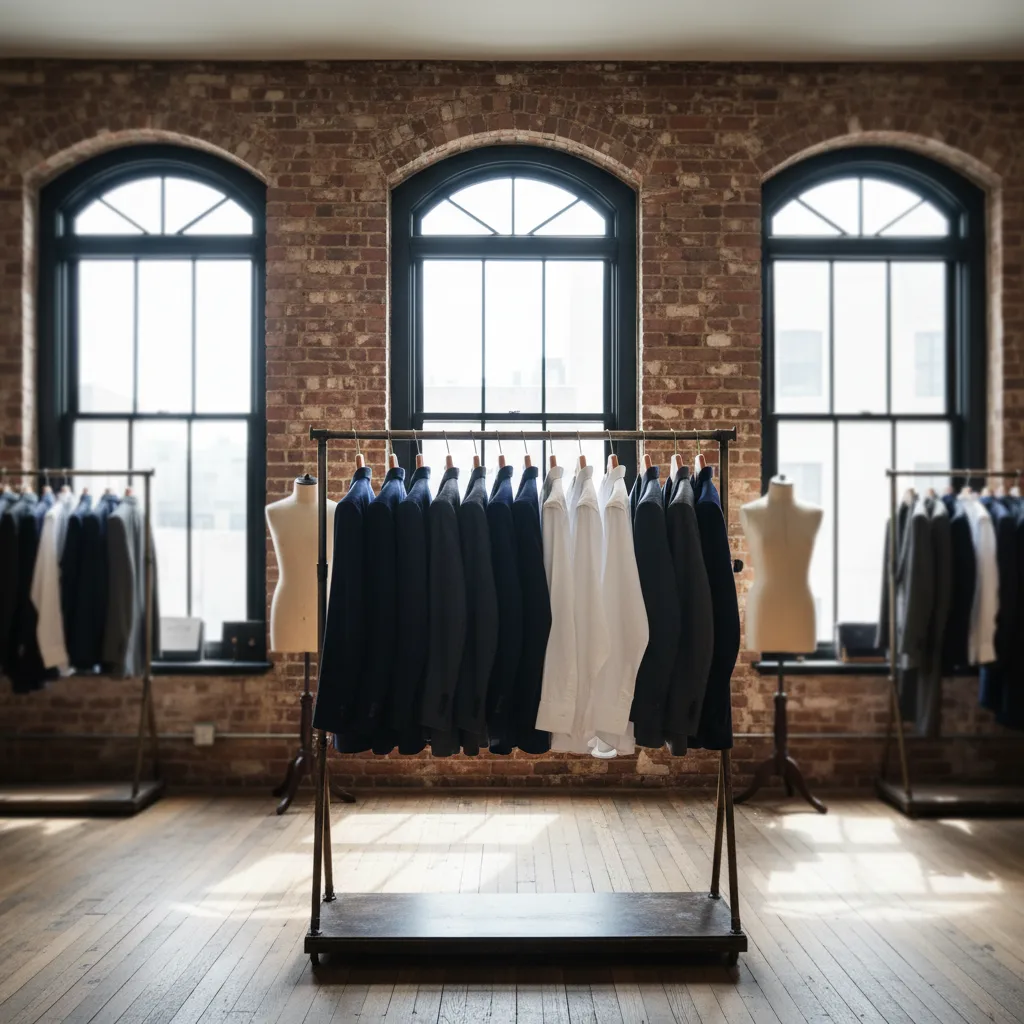
Tribeca Thrift Store Crawl Planner: An Interview Outfit
Plan a Tribeca thrift crawl to build one interview outfit: blazer first, then trousers, shirt and shoes, with a tailor check and a Hudson pier walk at the end.
Tribeca is not the first place people picture for a thrift store crawl, and that is exactly why it works for one specific mission: an interview outfit. The neighborhood's residents give away well-made workwear, and the secondhand and consignment racks within walking distance, from the loft blocks down here to the busier streets around Canal and lower Broadway, hold more navy blazers than band tees. This thrift store crawl planner turns one morning into a complete, interview-ready look.
Why Tribeca Works for Workwear
Tribeca and the surrounding financial and civic blocks are full of people who wear tailored clothes to work and replace them often. When a closet gets cleared after a promotion, a move or a career change, those blazers and trousers tend to go to resale and charity racks nearby. The result is a crawl where wool, cotton and good construction show up far more often than in neighborhoods known for vintage streetwear.
The shopping is also calmer. Weekday mornings on these cobblestone streets are quiet, and the shops that carry secondhand clothing nearby rarely have the weekend crowds of SoHo or the East Village. That matters when you need to try on six blazers in a row and look at yourself honestly in the mirror. A crawl here feels more like a fitting appointment than a treasure hunt.
Decide What the Interview Needs
Before leaving home, look up how people dress at the company you are visiting. A law firm, a design studio and a restaurant group all expect different things. Pick a lane: a full matching suit, a blazer with contrasting trousers, or a smart shirt and knit with good shoes. Writing down that one choice keeps the crawl focused and stops you buying a flashy jacket that fits no interview at all.
Bring the clothes you already own that might work, or photos of them. If you have good shoes, you only need the jacket and trousers. If you have a reliable white shirt, build around it. Knowing your measurements helps too: chest, waist and inseam written in a note on your phone save a lot of guesswork when labels are missing or the sizing is from another country.
Stop One: Start with the Blazer
The blazer sets the tone, so hunt for it first while your energy and patience are fresh. Go straight to the jacket rack and pull anything in navy, charcoal or a quiet grey. Ignore color experiments for now. Shoulders are the one thing a tailor cannot easily fix, so try each jacket on and check that the seam sits at the edge of your shoulder, with no divots or collapsing fabric below it.
Look at the inside label for fabric content, and favor wool or wool blends for an interview. Check the lining for tears near the armpits and the pockets for loose stitching. A jacket that fits through the shoulders but runs a little long in the sleeves is a good buy, because sleeve length is a simple alteration. A jacket that is tight across the back is not, no matter how nice the fabric.

Stop Two: Trousers and Skirts
With the blazer in your bag, the next stop is about trousers or a skirt that work with it. You are not looking for an exact match; a darker or lighter neutral often looks more deliberate than a near miss. Hold the jacket next to each pair under the shop's best light, ideally near a window, because overhead lights can make navy and black look almost the same.
Try them on with the shoes you plan to wear, or at least imagine the height. Check the waist first, since hems are easy to adjust but a waistband that pinches will distract you for the entire interview. Look for even wear at the seat and knees, and walk past trousers with shiny patches from heavy use. A pair with deep hems has room to be let down if you are tall.
Shirts, Knits and the Small Pieces
Shirts and fine knits are where thrift shopping saves the most money and the most time. Racks often hold crisp cotton shirts that were barely worn, sometimes still with sharp creases from the original packaging. Check the collar and cuffs for yellowing or fraying, and hold the fabric up to the light to spot thin areas. A merino crew neck can replace a shirt and tie for creative interviews.
The small pieces finish the look. Belts, ties and scarves usually sit in a basket near the register, and a plain leather belt or a quiet silk tie is easy to pick out. Leave novelty prints for another day. If you need a bag, look for a structured leather or canvas tote that holds a folder of printed resumes without bending them. Small details read as preparation to an interviewer.
Who Shops These Racks
On a weekday morning you might share the aisles with a recent graduate holding a printed job posting, a retiree donating her late husband's suits and staying to chat with the staff, and a stylist pulling pieces for a client shoot. There are also career changers, people moving from hospitality or retail into office work, who know exactly what they want and move quickly.
The shared etiquette is simple. Return items you tried on to the staff or the right rack, do not hog the single fitting room when others are waiting, and ask before moving items from a display mannequin. Staff at these shops often know what came in recently, and a polite question such as whether any suits arrived this week can lead you straight to the back room rack.
A Tailor Check Before You Pay
Before committing to the blazer and trousers together, stand in front of the mirror and decide what needs adjusting. Sleeves, hems and a little at the waist are routine alterations at most neighborhood tailors. Taking in the back of a jacket or reshaping shoulders is costly and rarely worth it on a thrift find. If you need more than two alterations, put it back and keep looking.
Ask the tailor how much time they need before your interview date. Many small shops in Lower Manhattan can turn around a hem quickly, while busier ones need a few days. Plan the crawl for early in the week if the interview is soon. A good tailor turns a decent secondhand jacket into something that looks custom, and that confidence shows in the interview room.
What to Skip
Skip anything that needs dry cleaning to remove stains you cannot identify, because a stubborn mark on a lapel will never fully disappear. Skip shoes with worn heels unless you already know a cobbler, and skip shirts that are slightly too small with a plan to lose weight. Fit today is what matters, since the interview is coming soon and will not wait for a better week.
Also skip the urge to buy a full professional wardrobe in one morning. The goal is one outfit that works perfectly. Once you have the job, you can return for a second jacket, a different color of trousers and a few shirts. A focused first crawl is lighter on the budget and easier to carry, and it leaves room for the excitement of round two.
Finish at the River
Once the bag is full, walk west to the Hudson River piers and sit on a bench with the water in front of you. It is one of the calmest places in Lower Manhattan, with joggers, dog walkers and the occasional ferry passing. Use the moment to run through your interview answers out loud, or simply to breathe after a morning of decision making in fitting rooms.
If you still need lunch, the side streets heading back toward Greenwich Street have quiet cafes where you can sit with a coffee and lay out the outfit in your mind. Some people bring a garment bag so the blazer does not crease on the way home. Hang everything as soon as you arrive, steam out the wrinkles, and try on the full look once more.
Plan the Route with Karpo
The resale and charity shops around Lower Manhattan change their stock constantly, so the best route depends on the week. Open the Karpo APP and ask for secondhand clothing and consignment shops near Tribeca, Canal Street or the Financial District, then pick three that fit a walking loop. Karpo can also point you toward a tailor close to your last stop so the alterations get dropped off the same morning.
If the interview goes well, plan a second crawl for the first week of work, this time looking for a different blazer and a pair of comfortable office shoes. Building a wardrobe slowly from secondhand pieces means each item gets chosen with care. And when someone compliments your jacket, you get to tell them it came from a Tribeca thrift rack.
Ask Karpo for more information.
Keep reading
- SoHo Stationery Shop Gift Picker for a New Job Desk
 SoHo Consignment Shop Crawl Planner: Designer Handbag Checks
 Williamsburg Stationery Shop Gift Picker for Office Swaps