 Brooklyn Paints Pottery Painting: Saturday Bed-Stuy Plans
Weekend Plans
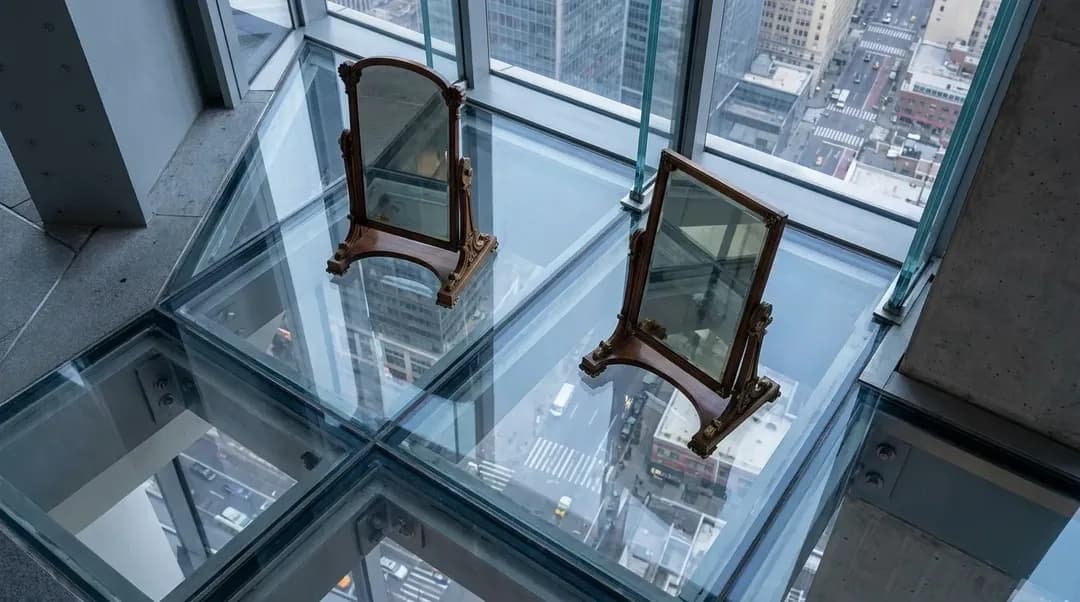
The Edge NYC or Summit: Which Observation Deck Wins?
The Edge delivers drama with its glass floor and outdoor air; Summit offers interactive art but costs more and feels indoors.
Summit One Vanderbilt sits higher—1,401 feet versus The Edge's 1,131. That number drives ticket sales. But height means nothing if you're staring at mirrored walls instead of the city. The Edge at Hudson Yards hangs you over the street on a triangular glass platform with nothing between you and the pavement except air and a 79-floor drop. Summit wraps you in reflective installations and sends you through rooms where the view competes with the art. If you want to feel the city below you, The Edge wins. If you want Instagram backdrops and a climate-controlled experience, Summit delivers that.
Text Karpo before you buy tickets. It'll check current wait times at both decks, pull today's visibility forecast, and route you to whichever one makes sense for your schedule.
Most visitors pick wrong based on height alone
The Edge opened in 2020; Summit followed in 2021. Both charge steep admission—expect to pay between fifty and seventy dollars depending on time slots, and Summit's peak tickets push higher. Neither offers student or senior discounts worth mentioning. Check each venue's own site for current pricing because dynamic pricing shifts rates on weekends and sunset hours. The Edge NYC sells timed entry; Summit does the same. Book ahead or you'll wait in a lobby watching other people board elevators.
The real decision comes down to what you want from the experience. The Edge new york gives you wind, weather, and vertigo. You step onto an outdoor deck where the glass floor extends past the building's edge. On a clear day you see past the Statue of Liberty to Staten Island. On a windy day you feel every gust. Summit keeps you indoors for most of the climb, then opens onto a smaller outdoor ledge on the 93rd floor. The views are excellent—Grand Central Terminal spreads below you like a model—but you spend more time in curated rooms with mirrors and sound installations than you do looking at the skyline.
Getting there without losing an hour to transfers
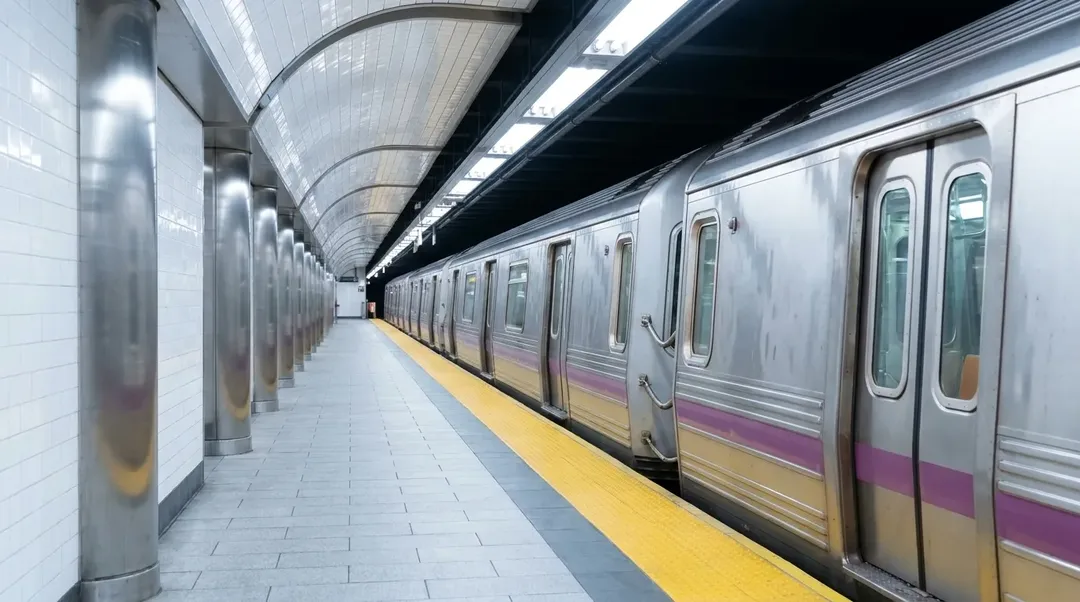
The Edge sits at Hudson Yards, accessible via the 7 train to 34th Street–Hudson Yards. That's the western terminus, so no risk of missing your stop. From Bushwick, take the L to Union Square, transfer to the 4/5/6 uptown, then switch to the 7 at Grand Central. Total time runs close to an hour if trains cooperate. The 7 gets crowded after 4 p.m. on weekends when people head to the Vessel plaza and the shops. If you're coming during peak hours, position yourself near the doors at Grand Central because the platform at Hudson Yards is narrow and slow to clear.
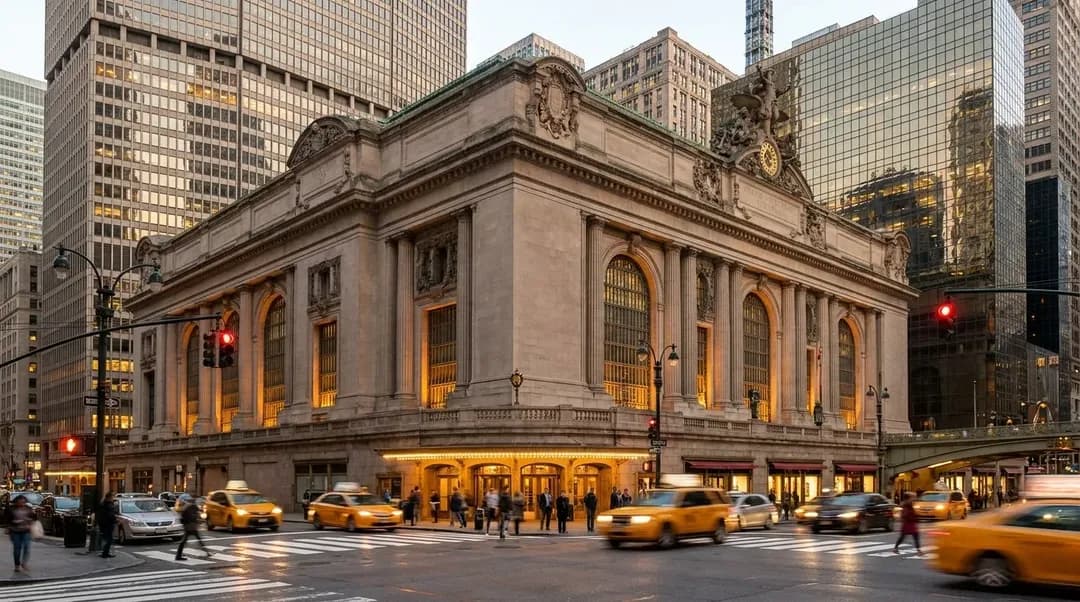
Summit One Vanderbilt is at 42nd and Madison, right above Grand Central. If you're already transferring through Grand Central for The Edge, Summit is the simpler stop—just walk upstairs. From Bushwick, the same L to Union Square, then the 4/5/6 straight to 42nd Street. You save fifteen minutes and a transfer. The entrance sits on the east side of Vanderbilt Avenue; don't follow the main Grand Central tourist flow or you'll loop through the terminal twice. Late-night service on the 7 slows to every twenty minutes after 10 p.m., so if you're catching sunset at The Edge, confirm your return train timing before you go up.
Both decks sit in Midtown, which means weekend crowds and slow-moving sidewalks. The Edge nyc area around Hudson Yards fills with shoppers and people taking photos of the Vessel, even though climbing it is closed indefinitely. The plaza is wide but the subway exit funnels everyone onto a single escalator. Summit's entrance is quieter but the Grand Central concourse is always packed. If you're planning this as a weekend outing, go early—before 11 a.m.—or after 7 p.m. when tour groups thin out.
Skip both if you hate tight spaces or long waits
The Edge requires you to stand in a small elevator vestibule before boarding. If six people are in your group, it feels fine. If twelve strangers pack in, it's shoulder-to-shoulder for a sixty-second ride. The deck itself is open, but the entry and exit corridors are narrow. Summit is worse for claustrophobia. You move through a series of dim rooms with mirrored ceilings and floors designed to disorient you. One room, Transcendence, suspends you on a clear box over a mirrored void. It's striking, but if enclosed reflective spaces make you uneasy, you'll spend half the visit trying to find the exit.
Wait times spike unpredictably. Both decks use timed tickets, but they overbook slots and let people linger. On a Saturday afternoon in decent weather, expect a twenty-minute backup even with a reserved time. The Edge posts a capacity limit but doesn't enforce strict turnover, so sunset slots stack up. Summit's interactive exhibits slow the flow—people stop to take photos in every mirrored room. If you're on a tight schedule or need to catch a train by a specific time, add thirty minutes of buffer to whatever your ticket says.
Neither deck works well in bad weather, despite being enclosed. The Edge closes its outdoor platform in high wind or lightning, and you're left with a smaller indoor section that offers the same views through glass you could get from any Midtown office. Summit's outdoor ledge is tiny and closes in rain. You're paying for the outdoor thrill; if that's canceled, the value drops. Check the weather before you book, and know that refunds are rare.
What to confirm the day you go
Visibility matters more than anything. Both decks publish live webcams on their sites—check them an hour before your slot. Haze, fog, and low clouds erase the view. If you can't see past the Chrysler Building on the webcam, reschedule. The Edge NYC which observation deck wins depends entirely on whether the outdoor platform is open. Call the venue or check their social channels for wind closures. Summit's outdoor section is smaller and closes more often, so if you're counting on that ledge, verify it before you leave.
Sunset times shift throughout the year. In summer, sunset slots start at 8 p.m. and run past 9. In winter, they begin at 4:30. Both decks charge more for sunset tickets, but the timing is rigid—if you're ten minutes late, they may not let you up. Plan your subway trip with a fifteen-minute cushion. The 7 train and the 4/5/6 both run local and express services; make sure you're on the right one. An express train to Grand Central saves five minutes; a local stops at every station and adds ten.
If you're making this a full weekend plan, pair either deck with a walk through Bryant Park or the High Line, depending on which one you choose. The High Line starts a few blocks south of The Edge and runs down to the Meatpacking District. Bryant Park sits two blocks from Summit and has usable benches and food kiosks. Both parks get crowded by midday but clear out after 6 p.m. Don't try to do both observation decks in one day unless you enjoy spending three hours in elevators and ticket lines.
Practical notes
- Timed tickets required for both; book online to avoid lobby waits.
- The Edge outdoor platform closes in high wind—check status before you go.
- Summit costs more and spends more time indoors; The Edge prioritizes open-air views.
- 7 train to Hudson Yards for The Edge; 4/5/6 to Grand Central for Summit.
- Sunset slots cost extra and sell out; confirm current pricing on each venue's site.
- Late-night 7 service slows after 10 p.m.; plan your return train before sunset.
Tags: #karpo #theedgenyc #edgenyc #summitnyc #observationdecknyc #hudsonyard #onevanderbilt #nycviews #weekendplansnyc #nycweekend #midtownnyc #nycskyline #thingstodonyc #nyctravel #bushwicknyc
Sources consulted: The Edge NYC official site · Summit One Vanderbilt official site · MTA subway service
All trademarks are the property of their respective owners.
Ask Karpo first
Text Karpo to check which observation deck is open and clear right now, current wait times even with a timed ticket, and the fastest subway route from where you are. It'll also pull today's sunset time and visibility forecast so you're not buying a ticket into fog.
Ask Karpo for more information.
Keep reading
- Brooklyn Paints Pottery Painting: Saturday Bed-Stuy Plans
 Little Shop Pottery Painting: Upper West Side Walk-Ins
 Color Studio NYC Pottery Painting: $15 Chelsea Tables