
The Cloisters Gardens, integral to The Met Cloisters museum in Upper Manhattan, are more than just green spaces; they are carefully curated medieval garden rooms that complement the museum’s art and architecture. These gardens offer visitors a rare chance to step into living history, where each plant and layout is inspired by medieval European traditions.
Want to know whether The Cloisters Gardens fits your day, route, and timing? Text Karpo for a current NYC plan before you go.
Beyond their botanical beauty, the gardens represent a thoughtful fusion of garden and museum planning. They serve as immersive environments that deepen the visitor experience, connecting the museum’s medieval art collection with the natural world as it was understood centuries ago.
A Living Extension of Medieval Art and Architecture
The Cloisters Gardens are not standalone botanical exhibits but are designed as integral parts of the museum’s medieval cloisters. The museum itself is composed of five reconstructed European cloisters, and the gardens within these spaces reflect the horticultural practices and plant species of the Middle Ages. This deliberate design approach creates a seamless dialogue between the museum’s art collections—such as tapestries, illuminated manuscripts, and sculptures—and the living plants that would have surrounded similar spaces in medieval Europe.
The gardens include three distinct cloister gardens: Bonnefont, Trie, and Cuxa. Each garden has a unique character and plant collection, carefully researched and cultivated to reflect medieval uses ranging from medicinal and culinary to ornamental and symbolic.
The Three Cloister Gardens: Distinct Yet Harmonious
The Bonnefont Garden, located on the museum’s lower level, houses one of the world’s most specialized medieval plant collections, with approximately 300 species historically used for food, medicine, magic, and art. Raised beds, reed fences, and wells recreate medieval garden features documented in historical sources.
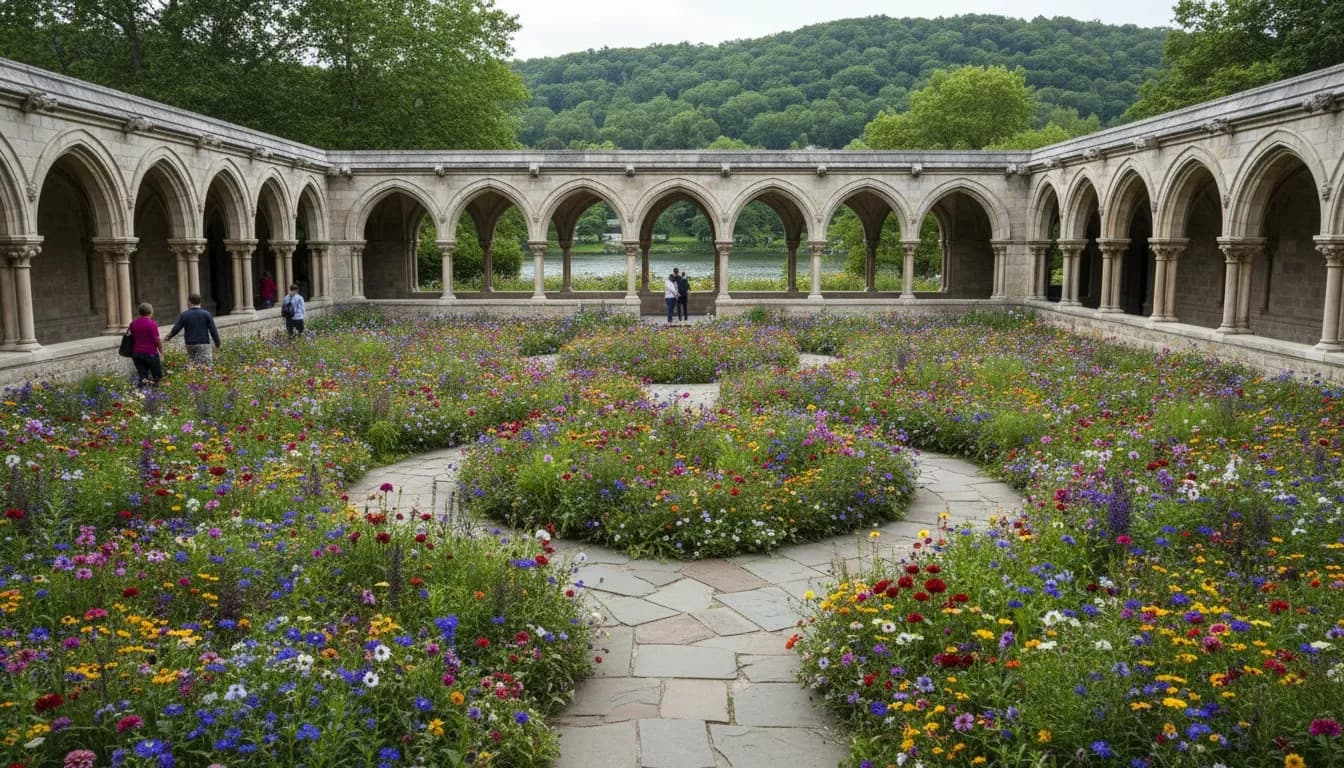
The Trie Garden evokes the 'millefleur' tapestry motifs, with a meadow of wildflowers that bloom simultaneously to suggest an eternal spring. This garden includes many plants depicted in the museum’s famed Unicorn Tapestries, offering a botanical counterpart to these iconic artworks.
The Cuxa Garden serves as the museum’s main ornamental garden, blending medieval European plants with select modern species from Asia and the Americas to provide continuous seasonal interest from early spring through late fall. Its cloistered courtyard setting offers a peaceful retreat with views of the Hudson River.
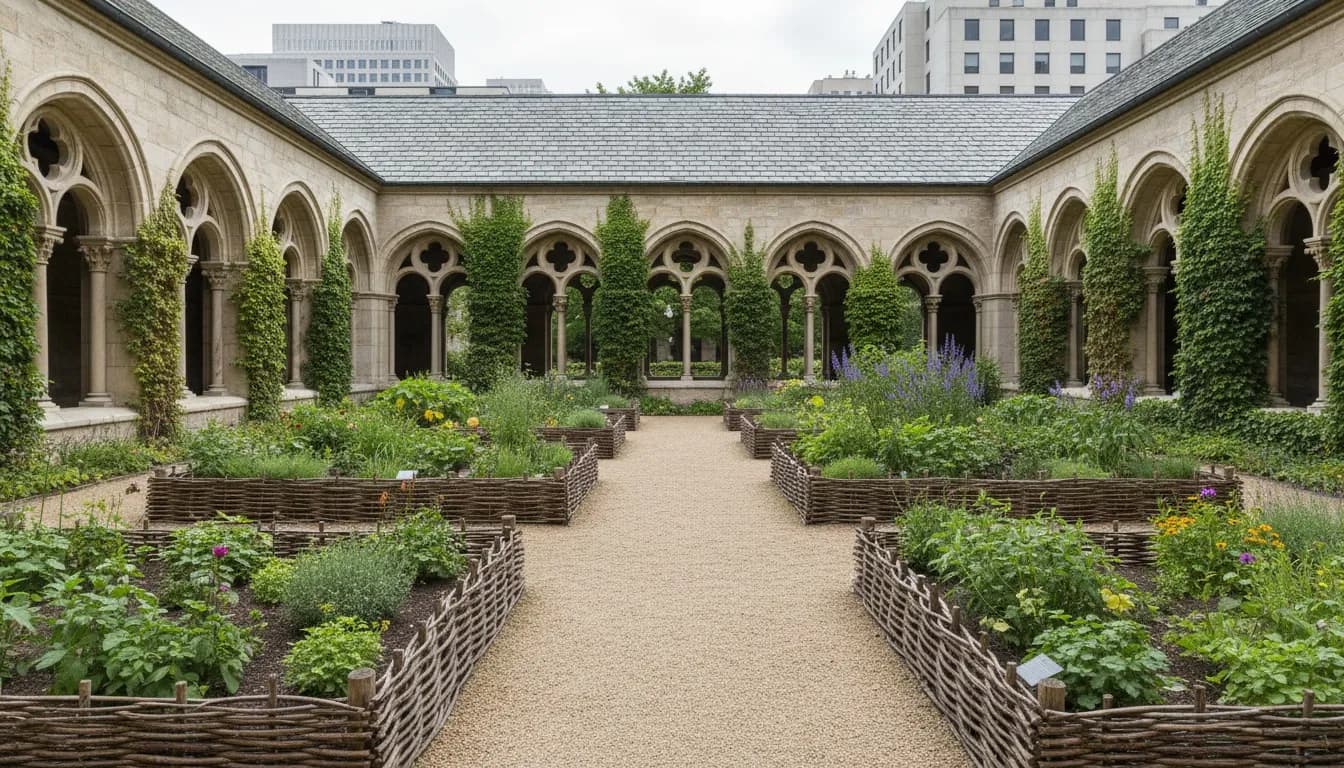
Garden and Museum Planning: A Symbiotic Relationship
The Cloisters Gardens exemplify a rare and thoughtful integration of garden design and museum planning. The gardens are not merely decorative but are curated to enhance the storytelling of the museum’s medieval collections. This approach allows visitors to experience medieval culture holistically, engaging multiple senses and deepening understanding of the era’s relationship with nature.
The gardens are maintained by expert horticulturists who cultivate plants on-site in The Met Cloisters greenhouse, ensuring authenticity and sustainability. Seasonal programming, including guided garden tours offered daily from May through October, further enriches the visitor experience by highlighting the historical and botanical significance of the plants and garden design.
Seasonal Highlights and Year-Round Appeal
While many plants in the gardens reach peak bloom in late spring and early summer, the gardens are designed for year-round interest. In winter, the cloister porticos serve as greenhouses, showcasing potted plants and early spring flowers forced to bloom ahead of season. This ensures that visitors can enjoy the gardens’ beauty and historical ambiance regardless of the season.
The gardens also host special events such as the annual Met Cloisters Plant Sale, where visitors can meet gardeners, purchase medieval garden-inspired plants, and create garden art. These events emphasize the gardens’ role as living, evolving spaces that connect past and present.
Accessibility and Visitor Experience
Due to the museum’s landmark status and historic architecture, accessibility at The Met Cloisters, including the gardens, has some limitations. The main entrance features cobblestones and approximately 60 stairs to the admissions desk. However, a free shuttle service and a step-free entrance in the courtyard are available for visitors requiring accessible access.
Visitors are encouraged to check current accessibility options and visitor guidelines before arrival. The gardens are included in the museum admission, and guided tours of the gardens are offered daily during the warmer months, rain or shine.
Practical notes
- Hours: Open Sunday, Monday, Tuesday, Thursday, Friday, Saturday 10:00 a.m.–4:30 p.m.; closed Wednesdays. Verify before visiting.
- Admission: Adults $30; Seniors (65+) $22; Students $17; Members and children under 12 (with adult) free.
- Access: Step-free entrance available via courtyard; free shuttle service from main entrance for visitors with mobility needs.
- Location: 99 Margaret Corbin Drive, Fort Tryon Park, Upper Manhattan, NYC, overlooking the Hudson River.
- Official info and updates: https://www.metmuseum.org/visit/plan-your-visit/met-cloisters
Tags: #hidden_gems_odd_finds #NYC #secret_NYC #things_to_do_in_NYC #New_York_City #The_Cloisters_Gardens #medieval_garden_design_NYC #The_Met_Cloisters_horticulture #medieval_plants_in_New_York #museum_garden_planning #hidden_gardens_NYC #Fort_Tryon_Park_gardens #historical_garden_rooms
Sources consulted: The Metropolitan Museum of Art - The Met Cloisters · The Met Cloisters Gardens Blog · TouristPlaces.info - The Met Cloisters · engage.metmuseum.org · metmuseum.org · engage.metmuseum.org · blog.metmuseum.org · blog.metmuseum.org · blog.metmuseum.org · blog.metmuseum.org
All trademarks are the property of their respective owners.
Ask Karpo first
Want to know when to show up, what is currently open, and how to make the route work? Ask Karpo for the latest The Cloisters Gardens access details and a low-friction NYC visit plan before you head out.


