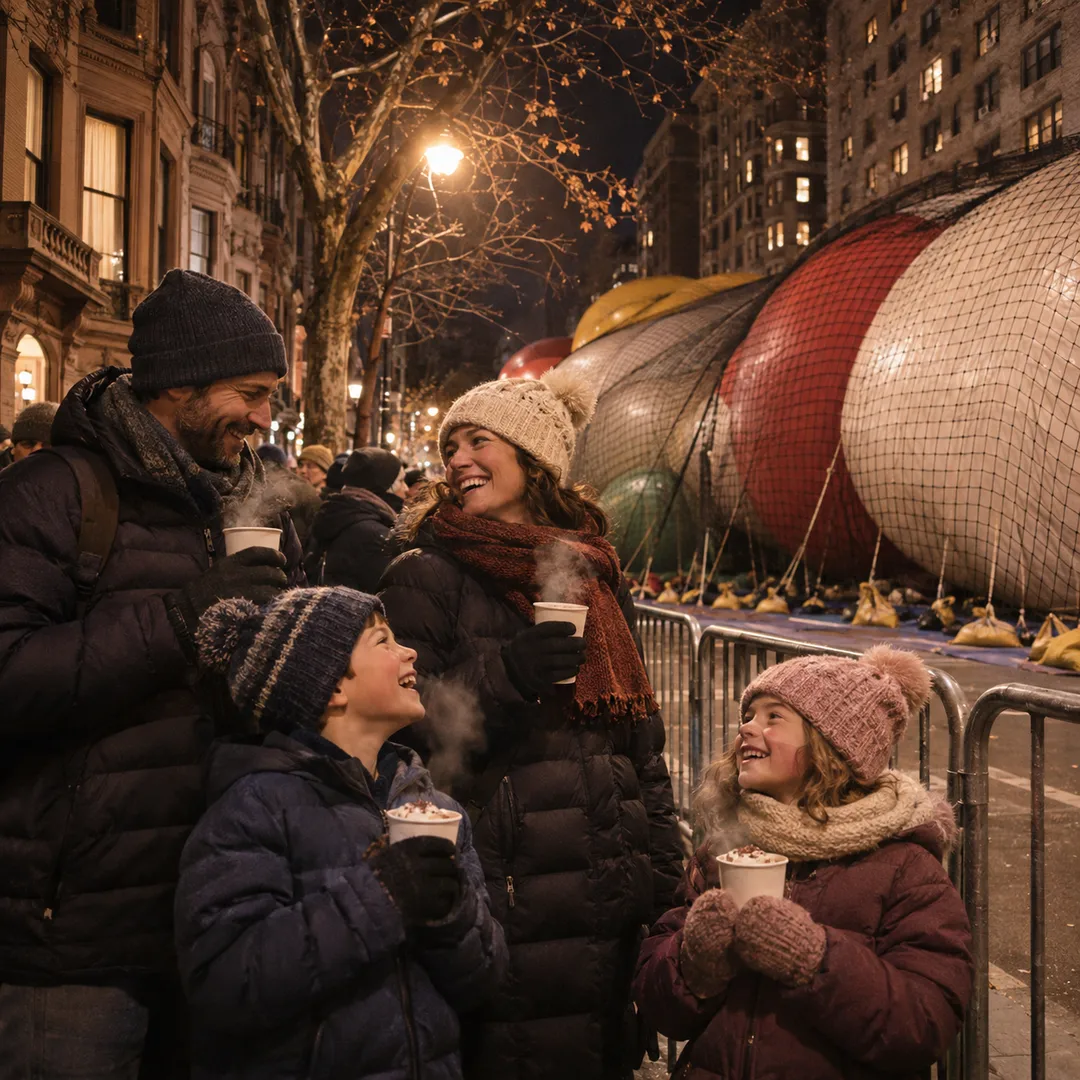
 Upper West Side Hot Chocolate Cafe Crawl on Balloon Eve
Coffee & Dessert

Tribeca Tea Room Afternoon Picker: Gallery Day Pause
Use a Tribeca tea room afternoon picker to slow a gallery day with fragrant tea, a shared sweet, and a flexible walk toward the river; Karpo helps plan it.
A Tribeca tea room afternoon picker is a useful middle chapter for a gallery day. After a room full of paintings, a pot of tea gives the eye somewhere softer to rest and gives friends a way to compare what they saw. Build the outing around gallery hush, jasmine steam, and a walk that can reach river air without becoming a march. Karpo can help organize the choices while the group keeps the pace human.
Start between exhibitions
The best tea pause often arrives before anyone feels tired. Ask the group whether it wants to talk through the exhibition, sit in companionable quiet, or simply warm up before another room. That answer guides the atmosphere: a sociable table for debate, a corner for sketching, or a place where a solo visitor can watch the block.
Write the request in Karpo with the gallery mood, the group's size, and the amount of walking that still feels pleasant. A tea room afternoon picker should support the day you are already having, not pull everyone into a new itinerary. Keep a second idea nearby in case the first room feels too busy.
Use aroma as a reset
Jasmine, roasted leaves, or a gentle herbal cup can change the emotional temperature after a concentrated exhibition. Smell the dry leaves before pouring, then let the first sip arrive without discussion. A shared pause helps everyone notice which artwork stayed with them and why.
Ask the person serving how the pot is meant to open and share the first pour. Pair it with one small sweet that can travel around the table. The order becomes a prompt for conversation, not a test of expertise; People can describe texture, memory, or color in their own words.
Give sketches a seat
Tribeca invites a notebook. A visitor can draw a teapot silhouette, capture a shadow across the table, or write three lines about a painting before the details blur. Friends can trade pages if they want, but no one needs to produce a finished sketch. The room is a place to look slowly.
Ask Karpo for a tea stop that suits a sketchbook and a short stroll. Mention if someone needs a low-noise setting or a seat that allows a bag to stay out of the way. The more context you give, the easier it is to judge a suggestion against the real group.
Keep the gallery conversation open
Avoid turning the table into a ranking session. Let each person name one image, material, or feeling that they carried out of the exhibition. Tea creates a gentle turn-taking rhythm, and a shared sweet gives hands something to do while opinions change. The conversation can wander without needing a verdict.
If a guest wants a caffeine-free cup, include that need from the beginning. A good tea break welcomes different tastes and different reactions to art. The aim is a room where curiosity stays alive, not a performance of having the right answer.
Read the room honestly
A beautiful room can still feel wrong for the moment. Notice the sound level, the distance between tables, and whether the group can settle without squeezing bags underfoot. If the atmosphere is too bright or too crowded, treat that information as useful rather than forcing everyone to endure it.
Karpo helps you compare nearby ideas. Use the doorway, a polite question, and the group's body language as the last check. A nearby alternative keeps a gallery afternoon flexible and prevents one mismatch from taking over the day.

Walk toward river air
When the pot is finished, let the river become a soft horizon instead of a destination with a strict arrival time. Move past changing facades, pause at a quiet corner, and let the air clear the sweetness from the palate. The walk works because nobody is racing to a second appointment.
Ask Karpo for one gentle companion to the tea room, then leave room for an unexpected storefront or pocket of shade. If the group wants to linger inside, shorten the walk. The route should serve the conversation, not compete with it.
Make a solo gallery day generous
Solo visitors can use tea to process an exhibition without narrating every thought. Bring a small notebook, choose one object from the show to remember, and let the cup cool while you write. A seat near ordinary street movement can make solitude feel connected rather than isolated.
Tell Karpo you are alone, carrying a sketchbook, and want a calm stop before a short walk. Save the route that felt easiest. A repeatable sequence of gallery, tea, and river air can become a reliable way to explore without overplanning.
Include different ages
Grandparents may want a slower route and a familiar style; Children may need a sweet and a reason to step outside. Give each person one role, such as choosing the shared bite or spotting the next shady corner. A gallery visit becomes more welcoming when movement and rest alternate.
Use Karpo to describe the group's ages, walking comfort, and preferred noise level. Keep the tea stop central and let the outdoor piece shrink if attention fades. The day succeeds when everyone has one moment they want to retell.
Let light and weather lead
Loft light can make a gray afternoon feel intimate, while a clear sky may call for a longer river loop. Carry a layer and keep the plan adjustable. The tea itself is the anchor; The distance afterward can expand or contract with comfort.
Ask Karpo for an indoor companion if rain arrives and keep the suggestion beside the main route. A flexible plan protects the gallery conversation from becoming a logistical argument. The best schedule is the one that still feels generous when the forecast changes.
Record the useful details
Before leaving, write down the cup that held up through conversation, the seat that made sketching easy, and the amount of walking the group enjoyed. These details describe a real afternoon better than a generic rating. Add them to your Karpo notes for the next exhibition day.
Your Tribeca tea room afternoon picker can become a small tradition: one gallery, one shared pot, and a riverward walk when everyone wants it. Tell Karpo what to repeat and what to avoid. The next visit can feel familiar without repeating the same story.
Practical notes before you leave the gallery
Keep a pencil, a light layer, and enough time for the tea to cool naturally. Tell the group whether the pause is for art talk, sketching, or quiet; That one detail can change the feel of the room you choose. Share the first pour and make space for a guest who wants a caffeine-free option. If the riverward walk feels too long, end at the first comfortable corner. Save the route and the seat in Karpo while the memory is fresh. A short note about what helped you look, listen, and talk will make the next gallery day easier to design.
Ask Karpo for more information.
Keep reading
- Upper West Side Hot Chocolate Cafe Crawl on Balloon Eve
 Park Slope Hot Chocolate Cafe Crawl After a Snow Day Sled
 Upper East Side Hot Chocolate Cafe Crawl With a Grandparent