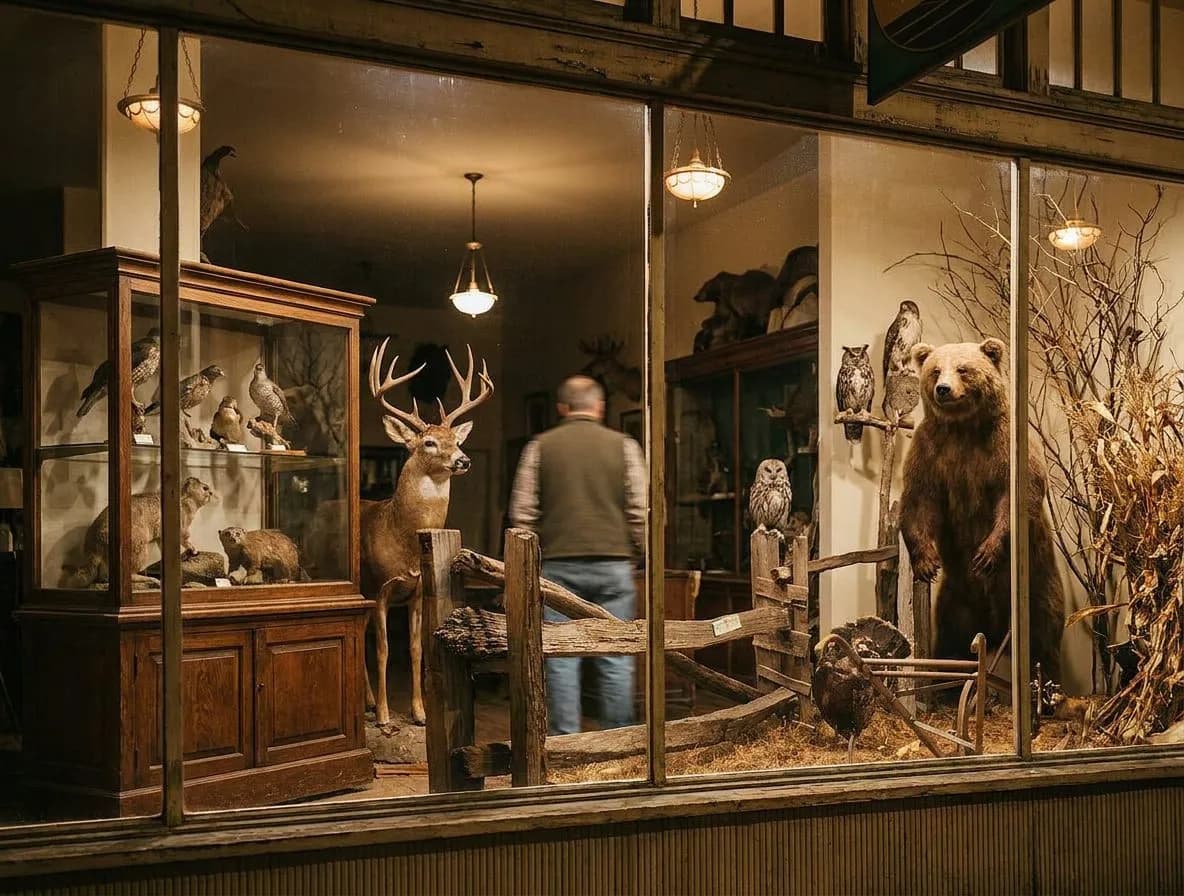
Brooklyn has always known how to curate the uncanny. Walk the right blocks in Bushwick or Carroll Gardens on a warm June afternoon and you'll stumble past storefronts that make you double-take—Victorian bell jars catching the light, rows of bleached vertebrae, a fox mid-pounce behind wavering antique glass. These aren't Halloween pop-ups or theater-prop warehouses. They're serious retail destinations for collectors, designers, and anyone who believes a well-mounted raven or a cabinet of mineralized coral belongs in a thoughtfully composed living room. The borough's taxidermy and natural history shops occupy a sweet spot between memento mori and interior aspiration, and they've been quietly flourishing while the rest of the design world chases minimalist neutrals.
The aesthetic vocabulary
What draws people to a curiosity shop nyc in 2026 isn't morbidity—it's a hunger for objects with presence. A mounted butterfly or a coyote skull carries a narrative weight no mass-market accent piece can match. These shops trade in the language of natural history museums and nineteenth-century explorers' studies, but their clientele skews contemporary: set designers, biophilic architects, collectors who want a conversation starter that doesn't feel algorithmically curated. There's something quietly rebellious about displaying mortality in an age obsessed with wellness and perpetual renewal.
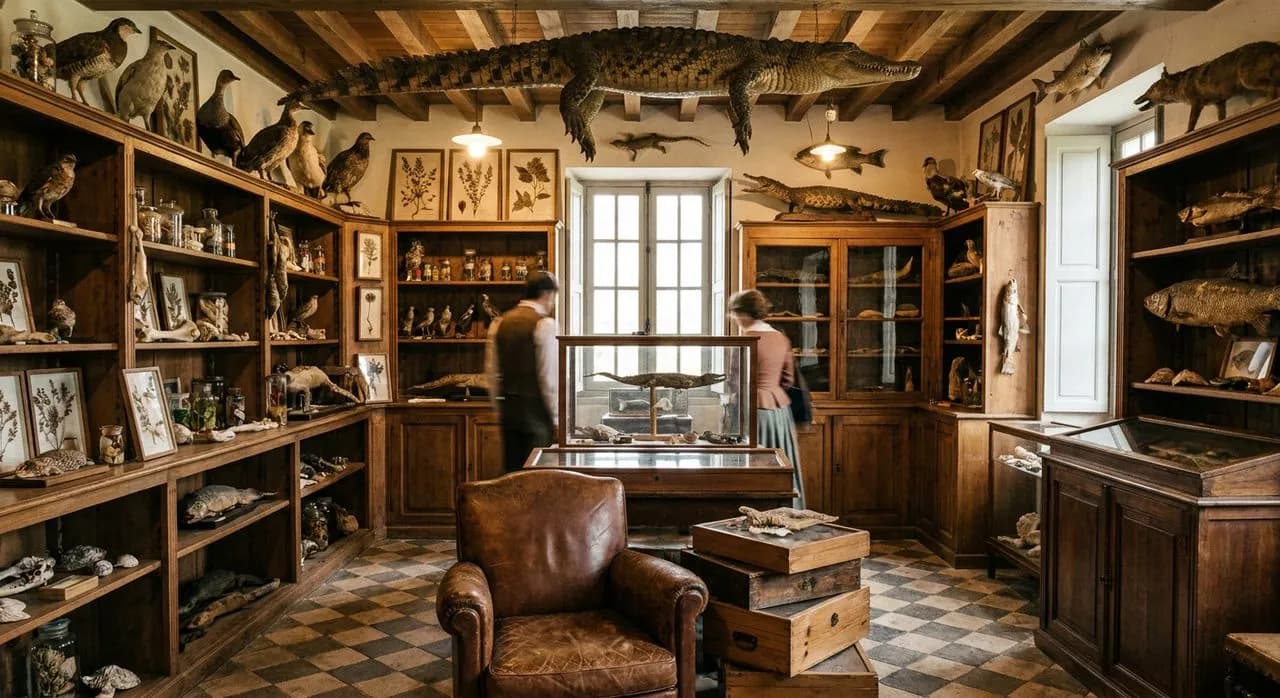
The aesthetic isn't gothic in the Hot Topic sense. It's more cabinet-of-wonders—a mix of scientific rigor and Wunderkammer theatricality. You'll find ethically sourced specimens (most shops are scrupulous about provenance, sourcing from natural deaths, old collections, or sustainable farms), antique anatomical charts, and the occasional taxidermied domestic animal preserved by Victorian hands a century ago. The palette runs to bone-white, amber glass, walnut vitrines, and the occasional shock of iridescent beetle carapace.
Where the trade lives
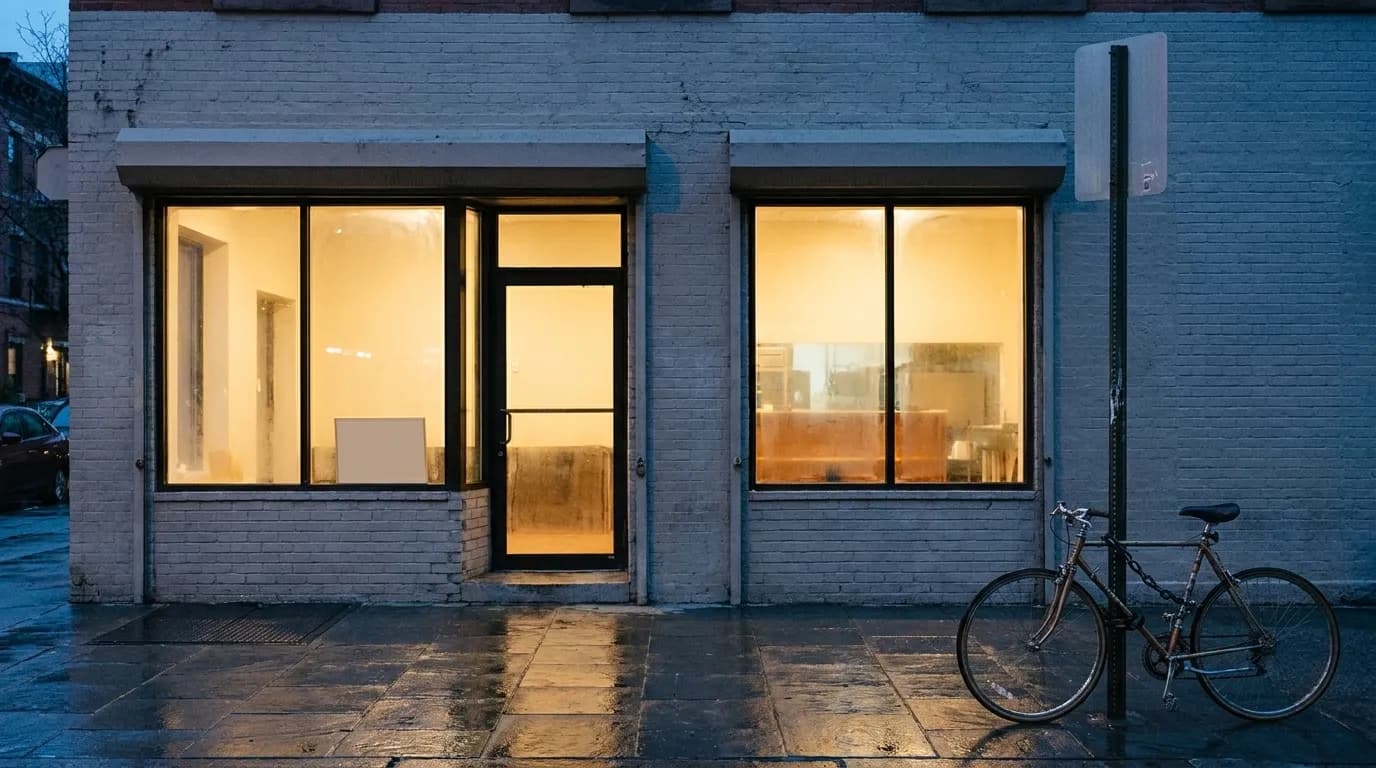
Brooklyn's taxidermy brooklyn scene clusters loosely around neighborhoods where rents still permit niche retail and foot traffic rewards the patient browser. You'll find small storefronts and by-appointment ateliers tucked along the industrial-adjacent corridors of Bushwick and Gowanus, and the occasional gem on a quieter stretch of Cobble Hill or Park Slope. These aren't chains; they're passion projects run by people who can discourse on dermestid beetle colonies and nineteenth-century mounting techniques with equal fluency.
Most shops double as working studios. You might see a proprietor mid-restoration on a pheasant or assembling a shadowbox of pinned moths. The smell is part library, part apothecary—old wood, a faint medicinal note from preserving agents, dust warm in the afternoon sun. Expect creaking floorboards, the occasional chime of a bell over the door, and lighting that skews dim and amber to protect delicate specimens from UV fade. These are spaces designed for lingering, not transactional speed.
What you'll find on the shelves
Inventory swings from the accessible—cleaned rodent skulls, framed insect arrays, single feathers in archival sleeves—to investment-level mounts. A Victorian-era owl under glass might run several thousand; a tray of tiny bird bones sorted by species might cost forty. Many shops carry related ephemera: antique medical illustrations, vintage naturalist field guides, glass eyes for the DIY practitioner, bone jewelry, and the kind of apothecary bottles that look right on an open shelf.
Seasonally, late spring brings an uptick in butterfly and moth specimens—this is when collectors process overwintered stock and commission new pieces before summer slowdowns. June 2026 is shaping up warm, and several Brooklyn shops have been refreshing their windows with lighter, more botanical compositions: bleached coral branches, preserved moss, snake skeletons posed against pressed ferns. It's memento mori meets biophilia, death rendered decorative and strangely life-affirming.
The ethics conversation
Any responsible curiosity shop will answer sourcing questions without defensiveness. Reputable dealers work with wildlife rehab centers, source from animals that died naturally, purchase from estate sales and old collections, or use farmed specimens (quail, rabbits, certain insects) raised for food. CITES regulations govern trade in protected species, and serious shops know the paperwork inside out. Most refuse to deal in anything taken illegally or unethically; their reputations depend on it.
If you're new to this world, ask questions. Where did the specimen come from? Is it legal to own in New York? Can you provide documentation? A good dealer will welcome the conversation and may walk you through the preservation process. This isn't a world that thrives on impulse buys; it rewards curiosity—pun intended—and a willingness to sit with the strangeness of turning death into décor. For many collectors, that's precisely the point: acknowledging mortality as part of the texture of living.
Who's shopping
The clientele defies easy taxonomy. You'll spot designers hunting for set dressing, science teachers sourcing classroom specimens, goths in search of the perfect raven skull, and brownstone owners who want something arresting over the mantel. There's a significant overlap with the vintage and antique crowd—people who appreciate craft, provenance, and objects that can't be replicated by a 3D printer. And there's a growing contingent of younger collectors drawn to the anti-algorithm energy of it all, the thrill of finding something genuinely uncommon.
Don't be surprised if you overhear someone debating the merits of European versus North American mounting styles, or asking whether a particular beetle species shows well under blacklight. These shops cultivate community. Some host occasional workshops on bone articulation or insect pinning; others maintain waiting lists for rare specimens. It's retail, yes, but it's also a subculture with its own vocabulary and unspoken codes.
Beyond the transaction
What lingers after a visit isn't just the objects—though you may leave cradling a small box containing, say, a clutch of quail eggs or a Victorian-era anatomical print. It's the reminder that beauty and strangeness aren't opposites. There's a meditative quality to browsing shelves of bones and wings, a quiet reckoning with impermanence that feels oddly steadying in anxious times. You exit into June sunlight, blinking, the world suddenly more textured and strange.
Brooklyn's curiosity shops won't be everyone's weekend destination. But for those attuned to their particular frequency—part natural history, part memento mori, part theater—they offer something increasingly rare: retail that asks you to slow down, look closely, and consider what it means to live among beautiful, uncanny things.
Practical notes
Brooklyn's taxidermy and curiosity retailers tend toward small storefronts and by-appointment studios rather than mega-retail addresses. Concentrate browsing efforts around Bushwick (Morgan Ave, Flushing Ave corridors; L or M trains); Gowanus (Union St, Smith St; R or F/G trains); and Carroll Gardens/Cobble Hill (Court St area; F/G trains). Street parking is scarce; plan on subway or bike. Most shops keep irregular hours or request appointments; phone or check online before making the trip. Interiors are typically compact with narrow aisles; wheelchair access varies by building age—call ahead if mobility is a concern. Bring small bills for lower-ticket items (many shops prefer cash), a tote for fragile purchases, and an open mind. Verify hours directly, especially around holidays or summer schedules.
Tags: #TaxidermyBrooklyn #CuriosityShopNYC #TheOddEdit #BrooklynShopping #NaturalHistory #CabinetOfCuriosities #BrooklynRetail #NYCHiddenGems #EthicalTaxidermy #VictorianAesthetic #MemorabiliaCollecting #BushwickBrooklyn #GowanusStyle #June2026 #BrooklynDesign
Sources consulted: Taxidermy · Cabinet of Curiosities · Brooklyn Chamber of Commerce · Time Out New York Shopping · NY Times New York Region
All trademarks are the property of their respective owners.