 SoHo Tailor Alteration Shop Finder for Sample Sale Finds
Neighborhood Guides

West Village Tailor Alteration Shop Finder: Wedding Fits
Planning a City Hall wedding with a West Village dinner after? Start alterations six weeks out, bring your shoes, and keep the final fitting for the last week.
A tailor alteration shop finder search in the West Village usually comes from one kind of person in the fall: someone who is getting married at City Hall downtown and then walking the wedding party over to a long dinner on a Village side street. The dress came off a rack, the suit came from a department store, and neither fits the way the photos will need them to. The neighborhood is good at fixing that. Small tailors and dry cleaners with a seamstress in the back sit between the brownstones, and they have seen every rushed wedding before yours.
Why the Village Works for a Small Wedding
The West Village grew up as a crooked grid of townhouses, carriage houses and corner shops, and that scale still shapes how people celebrate here. A City Hall ceremony takes only a few minutes, so couples tend to spend the real effort on the afternoon after it: a stroll through the side streets for photos, then a private room or a long table somewhere warm. Clothes have to survive all of that walking, sitting and hugging.
That is why the local tailors matter. A dress that looks fine in a mirror can pull across the back when you climb out of a cab, and trousers that skim the floor at the store will drag through puddles on Bank Street. The small shops here are used to brides, grooms and partners who arrive with a short timeline and a clear plan, and they tend to be honest about what can be done well.
Start Six Weeks Out and Count Backward
Work backward from your ceremony slot. A simple suit with a hem and sleeve change may need only one visit, but a dress that needs the bodice taken in, a bustle added or the lining shortened usually wants two or three fittings spaced a week or more apart. Six weeks before the wedding is a comfortable time to make the first visit, and four weeks is the point where you start losing options.
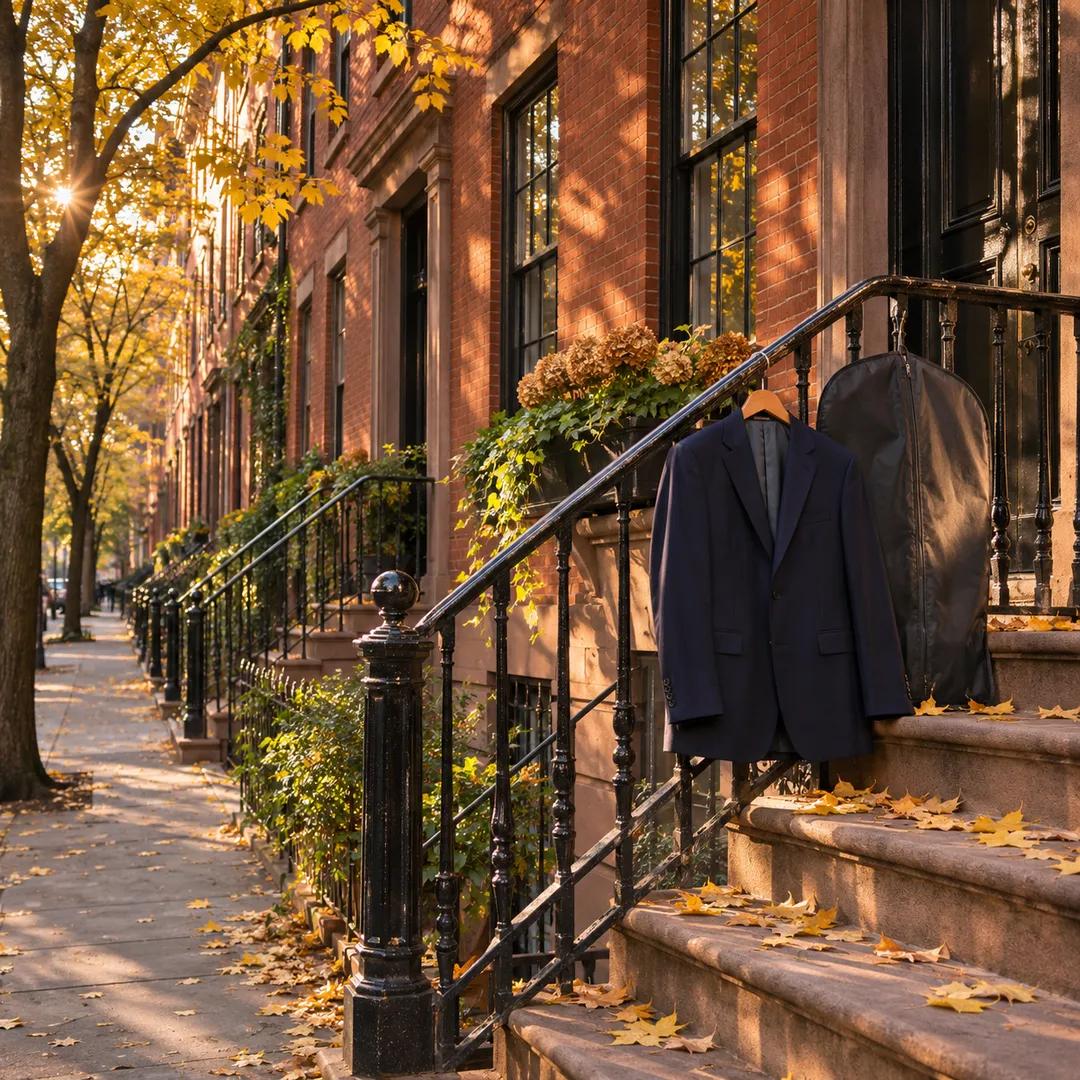
Put the final fitting in the last week, not the last day. Bodies change a little with stress, travel and celebration dinners, and a tailor who sees the dress five days out can still adjust a strap or a waist. Leave a buffer for the shop to press everything properly, and plan to pick the pieces up in a garment bag on a dry afternoon rather than the morning of the ceremony.
What to Bring to the First Fitting
Bring the exact shoes you will wear, the exact undergarments, and anything else that changes how the outfit sits, like a belt, a slip or a pocket square. A hem set while you stand in sneakers will be wrong in heels, and a waist pinned over a thick sweater will be loose on the day. Wear or carry everything, and plan to stand still on the fitting box for longer than you expect.
It also helps to show the tailor how the day will move. Mention that you will be walking several blocks, climbing courthouse steps, sitting through a long dinner and maybe dancing in a small room afterward. A good fitter will leave a little room in the seat of trousers, lift a train so it clears the sidewalk, or add a hidden wrist loop so a long hem can be carried between photo stops.
Fixing an Off-the-Rack Dress
Most City Hall dresses are ready-to-wear pieces bought online or in a bridal sample shop, and they are cut for an average shape that nobody actually has. The common fixes are shortening the hem to the right length for your shoes, taking in the side seams, raising or shortening the straps, and adding small bra cups inside the bodice so nothing shifts while you pose under the clock in the rotunda.
Ask what the fabric will tolerate before you agree to anything big. Chiffon and lace with a scalloped edge take time to hem without losing the pattern, and satin shows every needle mark if it is let out. A careful tailor will tell you when it is smarter to leave a detail alone. Taking the time to hear that advice in the first fitting is worth more than any shortcut.
Getting a Department Store Suit to Look Custom
A suit bought off the rack can look close to made-to-measure with three changes: sleeves shortened so a little shirt cuff shows, trousers hemmed with a slight break or none at all, and the jacket waist taken in so it follows the body instead of hanging like a box. Those three moves cover most partners, and they fit comfortably inside a single visit plus a pickup.
Shoulders are the part a tailor cannot really change, so check them before buying. If the shoulder seam sits past your own shoulder bone, the jacket will never look right no matter how much is done elsewhere. Matching vests, ties and pocket squares are easy to add later. Wedding parties often send a groomsman or two to the same shop so the trouser lengths and jacket lines look consistent in the group photos.
A Photo Walk Between Ceremony and Dinner
The reason couples choose the Village is the walk itself. After the ceremony, many take the subway or a short cab ride north and wander the leafy blocks around Perry, Charles and Bedford for portraits on stoops, against old brick and under ironwork. Late autumn is soft and gold here, and the trees on the side streets drop yellow leaves that look great around a hem.
Plan the route with the clothes in mind. Cobblestones on a few streets are hard on heels and thin soles, so carry a pair of flat shoes in a tote and change for the walking sections. Keep the photographer on quieter blocks, step down to the Hudson River Park piers for a sunset frame, and then head to dinner before your hands get cold and the wind picks up off the water.
Using Karpo to Plan the Fittings
Open the Karpo APP and ask for tailors and alteration shops around the West Village, then narrow the list to ones that mention bridal work or suit tailoring in their descriptions. Karpo can help you map which shops sit near your home or office so the fittings fit into lunch breaks, and it can suggest a dinner spot and a photo route nearby once the clothes are settled.
Practical Notes
Call or stop in to ask each shop how they schedule wedding work and how many fittings they recommend for your piece, because the answer changes with the season and the size of the job. Bring your ceremony date written down, keep receipts and claim tickets in one envelope, and photograph each pinned fitting so you can compare the changes at home before the next appointment.
On the day, carry a tiny repair kit: a few safety pins, a needle with thread in your dress color, a lint roller and a stain pen. Keep the garment bag for the trip downtown and hang the outfits the night before so the creases drop out. If a seam gives way at dinner, most small tailors in the area will be glad to see you again the next week.
Ask Karpo for more information.
Keep reading
- SoHo Tailor Alteration Shop Finder for Sample Sale Finds
 Williamsburg Tailor Alteration Shop Finder for Bike Riders
 Upper West Side Tailor Alteration Shop Finder for Kids