 Bandit Running Gear Store Williamsburg: Race Kit Test
Sports Social
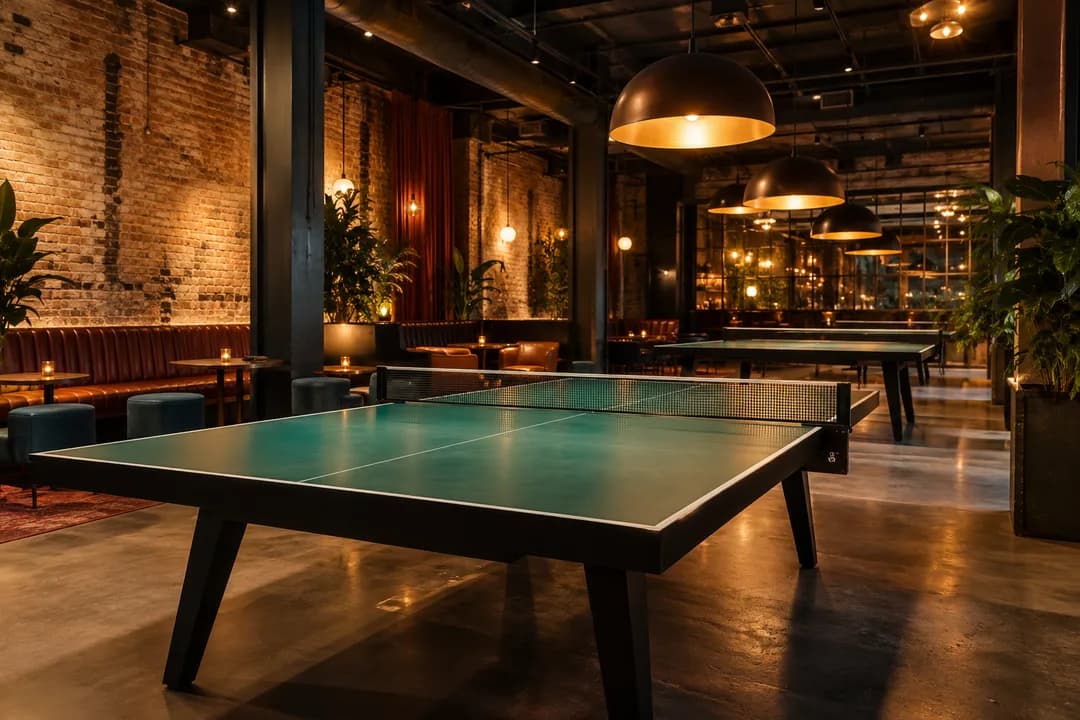
Table Tennis Club Near Me: SPIN New York Midtown Guide
SPIN New York Midtown puts table tennis, food, and a social evening at 48 E 23rd Street in Flatiron. This guide covers arrival, table etiquette, the venue's 2026 rhythm, and a walk through the blocks around Madison Square Park.
SPIN New York Midtown is at 48 E 23rd Street, New York, NY 10010, where a table-tennis club near me search turns into a distinctly Flatiron night out. The room is built for play with a social edge: you can arrive for a focused rally, stay for food and drinks, or make the tables one stop in a longer Manhattan evening. The useful first move is to reserve enough time for the game rather than treating it as a ten-minute novelty.
Start at 48 E 23rd Street
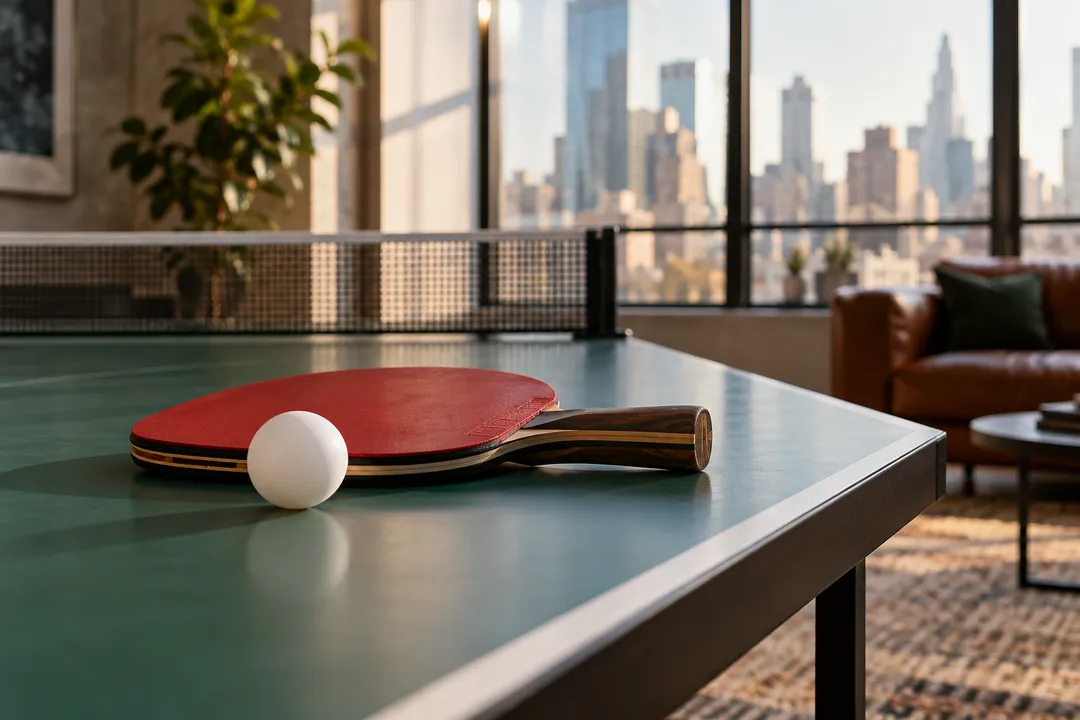
The address sits between Broadway and Park Avenue South, close enough to Madison Square Park that the neighborhood supplies a natural before-and-after route. In 2026, SPIN's New York identity still rests on a simple idea: table tennis works as a sport, a date, and a group activity when the room makes switching between those modes easy. The tables are the anchor. Conversation and the surrounding bar service keep the night from feeling like a training hall.
For a first visit, arrive with one modest goal: learn the room, hit a few clean rallies, and decide whether the group wants singles, doubles, or a coached format. That order matters because a mixed group can lose its first fifteen minutes debating rules. Ask the host where your table is, put bags clear of the playing area, and warm up with controlled returns before anyone starts keeping an intense score.
How the First Rally Works
SPIN is not the place to hide a beginner at the edge of the group. The better etiquette is to state levels plainly and begin with a cooperative rally. Let the newer player serve first, keep the ball moving at a comfortable height, and change partners after a short game. A table-tennis session becomes social when everyone gets repeated turns, not when the strongest player wins every point against the same person.
The venue's food-and-drink side is part of the reason to choose it over a bare practice room. Treat the menu as a supporting act: order something shareable, keep glasses away from the table edge, and use a break between games instead of eating while a rally is in progress. The must-try experience is the combination of a real match and a relaxed table-side reset, rather than a rushed drink with no time to play.
A useful booking question is not only how many people are coming, but how many will actually play at once. Two players can settle into a longer singles rhythm. Four make doubles immediately social. A larger group needs planned rotations. If the booking includes instruction or an event format, ask about the session length and equipment before arriving so the group does not assume an open-play table is the same as a lesson.
Choosing a Better Session
Midtown evenings reward a small buffer. Build in ten minutes for the walk from the subway, check in before the rest of the group arrives, and use the opening minutes to learn where coats and paddles go. When a table is shared, the cleanest rotation is winner-stays only for one short game, then an automatic switch. That rule keeps a casual night moving without turning every point into a negotiation.
Beginners should focus on placement, not power. Keep the first serves low, watch the opponent's shoulder rather than the ball alone, and aim for a repeatable return. Experienced players can make the session welcoming by offering one adjustment at a time. SPIN's social format is at its best when coaching happens in ordinary language: one cue, one rally, then enough room for the player to discover the rest.
Practical Notes
There is also a practical reason to avoid arriving at the busiest dinner window with no plan: the room has more than one kind of demand. Groups may be eating, celebrating, taking a lesson, or waiting for a table. A weekday afternoon is the calmest choice for a first technical session. A later evening suits people who want the venue's full social energy. If the wait feels too long, move the meal to nearby Koreatown and return another day for play.
Practical Notes means treating the address as a real city stop. The venue is in Manhattan's Flatiron neighborhood, not an outer borough substitute, and 48 E 23rd Street is the point to put into a map. Wear shoes that let you stop and restart without sliding. Bring a light layer for the walk. Keep the paddle hand relaxed. A tight grip makes a beginner tired before the second game.
Table Etiquette and Gear
The most considerate players make the table legible to everyone around them. Collect stray balls before the next group starts, keep a water bottle off the playing surface, and pause conversation when someone is serving. If a pair is waiting, finish the agreed game rather than extending a private practice drill. These small habits matter more than formal expertise because they determine whether the room feels open or territorial.
Flatiron is especially good for a split evening. Walk south toward Madison Square Park before the booking, use the park as a breathing space after a close game, and then head west toward the restaurant blocks around Chelsea if the group wants to continue. The route works because the table-tennis session has a clear center and the neighborhood offers several ways to slow down without abandoning the plan.
A Flatiron Evening
A strong group plan gives the night three chapters: arrival, play, and recovery. Set a meeting point outside 48 E 23rd Street, decide in advance who will start the first doubles rotation, and choose one person to keep the booking details. After the session, compare the best rally rather than only the final score. That small change turns a competitive activity into a shared memory.
SPIN suits friends who want an activity with an obvious structure, couples who would rather do something than sit through a long dinner, and visitors who want a central Manhattan stop that is more specific than a generic bar. It is less suited to anyone expecting a silent specialist club or a full evening of uninterrupted tournament play. The room asks for participation, even if the participation is relaxed.
Who Should Book It
Skip the idea that a first visit needs professional technique. The better version is a short warm-up, one game with a clear rotation, a break for the food-and-drink side, and a final match once everyone understands the pace. If one person dislikes competition, make the first round cooperative and count consecutive returns instead of points. That format gives the group a reason to laugh without making the least experienced player perform.
A table tennis club near me search can produce plenty of generic listings, but this address has a more useful promise: the sport is the reason to arrive and the neighborhood is the reason to keep the evening going. SPIN New York Midtown works when the booking is treated as a social itinerary, with enough time for the first awkward rallies, a fair rotation, and a walk through Flatiron afterward.
Final Take
The final judgment is simple. Book SPIN New York Midtown for a structured group outing, arrive early enough to settle the format, and let the first game stay friendly. The most memorable detail will not be a spectacular smash. It will be the moment everyone understands the rotation and the room becomes easy to share. At 48 E 23rd Street, the table is the beginning of the evening, not its entire script.
Ask Karpo for more information.
Keep reading
- Bandit Running Gear Store Williamsburg: Race Kit Test
 Ardon Boxing Training Gym in Sunset Park: Kids Welcome
 Box St Boxing Training Gym in Greenpoint: $37 Class