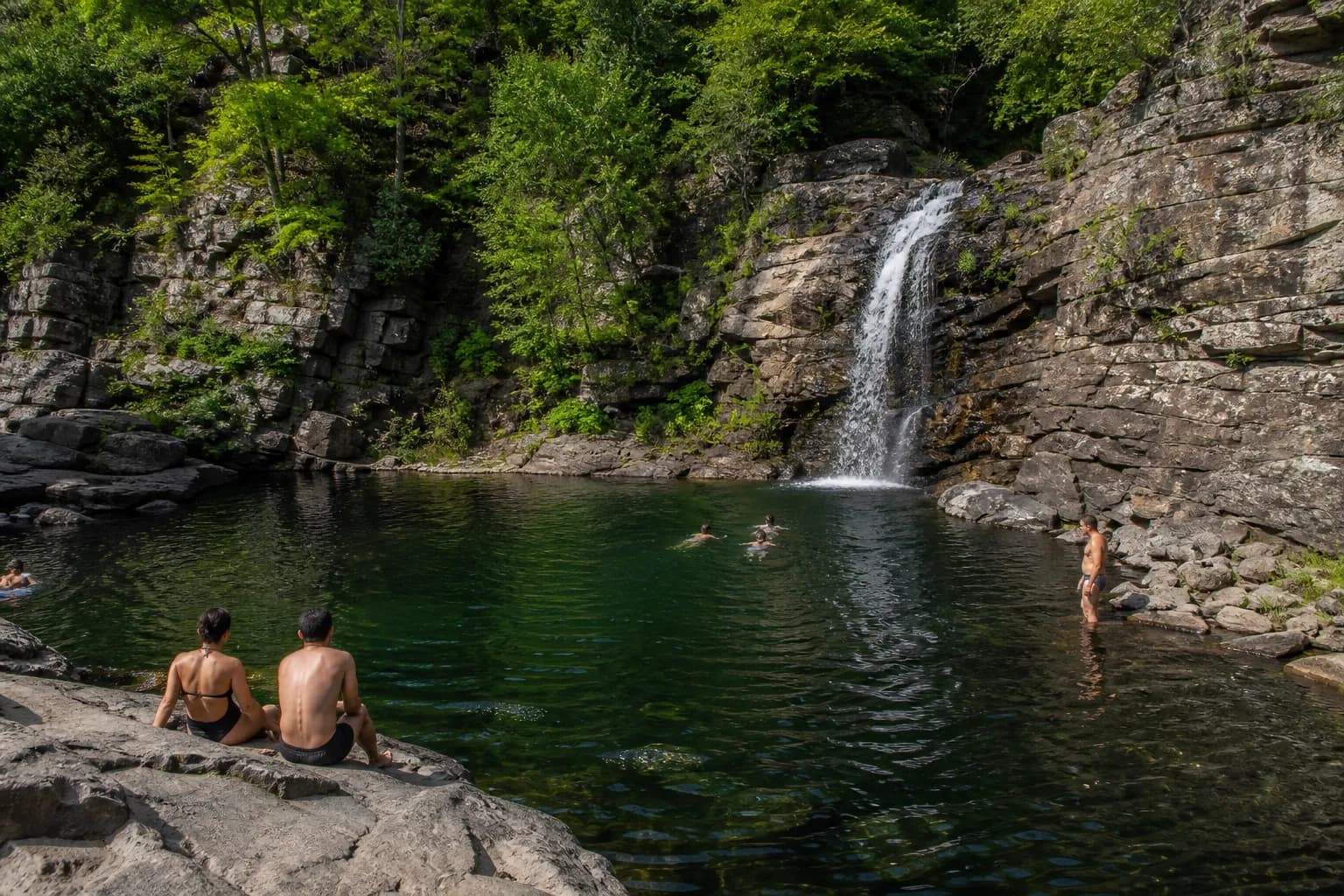
In NYC, searching for “swimming holes near me” can be misleading because the city does not work like a small town with a creek ten minutes away. Your practical options usually fall into four categories: ocean beaches, public outdoor pools, controlled waterfront swim areas during permitted events, and longer trips outside the city to natural freshwater spots. The best choice depends less on distance on a map and more on total door-to-water time, transfers, rules, and whether conditions are safe that day.
Build your swim plan before you pack the towel
A good first filter is to decide how much uncertainty you can tolerate. If you need a simple after-work swim, a city pool or reachable beach is usually more realistic than chasing a natural swimming hole. If you have a full day, you can consider places beyond the city, but you still need to check whether swimming is allowed, whether lifeguards are present, and whether recent rain affected water quality. In NYC, the practical answer is often not the prettiest result, but the one you can reach, use legally, and leave from without stress.
Match your borough to the easiest swim pattern
Your starting borough matters. From Brooklyn and Queens, ocean-facing beaches are often the most straightforward summer choice, especially if you are near subway or bus routes that run toward the shoreline. From Manhattan, a public pool may beat a beach if you are short on time, while a beach trip becomes more realistic if you can leave early and avoid peak transfer crowds. From the Bronx, look at nearby city-run outdoor pools first, then compare longer beach routes only if you have enough time for the return trip. From Staten Island, local shoreline access may be closer, but you still need to confirm where swimming is officially allowed.
Do not judge by miles alone. A place that is eight miles away may take longer than a destination twice as far if it requires multiple transfers, a long walk in heat, or unreliable weekend service. Open your transit app and compare actual arrival times, not just route options. Then check the walk from the final stop to the swim area, especially if you are carrying towels, a cooler, kids’ gear, or mobility equipment. In NYC, the best “near me” swimming choice is usually the one with the fewest fragile links in the trip.
Check live conditions before you commit
Before leaving, check three things live: weather, water status, and transit disruptions. Weather is not just about rain. Heat index, lightning risk, wind, surf, and air quality can all change whether a swim plan is comfortable or safe. A sunny forecast can still mean rough water at an ocean beach, and a cloudy day can still be a good pool day if the temperature is high and storms are not expected. If thunder is possible, build in a backup because outdoor swim areas may clear quickly.
Water status is especially important after heavy rain. Urban runoff can affect water quality, and some shoreline areas may post advisories or restrictions. Use official city or managing-agency updates where available, and do not rely only on social posts or old comments. For transit, check both directions before you leave. A smooth trip out is not enough if evening service changes make the return difficult. If you are traveling with children, older adults, or anyone who cannot comfortably stand through delays, treat the return route as part of the swim plan, not an afterthought.
Decide between beach, pool, and out-of-city natural water
Choose a beach when you want space, ocean water, and a longer outing. Beaches work best when you can leave before peak afternoon crowds, bring sun protection, and accept that wind, surf, and lifeguard decisions may shape your day. Choose a public pool when your priority is predictable access within the city, shorter travel, and a controlled swim environment. Pools are often the better answer for a quick cool-down, families who want boundaries, or anyone who does not want to deal with sand, tides, and long walks from transit.
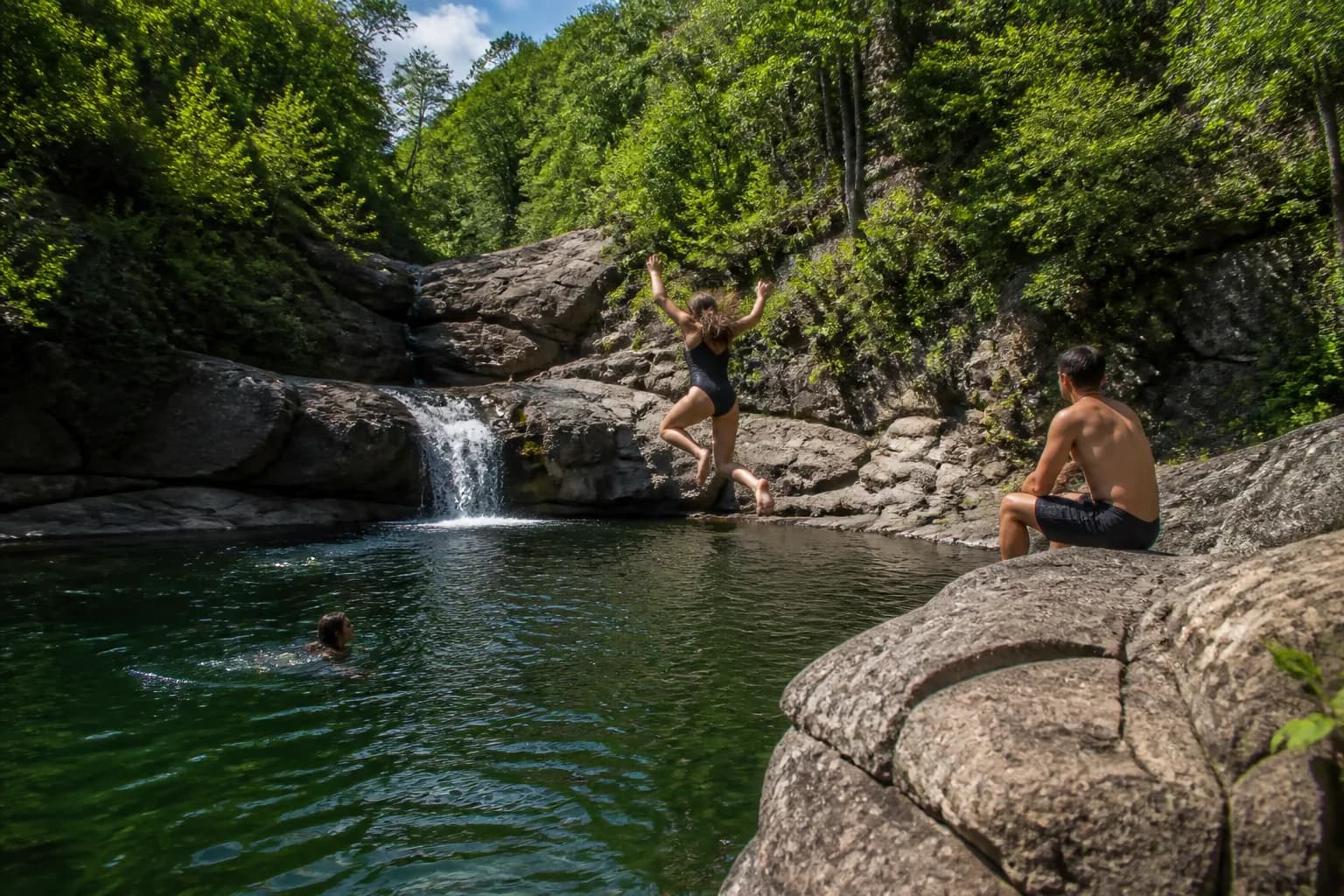
Choose an out-of-city natural swimming option only when you can verify that swimming is legal and practical before you go. Many attractive lakes, rivers, quarries, and reservoirs either prohibit swimming, require specific access points, or depend on seasonal staffing and safety rules. Avoid informal spots where people jump from rocks, bridges, or restricted banks. Besides the safety risk, enforcement and access can change without warning. If your goal is a relaxing day, not a risky adventure, prioritize places with clear rules, visible supervision when required, and an easy way to leave if conditions change.
Use a backup plan that fits the same trip
A good NYC swim plan includes a backup within the same travel zone. If you are heading toward a beach, identify a nearby shaded park, indoor food stop, or alternate shoreline walk in case swimming is restricted or the crowd is too much. If you are aiming for a pool, know the nearest second-choice pool or a cool indoor public space in case capacity, maintenance, or weather disrupts the plan. The backup should not require starting over from scratch; it should be reachable from where you already are.
Pack for flexibility. Bring water, sun protection, sandals that can handle hot pavement, a dry bag or zip pouch for essentials, and only what you are willing to carry if plans change. For accessibility, confirm the route surface, station access, bathrooms, and distance from transit before leaving. For families, set a clear exit time before everyone is tired. The difference between a wasted trip and a good NYC swim day is usually not finding a secret spot. It is making a realistic choice, checking current conditions, and knowing what you will do if the first plan fails.
A simple plan before you go
- Search by total travel time, not map distance.
- Check weather, water advisories, and return transit before leaving.
- Use official swim areas; avoid informal or restricted water access.
- Pick a backup near the same route so the day still works.

Tags: #watch_parties #nyc
Sources consulted: Official city information · Google Maps · Karpo local search
All trademarks are the property of their respective owners.