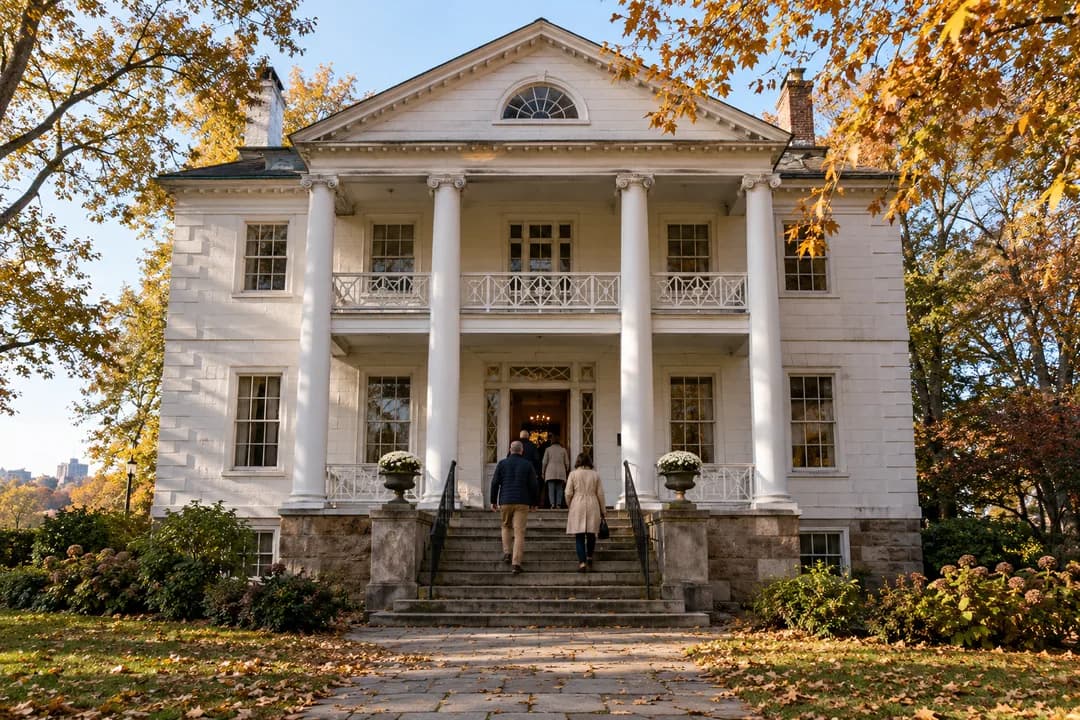
 Roger Morris Park: Horror Wax Museum Weekend Walk
Weekend Plans
Where Should You Check a Super El Niño Map Before Planning a New York Weekend?
Super El Niño forecasts change how you time outdoor plans in the city, especially when transfers and late trains are already in play.
You wake up Saturday, check your phone, and see a Super El Niño map trending because the 2026-27 winter pattern is pulling more Pacific moisture into North America than usual. For New York City, that doesn't mean feet of snow like the Sierras—it means unpredictable rain bands, temperature swings that turn sidewalks into slush by noon, and weekends where the weather flips between 9 a.m. and 3 p.m. The friction isn't the forecast itself; it's that a plan built for dry morning markets and an afternoon walk along the East River falls apart when the rain starts at 11 and your backup is a museum with a forty-minute entry line.
Karpo checks live weather windows, subway status, and indoor backups the morning you're heading out—so you're not rebuilding a plan from a coffee shop in Chinatown when the rain starts.
Check the forecast window, not just the day
The Super El Niño map people are searching is usually a NOAA or Climate Prediction Center graphic showing sea-surface temperature anomalies and precipitation probability across the U.S. The 2026 El Niño forecast suggests above-average moisture for the Northeast through early spring, which in New York City terms means more Saturdays where you need an indoor anchor and a realistic transfer plan between boroughs. The El Niño–Southern Oscillation cycle doesn't dump consistent snow here the way it does in the Rockies, but it does increase the odds of mixed precipitation, late-season nor'easters, and weekends where the temperature at 8 a.m. is fifteen degrees different from 2 p.m. If you're coming from the Lower East Side and heading anywhere that requires two trains and a ten-minute walk, you want to know the three-hour window, not just whether it's going to rain.
The practical move is to open the hourly forecast for your specific neighborhood the night before and again at 7 a.m. the day of. The Super El Niño map gives you the macro pattern—wetter than average, variable temps—but it won't tell you that the rain in Manhattan starts at 10:30 while Brooklyn stays dry until noon. That hour matters when you're deciding whether to take the F train to Carroll Gardens or stay closer and walk to the Tenement Museum. The Lower East Side sits low and close to the water, so streets like Rivington and Delancey get puddles fast when the drains back up. If the forecast shows rain starting mid-morning, plan to be indoors or very close to a subway entrance by then.
Pick one anchor you can reach in twenty minutes
The mistake is building a day around three different neighborhoods when the weather is unstable. You end up on the L train to Williamsburg, the rain starts, and now you're choosing between a crowded coffee shop or a forty-minute ride back. Instead, pick one place you can reach in under twenty minutes from the Lower East Side and stay within a ten-block radius. That gives you flexibility to move between indoor and outdoor options without burning an hour on transfers every time the weather shifts.
If you want to stay in Manhattan, the New Museum on Bowery is a fifteen-minute walk north and open late on Thursdays if you're planning ahead for a weeknight. The galleries are small enough that you're not committing three hours, and you can leave and walk to Dimes Square or up to Astor Place without a train. If the Super El Niño snow forecast for the weekend shows mixed precip turning to sleet by afternoon, this kind of tight radius keeps you from getting stuck halfway across the city. The streets around the museum—Bowery, Prince, Houston—are wide and clear fast after rain, unlike the narrower blocks south of Delancey where delivery trucks and scaffolding create bottlenecks.
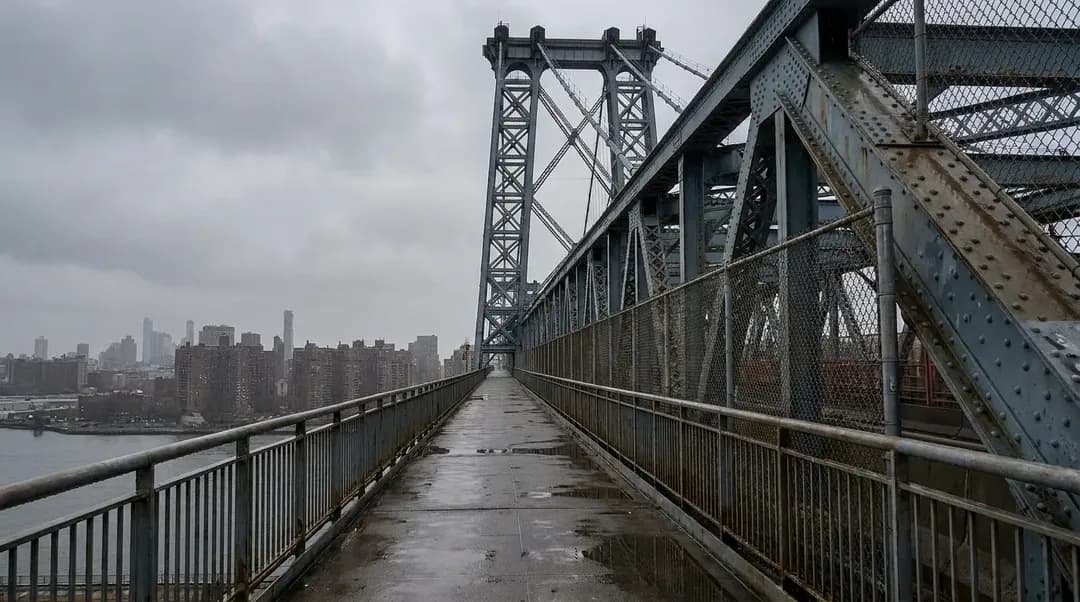
Another strong anchor is the Brooklyn side of the Williamsburg Bridge. The L train from First Avenue to Bedford is one stop, and you're in a neighborhood with deep awnings, covered market halls at places like the weekend flea on Kent, and multiple subway lines if you need to bail. The risk here is that the L is the only train home, so if there's a service change or delay, you're waiting underground or walking back across the bridge in weather. Check the MTA status before you go, and if there's scheduled weekend work, pick the Manhattan option instead. The Williamsburg Bridge pedestrian path is exposed and windy; if the El Niño weather forecast shows gusts above twenty miles per hour, it's not pleasant.
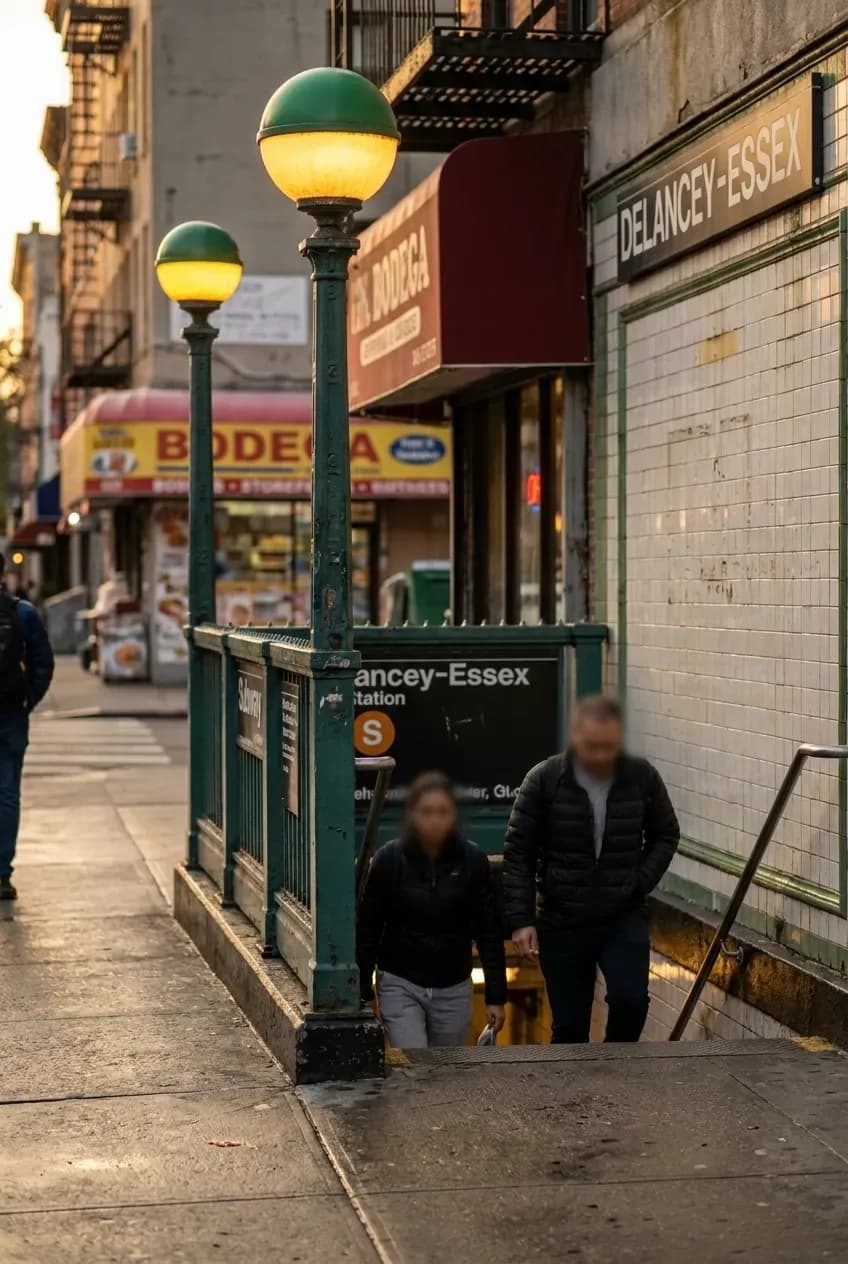
For a quieter, less-crowded anchor, consider the stretch of East Broadway near the Seward Park Library. It's a ten-minute walk southeast from the Lower East Side, the library has free wifi and long tables, and the surrounding blocks—Grand, Essex, East Broadway—have sit-down restaurants with space during off-peak hours. The F and M trains are two blocks west at Delancey-Essex, so you have two lines home. The area doesn't have the flash of Williamsburg or the tourist density of the New Museum, but that's the advantage when the Super El Niño map is predicting a wet weekend and you want a Plan B that isn't standing-room-only.
Have one indoor fallback that doesn't require a reservation
The second part of the plan is a fallback you can walk or subway to in under fifteen minutes without checking capacity or waiting for a text-back. The 2026 Super El Niño forecast increases the odds you'll need it, so the fallback should be a place that absorbs people steadily—a library, a museum with timed entry you can buy day-of, a market hall with seating, or a cinema with multiple showtimes. Avoid anywhere that's one room, reservations-only, or famous enough that the line forms outside.
The Metrograph on Ludlow is a reliable cinema fallback. It's a twelve-minute walk from most Lower East Side apartments, shows older and current films on two screens, and has a small cafe where you can sit between shows if you buy a ticket. The space is narrow, so if you're going with more than two people, you might not get seats together for the next showing, but it's open seven days and you can check the schedule from your phone. If the El Niño weather forecast shows steady rain all afternoon, this is a place where you can stay dry for three hours without spending a lot. The Metrograph also doesn't pull the bridge-and-tunnel crowds the way Union Square or the Alamo Drafthouse does, so even on a bad-weather Saturday, you're not fighting fifty people for tickets.
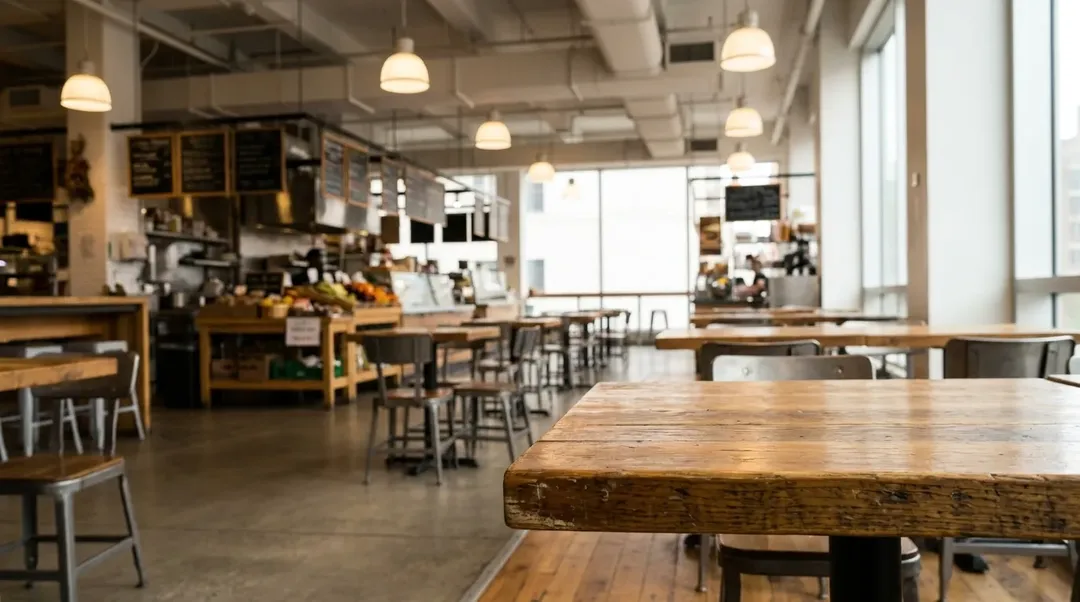
Another fallback is the Essex Market building. It's enclosed, has food vendors and seating on the second floor, and you can move between counters without committing to one spot. The building is new as of a few years ago, so the bathrooms are clean and the layout is clear. It sits right on the Delancey-Essex subway stop, which is helpful if you're coming from another neighborhood or need to leave fast. The vendors aren't cheap, but you're paying for the ability to sit, charge your phone, and wait out a rain band without someone telling you to order again or leave. The market can get crowded between noon and 2 p.m. on weekends, so if you're using it as a fallback, aim for before 11:30 or after 2:30.
If you want a library option, the Seward Park branch on East Broadway is quiet, has long hours, and doesn't require a library card to sit and use the space. It's a neighborhood branch, so it's not grand, but the reading room is warm, the staff doesn't hover, and you can stay as long as you want. The building is old enough that cell service can be spotty on the lower floor, but there's free wifi. This works best if your day is flexible and you're okay with a low-stimulus backup—no food, no alcohol, just a warm place to sit and regroup while you check the hourly forecast again.
Confirm the route home before you leave
The last step is checking your route home while you're still at home, not from the street when the weather has already turned. The 2026-27 El Niño snow predictions for New York suggest more late-winter mix events, which in practice means slush, ice on subway stairs, and service changes the MTA announces the morning of. If you're planning to stay out past 8 p.m., check whether your primary train is running local or if there's a suspension between your anchor and the Lower East Side. The F train, for example, often runs local on weekends, which adds fifteen minutes if you're coming from Brooklyn. The J and M trains share track through the East River tunnel and are prone to delays when there's signal trouble or weather affecting above-ground stretches in Queens and Brooklyn.
If your plan involves the L train and there's any service advisory, have a walking route ready. The Williamsburg Bridge pedestrian path is about twenty-five minutes on foot from Bedford Avenue to Delancey, but it's fully exposed and unpleasant in rain or wind. If the Super El Niño map is forecasting variable conditions through the evening, plan to leave Brooklyn by 7 p.m. so you're not making that choice after dark in bad weather. The alternative is taking the J train from Marcy to Essex, but that requires a transfer and the J runs less frequently after 9 p.m. on weekends.
For Manhattan-only plans, the F and M trains are your primary lines home to the Lower East Side, and both stop at Delancey-Essex. The M is less frequent, so if you're out late, don't count on it. The 6 train is an option if you're near Astor Place or Union Square, but it requires a walk west from the station to most Lower East Side addresses, and that walk is darker and less populated after 10 p.m. than the blocks around Essex. If the weather forecast shows temperatures dropping after sunset, factor in that the walk from the 6 is longer and less sheltered than the walk from the F or M. Confirm the last train time if you're staying out past midnight; weekend service changes sometimes mean the last train is earlier than the schedule suggests, and the MTA website is more current than Google Maps for real-time adjustments.
Practical notes
- Check the hourly forecast at 7 a.m. the day of, not just the day before—El Niño patterns shift timing fast
- Pick an anchor within twenty minutes of the Lower East Side; long transfers eat your flexibility when weather changes
- Have one indoor fallback that doesn't require a reservation or a wait—library, cinema, or market hall
- Confirm your subway line is running normal before you leave; weekend service changes are common and add time
- If your plan involves the L train to Brooklyn, check for advisories and have a walking or J-train backup
- Expect streets like Delancey and Rivington to puddle fast; plan your walking route to avoid low corners
Tags: #karpo #nycweekend #lowereastside #superelnino #elninoforecast #weekendplans #newyorkcity #mtasubway #weatherplanning #indoorbackup #nyctransit #williamsburgbridge #essexmarket #elninomap #nycrain
Sources consulted: NOAA Climate Prediction Center · MTA Service Status · National Weather Service New York
All trademarks are the property of their respective owners.
Ask Karpo first
Text Karpo the morning you're heading out and ask for a live three-hour weather window, current subway status for your line, and an indoor backup within fifteen minutes of your anchor. Karpo will also flag if the route home has a service change so you're not checking the MTA app from the street in the rain.
Ask Karpo for more information.
Keep reading
- Roger Morris Park: Horror Wax Museum Weekend Walk
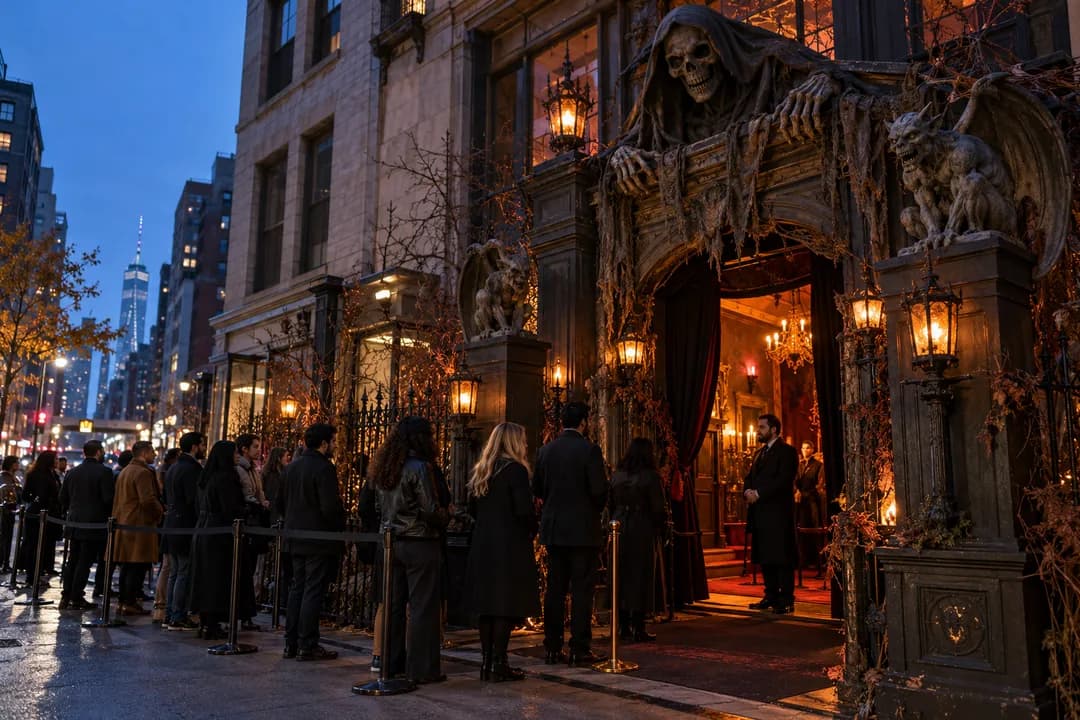 Blood Manor: Horror Wax Museum Friday Night Guide
 Madame Tussauds Horror Wax Museum: Friday Times Square Guide