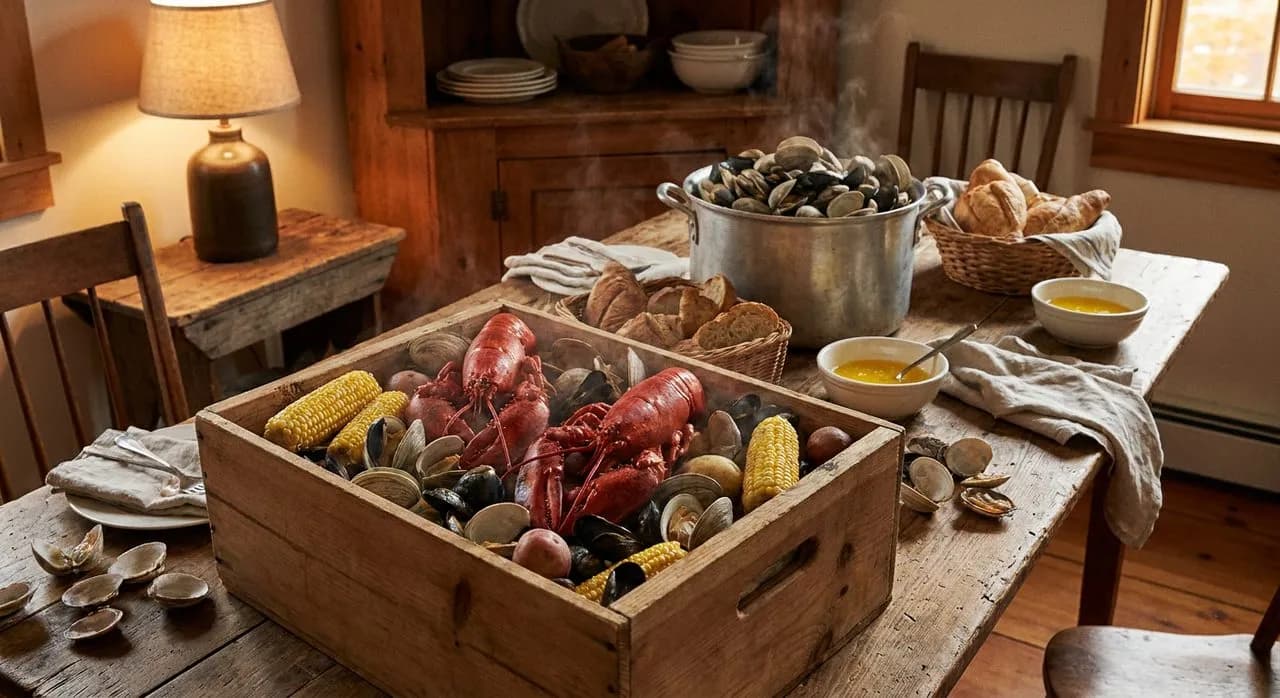
The first truly warm weekend in late May 2026 brought the predictable migration: New Yorkers spilling onto every available patch of concrete with a water view, clutching rosé and hoping for a breeze. But Queens has always understood summer dining differently—less about the scenery, more about the steam rising from a proper clambake pot. By early June, when the rest of the city is still debating which rooftop bar to overpay at, the borough's waterfront edges come alive with long communal tables, newspaper spreads of shellfish, and the particular joy of cracking lobster claws outdoors while the 7 train rumbles overhead in the distance.
The Rockaway Beach ritual
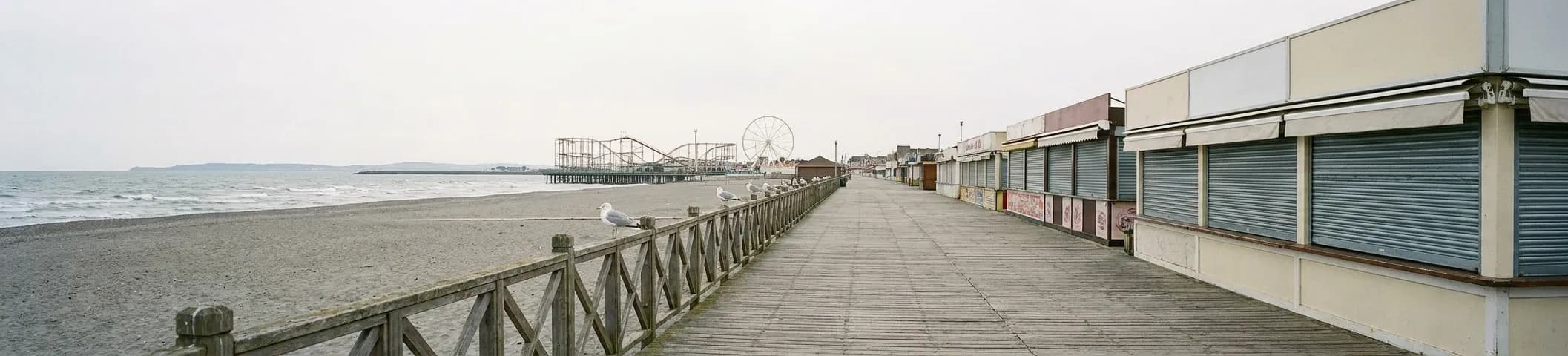
Rockaway has spent the last decade shedding its scrappy post-Sandy reputation, but the boardwalk's clambake culture predates any artisanal-coffee gentrification narrative. What you'll find now is a hybrid: old-guard seafood shacks that have been serving steamers since the 1970s sitting alongside newer operations that understand the value of a decent IPA selection. The beach concessions open for the season around Memorial Day, but the smart move is to wait until mid-June when the water's warm enough that you might actually swim after eating a pound of mussels.
The stretch between Beach 96th and Beach 106th Streets holds most of the action. You'll smell the clambakes before you see them—that briny, butter-and-Old Bay cloud that makes navigation easy. Arrive before one o'clock on weekends or resign yourself to a wait. The tables are weathered picnic-style, the kind where you're expected to make friends with whoever's elbow is touching yours. Bring cash, bring sunscreen, and lower your expectations for speed. This is summer dining in the outer boroughs, which means the kitchen is not remotely concerned with your train schedule.
Flushing Meadows picnic grounds
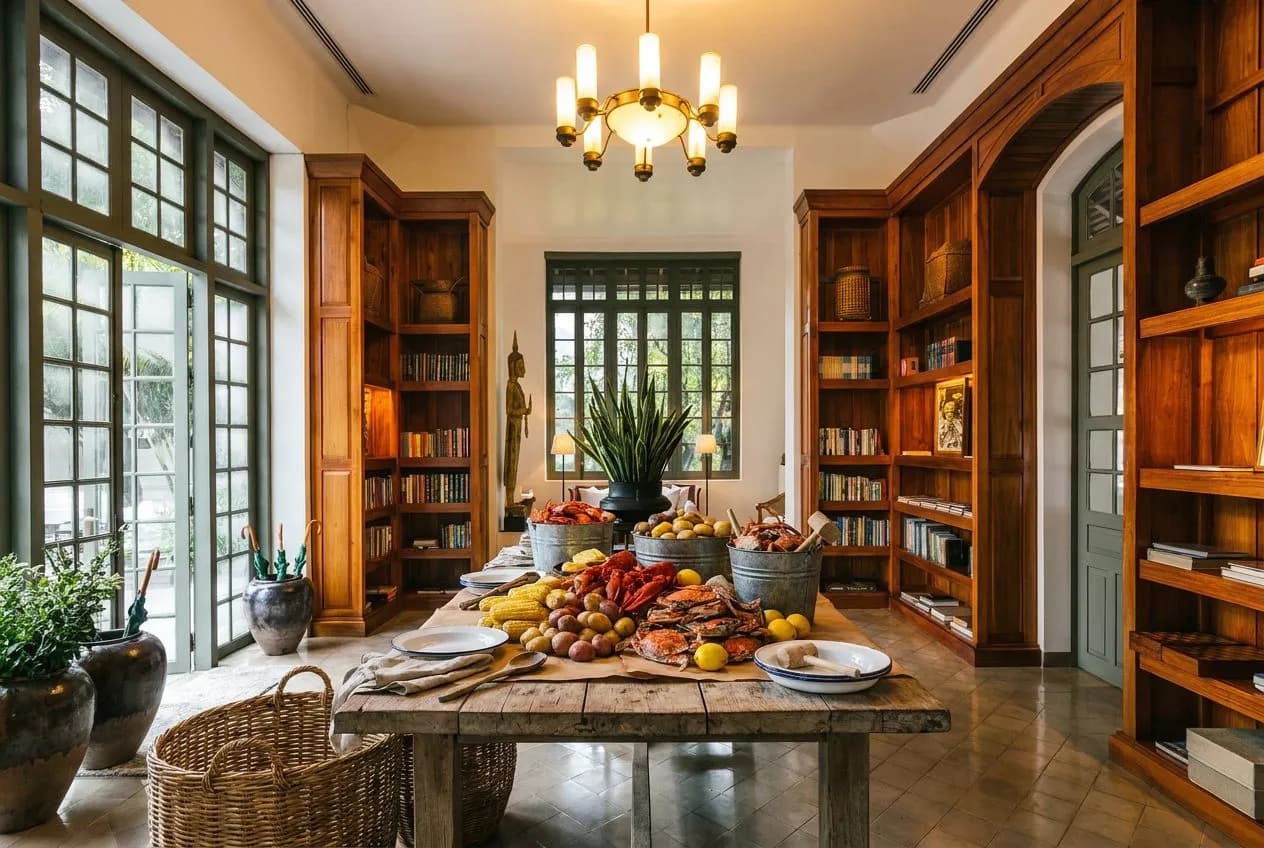
Flushing Meadows Corona Park does not immediately conjure images of seafood feasts, but the sprawling green around the Unisphere has become an unlikely weekend destination for families hauling their own clambake setups. The park has designated areas for picnics, but open fires and improvised cooking setups are generally not permitted; check park rules before bringing any cooking equipment, and the occasional legitimately impressive camp-stove rig that could handle a small restaurant's mise en place.
The southeast meadow near the boathouse attracts the most ambitious spreads—multi-generational gatherings with coolers of live lobsters, mesh bags of littlenecks, and corn still in the husk. It's potluck clambake culture, where the cooking is half the point and everyone's entitled to an opinion on your seasoning ratio. The light here in late afternoon is exceptional, all gold-hour glow bouncing off the park's iconic globe. You're not supposed to drink alcohol in city parks, but a discreet cooler and red Solo cups have always been part of the social contract.
Astoria's waterfront evolution
Astoria Park's shoreline along the East River has historically been better known for soccer leagues and wedding photography than clambake nyc adventures, but the park is primarily used for recreation and scenic waterfront access; if you want seafood, look to nearby restaurants off the park. These are not permanent establishments—they're operating under temporary permits, cash-only, with handwritten menus on laminated card stock. Quality varies wildly. But on a breezy Sunday in early June, when the RFK Bridge is backlit and someone's portable speaker is playing something decent, even mediocre steamers taste like a minor revelation.
The Greek tavernas a few blocks inland on Ditmars Boulevard offer a more reliable—if less rustic—seafood option. Several have added seasonal outdoor clambake nights, running Thursday through Sunday from June through August. Expect tablecloths instead of newspaper, actual silverware, and wine lists that extend beyond screw-top Pinot Grigio. It's a different energy, more date-night than beach-casual, but the grilled octopus and whole branzino are consistently excellent.
The Long Island City surprise
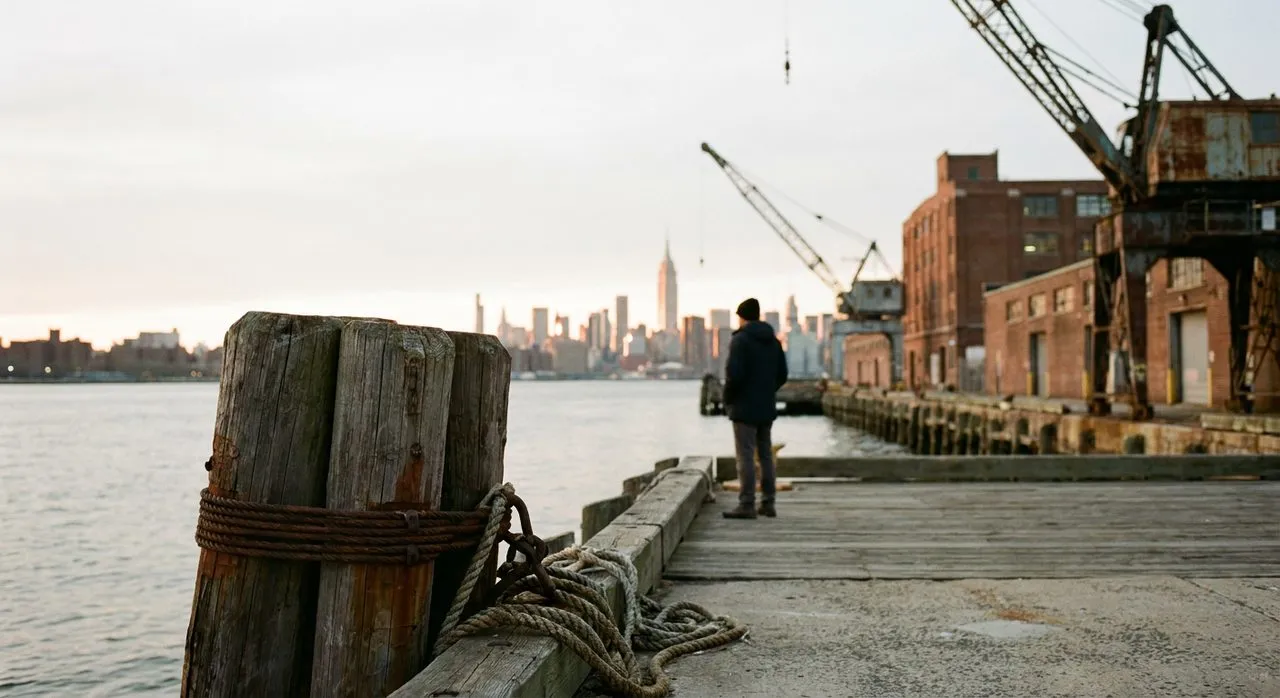
Long Island City is not where you'd intuitively search for a clambake vibe—too many glass towers, too much venture capital hovering in the air. But Gantry Plaza State Park, with its restored industrial piers and postcard views of midtown Manhattan, has quietly become a weekend destination for queens summer dining that skews younger and more spontaneous than the Rockaway crowd. The park itself doesn't permit vendors, but the streets immediately adjacent have sprouted a handful of seafood-forward spots with generous patios and a shared understanding that June means lobster rolls, outdoor seating, and cold beer.
The picnic tables closest to the water fill early with groups who've clearly coordinated: someone brought a Bluetooth speaker, someone else handled the seafood order from one of the nearby markets, and now everyone's peeling shrimp and arguing about the Mets. It's less formal than a restaurant clambake, more organized than a true beach free-for-all. The Manhattan skyline provides the backdrop, which either enhances the experience or feels like an unwelcome reminder that you're still very much in the city, depending on your mood.
Fort Tilden's quieter appeal
Fort Tilden sits at the western edge of the Rockaways, technically part of Gateway National Recreation Area and therefore blissfully free of commercial development. There are no seafood shacks here, no pop-up vendors, no one trying to sell you anything. What you get instead is miles of beach, crumbling military architecture, and the kind of quiet that makes you forget you're still within city limits. If you're committed to the clambake experience, you'll need to bring everything yourself—cooler, steamer pot, propane burner, the works.
The effort pays off. Fort Tilden's beaches remain remarkably uncrowded even on peak summer weekends, and the park has strict rules about fires and cooking on the beach; check current Gateway National Recreation Area regulations before planning any setup. The sand is softer here, the water cleaner, and the lack of boardwalk infrastructure means you're likelier to spot osprey than you are to hear someone's terrible playlist. Pack out everything you pack in, check the tide tables, and maybe bring a beach umbrella—there's almost no natural shade. This is clambake culture for people who prefer solitude to socializing, or at least enjoy both in measured doses.
What to know before you go
Most Rockaway Beach seafood spots cluster between Beach 90th and Beach 108th Streets; take the A train to Rockaway Park–Beach 116th Street or Beach 90th Street. Street parking exists but fills quickly on weekends. Astoria Park is accessible via the N/W to Astoria–Ditmars Boulevard, then a ten-minute walk. Gantry Plaza State Park sits near the Vernon Boulevard–Jackson Avenue 7 train stop. Fort Tilden requires the Q35 bus from the A train or car access via the Marine Parkway Bridge; limited free parking. Hours for seasonal vendors vary widely and weather matters, so verify before making the trip. Most waterfront parks are accessible, though sand and gravel paths can challenge wheelchair navigation. Bring cash, sunscreen, and your own utensils if you're DIY-ing. Lightweight tarps or blankets help claim picnic space. A small cooler and ice packs are essential for any shellfish you're transporting.
Tags: #SummerClambakeSpots #QueensSummerDining #NYCSeafood #RockawayBeach #AstoriaPark #OutdoorDiningNYC #ClambakeNYC #QueensEats #FlushingMeadows #LongIslandCity #FortTilden #RightOnTime #WaterfrontDining #NYCSummer2026 #OuterBoroughEats
Please drink responsibly. Must be of legal drinking age.
Sources consulted: Clambake · Queens · NYC Parks - Queens · Time Out New York Restaurants · NY Times - New York Region
All trademarks are the property of their respective owners.