 Tribeca Bowling Group Night Planner for Wedding Guests
Sports Social
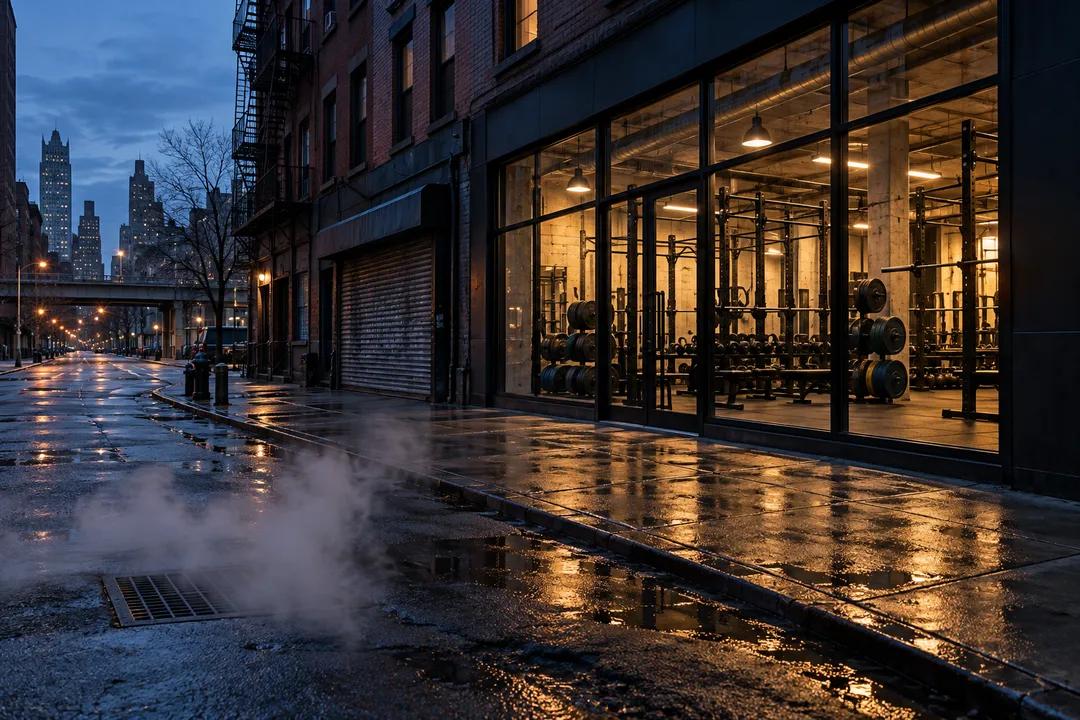
NYC Strength Conditioning Gym Before Work: A 6 AM Plan
A 6 AM strength conditioning gym session in NYC works when you pack the night before and pick a gym on your commute line. Here is how to plan the hour.
A 6 AM strength conditioning gym session in New York succeeds or fails the night before. If your bag is packed, your work clothes are folded, and the gym sits on the same subway line as your office, the hour before work becomes the most reliable slot in your week. If any of those three pieces is missing, the alarm wins. This planner walks through the choices that make early training stick in NYC: where the gym sits relative to your commute, what a 50-minute session should contain, and how to leave the locker room on time.
Put the Gym on Your Train Line, Not Near Your Couch
Most people search for a gym near their apartment, but for morning training the better anchor is the route between home and work. A gym two stops from your office lets you shower, change and walk in with a cushion. A gym near home forces a second trip back to the station with damp hair and a heavy bag. Open the Karpo APP, set your home and office neighborhoods, and ask for strength conditioning gyms along that corridor that list early class times.
Transfers matter more than distance. A gym that is twenty minutes away on one train is usually easier than one that is ten minutes away with a crosstown bus in the middle. In winter, count the walking blocks too. Six blocks in sleet with a duffel bag at 5:40 AM feels very different from six blocks in June, and that difference shows up in February attendance.
What a 50-Minute Early Session Should Hold
Early sessions work best when they are short and structured. A coached strength conditioning class at that hour often runs 45 to 60 minutes, and the shape is predictable: about ten minutes of warm-up and mobility, twenty minutes on one main lift such as a squat, deadlift or press, and fifteen minutes of conditioning with sleds, rowers, bikes or kettlebells. When you read a class description, look for that split. A page that only says high energy and full body tells you nothing about the barbell work.
Your body is stiffer at dawn, so a longer warm-up is not wasted time. Plan to arrive ten minutes before the start and spend it on easy rowing or a few sets of hip openers. If you train alone on an open floor instead of in a class, write the plan down before you leave home: two main lifts, three working sets each, then a short finisher. Deciding at the rack costs minutes you do not have.
Pack the Bag Like a Commuter
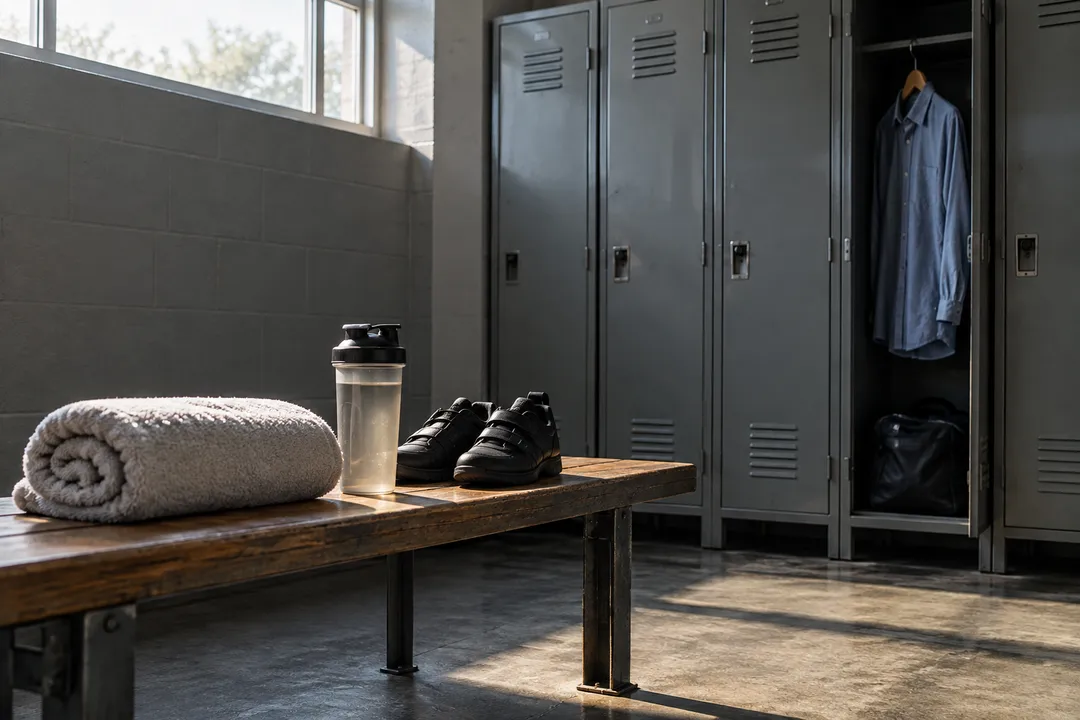
The bag is the whole system. Lay out lifting shoes, a towel, a small toiletry kit, a full change of work clothes on a hanger or rolled flat, and a sealed bag for sweaty gear. Add a padlock if the gym uses day lockers. Many New Yorkers keep a second set of toiletries permanently in the gym bag so nothing has to move between bathrooms at night.
Eat something small before you leave: a banana, a slice of toast, or a yogurt is enough for most people. Save the real breakfast for the desk or a cart near the office. If you lift on an empty stomach and feel light-headed during conditioning, that is a sign to add fifty more calories, not to skip the session.
Showers, Lockers and the 7:15 Train
Locker rooms in small Manhattan gyms can be tight, and the shower line peaks right as early classes finish. Ask the front desk how many showers the space has and whether towels are provided. If there are only two or three showers and twenty people in the class, plan to step out of the cool-down a couple of minutes early or keep a quick routine: five minutes in the shower, five to dress, out the door.
Work backward from your train. If you need to be at your desk at 8:30, the 7:15 departure gives you room. That means leaving the locker room by 7:05, which means finishing training by 6:50. Put those three times in your phone as quiet alarms for the first two weeks until the rhythm becomes automatic.
Who Is in the Room at Six
The early crowd at a New York strength gym is usually a mix of nurses coming off or going onto shifts, finance and law workers who need to be online by eight, parents squeezing training in before school drop-off, and a few older lifters who have trained at that hour for years. It is a quiet, focused room. People rarely chat between sets, music is often lower, and the unwritten rule is to rack your weights and move on quickly so the next person can start.
An Honest Skip List
Skip a 6 AM plan if you regularly go to bed after midnight. Strength work on five hours of sleep feels heavy, and missed sleep tends to make people quit morning routines by the third week. Skip classes that open with long high-intensity circuits before any lifting, since a cold body and a fast barbell is a poor mix. And skip the idea that you need five early sessions a week. Two or three, done consistently, beat an ambitious plan that collapses.
A Plan B for Rough Mornings
Some mornings the train is delayed, the snow is heavy, or the alarm simply loses. Keep a fifteen-minute home option ready: push-ups, split squats, a band row hooked to a door, and a plank. It is not the same as a barbell session, but it keeps the habit alive. If you miss the 6 AM slot twice in a week, look for a lunchtime or early evening class at the same gym rather than abandoning the week. Ask the Karpo APP to suggest gyms on your shortlist that list lunchtime or evening classes, then book your slot through the gym's own timetable.
Practical Notes
Book your first early session for a Tuesday or Wednesday rather than a Monday, when sleep after the weekend is usually worse. Bring a printed or saved copy of any waiver so check-in takes a minute, not ten. Leave headphones charged the night before. Wear layers to the gym in cold months, since many converted loft spaces stay chilly until the heating catches up. After four weeks, review how many sessions you actually attended. If the number is two or more a week, the plan works, and you can start adding weight to the bar instead of adding days.
Ask Karpo for more information.
Keep reading
- Tribeca Bowling Group Night Planner for Wedding Guests
 Flushing Bowling Group Night Planner for Thanksgiving Break
 Bushwick Bowling Group Night Planner After Band Practice