 Upper West Side Free Indoor Weekend Plan Finder for Music
Free Things to Do
Graffiti Hall of Fame: Free Street Art in East Harlem, NYC
Graffiti Hall of Fame in East Harlem is one of New York's most historic street art walls, and it is free to view from public areas. Check access before you go.
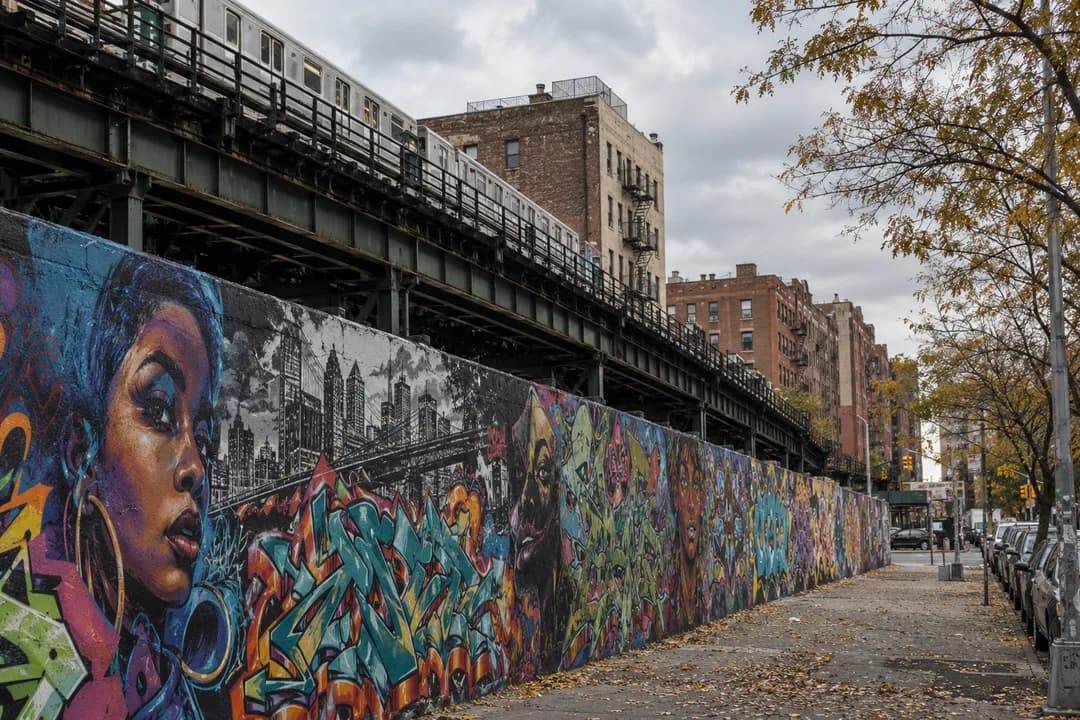
For street art near me in East Harlem, the Graffiti Hall of Fame is one of New York's most historic names. The site is associated with a long-running wall at Park Avenue and East 106th Street, where generations of writers have treated legal surfaces as a place for large-scale work. It is free to view from public areas, but access conditions can change, so plan to observe without assuming you can enter every enclosed space.
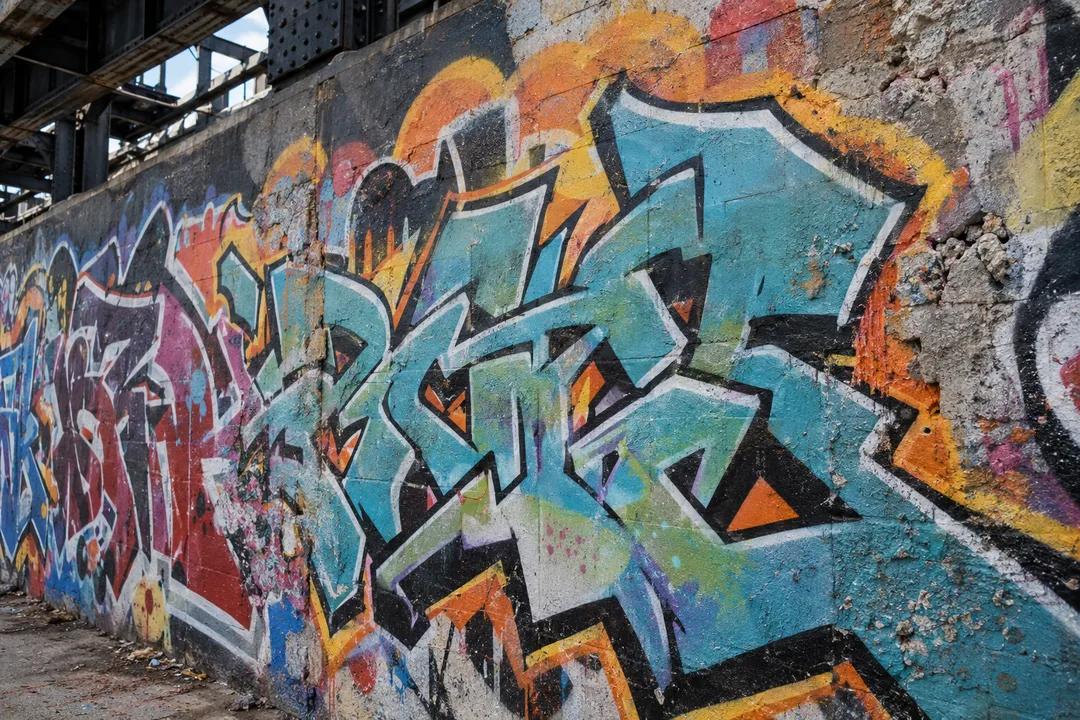
The Hall of Fame dates to the early 1980s and is tied to the legalization and recognition of graffiti writing in New York. It is not simply a decorative mural stop. The name carries a history of artists using permission, competition, and public visibility to establish a serious form. Current walls may include newer work, restored sections, or changed access. Historic importance does not guarantee that every original panel survives.
Because the site has had periods of restricted or complicated access, check recent local or organizer information before making a special trip. A sensible October 2026 plan is to treat the public street view as the baseline and any closer access as a bonus. Do not climb fences, enter a schoolyard, or cross a barrier for a photograph. The free price is tied to public viewing, not permission to ignore boundaries.
The art itself rewards a wide-angle reading. Letterforms, characters, outlines, highlights, and background fills can occupy an entire wall, and the dense composition may look chaotic until you follow one artist's color or line. Start with the full surface, then isolate a corner. The best detail is often where two styles meet, where an older layer shows through, or where a building seam interrupts an otherwise continuous piece.
A visit is easiest during daylight and in a group of one or two people. The intersection is active, and stopping in the wrong place can interfere with pedestrians. Keep your bag close, use a small camera, and avoid staging portraits in the traffic edge. There is no ticket line and no reservation list. The only practical queue advice is to wait for a safe, open moment at the curb before changing position.
Public transit is the natural way to reach East Harlem, with the nearby subway and bus network making a car unnecessary. If you drive, expect limited curb availability and do not treat the wall as a parking landmark. The better plan is to combine the Hall of Fame with a neighborhood route through 106th Street, Park Avenue, or nearby cultural institutions. Leave enough daylight for the return trip.
The site does not sell food, drinks, or merchandise as part of the experience, so budget $0 for admission and plan refreshments elsewhere. East Harlem has restaurants, bakeries, and cafes within a broader walking radius, but choose a stop that fits your route instead of inventing a menu for the wall. Carry water and be ready for city noise. This is an urban history visit, not a quiet park outing.
Photographers should watch the sun and the elevated tracks. Hard shadows can cut across lower panels, while softer morning or late-afternoon light reveals spray texture. A polarizing filter will not solve every contrast problem, so the most reliable approach is to return to the same panel from a different angle. Photographing the whole wall with passing trains can be more honest than trying to erase the neighborhood from the frame.
The Hall of Fame is also a lesson in how public-art destinations age. Paint fades, walls are repainted, nearby development changes sightlines, and the meaning of a legal space evolves. Do not compare today's wall to a famous archive photograph as if the difference were a failure. The change is part of the story. Street art near me searches often promise permanence; this site makes the temporary nature visible.
If the wall is inaccessible on your visit, keep the East Harlem plan rather than forcing the stop. Walk the surrounding blocks, look for other public murals from a respectful distance, and continue toward the neighborhood's food and cultural institutions. A backup route makes the trip worthwhile without putting pressure on one location. Check current hours or event notices when applicable, although the public street itself has no gallery schedule.
The most respectful behavior is simple: stay on public paths, do not touch paint, do not ask strangers to move for a frame, and do not photograph children without permission. If you see artists working, give them space and avoid questions while they are handling paint. The Hall of Fame's legacy depends on artists being able to work with trust. Visitors should add attention, not disruption.
Practical Notes: the historic wall is a free public-art viewing opportunity, but exact access may be affected by gates, school property, current programming, or neighborhood conditions. Verify the latest public information before traveling on October 10, 2026 or later. Bring daylight, walking shoes, and a backup East Harlem route. Never enter a restricted area for a closer image, and remember that public viewing is not the same as event admission.
This stop suits visitors who want street-art history, large letterform work, and an understanding of graffiti's place in New York culture. It is less suitable for anyone who needs a guaranteed indoor venue, quiet surroundings, or a perfectly preserved archive wall. Go with curiosity rather than a promise that the current surface will match a famous photograph. The value is in seeing a living tradition in a real neighborhood.
The Graffiti Hall of Fame is worth approaching as both a landmark and a question. What does a legal wall preserve, who gets to paint it, and how does a neighborhood remember work that can be covered next year? Those questions make the stop richer than a quick photo. Search street art near me for the route, then let East Harlem's traffic, elevated tracks, and changing paint explain why the site matters. A careful visitor can also use the Hall of Fame as a starting point for learning the vocabulary of New York writing. Notice the difference between fill, outline, highlight, character, and background rather than describing every piece as simply colorful. Do not copy a name or symbol you cannot identify, and do not assume a visible tag tells you who painted the larger wall. The history is layered and sometimes contested. Take a few notes, check reliable local sources later, and let the present wall stand on its own rather than forcing it to reproduce an archival image.
Ask Karpo for more information.
Keep reading
- Upper West Side Free Indoor Weekend Plan Finder for Music
 Astoria Free Indoor Weekend Plan Finder for Visiting Parents
 Williamsburg Free Indoor Weekend Plan Finder With Kids