 Flatiron Holiday Window Walk Planner for Remote Teams
Free Things to Do
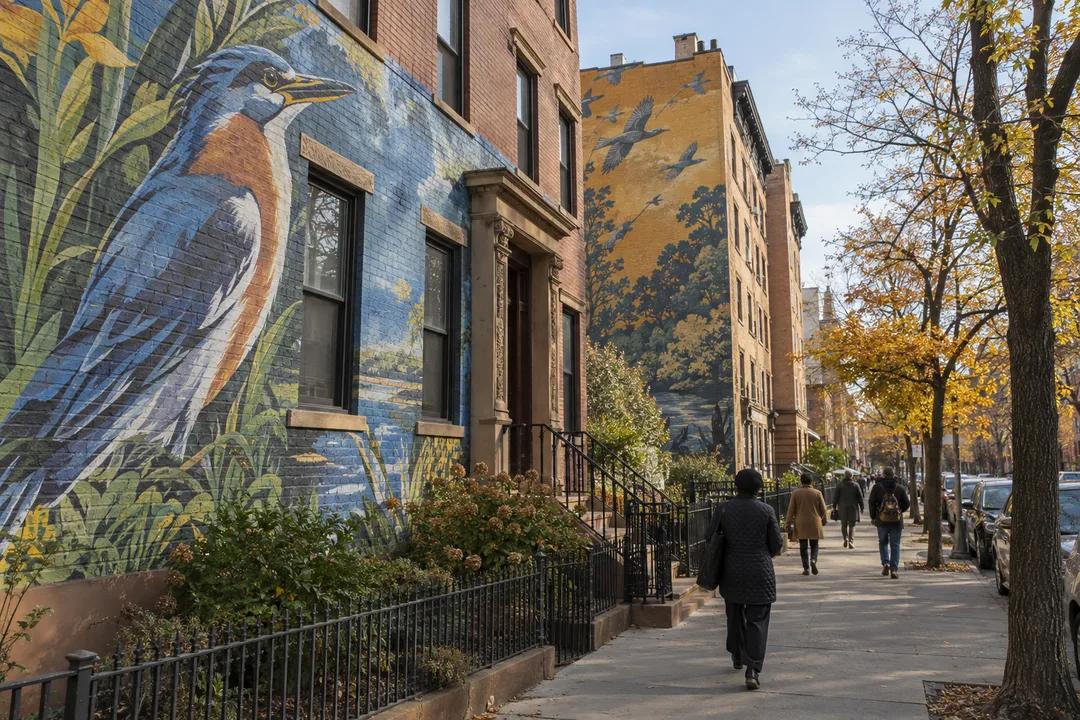
Street Art Near Me in Harlem: The Audubon Mural Project
A free Harlem mural walk through the Audubon Mural Project, connecting bird habitat, climate storytelling, and neighborhood-scale public art.
If you type street art near me while exploring Harlem, the Audubon Mural Project gives you a route with a clear idea behind it. Murals across northern Manhattan use birds and threatened habitat as a way to talk about climate, migration, and neighborhood life. There is no standard admission fee for seeing the outdoor work. The challenge is not finding one wall, but choosing a walk that lets the project unfold across several blocks.
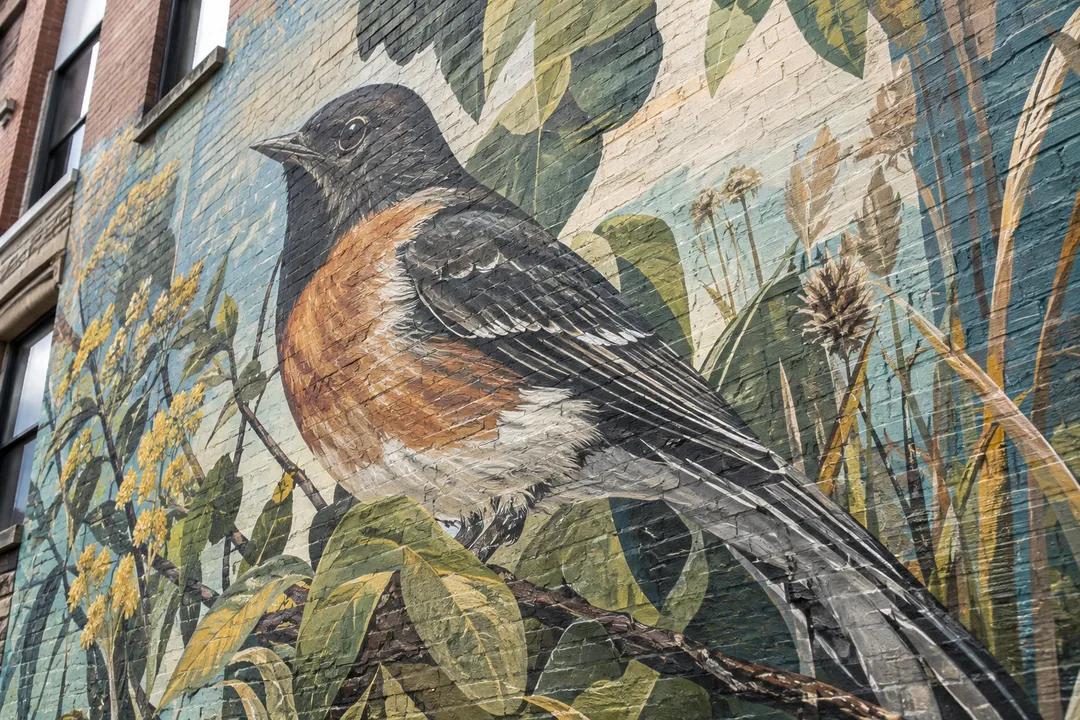
The project is connected to the National Audubon Society and public-art collaborators, with the long-term goal of depicting the 314 bird species threatened by climate change. Public sources describe more than 140 murals in the broader project. The exact count and locations can evolve, so use current project material when naming a specific wall. The reliable fact is the concept: bird habitat becomes visible through art in a lived urban landscape.
Give yourself two hours for a small cluster and longer if you want to connect multiple sections. Morning light is good for photographing brick and painted surfaces, while afternoon light can make saturated feathers and foliage glow. Wear shoes for uneven city walking and bring water. Because the project is outdoors, the price is $0 for casual viewing, with no queue or reservation unless you separately book a guided program.
The murals are not all visually alike. Some use large bird portraits that can be read from across the street; others layer plants, color fields, and neighborhood references into a denser scene. Before taking a close picture, stand across the street and identify the bird, habitat, and architectural frame. The public artwork becomes more legible when you see how a painted species relates to the block around it.
This is a good route for children because the bird theme gives them something concrete to look for, but sidewalks remain active public space. Keep groups compact, leave curb ramps open, and do not turn a building entrance into a viewing platform. If a mural is on private property, admire it from the public way. Free access depends on the project remaining compatible with the people and businesses that host it.
The easiest transportation plan is subway or bus followed by walking between murals. Driving creates more friction than it solves because the project is distributed and curb space is limited. Download or screenshot the current map before leaving if your connection may be unreliable. Mark one coffee or meal stop along the route, but avoid building an itinerary so dense that you spend the whole day looking at directions instead of the walls.
The project has no central concession stand or menu, so the cost of the art walk is $0. Harlem's restaurants and cafes make a natural pause, and a neighborhood lunch can turn the mural route into a fuller day. If you use a cafe as a meeting point, keep the stop separate from the artwork. Do not place food, bags, or bicycles against a painted facade for a staged photograph.
Look closely at how each mural handles motion. A bird may be shown flying across a corner, perched beside a window, or embedded in a pattern of native plants. Those choices make climate information emotional without turning every wall into a diagram. Notice also the scale shifts: one image may speak to a passerby from a block away, while another asks you to stop and read a small detail.
The best timing depends on your goal. Quiet weekday mornings are ideal for studying work and taking clean photographs. Weekends can add more neighborhood energy and make the walk feel social, but you will need patience around busy sidewalks. There is no entry line to beat. Instead, plan the order of the route so you reach the most light-sensitive walls before the sun moves behind taller buildings.
Street art near me results often focus on style, while the Audubon Mural Project adds a layer of subject matter. You can enjoy the color first and then learn the bird's habitat story. If a species is unfamiliar, make a note and look it up later rather than blocking the sidewalk. The project is strongest when the wall starts a question about a place beyond Harlem as well as a place within it.
Extend the outing through Hamilton Heights, Washington Heights, or a nearby park only after you have seen the murals you came for. A short green-space break can make the bird theme feel less abstract, especially if you notice real urban birds along the way. Keep the route flexible because a mural may be partly obscured by construction, parked vehicles, or a temporary street setup. The map is a guide, not a guarantee.
Practical Notes: outdoor viewing is free, but mural locations and public programming can change. Check the official Audubon Mural Project map and current partner information before traveling. Use a small camera, plan for several blocks of walking, and respect private property. A guided event may have separate registration or pricing, so do not confuse a free self-guided walk with a ticketed program.
This project suits families, birders, climate-curious visitors, photographers, and anyone who wants public art with an ecological thread. It is less suitable for a visitor who needs every piece in one compact plaza or who wants a guaranteed indoor rainy-day experience. The distributed route is the point. You are seeing a network of walls that links art, habitat, and Harlem rather than entering one finished exhibition.
The Audubon Mural Project works because it makes a global environmental problem local without shrinking it. A bird painted on a Harlem wall can be both a beautiful subject and a reminder that migration crosses boundaries. Search street art near me when you need a neighborhood art walk, then follow this project when you want the walk to leave you with a species, a habitat, and a reason to keep looking up. Bring binoculars only if they are compact and you can use them without blocking the sidewalk. The project can lead you from painted birds to real birds moving through Harlem, but the urban habitat is part of the lesson. A mural of a wetland species does not mean that species is nearby, and the artwork should not be used as a promise of a sighting. Keep the distinction clear: the wall communicates habitat loss and connection, while your walk supplies the local texture. That balance keeps the ecological story accurate and the visit grounded in the neighborhood.
Ask Karpo for more information.
Keep reading
- Flatiron Holiday Window Walk Planner for Remote Teams
 SoHo Holiday Window Walk Planner for a Sketchbook Afternoon
 Upper East Side Holiday Window Walk Planner After a Museum