 Fast Food Near Me in the East Village: Crif Dogs Deep-Fries Its Franks
Free Things to Do

NYC stimulus check guidance in 2026 for city residents
How NYC residents can navigate 2026 relief programs, credits, and free city resources now that pandemic-era stimulus checks are over.
There are no new federal stimulus checks scheduled for 2026, and the pandemic-era direct payments that many New Yorkers remember are now historic programs from 2020–2021. Any “2025 stimulus” articles you see online are outdated; in 2026 the real opportunity lies in ongoing benefits like tax credits, SNAP, housing assistance, and occasional targeted relief funds from New York City and New York State. This guide cuts through the noise so NYC residents understand what “stimulus” realistically looks like now, how to check for credible programs, and how to plan a single day around key offices and free local resources without burning transit fares or your time.
If you’re feeling overwhelmed by mixed messages about stimulus checks and relief money, save this guide and keep it handy before you call, click, or visit any office. Use it as a step-by-step playbook: we’ll point you to official NYC and federal sources, then layer on a realistic, time-of-day itinerary so you can combine errands, financial help, and free things to do in one efficient day.
Morning reality check: what “stimulus check” means in 2026
In 2026, there is no federal program sending new general stimulus checks to all adults the way the IRS did during the COVID-19 emergency. The well-known payments—the Economic Impact Payments—were tied to specific laws passed in 2020 and 2021 and are no longer being issued. When you see social posts or old articles talking about a new stimulus for 2025, treat them as historical or clickbait, not current cash you can count on in your budget.
Instead, the closest thing to a “modern stimulus” for NYC residents is a mix of ongoing federal and state benefits: the Earned Income Tax Credit (EITC), the Child Tax Credit (CTC), unemployment insurance, SNAP food benefits, and targeted local assistance like housing support or utility help. These don’t arrive as surprise checks; they’re tied to applications, income, family size, and tax filing. Think of them as part of your financial toolkit rather than one-time windfalls.
Start your day by resetting expectations: make coffee, open a browser, and plan to spend 30–45 minutes verifying what you’re eligible for. Focus on official sites like IRS.gov for tax credits, NYC.gov for city-run programs, and NewYorkState.gov for statewide benefits. Because rules change, never rely on last year’s article or a viral video; always click through to the current-year page before you make money decisions.
Mid-morning online check: federal and state benefits
By late morning, focus on federal and state benefits you can’t afford to miss. On the federal side, the IRS Economic Impact Payments page explains that pandemic stimulus is over but details how past payments were tied to tax returns and Recovery Rebate Credits. In 2026 your main federal levers are filing taxes on time, claiming EITC and CTC if eligible, and checking your IRS online account for any past-credit issues. If you haven’t filed in recent years, catching up can sometimes unlock refunds you didn’t realize you were owed.
For state-level help, New Yorkers should look at New York State’s benefits portals, which typically centralize unemployment insurance, Medicaid, and other programs. These benefits don’t use the term “stimulus,” but they often deliver far more value over a year than a single check ever would. The state also coordinates with federal nutrition programs like SNAP, which are accessed through combined state-federal systems rather than local city websites.
Make this an at-home task between breakfast and lunch: keep your documents close, note your logins, and write down questions. If you’re unsure about something complicated—like back taxes or mixed immigration status—pause instead of guessing. Many NYC nonprofits and legal-aid providers offer free or low-cost assistance on these topics, but you’ll get more out of those conversations if you arrive with a clear list of questions from your mid-morning research.
Afternoon city focus: NYC-specific assistance, not stimulus checks
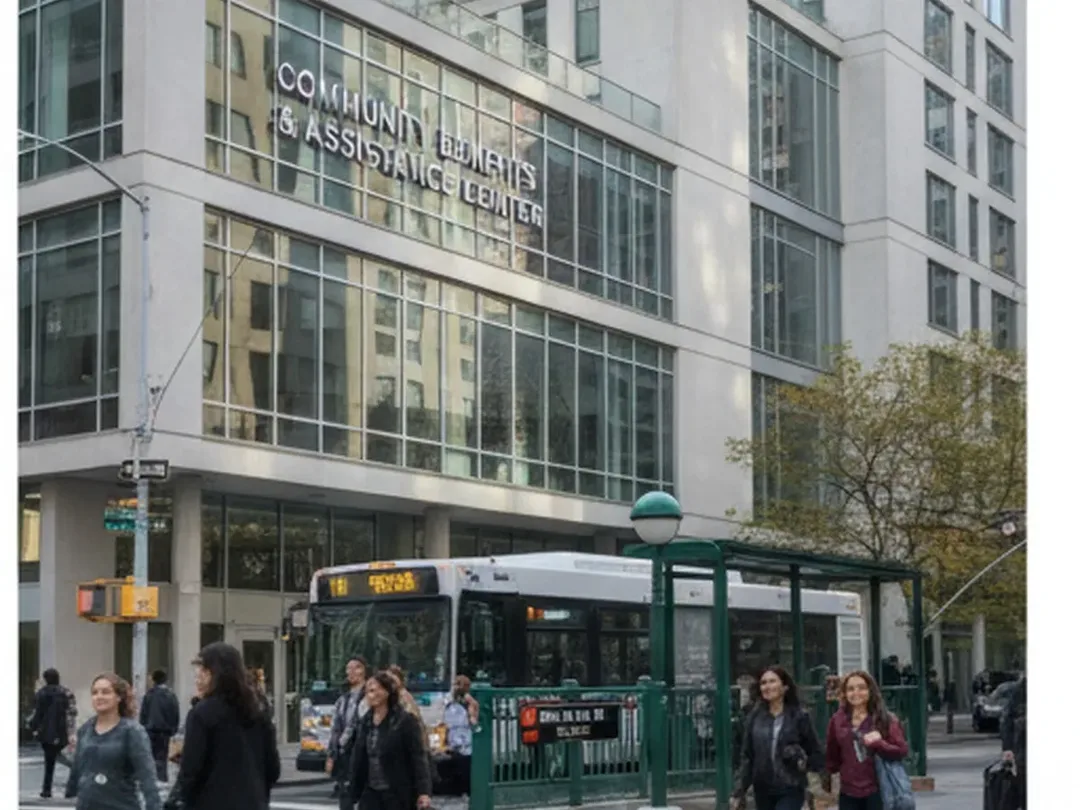
After lunch, shift attention from national programs to what New York City itself offers in 2026. The city’s main portal, NYC.gov, links to the Human Resources Administration (HRA), Department of Social Services, and housing-related offices that run local assistance for food, cash aid, emergency rental support, and utility relief. These programs are ongoing safety nets rather than one-time federal stimulus checks, but for many residents they function as the real, practical “extra money” that keeps a household stable.
Because eligibility and funding details change, always read the current HRA or NYC.gov page instead of relying on social media summaries. Some programs are targeted—such as emergency help for eviction risk or domestic violence survivors—while others are broader cash assistance tied to income and residency. None of these are automatic; you’ll need to apply, provide documentation, and sometimes attend interviews. Expect processing times to vary, especially if demand is high or you apply right after a policy change.
If you’d rather not do everything online, plan an afternoon visit to a local Job Center, SNAP center, or community-based organization that partners with the city. Before you go, double-check the address, hours, and any appointment requirements on NYC.gov. Transit-wise, combine this trip with errands: choose a center near your usual subway line (like the A/C, 4/5/6, or N/W) and be prepared for security screening and waiting rooms. Take this opportunity to ask staff about all programs you might qualify for, not just the one that brought you in.
Late afternoon: pairing benefits errands with free city perks
Once you’ve visited a benefits office or finished online applications, you may be emotionally drained—and that’s exactly when to lean into free or low-cost NYC perks instead of going straight home. For August and warm-weather months, resources like city guides and event roundups highlight free outdoor movie nights, park concerts, and cultural events that require no ticket purchase. These can turn a stressful day of paperwork into a more balanced one, especially if you invite a friend to join you afterward.
To minimize transit spending, pick free activities near your benefits errand. Many HRA or housing offices are close to central hubs like Downtown Brooklyn, Lower Manhattan, or the Bronx civic centers. In these neighborhoods you’ll often find public plazas, waterfronts, and parks where you can decompress without spending money—think walking the Brooklyn Bridge, sitting along the East River, or exploring large parks that host free cultural programming. Check official parks or venue websites day-of to confirm event times and weather plans.
This pairing strategy serves two goals: first, you avoid treating benefits errands as purely negative experiences, and second, you reinforce the reality that relief programs are just one part of your larger city life. Saving a little on transit and entertainment by choosing free events effectively stretches any assistance you do receive—something that matters more in 2026’s cost-of-living landscape than chasing rumor-driven “new stimulus checks” that don’t exist.

Early evening: financial counseling and literacy resources
As the afternoon shifts to early evening, consider using one of NYC’s strongest free offerings: financial counseling and literacy workshops hosted in public libraries, community centers, and partner nonprofits. The New York Public Library, Brooklyn Public Library, and Queens Public Library regularly list events like budgeting classes and credit-repair talks on their official calendars, and these are typically free to attend with simple registration. These sessions won’t hand you a stimulus check, but they can help you make the most of any tax credits, refunds, or benefits you receive.
Some organizations operate formal counseling programs where you can sit down one-on-one with an advisor to review your budget, debt, and savings goals. Many are funded by the city or philanthropic partners, which keeps them free or low-cost for residents. Because offerings change over time, always confirm the date, time, and location on the institution’s own website rather than relying on a listing from last year or another city.
An evening workshop pairs well with a day that started with benefits research. You can walk in with the numbers from your applications, tax returns, or projected refunds and ask targeted questions like: “If I receive X in EITC, what’s the smartest way to divide it between debt and savings?” Over time, this planning mindset is worth more than a one-off check—it helps you rebuild resilience even when big federal programs aren’t on the horizon.
Night backup plan: when help is delayed or you’re not eligible
Not everyone will qualify for major credits or assistance, and even if you do, decisions can take weeks. Your night plan should acknowledge that reality and focus on what you can control when no check is coming soon. First, bookmark and revisit official information pages: IRS.gov for any tax updates, NYC.gov and NewYorkState.gov for benefits changes, and library or nonprofit calendars for fresh workshops. Make a habit of checking monthly, not daily, to avoid panic scrolling and misinformation.
Second, build a backup budget that assumes no new stimulus check in 2026, then treat any unexpected refunds or credits as a bonus rather than a necessity. Pair that with free or nearly free city activities to maintain quality of life: picnics in parks, window-shopping walks through different neighborhoods, open public art installations, and occasional free-ticket programs at museums or performance spaces highlighted by local guides. When you line these up thoughtfully, you can have a fulfilling NYC experience while still prioritizing rent, food, and essential bills.
If you find yourself in immediate crisis—like facing eviction or food insecurity—skip generic internet advice and go straight to official emergency resources listed on NYC.gov or major nonprofit sites. Many agencies operate hotlines and rapid-response programs specifically for urgent situations. These aren’t stimulus checks, but they are designed for speed and can make the difference between short-term instability and getting back to a place where longer-term benefits and planning can help.
Ask Karpo first
When you’re unsure if an online “stimulus” headline is real, start by asking Karpo to point you toward the latest official IRS, New York State, and NYC.gov pages for your situation. Then we can help you weave those links into a practical, neighborhood-based plan for the day—combining office visits, library workshops, and free local events—so you’re not just chasing rumors, you’re building a stable routine in the city you call home. This is general information, not personalized legal, tax, or benefits advice; always confirm details on official government and nonprofit websites before you make decisions about your money or eligibility.
Karpo is your proactive NYC lifestyle sidekick, helping you connect verified information with how you really move through the city every day.
ask_karpo
Tags: #stimuluscheck #nycbenefits #freethingstodo #financialhelp #moneysaving #nyclifestyle #title #NYCstimuluscheckguidancein2026forcityresidents #NYC #KarpoFinds #AskKarpo
Sources consulted: IRS – Economic Impact Payments · IRS – Earned Income Tax Credit · IRS – Child Tax Credit · NYC.gov – City Services and Benefits · Secret NYC – Best Things To Do in NYC August 2026 · NYTimes – 33 Things to Do in NYC in August 2026 · New York Public Library – Events Calendar · Brooklyn Public Library – Events Calendar
All trademarks are the property of their respective owners.
Ask Karpo first
Need help sorting through benefit jargon, finding a nearby financial counseling session, or figuring out what to do while you wait on an application decision? Drop Karpo a quick question with your neighborhood and rough schedule, and we’ll build you a customized, up-to-date game plan that pairs money-help resources with free, low-stress ways to enjoy the city while you get your finances back on track.
Ask Karpo for more information.
Keep reading
- Fast Food Near Me in the East Village: Crif Dogs Deep-Fries Its Franks
 Things To Do Near Me in NYC: Riding the Roosevelt Island Tram
 Things To Do Near Me in Washington Heights: The Cloisters' Medieval Galleries