 Chelsea Consignment Shop Crawl Planner for Your First Studio
Hidden Gems & Odd Finds
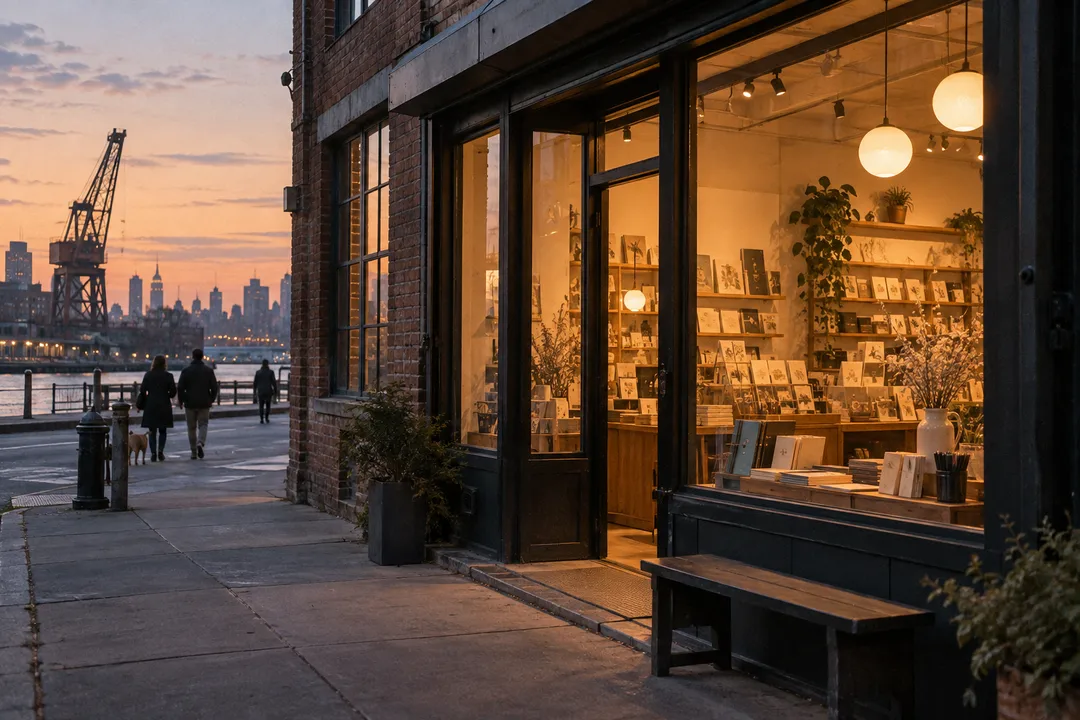
Yoseka Stationery Paper Shop in Greenpoint: Test Pens
Yoseka Stationery at 63 West Street is a Greenpoint stationery paper shop for Japanese notebooks, fountain pens, inks, and hands-on testing.
Yoseka Stationery is at 63 West St in Greenpoint, close to the waterfront and the neighborhood’s industrial edges. It is a stationery paper shop for people who want to test a pen, compare an ink color, and handle Japanese notebooks before committing. The shop feels more like a working studio than a gift boutique: displays invite you to touch, write, and notice how paper changes the experience of a tool.
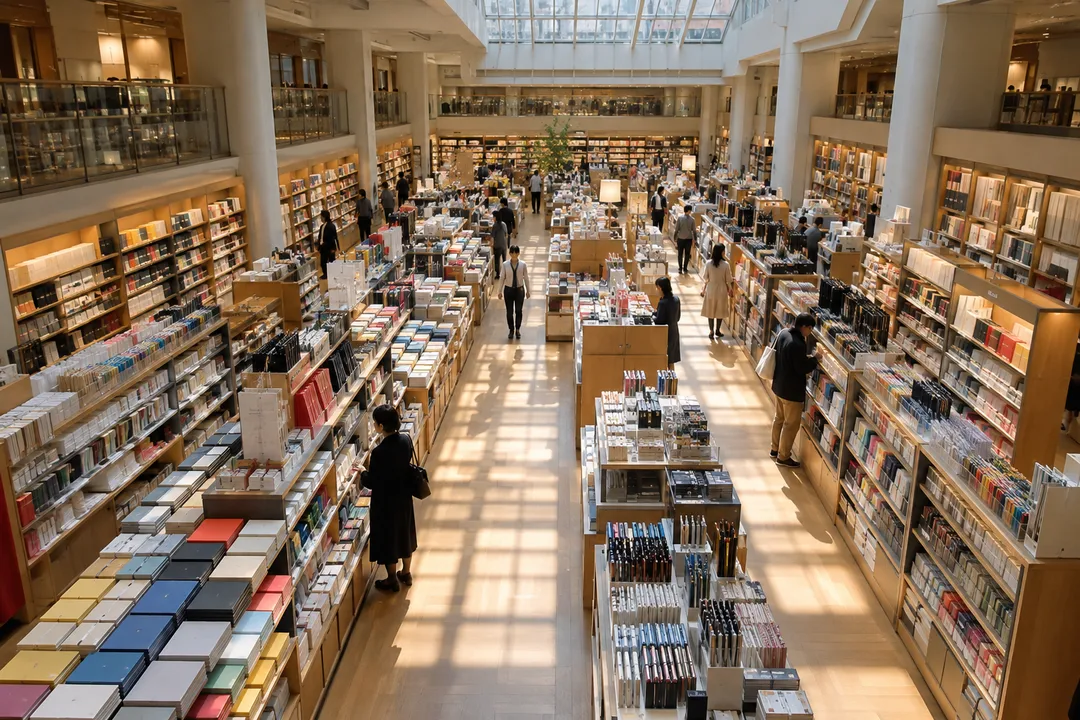
Why testing matters
Fountain pens and inks are unforgiving online. Yoseka’s strength is the chance to see a nib on paper, watch an ink shade dry, and compare notebook formats with your own hand. The writing tables turn shopping into a small experiment. If you already know the exact model you want, you can be efficient; if you are curious, leave time for a slow loop through pens, inks, paper, and accessories.
Build a useful kit
Start with the habit, not the brand. A daily planner needs different paper and binding from a sketch notebook or a travel journal. Yoseka’s Japanese selection makes it easy to compare slim books, structured planners, loose sheets, and writing tools in one stop. Pick one notebook, one pen, and one ink sample before adding extras. The restrained approach keeps a stationery haul from becoming a drawer of unused objects.
The store’s quiet etiquette
Visitors tend to spread out around the testing areas, so keep caps and sample cards together. Ask before opening a sealed package, and return a pen to the same tray after testing. Staff are generous with explanations when you describe your writing style or paper preference. The shop works best as a shared lab: explore carefully, leave the station ready for the next person, and let the tools do the talking.
Timing your trip
Greenpoint is calmer on weekday afternoons than on weekend midday, when stationery fans and waterfront walkers overlap. If the testing tables are full, browse the shelves first and return once a seat opens. The shop is not a place to speed-run; five extra minutes with an ink sample can prevent an expensive mismatch. Build in time for the riverfront after you finish.
A Greenpoint destination
Yoseka has helped make Greenpoint a destination for modern stationery culture, especially for writers who care about Japanese paper and fountain-pen performance. The shop’s story is less about decoration than knowledge: tools are presented with enough context to make a choice. That educational quality is why people return, bringing a new notebook or a different nib question each time.
Make the waterfront part of it
From 63 West Street, walk toward the East River and follow the Greenpoint waterfront south or north depending on the light. The industrial views give the stationery stop a sense of place, and the open space is a useful contrast to close-up testing at the writing tables. You can also continue toward McCarren Park for a longer neighborhood loop before heading back to the subway.
Who should visit
Yoseka is ideal for fountain-pen users, journalers, planners, artists, and anyone who wants a Japanese stationery paper shop with hands-on testing. It is less useful if you only need a basic pad immediately. Regulars often arrive with a notebook in a bag so they can test a new pen on familiar paper. That small habit makes the visit more accurate and more fun.
Practical notes
The address is 63 West St, Brooklyn, NY 11222, and the official site is yosekastationery.com. The shop is in Greenpoint, a walk from the G train and reachable from the waterfront route. Bring a small pouch for samples and avoid carrying an open drink near the testing area. The best visit leaves you with a tool that fits your actual writing routine.
My honest take
The testing tables are the reason to cross town; the selection alone is not the whole story. If you cannot spend a few minutes writing, Yoseka may feel slower than a department-store stationery aisle. If you care about nib feel, ink behavior, or paper texture, the extra time pays off. Skip buying a full ink bottle until a sample has dried on your preferred notebook.
If the shop is full
Let the waterfront absorb the delay. A short loop along the river gives you room to decide what you really need, and returning later is better than hovering over a tester. For a larger all-purpose bookstore selection, Kinokuniya is the Midtown alternative; for a tiny gift-focused shop, Niconeco offers a different East Village mood. Yoseka is the specialist stop.
Plan the outing
Treat Yoseka as a half-day Greenpoint destination: test one pen, compare two papers, choose a notebook, then walk the waterfront. That sequence turns a stationery paper shop search into a real neighborhood outing. You leave with fewer, better-chosen tools and a clearer idea of how they will behave after the first page.
The last decision is the useful one
Before checkout, choose the item you can explain in one sentence: a notebook for morning pages, a pen for small handwriting, or an ink for letters. That test keeps the visit grounded while the shelves invite endless curiosity. Yoseka’s best purchases feel immediately usable, and the Greenpoint walk gives you a chance to start that habit. The shop is memorable because it connects product knowledge with an actual writing life, one page at a time.
Use the samples honestly
Ink swatches can look dramatically different under store light and daylight, so let a test dry before deciding. Write a sentence rather than a single loop; pressure, speed, and paper coating all change the result. Compare the same pen on two notebooks if you are choosing a daily carry book. Yoseka’s value is not just access to products but the permission to notice these differences before spending. That makes the shop useful for beginners as well as collectors who already know their preferred nib size.
A reason to return
A good first visit often creates the question for the second: how does this ink behave after a week, or which paper handles a broader nib? Keep that question in mind as you walk Greenpoint. The store’s setting encourages repeat visits because the neighborhood changes with the weather, and the tools change with your routine. Buy one useful item, use it, then come back with evidence instead of guessing from a shelf label.
Ask Karpo for more information.
Keep reading
- Chelsea Consignment Shop Crawl Planner for Your First Studio
 East Village Consignment Shop Crawl Planner: Leather Jackets
 Harlem Consignment Shop Crawl Planner for a Jazz Night Look