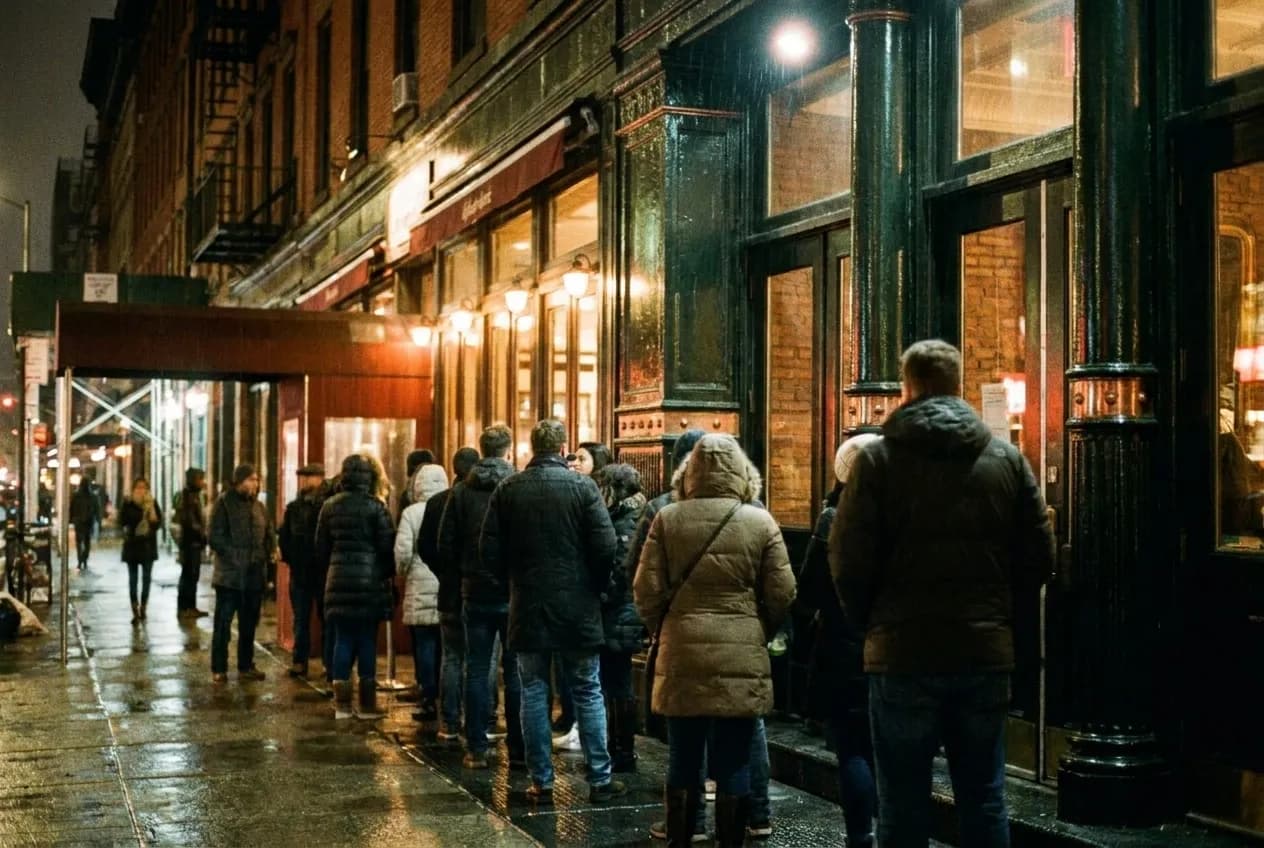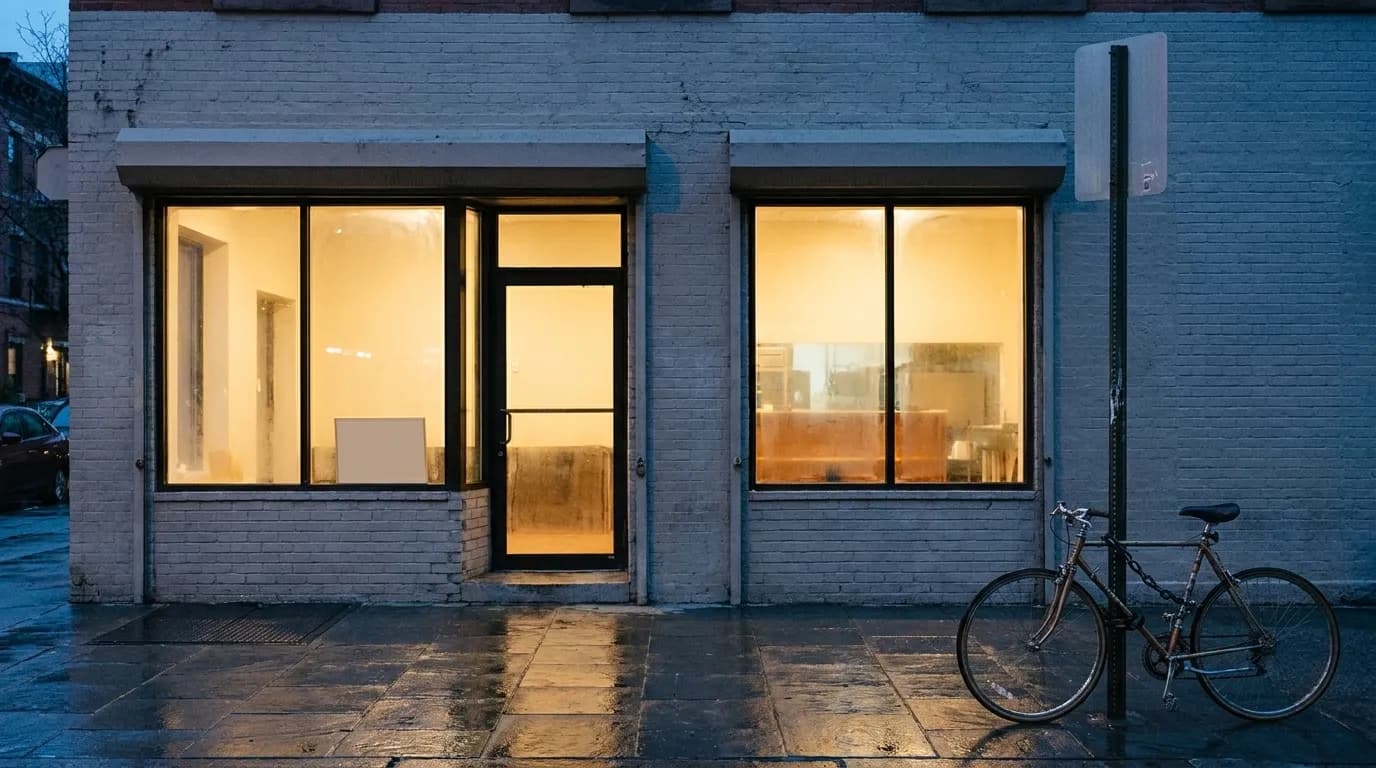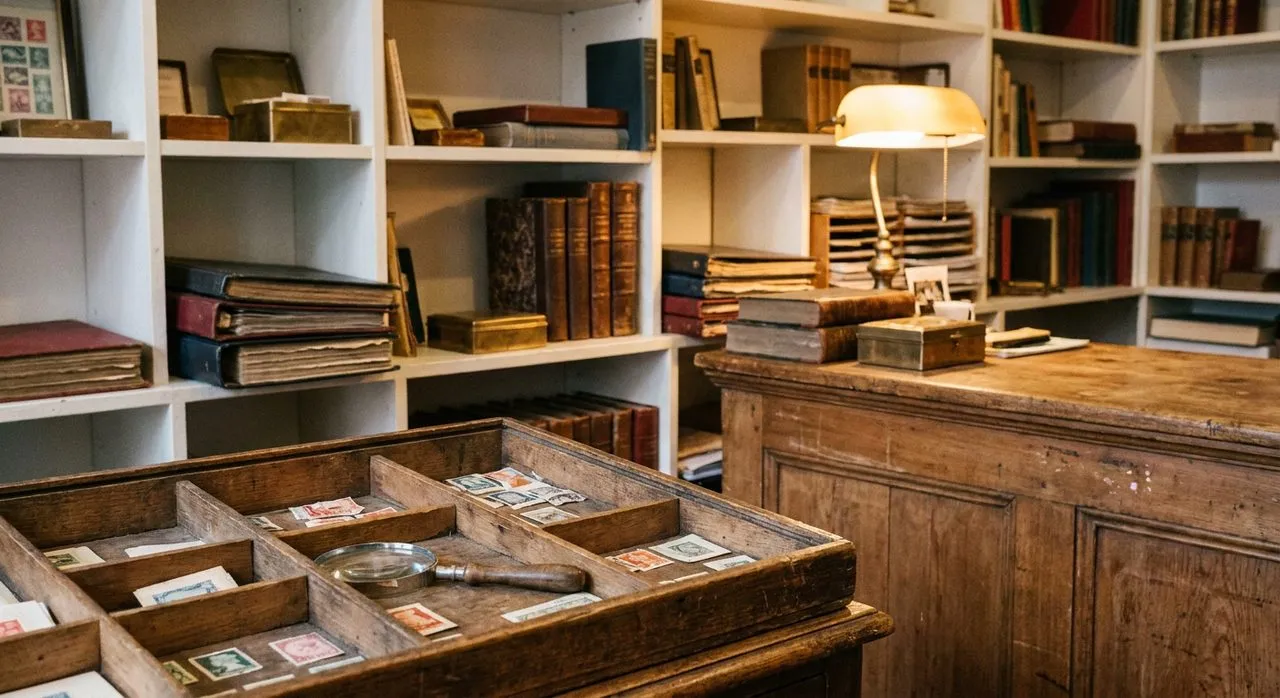
There's a particular quality of light in these shops—filtered through glass cases, bouncing off cellophane sleeves and archival binders—that feels borrowed from another era. Step into one of Midtown's remaining philatelic or numismatic dealers on a late-May afternoon and you'll find yourself in a hushed space where time pools differently. Outside, the Sixth Avenue traffic roars. Inside, someone leans over a magnifying loupe, studying the perforation pattern on a 1920s airmail stamp with the intensity of a surgeon. These aren't hobby shops in the casual sense. They're repositories of hyper-specific knowledge, staffed by specialists who can discourse for twenty minutes on mint marks or watermark variations without once glancing at their phone.
The enduring appeal of tangible rarity
In an age when most collections live in cloud folders and blockchain ledgers, the persistence of physical stamp collecting nyc and coin dealing feels almost defiant. Yet the dealers who've weathered decades of rent hikes and neighborhood turnover will tell you—often unprompted—that there's something irreplaceable about holding a Morgan silver dollar or a pre-war postal block in your hand. Weight matters. Texture matters. The faint metallic scent of old coins, the papery whisper of hinge-mounted stamps turning in an album: these are sensory anchors that JPEGs can't replicate.
The clientele skews older, yes, but not exclusively. A surprising number of thirty-somethings have drifted in over the past few years, drawn by the same analog hunger that's revived vinyl records and mechanical watches. They arrive skeptical and leave with a glassine envelope containing three mercury dimes or a sheet of commemoratives from the 1960s, suddenly alert to the notion that value and story can fit in a shirt pocket.
What you'll find behind the counter
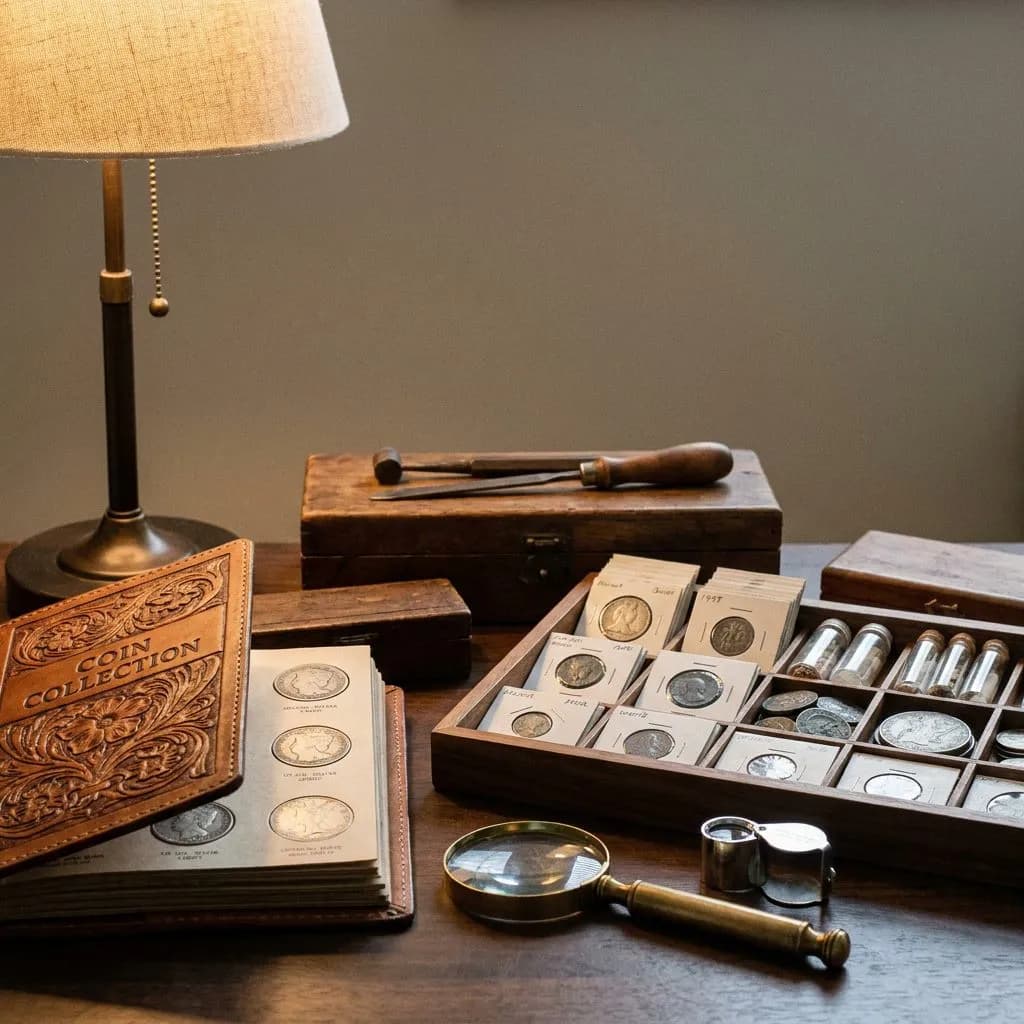
The typical Midtown dealer occupies a narrow storefront or a second-floor walkup, walls lined floor-to-ceiling with stock books and reference catalogs whose spines have gone soft from handling. Display cases run the length of the room, their felt-lined trays presenting coins in orderly rows: Indian Head cents, Standing Liberty quarters, gold sovereigns, commemorative half-dollars. Stamps are often filed in vertical drawers or housed in albums stacked on shelves, organized by country, era, and theme. The taxonomy is arcane but rigorous.
Behind the counter sits the dealer—sometimes the same person who's manned that stool for thirty years—flanked by reference guides, a jeweler's loupe, and a desktop scale sensitive to fractions of a gram. Conversation flows in two registers: brisk and transactional for the regular who knows exactly which series he's hunting, leisurely and digressive for the novice willing to listen. Ask about a coin's provenance and you might get a five-minute story involving an estate sale in Dutchess County and a shoebox full of mercury dimes that hadn't seen daylight since 1952.
The quiet ritual of appraisal
Bring in a inherited collection—say, your grandfather's album of mid-century stamps or a coffee tin of wheat pennies—and the appraisal unfolds with methodical care. The dealer will page through slowly, pausing to scrutinize condition, checking for centering, hinge remnants, oxidation. A loupe comes out. Sometimes a reference catalog is consulted. The air thickens with concentration. This is not a hurried process, and attempting to rush it marks you as an outsider.
What you learn, if you stay long enough to watch, is that most inherited collections hold more sentimental than monetary value. But every so often—maybe once a month—something genuinely noteworthy surfaces: a proof coin in uncirculated condition, a scarce overprint, a sheet of inverted Jenny replicas that turn out to be the real thing. Those moments sustain the dealer through the long stretches of polite declines and five-dollar purchases.

Why Midtown, and why now
Midtown's density of office buildings once made it the logical hub for coin shop manhattan businesses. Lunch-hour collectors, bankers with pocket change, travelers passing through Penn Station—all provided a steady flow of foot traffic. That calculus has shifted. Remote work hollowed out the weekday crowds; rents climbed while customer bases aged. Several longstanding dealers have closed in the past decade, their inventory absorbed by competitors or dispersed at auction.
The handful that remain do so through a mix of online sales, appointment-based consignments, and the stubborn inertia of long leases. There's also a network effect: serious collectors know where to go, and reputation compounds over decades. A dealer who's fair, knowledgeable, and discreet will draw clients from across the tristate area and beyond. In late May 2026, as the city flirts with early summer heat and tourists pack the sidewalks around Bryant Park, these shops remain cool, dim refuges—a Midtown secret hidden in plain sight.
What to know before you visit
Come prepared to browse slowly. This is not a quick-hit errand. If you're selling, bring your material in protective holders—coins in flips or capsules, stamps in glassines or stock pages—and be prepared for honest assessments that may deflate eBay-fueled expectations. If you're buying, ask questions. Dealers appreciate genuine curiosity and will often pull out reference material or show comparative examples. Don't expect haggling; prices are usually firm, based on catalog guides and current market data. And silence is fine. The best dealers are comfortable with long pauses, understanding that contemplation is part of the ritual.
Practical notes
Most of Midtown's remaining stamp and coin dealers cluster within walking distance of the 34th Street–Herald Square or 42nd Street–Bryant Park subway stops, served by multiple subway lines, including those near Herald Square and Bryant Park. Street parking is scarce and expensive; public garages near Penn Station or the Port Authority offer alternatives if you're driving. Hours vary—hours vary widely; call ahead or check each dealer’s current hours, but it's wise to call ahead or verify hours directly, especially around holidays. Accessibility can be mixed; some shops occupy second-floor walkups without elevator access. Bring a list of what you're seeking, any reference numbers from catalog guides, and patience. Payment methods vary by shop; many accept cards, but cash may still be preferred by some dealers.
Tags: #StampAndCoinShops #MidtownManhattan #TheOddEdit #NumismaticNYC #PhilatelicFinds #CollectorCulture #NYCHiddenGems #AnalogObsession #MidtownSecrets #CoinCollectors #StampCollectors #VintageNYC #CityFinds #Spring2026 #KarposFinds
Sources consulted: Stamp Collecting (Wikipedia) · Coin Collecting (Wikipedia) · Midtown Manhattan (Wikipedia) · Time Out New York · NY Times - New York Region
All trademarks are the property of their respective owners.