 Chelsea Consignment Shop Crawl Planner for Your First Studio
Hidden Gems & Odd Finds
New York Specialty Woodworking Supply for Exotic Hardwoods
Locate specialty woodworking supply sources across New York for rare exotic hardwoods, luthier tonewoods, and custom lumber with the Karpo APP planner.
J.H. Monteath Co. represents one of New York's oldest timber trading lineages, connecting regional artisans with specialty woodworking supply materials since its founding in 1856. Established on White Street in Lower Manhattan by Scottish timber merchant John H. Monteath, the business originally distributed imported tropical hardwoods to immigrant European craftsmen—a pioneering trade known locally as the Stickwood Business. As documented on monteath.com, the historic company has continuously served fine furniture makers, luthiers, and architectural woodworkers across New York City for over a century and a half, expanding from historic Manhattan and Brooklyn yards into its modern regional distribution hub that supplies the five boroughs.
Acoustic Tonewoods and Luthier Soundboards
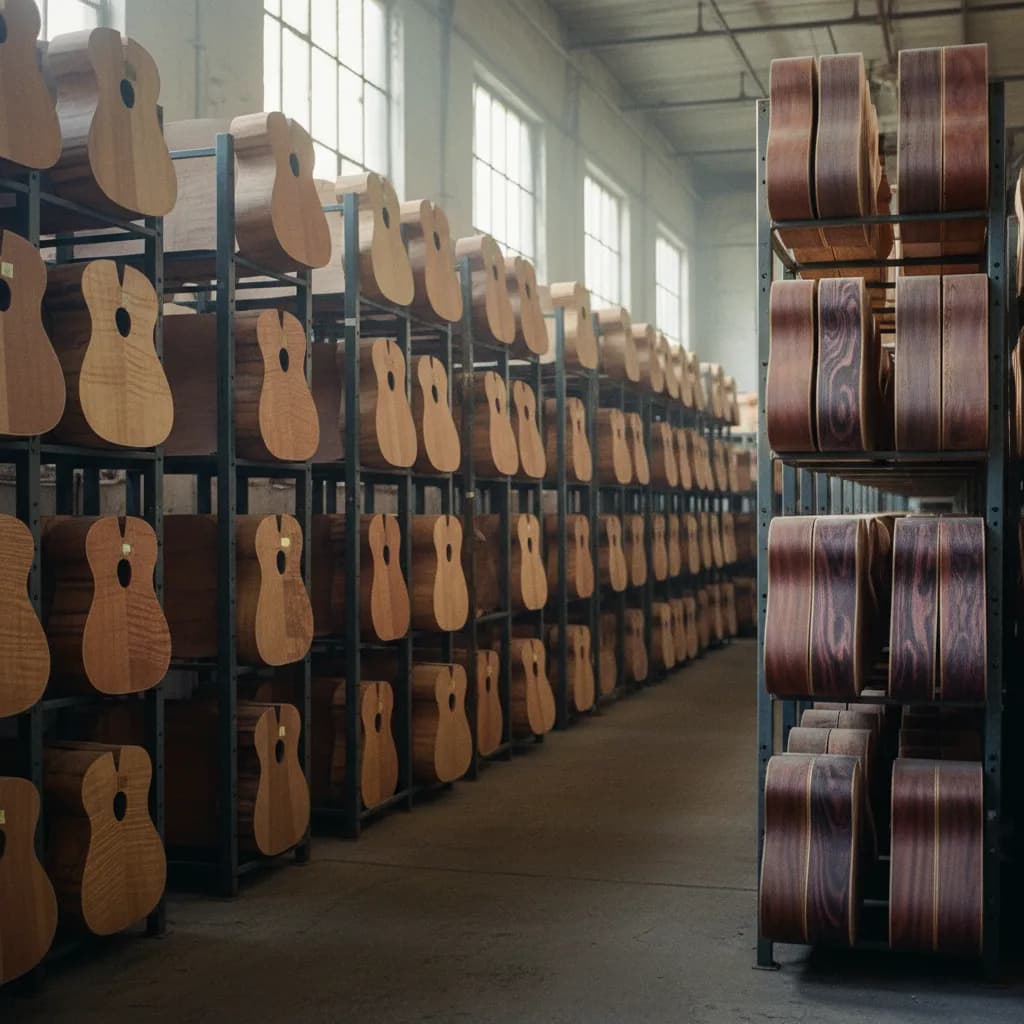
Musical instrument makers hold stringent standards for timber density, stiffness, and resonant frequency when crafting acoustic guitars, mandolins, and violins. The specialty hardwood reserve includes quarter-sawn Sitka spruce soundboards, curly tiger maple back and side sets, and dense African ebony fingerboard blanks seasoned over decades.
Instrument builders examine boards not merely for visual beauty, but for acoustic tap tone and grain parallelism. Selecting air-seasoned rosewood or Honduran mahogany ensures that musical necks remain straight under string tension while transmitting rich harmonic overtones throughout the soundbox.
Figured Hardwood Slabs and Bookmatched Flitches
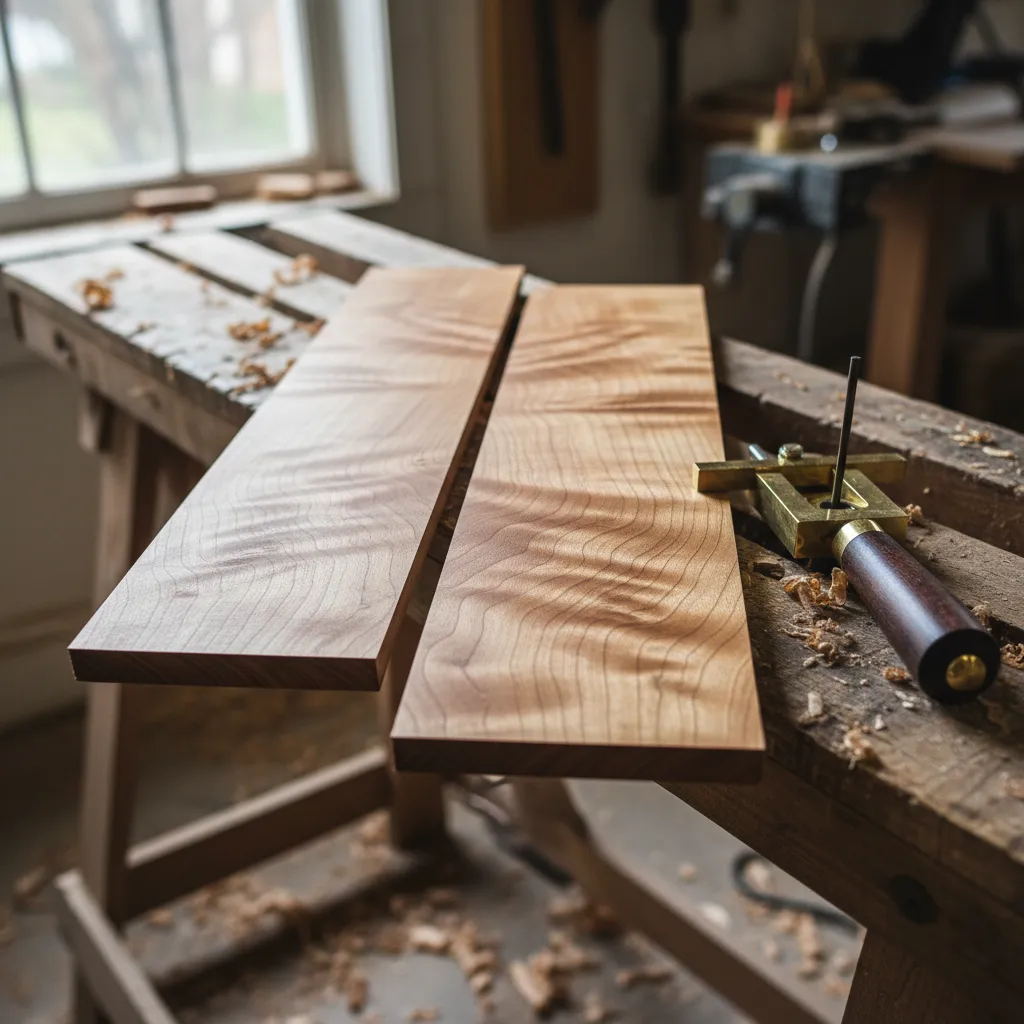
Custom dining tables and executive desks often center on live-edge timber slabs displaying dramatic natural figure, including crotch walnut, bird's-eye maple, and figured bubinga. Specialty timber importers preserve sequence-cut flitches from single logs, enabling craftsmen to create symmetrical bookmatched surfaces with mirror-image grain flow.
Because working with dense exotic timbers requires careful moisture management, lumber is kiln-dried slowly to relieve internal stress and prevent warping. Craftsmen can select slabs with wild curly grain or deep fiddleback patterns, knowing the timber has been stabilized for long-term domestic interior climate control.
Sustainable Forestry and Specialty Turning Squares
Modern woodworking ethics demand responsible timber sourcing, and specialty lumber suppliers adhere strictly to CITES regulations and sustainable forestry initiatives. Certified alternatives like plantation-grown sapele, padauk, and wenge deliver the density, color depth, and structural stability of traditional exotic hardwoods without contributing to habitat depletion.
Woodturners and architectural carvers benefit from square turning blanks waxed on the ends to prevent checking during acclimatization. These dense blocks carve crisply under sharp chisels, taking intricate thread cuts and high-friction wax polishes without grain crumbling.
Veneer Leaves and Architectural Marquetry Stock
For craftsmen working on intricate marquetry panels, decorative jewelry boxes, or curved tambour doors, solid timber is often impractical or dimensionally unstable. Heritage timber suppliers provide sequence-matched natural wood veneer leaves sliced to paper-thin tolerances from prized log flitches.
These raw wood veneers encompass rare figures such as quilted pommele sapele, English brown oak, and burl walnut. Applying these delicate sheets over stable multi-ply substrates enables woodworkers to achieve breathtaking visual patterns that remain completely flat across seasonal humidity shifts.
Grading Standards and Board Foot Measurement
Navigating hardwood lumber yards requires familiarity with traditional National Hardwood Lumber Association grading rules. Understanding the distinctions between FAS (Firsts and Seconds), Select, and Common grades allows woodworkers to balance project budgets against yield requirements.
For small turning projects or segmented vessels, lower-grade lumber with natural knots and grain swirls often yields more character than clear, straight-grained architectural stock. Experienced lumber yard staff help calculate board foot measurements accurately, ensuring makers purchase the right timber volume without excessive waste.
Wood Movement Dynamics and Acclimatization
Working with dense exotic woods in the northeastern climate demands thorough understanding of radial and tangential shrinkage rates. Species like ipe, teak, and rosewood exhibit high density and natural oils that slow moisture absorption, requiring weeks of shop acclimatization before final dimensioning.
Knowledgeable woodworkers keep timber elevated on stickers in their workshops, allowing air to circulate evenly across both faces of each board. This patient conditioning prevents cupping and case-hardening, ensuring that mortises, tenons, and sliding dovetails fit with flawless precision upon final glue-up.
Historic White Street and Tribeca Architectural Timber Stroll
Following a day spent specifying exotic timber selections and planning joinery projects in New York, visit the historic Tribeca cast-iron district centered around White Street, where John H. Monteath first established the Stickwood Business in 1856. The neighborhood's landmark mid-nineteenth-century commercial buildings feature ornate cast-iron facades, arched window bays, and exposed heavy timber structural posts that showcase New York's golden age of architectural millwork.
Walking along White Street between Broadway and Church Street provides direct visual appreciation for nineteenth-century joinery, historic storefront trim, and decorative bracket mouldings preserved in landmark loft structures. These historic architectural elements demonstrate how durable hardwoods like heart pine, white oak, and mahogany have performed across more than a century of urban use, offering invaluable design reference for contemporary makers.
Walker Street Design Galleries and Studio Showrooms
Continuing one block south to Walker Street and Franklin Street reveals a thriving enclave of independent design studios, contemporary furniture galleries, and architectural ateliers housed in restored industrial buildings. Examining bespoke tables, custom architectural millwork, and museum-grade casework crafted by New York artisans offers fresh insights into how modern makers combine traditional joinery with clean, minimalist aesthetics.
Several quiet espresso bars and casual neighborhood bakeries line West Broadway, providing comfortable spots to review project cut lists, calculate timber yields, and plan workshop joinery steps. The blend of historic cast-iron architecture and active artisan culture makes Lower Manhattan a deeply rewarding destination for woodworkers exploring the city's rich craft heritage.
Specialty Knife Scales and Decorative Turnings
In addition to instrument soundboards and full table slabs, custom makers seek small, highly figured offcuts for custom knife handles, jewelry boxes, and turned pens. Specialty hardwood suppliers maintain selections of premium dense offcuts, including desert ironwood, snakewood, and figured amboyna burl, ready for fine detail work.
These specialty blanks exhibit tight, interlocked grain that polishes naturally to a mirror-like sheen without requiring synthetic surface coatings. Artisans can hand-select unique wood specimens with dramatic chatoyancy, adding distinctive natural character to fine custom cutlery and bespoke turning projects.
Traditional Hide Glue Preparation and Tone Wood Assembly
Connecting delicate guitar tops and bracing struts requires acoustic glues that dry rock-hard without dampening string vibration. Specialized timber suppliers provide hot hide glue granules that luthiers melt in temperature-controlled water pots to achieve instant tack and zero acoustic creep.
Unlike modern polyvinyl acetates that remain slightly rubbery under sustained stress, dried hide glue forms a glass-like crystalline bond that transfers vibrational energy seamlessly across timber joints, maximizing projection and tonal clarity in handcrafted musical instruments.
Cabinetmaker Tool Storage and Hardwood Chests
Protecting fine hand tools against shop dust and humidity requires durable wooden tool chests crafted from seasoned hardwoods. Heritage lumber specialists supply clear, stable cherry, white oak, and quarter-sawn sycamore specifically dimensioned for classic English and American tool chests.
Building an heirloom tool chest with hand-cut dovetails and sliding interior trays offers craftsmen an essential rite of passage that hones cutting and fitting skills. Selecting timber with straight, balanced grain prevents chest lids from binding over decades of seasonal movement in changing shop environments.
Practical Notes
As documented on monteath.com, J.H. Monteath Co. operates its central milling facility and distribution yard at 3150 Bordentown Avenue, Old Bridge, NJ 08857, maintaining scheduled truck deliveries and trade accounts for custom furniture makers, cabinetmakers, and luthier workshops throughout New York City. Craftsmen and architectural millwork studios across Manhattan, Brooklyn, Queens, specifying board footages, grain orientations, and surfacing requirements for rare domestic and exotic hardwood shipments. Regional woodworkers seeking in-person material selection can also visit the 15,000-square-foot warehouse store in Old Bridge, open Monday through Friday from 7:00 AM to 5:00 PM and Saturday from 8:00 AM to 12 Noon.
Ask Karpo for more information.
Keep reading
- Chelsea Consignment Shop Crawl Planner for Your First Studio
 East Village Consignment Shop Crawl Planner: Leather Jackets
 Harlem Consignment Shop Crawl Planner for a Jazz Night Look