 Upper West Side Hot Chocolate Cafe Crawl on Balloon Eve
Coffee & Dessert
Tokuyamatcha Specialty Matcha Cafe: $8 Uji Flights Guide
Tokuyamatcha at 627 East 6th Street serves specialty matcha and lists $8 drinks. Order at the counter, then plan a tea break nearby for a first visit.
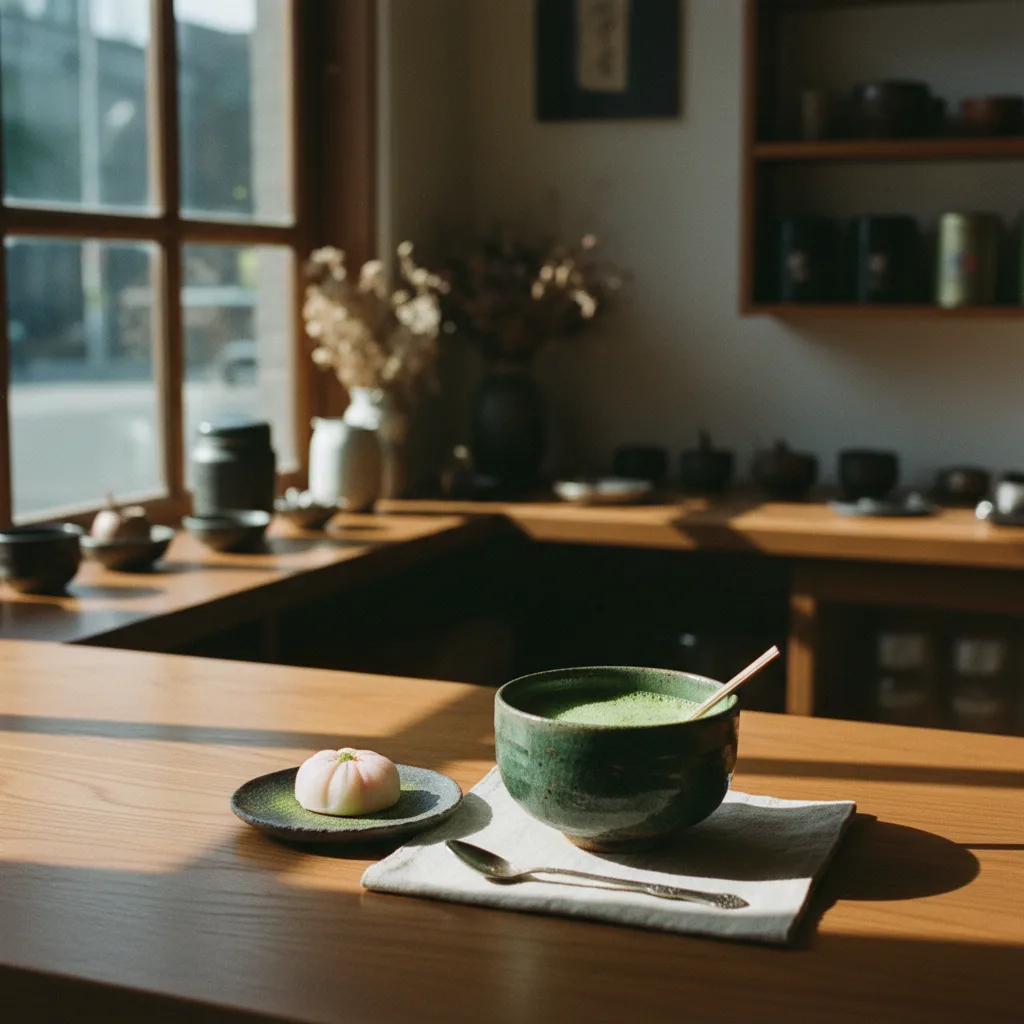
Tokuyamatcha gives the specialty matcha cafe search a more substantial East Village answer. At 627 East 6th Street, the tea counter sits close to the neighborhood’s small restaurants and bars, but its focus is quieter: carefully prepared matcha, Japanese sweets, and compact savory items that make the visit feel like a snack rather than a sugar stop. It is a good address when you want tea with a little context.
The shop’s appeal comes from the relationship between tea and food. Matcha can be delicate, bitter, creamy, or deep depending on the preparation, and the right rice snack makes those differences easier to understand. Tokuyamatcha is more useful when you approach it as a short tasting break. Order one drink, add one bite, and pay attention to how salt, rice, and sweetness change the finish.
Tokuyamatcha is at 627 East 6th Street, New York, NY 10009. The storefront is in a walkable East Village pocket where a small room can fill quickly during afternoon tea and early evening. Counter service keeps the visit moving, but bags and coats should stay compact. Leave the pickup area open for people collecting drinks and food.
Go on a weekday afternoon if you want the best chance of a seat and a slower conversation with the staff. The shop can be a natural pre-dinner stop, but early evening is also when the nearby restaurant traffic begins to build. If you see a short line, order before wandering off; the tea is worth drinking fresh, and the neighborhood gives you plenty of space afterward.
The standard matcha latte is listed at $8.25 and is the natural first order. It gives the tea enough milk for a soft texture without forcing fruit into the cup. The hojicha latte is also $8.25, offering roasted flavor instead of matcha’s brighter, greener profile. Two visitors can order one of each and compare fresh vegetal notes with toasted depth before adding anything sweeter.
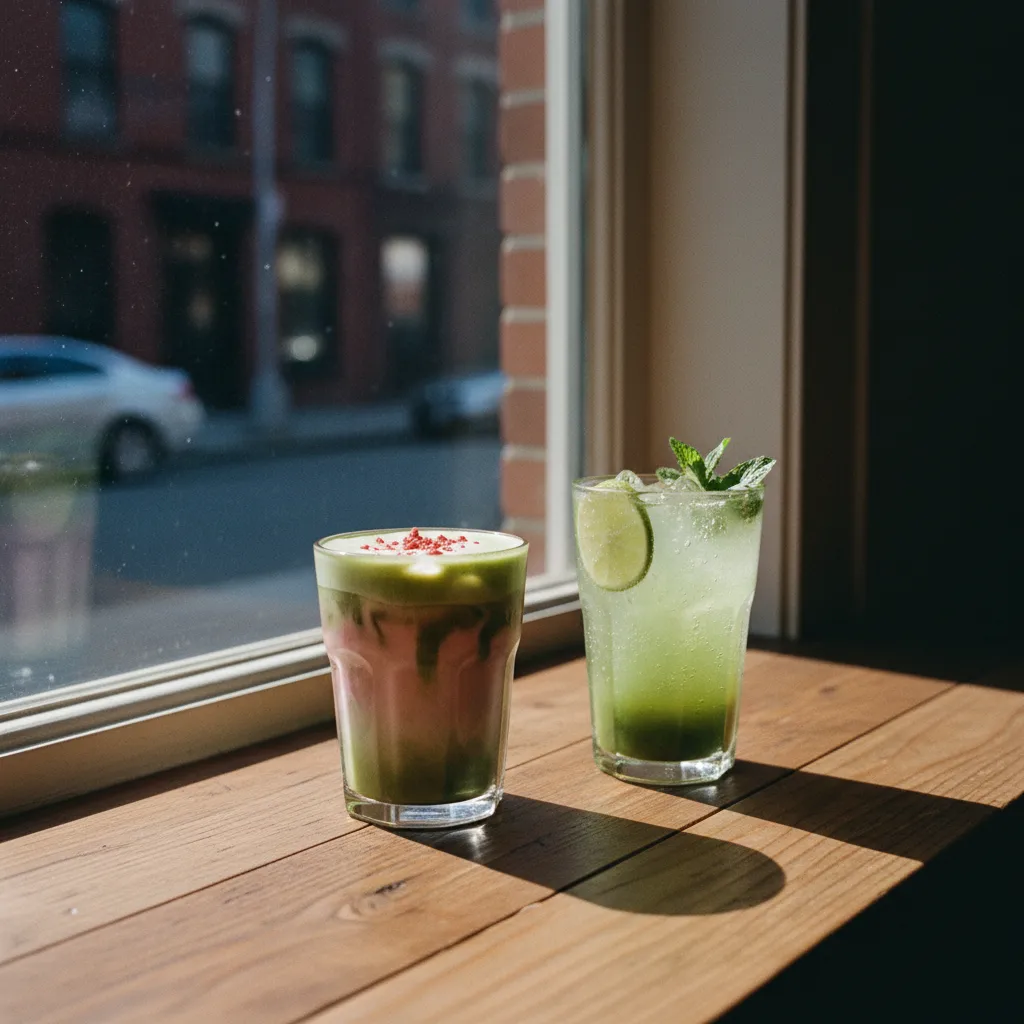
Strawberry matcha latte is $10.25 and turns the drink toward fruit and dessert. Matcha tonic is $9.50, a sparkling option that makes more sense on a warm afternoon or before a neighborhood walk. Kinako mochi matcha latte is $9.50, bringing roasted soybean powder and chewy-dessert associations into the cup. These are different moods, not interchangeable upgrades to the same latte.
Tokuyamatcha is also known as an onigirazu bar, and the business describes its food as using imported Japanese rice and homegrown organic herbs. Treat the rice sandwiches as the savory part of the stop, but order from the current board rather than relying on an old delivery menu. Matcha, hojicha, and the food program belong together because a salty rice bite makes the tea’s bitterness easier to notice.
For sweetness, use the drinks themselves rather than assuming an old pastry list is still active. The strawberry matcha latte is the fruit-forward option, while the kinako mochi matcha latte has a toastier dessert profile. If you order onigirazu, taste the savory food before stirring every layer of the drink. That sequence keeps rice, herbs, matcha, and sweetness from flattening into one flavor.
Tokuyamatcha’s rule of thumb is simple: let the food arrive, keep the counter calm, and avoid turning a short tea visit into a photo shoot. If you are with a friend, split the first bite after tasting the tea plain. If you are alone, eat slowly enough to notice the rice, filling, and aftertaste. That pacing is more valuable than any complicated ordering trick.
After tea, walk east toward Tompkins Square Park and take the northern edge for a quieter route. Continue toward Avenue A if you want small shops and neighborhood storefronts, or head west through the residential blocks for tenement architecture and pocket gardens. Tokuyamatcha is well placed for this kind of loop because the food gives you enough energy without turning the outing into a full meal.
A longer route can take you toward Alphabet City, where the avenues feel more local and less compressed than the central East Village grid. If you are visiting after dark, keep the walk focused on busy streets and finish near a subway stop. Practical notes: Tokuyamatcha is at 627 East 6th Street, New York, NY 10009. Matcha latte and hojicha latte are $8.25, matcha tonic and kinako mochi matcha latte are $9.50, and strawberry matcha latte is $10.25. The shop also operates as an onigirazu bar.
This is the right specialty matcha cafe for someone who wants the tea to connect with Japanese snack culture. It is not just a place to buy a green drink and keep walking. The savory menu makes the stop more satisfying, while the East Village address leaves you with an easy route through parks, side streets, and small storefronts.
For newcomers, the $8.25 matcha latte is the gentlest starting point. Tea drinkers who prefer roasted flavor can choose hojicha latte, while a warm-weather visit favors the $9.50 matcha tonic. Save strawberry or kinako mochi for a day when the drink can function as dessert. Add one current onigirazu from the board if you want a savory counterpoint, then leave room to compare another preparation on a return visit.
Tokuyamatcha succeeds because it gives matcha a place in an ordinary neighborhood rhythm. The tea is serious, but the visit does not have to be ceremonial. Come in from the East Village, order one thoughtful combination, respect the compact counter, and leave with a drink that feels connected to the street rather than isolated from it. When the savory food arrives first, taste it before sweetening the drink. That order lets the rice and filling frame the matcha, and it makes a later piece of dango feel like an actual final course rather than another item competing for attention. A second visit can focus on the roasted side of the counter. Order hojicha latte first, then compare it with matcha on another day instead of stacking caffeine and sweetness in one sitting. The East Village location works best as a repeatable neighborhood stop, not a checklist. Carry water, taste the drink before walking, and keep the cup upright on crowded avenues. That small discipline preserves the layers and makes the price feel attached to a specific preparation rather than a generic green beverage.
Choosing the bowl, latte, or fruit matcha
Timing the counter and planning your order
A short neighborhood walk after tea
Ask Karpo for more information.
Keep reading
- Upper West Side Hot Chocolate Cafe Crawl on Balloon Eve
 Park Slope Hot Chocolate Cafe Crawl After a Snow Day Sled
 Upper East Side Hot Chocolate Cafe Crawl With a Grandparent