There's a particular pleasure to eating sushi alone at a counter. No negotiation over omakase pacing, no splitting the check, no apologies when you order a second round of toro because the first was that good. Tribeca, for all its family-friendly cobblestones and finance-adjacent lunches, harbors a handful of sushi bars that understand the solo diner—the reader, the thinker, the person who simply wants excellent fish and the quiet company of skilled hands at work. Late May means uni season is winding down, but fluke and striped bass are peaking, and the neighborhood's best counters know exactly what to do with them.
Why the counter matters
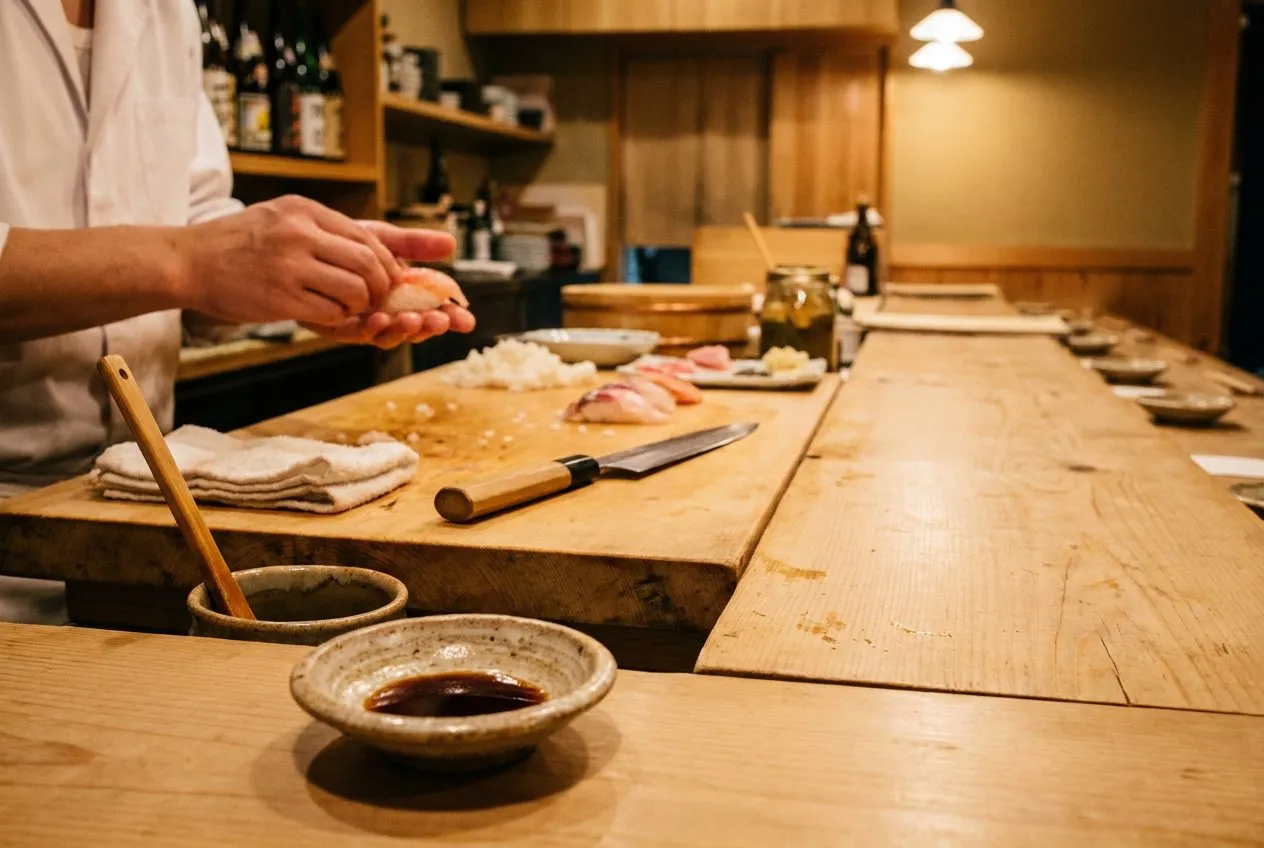
A proper sushi bar nyc experience dissolves the usual restaurant hierarchy. You're not waiting for a server to shuttle plates from kitchen to table; you're watching the itamae brush nikiri onto still-warm rice, adjusting seasoning in real time based on what the fish needs that day. The counter is theater, yes, but also apprenticeship. You learn without asking. You notice the angle of the knife, the temperature of the neta, the millisecond pause before each piece lands on your plate.
For solo diners, this proximity is a gift. Conversation is optional, welcomed but never forced. The rhythm of service—slice, shape, present—creates its own companionship. You're alone but not lonely, focused but not isolated. Tribeca's best counters get this balance right.
What to look for in a solo-friendly setup
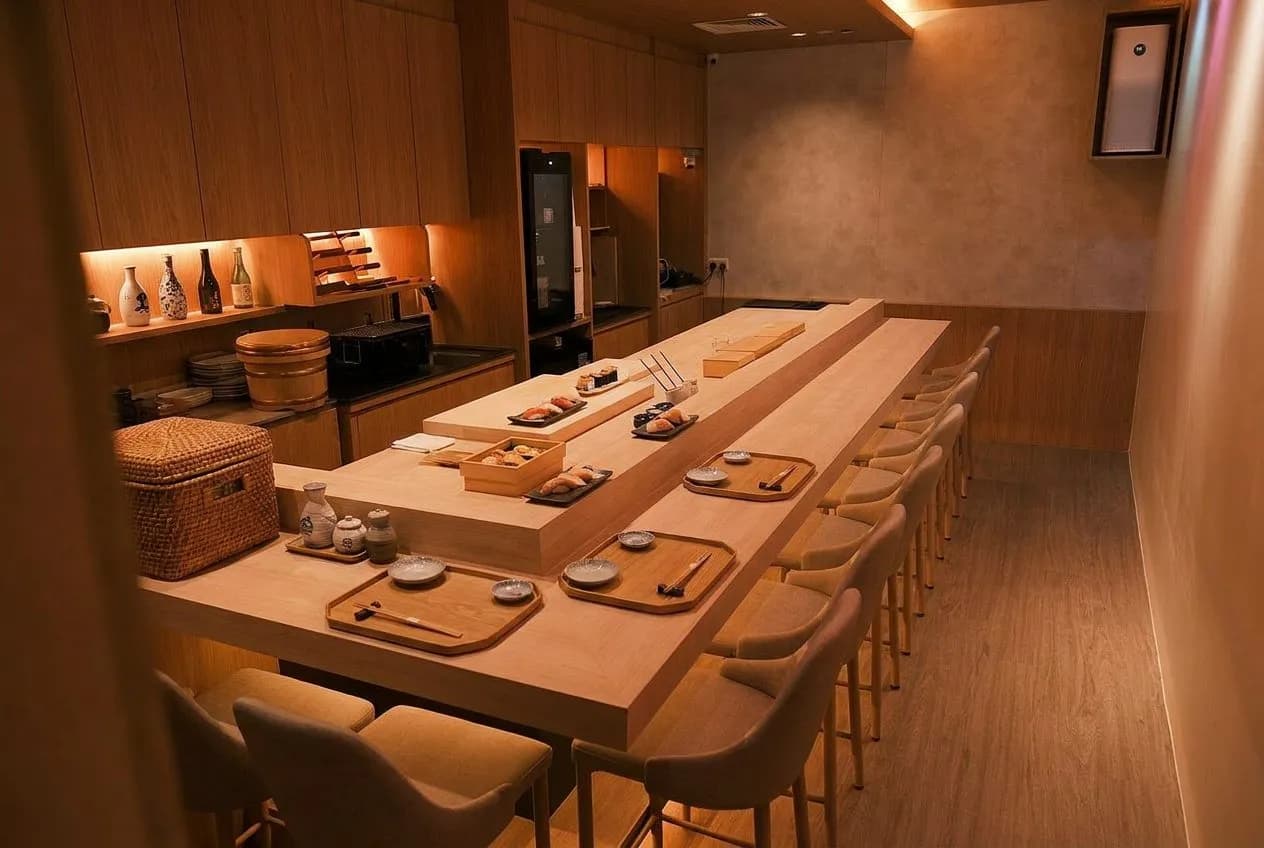
Not all sushi counters are built for the party of one. The best feature seating that doesn't maroon you at an awkward corner, adequate elbow room, and lighting that flatters both your book and your sake. Hinoki wood counters, pale and pleasantly aromatic, age beautifully and signal a certain seriousness. Marble stays cool, useful when the chef is laying out multiple courses. Overhead pendant lights should be warm, not interrogative.
Service style matters, too. You want a chef who reads energy—someone who can gauge whether you're in the mood to discuss the morning's Fulton catch or prefer to eat in companionable silence. Tribeca dining leans formal without stuffiness, and the neighborhood's sushi spots mirror that: polished but approachable, expensive but not trying to remind you of it every five minutes.
The Tribeca counter landscape
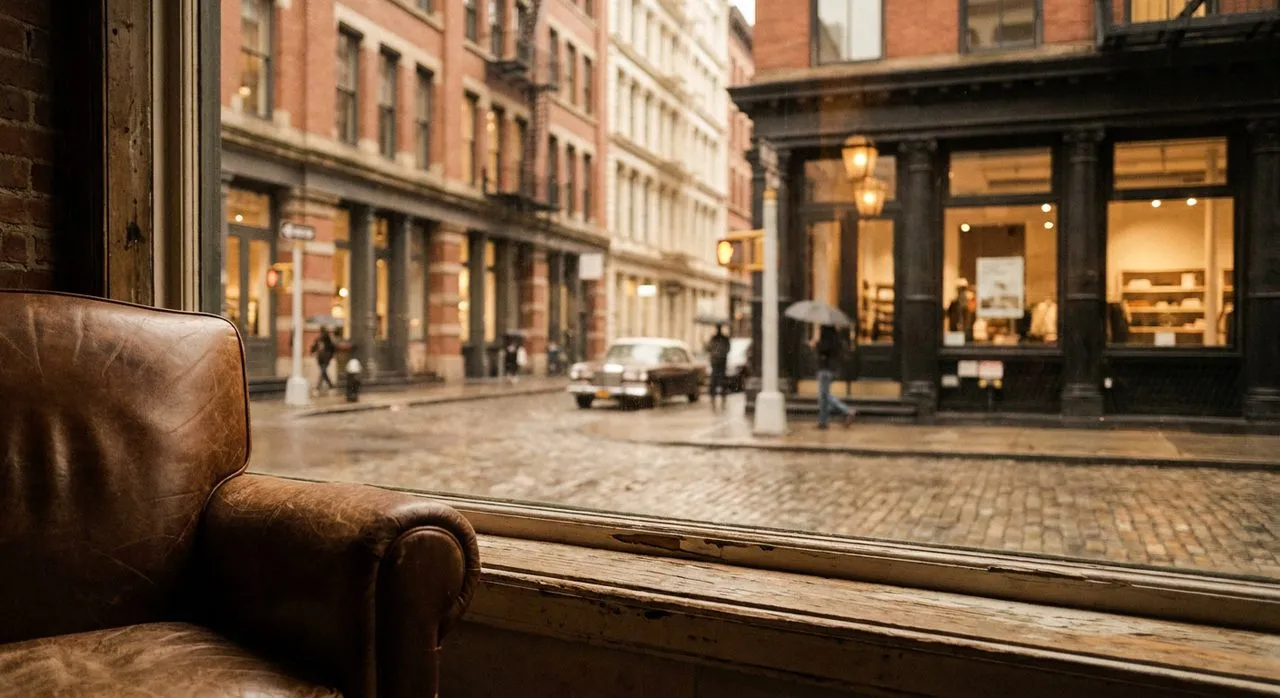
Tribeca's sushi scene clusters along a few key corridors. West Broadway has long hosted higher-end options, their awnings discreet, their interiors hushed. Duane Street offers a mix of neighborhood regulars and the occasional celebrity sighting, though by June 2026 the post-premiere crowds have thinned and the ratio tilts back toward locals. The blocks near Greenwich Street tend toward intimate, eight-seat operations where the chef knows your name by visit three.
Look for places that take walk-ins at the counter even when the dining room is booked. Many high-level sushi bars reserve a seat or two for solo guests, a practice that rewards spontaneity and benefits the rhythm of service. Late May into early June is an ideal window—the spring-fish enthusiasm hasn't yet given way to summer's slower pace, and reservations ease slightly after Mother's Day.
What you'll eat, and when
Omakase is the obvious choice, but don't overlook à la carte if the chef offers it. June brings Japanese sea bream, local fluke with a whisper of ponzu, and—if you're lucky—early summer kanpachi. Uni quality is variable this time of year; ask before you order. The best chefs will steer you toward what arrived that morning, not what's on the printed menu.
Sake pairings tend to be elegant and expensive, but a good junmai daiginjo by the glass is often available and worth it. If you prefer wine, look for lists that include grüner veltliner or albariño—high-acid whites that won't compete with delicate fish. The scent of pickled ginger and soy mingling with hinoki and faint kitchen steam is part of the experience; so is the soft clatter of ceramic and the hiss of a searing torch against tuna belly.
The ritual of solo omakase
Omakase alone is meditative. No one's hurrying you, no one's asking to try your toro. You set your own pace—though the chef sets the courses. Some diners bring a slim notebook to record impressions; others just lean in and let the meal wash over them. By piece seven or eight, you're calibrated to the chef's tempo, anticipating the progression from lean white fish to oily mackerel to the final flourish of tamago.
The best counters offer a small hot towel between courses, a reset for both palate and fingers. Light shifts as the meal progresses; if you've snagged a seat near a window, late-afternoon sun slants gold across the counter by the time you reach the hand rolls. June evenings are long, and Tribeca empties out after seven—prime time for a quiet, lingering meal.
What to bring, what to leave behind
Come with an open mind and a healthy budget. High-end sushi counters in Tribeca run two hundred dollars and up for omakase, before sake. Bring cash for the tip if you're old-school, though cards are universally accepted. A light jacket is wise; some spots keep the dining room cool to protect the fish. Leave the heavy perfume at home—it competes with the delicate scent of nori and fresh wasabi.
Don't bring a dining companion if you're craving solitude, but also don't feel self-conscious about showing up alone. Solo diners at the counter are common, respected, even preferred. You're not taking up a four-top; you're occupying the seat designed exactly for you.
Practical notes
Tribeca's sushi counters are concentrated roughly between Canal and Chambers, from West Broadway to Greenwich Street. The 1 train to Franklin Street is your best subway bet; the A/C/E to Chambers Street works if you're approaching from the east. Street parking is scarce and metered until 7 PM most evenings; the Greenwich Street garage offers hourly rates. Hours vary widely, but most high-end spots serve dinner only, opening around 5:30 or 6 PM. Call ahead or verify hours directly, especially during summer when chefs sometimes take research trips to Japan. Accessibility can be limited in older Tribeca buildings; counters by nature involve bar-height seating, so inquire if mobility is a concern. Reservations are strongly encouraged for omakase; walk-in counter seats are occasionally available but never guaranteed.
Tags: #SoloSushiBar #TribecaDining #PullUpAChair #SushiBarSeating #NYCSushi #TribecaEats #OmakaseExperience #SoloDining #SushiCounter #NewYorkEats #TribecaLife #June2026 #SpringFish #CounterCulture #NYCFoodie
Please drink responsibly. Must be of legal drinking age.
Sources consulted: Tribeca · Sushi · Time Out New York Restaurants · NYT Food · NYC.gov
All trademarks are the property of their respective owners.