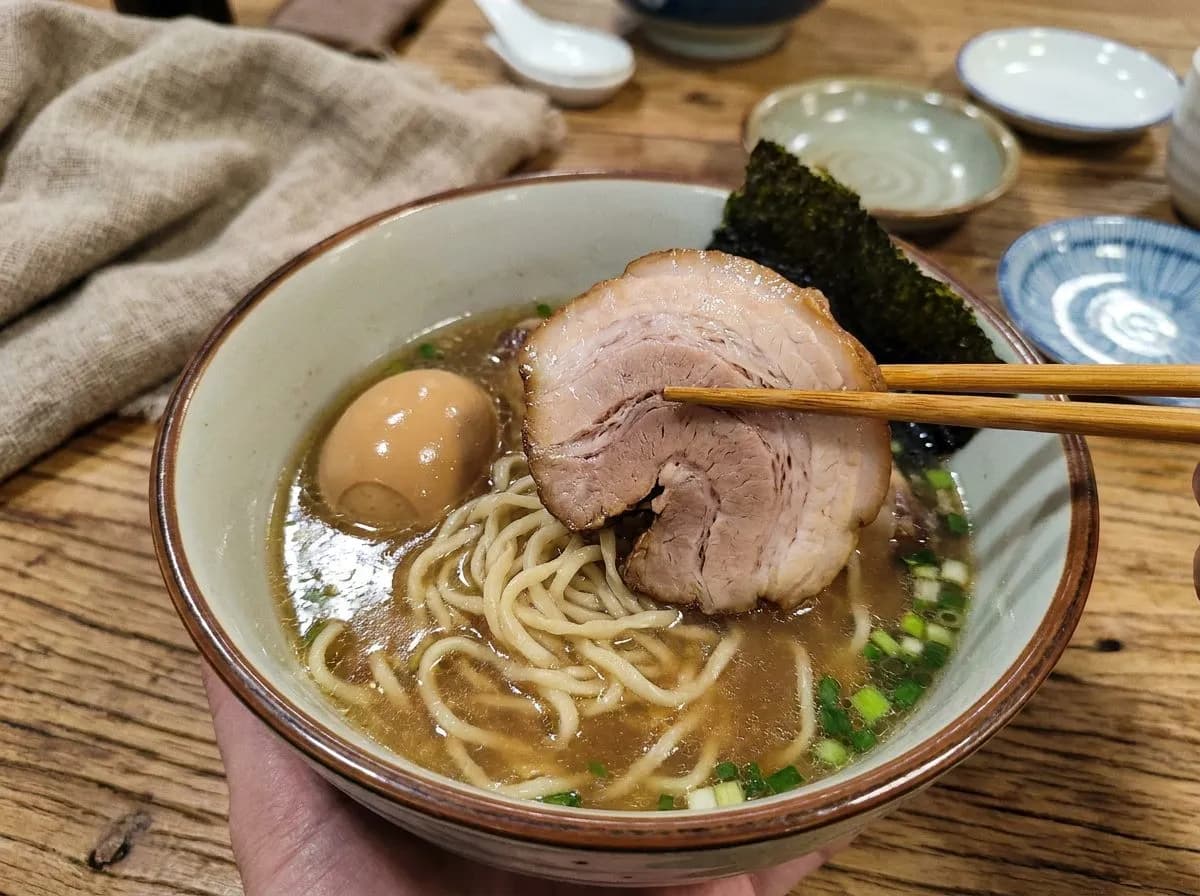
There's a particular freedom to eating ramen alone at the counter. No menu negotiation, no split-check algebra, no performative sharing. Just you, a bowl, and the quiet choreography of noodle-pulling, broth-ladling, and soft-boiled eggs cracked at the pass. The East Village—where ramen nyc culture took root decades before it became fodder for lifestyle content—still holds some of the city's best seats for this ritual. Late May's humid evenings make the proposition even better: step off a sticky sidewalk into a narrow, air-conditioned room where steam rises, orders are called in Japanese, and strangers sit shoulder-to-shoulder without saying a word.
Why the counter matters
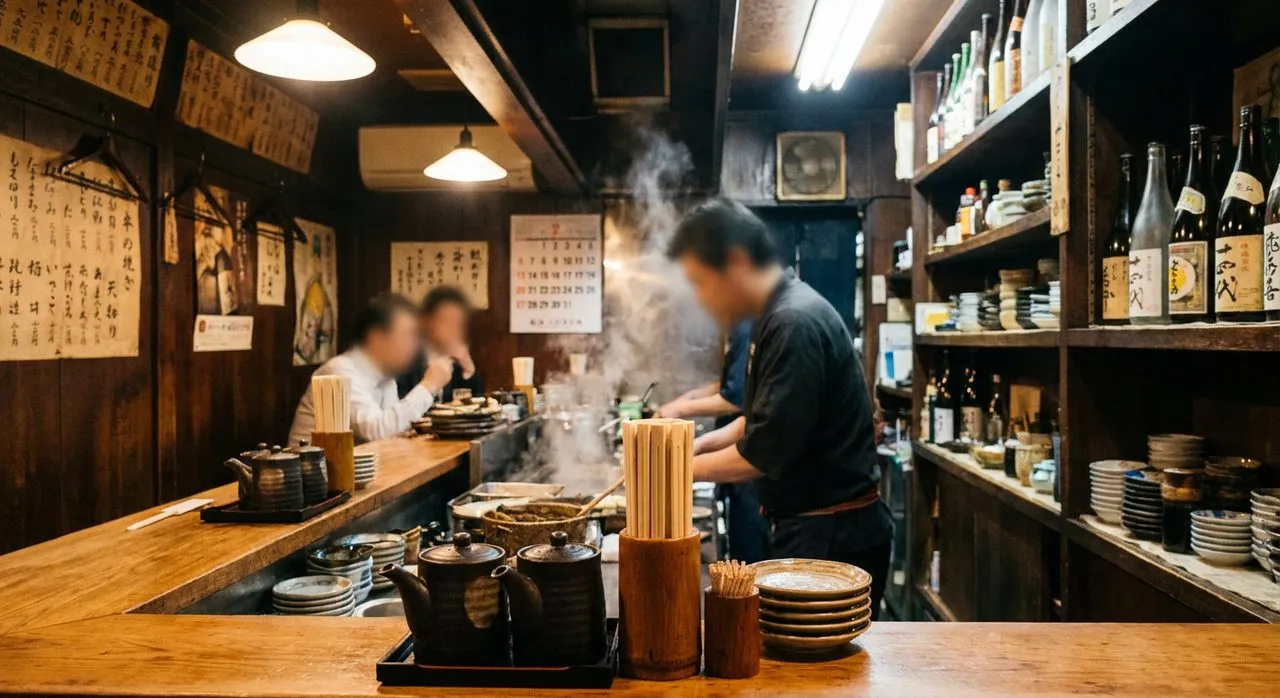
Counter seating isn't just a space-saving measure. It's theater. You watch cooks work the line, see how tonkotsu gets its final flourish of garlic oil, witness the exactitude of timer-based noodle portions. The counter collapses the distance between kitchen and patron in a way that transforms eating into observation, sometimes even conversation with the chef if the evening allows.
For solo diners, the counter solves the table-for-one awkwardness. No maître d' pity, no oversized booth making you feel like a supporting character in someone else's date night. You're simply one node in a row of eaters, all facing forward, all here for the same reason. It's communal and private at once—the urbanist's paradox made furniture.
The East Village advantage
This neighborhood earned its ramen credentials the hard way, through decades of small storefronts, late-night post-bar crowds, and a dining culture that prizes substance over scenery. You won't find much Edison-bulb whimsy here. What you will find: worn wooden counters darkened by years of elbows, laminated menus whose English translations are charmingly approximate, and broths that have been refined across multiple leases.
Walk Stuyvesant Street to Second Avenue and you'll pass at least four ramen counters within three blocks, each with its devotees and its signature tonkotsu versus shoyu philosophical divide. The density matters. It means competition keeps everyone honest, and it means if your first choice has a line snaking onto the sidewalk—common on weekends—you have options within a two-minute radius.
What makes a counter great
The best counters are narrow enough that you can smell the tare as it's measured, wide enough that your elbows don't joust with your neighbor's. Lighting should be bright but not fluorescent—you want to see your noodles but not feel interrogated. Stools matter more than you'd think: too high and you're perched awkwardly, too low and you're hunched like a penitent. The Goldilocks zone is surprisingly rare.
Acoustics, too. A great counter hums with the white noise of boiling water, the clatter of bowls, low conversations that never crescendo into brunch-volume chaos. You should be able to think, to read if you've brought a book, to simply exist without anyone asking if you're "still working on that." The counter is a refusal of the leisurely meal's tyranny. You eat at your own pace, pay, and leave. It's efficient without being transactional.
Seasonal timing and the May sweet spot
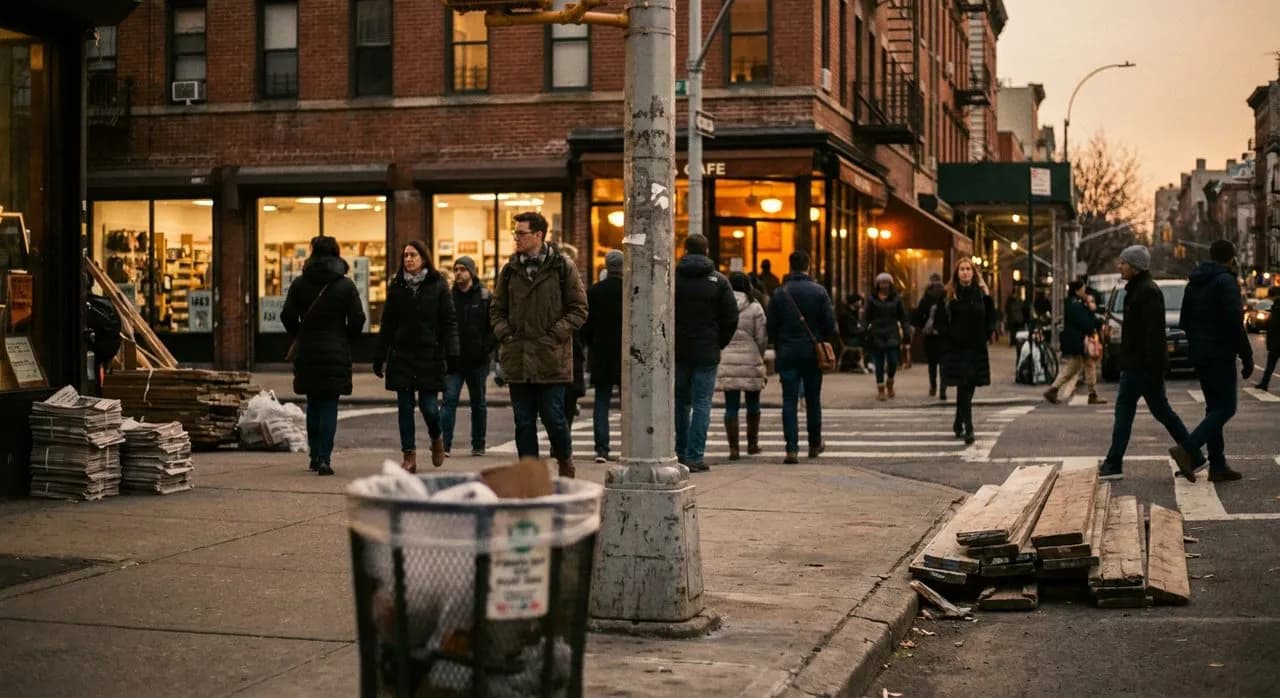
Late May sits in that brief window before summer fully arrives and hot broth starts to feel like a dare. The east village food scene shifts gears around now: outdoor tables multiply, rosé appears on every corner, and ramen shops enjoy a last surge before July's slower weeks. You'll still find lines, but they move faster than the February weekend crush when every NYU student with a cold wants miso and a soft egg.
Evening counter seats open up around five-thirty, that strange hour when the neighborhood exhales between work and night. Arrive then and you'll have your pick of spots, plus the quiet satisfaction of watching the room fill around you as the sky outside shifts from blue to violet. By seven, every stool is claimed. By nine, there's a waitlist. The counter regular knows to eat just off-peak.
The order, the ritual
Most counters operate on a vending-machine ticket system: you order at a machine near the door, sometimes with English buttons, often without. Standard drill is tonkotsu with standard toppings unless you specify otherwise—noodle firmness, broth richness, garlic level. Don't overthink it on your first visit. Take the house ramen as the kitchen intends it. You can customize once you've established what the baseline tastes like.
Water is self-serve, usually from a pitcher stationed mid-counter or a small cooler near the door. Napkins are thin, plentiful, and necessary. Slurping is not just permitted but mechanically useful—it aerates the broth, cools the noodles, signals appreciation. The whole meal, from sitting to check, rarely exceeds thirty minutes. This is ramen as fuel and pleasure simultaneously, the rare intersection of fast and good.
Practical notes
Most East Village ramen counters cluster between Astor Place and Tompkins Square Park, roughly within the grid formed by Third Avenue, Avenue A, East 6th, and East 14th Streets. Nearest subway access via the L at First Avenue or the 6 at Astor Place. Street parking is mythical; garage rates hover around forty dollars for evening hours. Bring cash—many spots remain cash-only or impose card minimums. Expect counters to seat eight to fifteen; waits Saturday evening can stretch to forty minutes. Hours typically run noon to eleven, but verify directly as schedules shift seasonally. Most counters are not wheelchair-accessible due to narrow entries and step-ups. Solo diners with bags: floor hooks are standard under the counter, but keep valuables on your lap.
Tags: #SoloRamen #EastVillageEats #PullUpAChair #CounterCulture #RamenSeason #NYCNoodles #SpringDining #SoloDining #EastVillageNYC #RamenLife #CityEats #May2026 #QuietMeals #NYCCounters #NoodleRitual
Please drink responsibly. Must be of legal drinking age.
Sources consulted: Ramen · East Village, Manhattan · Time Out New York Restaurants · New York Times Food · NYC Subway & Transit
All trademarks are the property of their respective owners.