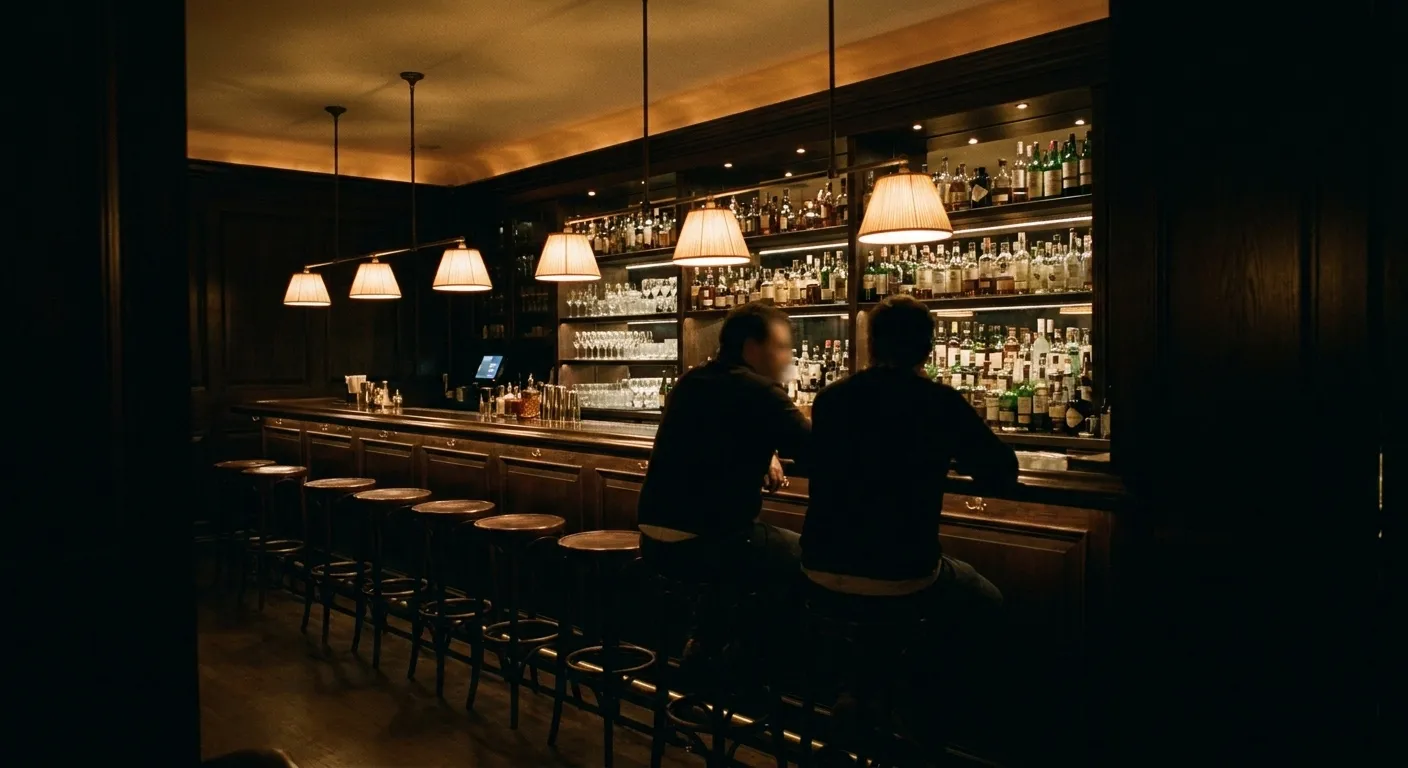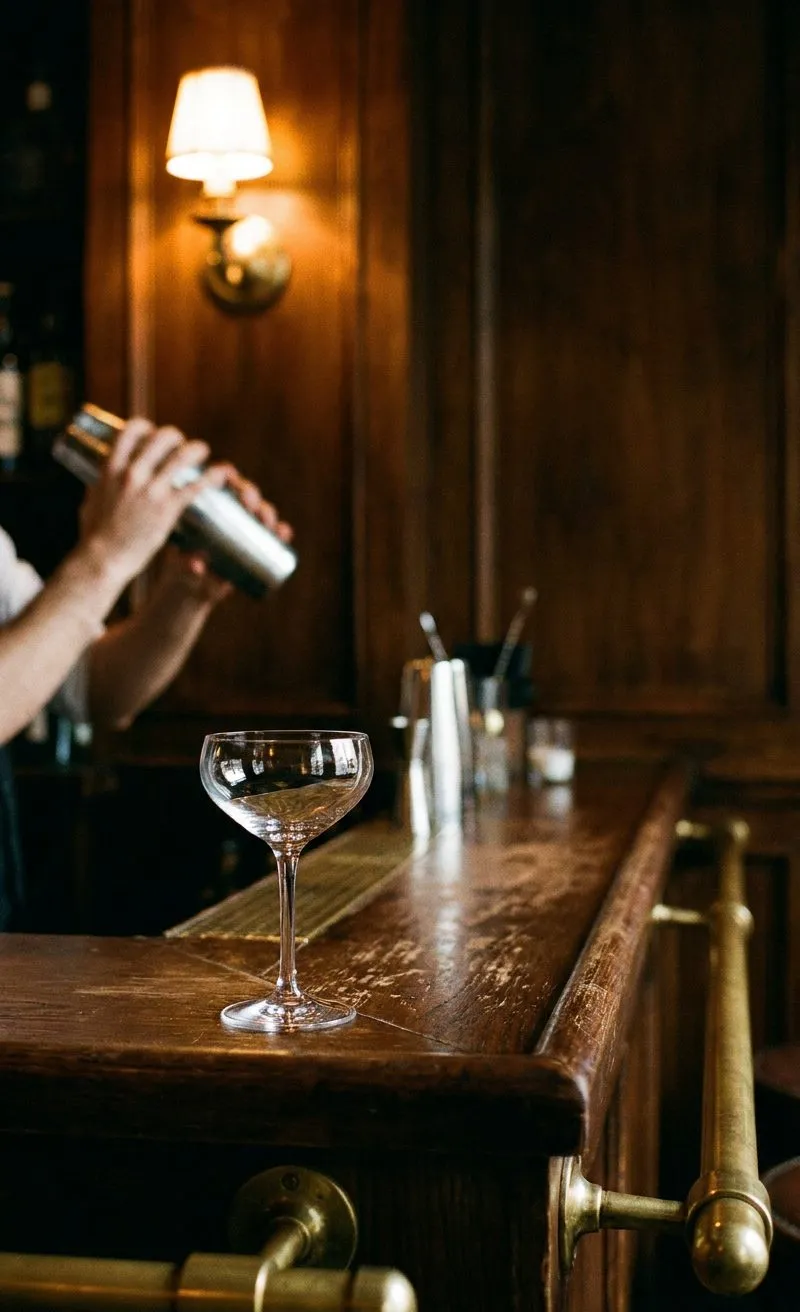
The best seat in any Lower East Side cocktail bar this spring isn't a banquette or a booth—it's the counter stool that puts you six inches from the shaker tin, the cedar smoke, the bartender's hands as they peel a ribbon of grapefruit zest longer than your forearm. Solo drinking at these spots isn't a consolation prize. It's the entire experience. You're not watching from the wings; you're in the show, nodding along as someone explains why they're using fermented pineapple skin or why this particular ice cube matters. Late May means open windows, the hum of Ludlow Street drifting in, and enough golden-hour light to make even a straightforward Martini look like a painting.
The eight-seat rule
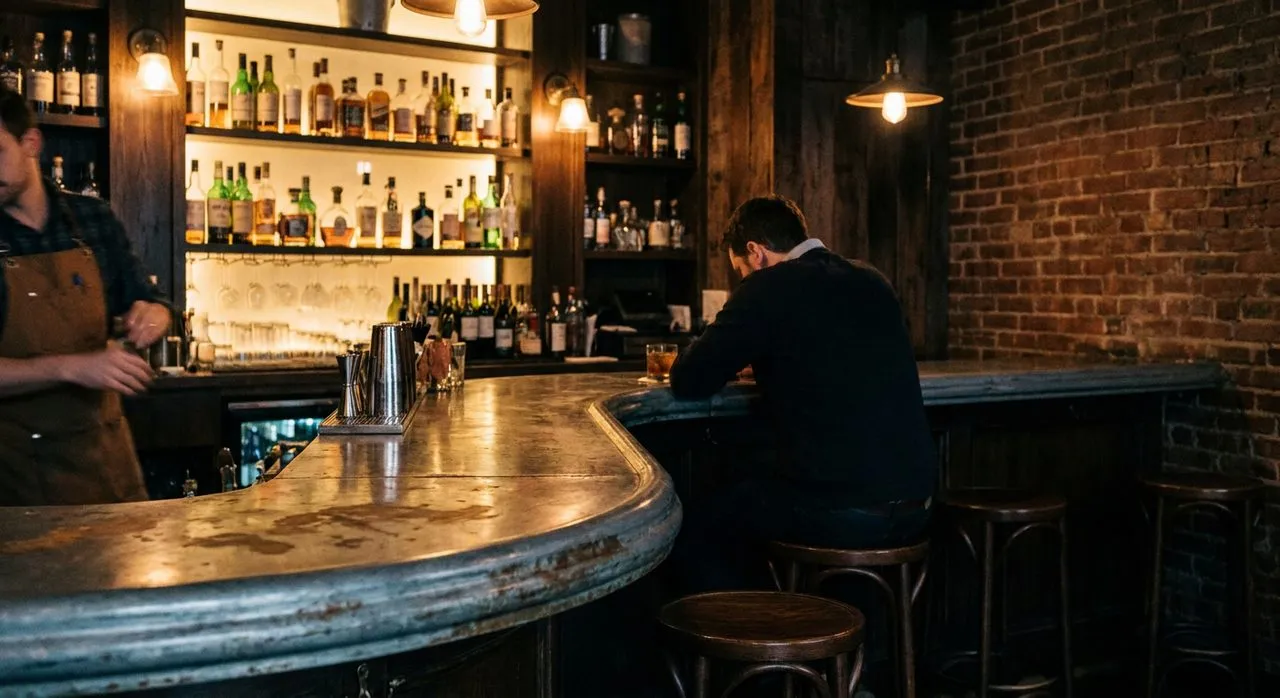
The LES counter bars worth your time share a common architecture: eight to twelve seats, no reservations for solo walk-ins, and a staff fluent in the art of reading whether you want conversation or silence. These aren't the kind of places where you order from a QR code. The menu exists, but half the regulars never look at it. They ask what's good tonight, and the bartender starts pulling bottles from the back shelf.
You'll recognize these bars by their materials—worn marble, reclaimed wood that still smells faintly of linseed oil, brass fixtures gone soft with age. The lighting is always warm, never overhead. Candles or Edison bulbs tucked into corners. The soundtrack leans instrumental: jazz, Brazilian bossa nova, the occasional Chet Baker track that makes everyone pause mid-sentence. There's no DJ booth, no velvet rope. Just the counter, the bottles, and whoever happens to sit down.
Chef-driven bartending theater
The term "chef-driven" has migrated from kitchens to cocktail programs, and nowhere is that more evident than in the LES spots where bartenders treat their stations like mise-en-place stations. You'll see dehydrated citrus wheels stored in labeled jars, house-made tinctures with masking-tape dates, vermouth bottles kept in a mini-fridge built into the back bar. Everything is within arm's reach, and every motion is choreographed. It's not about flair; it's about precision.
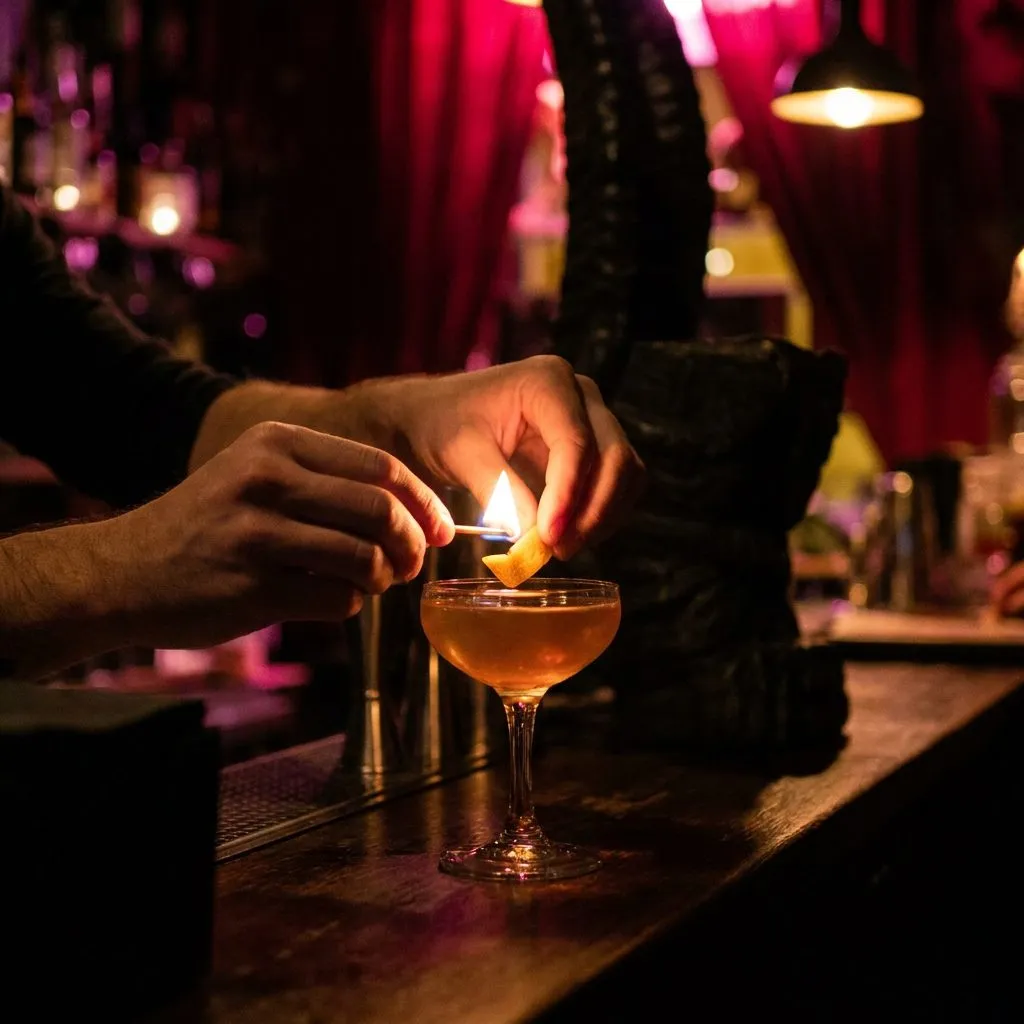
The best bartenders here narrate as they build. They'll tell you why they're stirring instead of shaking, why this Japanese gin works better than London Dry for what you ordered, why they just torched that rosemary sprig instead of muddling it. It's pedagogy disguised as hospitality. You leave knowing more than when you walked in, and you didn't even realize you were being taught.
In late May, when the neighborhood's fire escapes are strung with lights and the evening stretches past nine, these counters fill early. But there's always a stool. Always room for one more.
The off-list classics menu
At one Lower East Side cocktail counter, there may be a hidden menu available at the bar of off-list classics available only if you sit at the bar and ask. No Negronis or Manhattans; we're talking Aviation, Last Word, Corpse Reviver No. 2. Drinks that require maraschino liqueur and crème de violette, ingredients that don't move fast enough to justify printed real estate. The bartender keeps a handwritten index card tucked under the register. You have to lean in to read it.
This isn't about exclusivity. It's about rewarding the people who show up solo, who make eye contact, who engage. The drinks themselves are flawless—balanced, cold, served in vintage coupes that may or may not match. The first sip always tastes like vindication.
Conversation as the second ingredient
Solo drinking at a counter bar collapses the distance between stranger and companion. You're elbow-to-elbow with whoever lands next to you—a designer leaving a gallery opening, a writer killing time before dinner, someone who just moved to the neighborhood and Googled "best cocktail bars Lower East Side." The bartender serves as host and moderator, steering conversation when it stalls, knowing when to let silence settle.
The rhythm is different here than at table service. Drinks arrive faster, but you linger longer. You order a second round not because you planned to, but because the person next to you just got something that looks interesting and the bartender offers you a taste. By the third round, you've swapped recommendations—restaurants, bookshops, the name of that movie you couldn't remember. You don't exchange numbers. You just nod and say you'll probably see each other around.
Light, smoke, and late-spring rituals
Late May on the Lower East Side means open storefronts and the smell of sesame oil drifting from corner kitchens. The light at seven-thirty is slanted and golden, cutting through dusty windows and glinting off glassware. Inside the best counters, bartenders start lighting cedar planks or torching orange peels, adding layers of scent—charred wood, burnt sugar, fresh mint crushed against the heel of a palm.
There's a ritualistic quality to showing up alone at the same counter week after week. The bartender remembers your order. You recognize the couple who always sits at the far end. The playlist hasn't changed much, and that's comforting. These bars become punctuation marks in the week—Thursday-night decompression chambers, Sunday-evening preludes to Monday.
What you gain by going solo
Arriving alone means you're not splitting attention. You notice things: the way the bartender uses a Y-peeler instead of a paring knife, the Japanese bitters tucked behind the Chartreuse, the fact that every rocks glass is hand-washed and polished immediately. You taste more clearly when you're not mid-conversation. You linger over the second sip, the one that reveals what the first sip hid.
There's also freedom in not performing. No need to be charming or witty or on. You can sit in companionable silence with a drink and a book, or you can talk for an hour with the bartender about fermentation science. Both are acceptable. Both are, in fact, encouraged. The counter is the most democratic seat in the house, and solo drinkers are its ideal citizens.
Practical notes
Most of these counters cluster along Orchard, Ludlow, and Essex streets between Delancey and Houston. The F train to Delancey-Essex or the J/M/Z to Essex Street puts you near the Lower East Side Street parking is nearly impossible; if you're driving, aim for the municipal lot on Essex near Grand, then walk. Most spots open at 5 or 6 p.m., and counter seats fill by eight on weekends, earlier if the weather's nice. Verify hours directly before heading out. Accessibility varies—older buildings mean narrow doorways and no elevators—so call ahead if that's a concern. Bring cash for faster tabs, though cards work everywhere. A light jacket for late-spring evenings. And patience. The best bartenders can't be rushed.
Tags: #PullUpAChair #LowerEastSide #NYCCocktails #SoloDrinking #BarCounter #CocktailTheater #OrchardStreet #LESBars #MayInNYC #BartenderStories #LateSpring2026 #NYCNightlife #CounterCulture #CityDrinking #OneMoreRound
Please drink responsibly. Must be of legal drinking age.
Sources consulted: Lower East Side · Cocktail · Time Out New York Bars · NYT Food & Drink · NYC Landmarks Preservation
All trademarks are the property of their respective owners.