 Wempe watch repair shop: Saturday Midtown Service Guide
Hidden Gems & Odd Finds
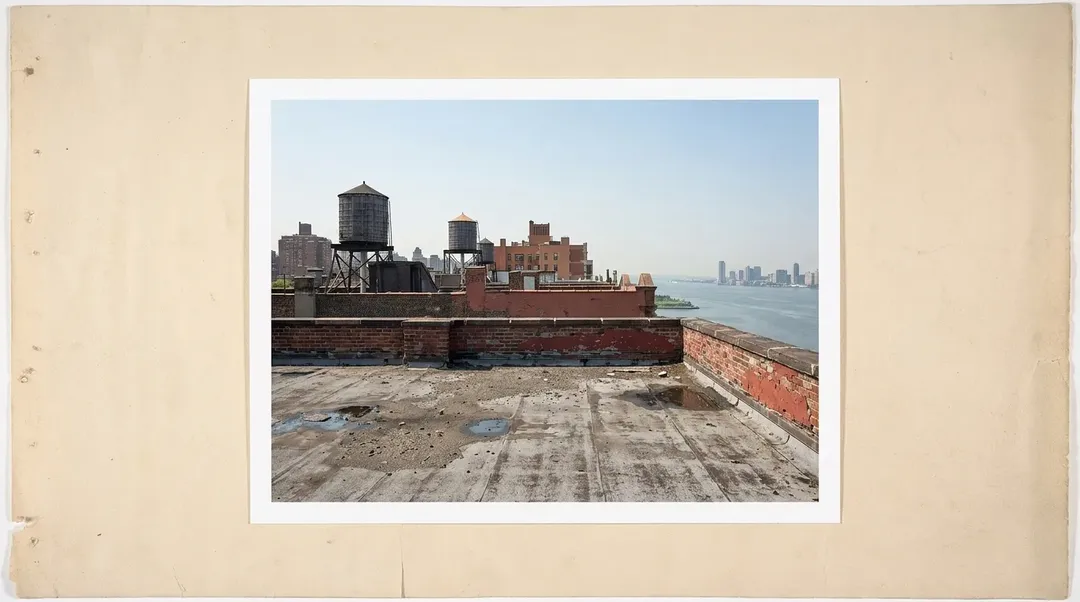
Upper West Side rooftops offer prime views for the solar eclipse
Apartment buildings with roof access give you a clear sightline without the Central Park crush on August 12, 2026.
Everyone assumes Central Park is the move for the August 12, 2026 total solar eclipse. The Great Lawn and Sheep Meadow will be wall-to-wall by 7 a.m., and you'll spend the totality window shoulder-to-shoulder with tripods and tour groups. The sightline is unobstructed, yes, but the density makes it hard to adjust your position once the partial phase begins around 8:15 a.m. If someone plants a tall setup in front of you, you're stuck.
Karpo checks which rooftop bars and public terraces are open the morning of the eclipse, then maps your subway route from wherever you're staying. Text it the day before to lock in your plan.
Why most watchers pick the wrong spot
The Upper West Side's mid-rise and high-rise buildings give you the same southern exposure without the ground-level scrum. Rooftops between West 72nd and West 86th Streets sit high enough to clear the tree canopy of Riverside Park and Central Park's western edge. You get 360-degree sky access, room to move, and usually a wall or parapet to brace against. Most important, you can arrive thirty minutes before totality instead of two hours, because rooftop capacity is naturally limited and less advertised.
The subway route that holds up under crowding
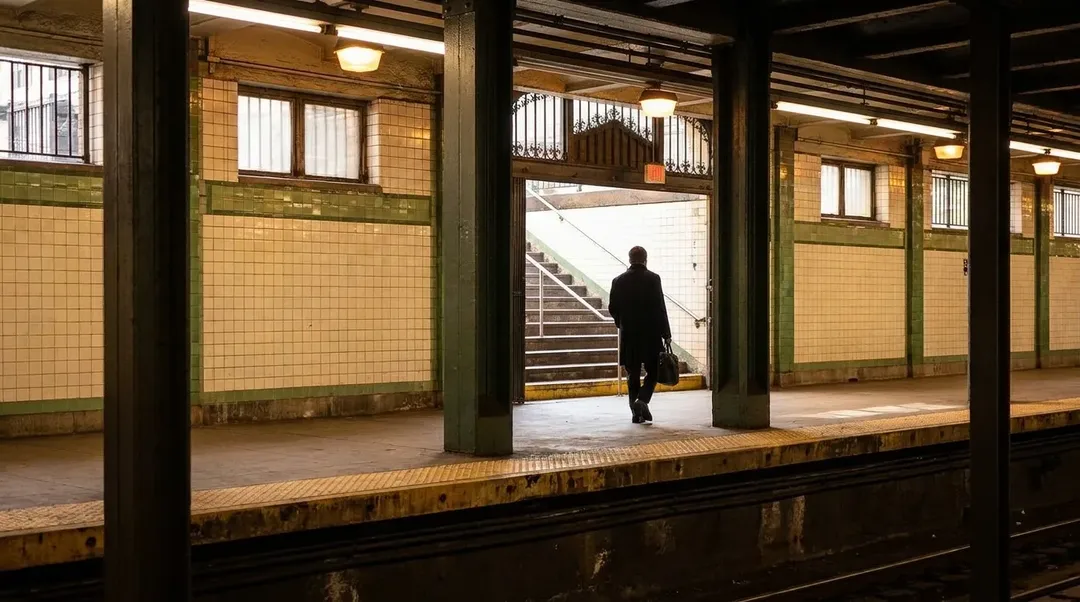
Take the 1, 2, or 3 train to 72nd Street or 79th Street stations. Both dump you onto Broadway, one avenue east of the residential streets where most accessible rooftops sit. The 1 train is express above 96th Street during morning hours, but all three lines share the same local track between Times Square and 96th, so your risk of a stalled train is identical. The B and C trains also serve 72nd Street, but they require a transfer at Columbus Circle or further south, adding a chokepoint you don't need on a morning when half the city is moving toward open sky.
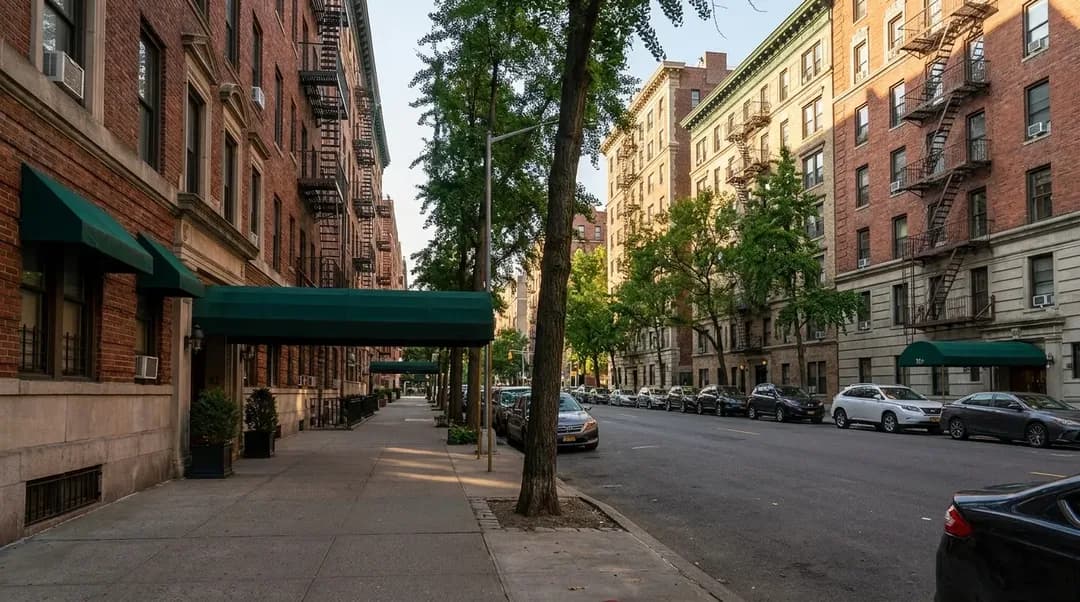
Walk west from Broadway toward West End Avenue or Riverside Drive. The buildings along West End between 74th and 80th have the highest concentration of prewar co-ops with roof access, and Riverside Drive's towers between 79th and 86th offer terraces that face south and east. If you know someone in one of these buildings, confirm the roof door is unlocked—most co-op boards open them for events like this, but a few keep them locked year-round for liability reasons. Public rooftop bars are your fallback: check whether any along Amsterdam Avenue or Columbus Avenue are opening early that day, though most won't serve food or drink until their normal 11 a.m. start.
The walk from the subway is five minutes. You're moving against the flow of people heading into the park, so even if the trains are packed, the sidewalks west of Broadway stay navigable. Riverside Park's promenade will also be crowded, but it's a secondary destination compared to Central Park's interior fields, and you're not stopping there—you're climbing above it.
This plan fails for certain groups
If you don't have a friend or family member in an Upper West Side building, your options narrow to the handful of hotels and bars with accessible rooftops, and those will require either a room key or a cover charge. The residential buildings are not public space. Do not attempt to tailgate through a lobby or prop open a roof door. Doormen will be on high alert that morning, and getting turned away after the subway ride wastes the narrow window you have before the partial eclipse begins.
Families with small children face a different problem. Rooftops lack shade, bathrooms are often one flight down, and there's no room to spread out a blanket or let a toddler move around. Central Park's open fields, crowded as they are, give you grass and nearby facilities. The same goes for anyone planning to stay for the full four-hour event, from first contact through fourth contact. A rooftop works for the totality window and the hour surrounding it, but it's not a comfortable place to camp from 7 a.m. to noon.
This route also assumes you're coming from another part of Manhattan or from Brooklyn via the A or C. If you're starting in Queens or the Bronx, the transfer penalty at Columbus Circle or Times Square adds fifteen minutes, and you'd be better off finding a rooftop in Astoria or Riverdale with equivalent southern exposure and a simpler train line. The Upper West Side advantage is access, not exclusivity—it's a smart move for people already on the west side subway corridor.
What to verify this week
Check whether your building contact has confirmed roof access. Co-op boards sometimes reverse open-roof policies a week before a major event if they anticipate liability concerns or if a neighboring tenant complains. If you're counting on a hotel rooftop, call the front desk and ask whether they're allowing non-guest access that morning and what the fee structure is. Some properties will announce a ticketed viewing event closer to the date; others will keep the roof restricted to registered guests only.
Confirm your eclipse glasses source. The solar eclipse on August 12, 2026 will have a totality path that crosses New York City, but the partial phases before and after totality require eye protection. Counterfeit glasses flood the market before every major eclipse, and the American Astronomical Society maintains a list of verified vendors. If you're ordering online, do it now—shipping delays compound as the date approaches. If you're buying in person, the Museum of Natural History and the Hayden Planetarium typically stock certified glasses in the weeks before an eclipse, but verify they haven't sold out.
Look at the weather models five days out. August in New York City averages 60 percent humidity and a moderate chance of morning cloud cover. A high, thin overcast still allows you to see totality, but a low, thick deck blocks it entirely. If the forecast shows storms or dense cloud moving in, you'll want a backup plan that doesn't involve a fixed rooftop position. The Intrepid Museum's flight deck on Pier 86 offers southern exposure with the option to move indoors, and the Hudson River Greenway stays open regardless of weather, though it will be packed.
Decide whether you're staying for the partial phases or just the totality window. Totality over New York City is projected to last roughly three and a half minutes, beginning around 9:32 a.m. The partial eclipse leading up to it starts after 8 a.m. and stretches for more than an hour. If you're only interested in the main event, you can arrive at 9 a.m. and still secure a rooftop spot. If you want the full progression, plan to be in place by 8 a.m., which means leaving your starting point by 7:15 a.m. to account for increased subway crowding.
Practical notes
- Totality begins around 9:32 a.m. on August 12, 2026; partial eclipse starts after 8 a.m.
- 1, 2, or 3 trains to 72nd or 79th Street; walk west five minutes to West End Avenue or Riverside Drive
- Rooftop access requires a building contact or hotel room; no public residential roof access
- Certified eclipse glasses required for partial phases; check American Astronomical Society vendor list
- August morning weather: check five-day forecast for cloud cover and humidity
- Backup if weather fails: Intrepid Museum flight deck or Hudson River Greenway, both with southern exposure
Tags: #karpo #newyorkcity #upperwestside #solareclipse #eclipse2026 #totalsolareclipse #nycrooftops #nycastronomy #eclipseviewing #theoddedit #nycplanning #manhattanviews #subwayroute #augusteclipse #rooftopaccess
Sources consulted: American Astronomical Society · MTA Subway Service · NASA Eclipse Maps
All trademarks are the property of their respective owners.
Ask Karpo first
Text Karpo the morning of August 11 or early on August 12 to confirm which rooftop bars or hotel terraces are allowing public access and what their entry policies are. It will also map your live subway route from your current location and flag any service changes or delays on the 1, 2, or 3 lines that morning.
Ask Karpo for more information.
Keep reading
- Wempe watch repair shop: Saturday Midtown Service Guide
 Carroll Gardens Piercing Studio Ahimsa: $45 Fee, BVLA Gold
 Williamsburg Piercing Studio IRIS: Book Two Weeks Out