Most people go to SoHo to shop and never look above the storefronts — which means they miss the actual masterpiece. SoHo holds the largest concentration of cast-iron architecture in the world, block after block of ornate 19th-century facades hiding in plain sight above the boutiques. This is a free, self-guided look-up walking route for an architecture-curious solo wander, a low-key date, or a visitor who wants a SoHo that is not just shopping.
Want the neighborhood route without planning every block yourself? Text Karpo for the latest SoHo cast-iron architecture planning updates, a free self-guided walking plan, and a live route around Broadway, Broome, and Greene Streets in SoHo before you head out.
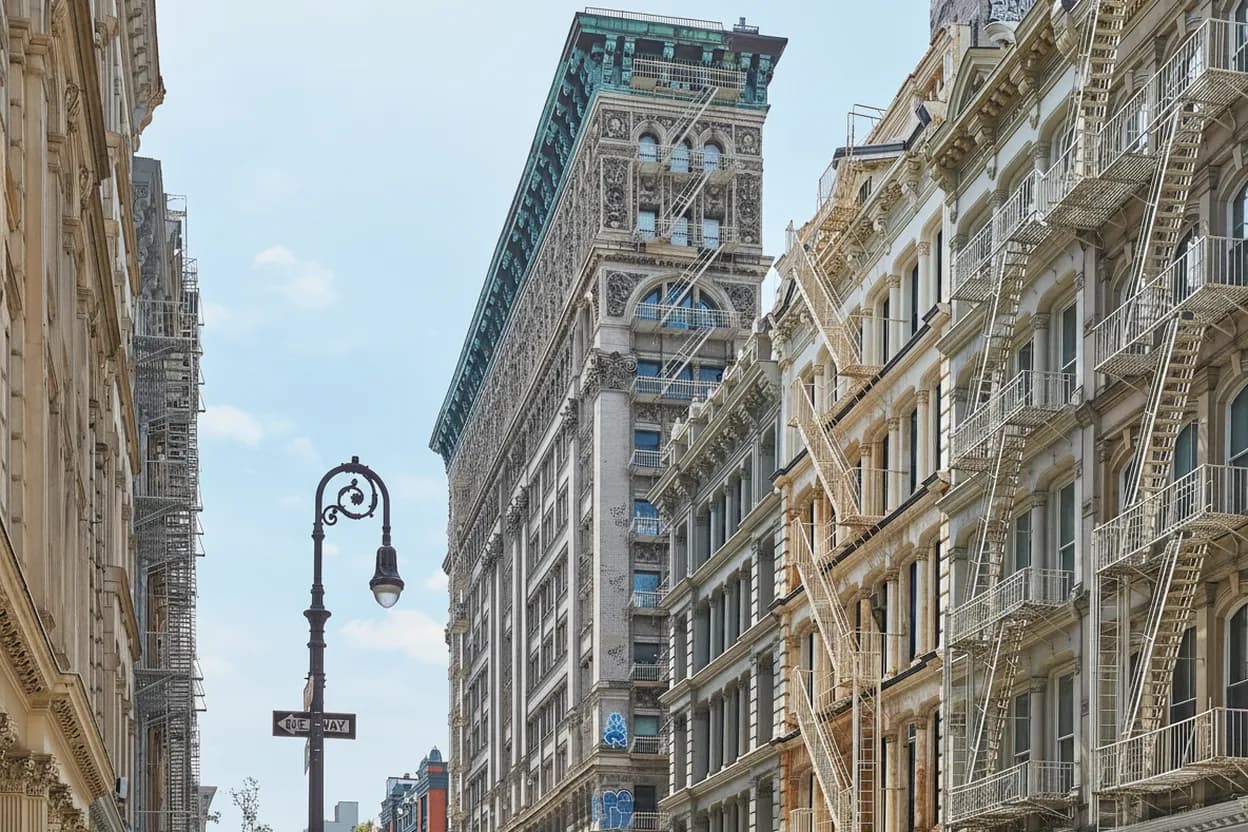
The whole trick is in the title: look up. Once you start noticing the columns, cornices, and repeating arched windows, the neighborhood transforms from a mall into an open-air museum.
Why cast iron, and why here
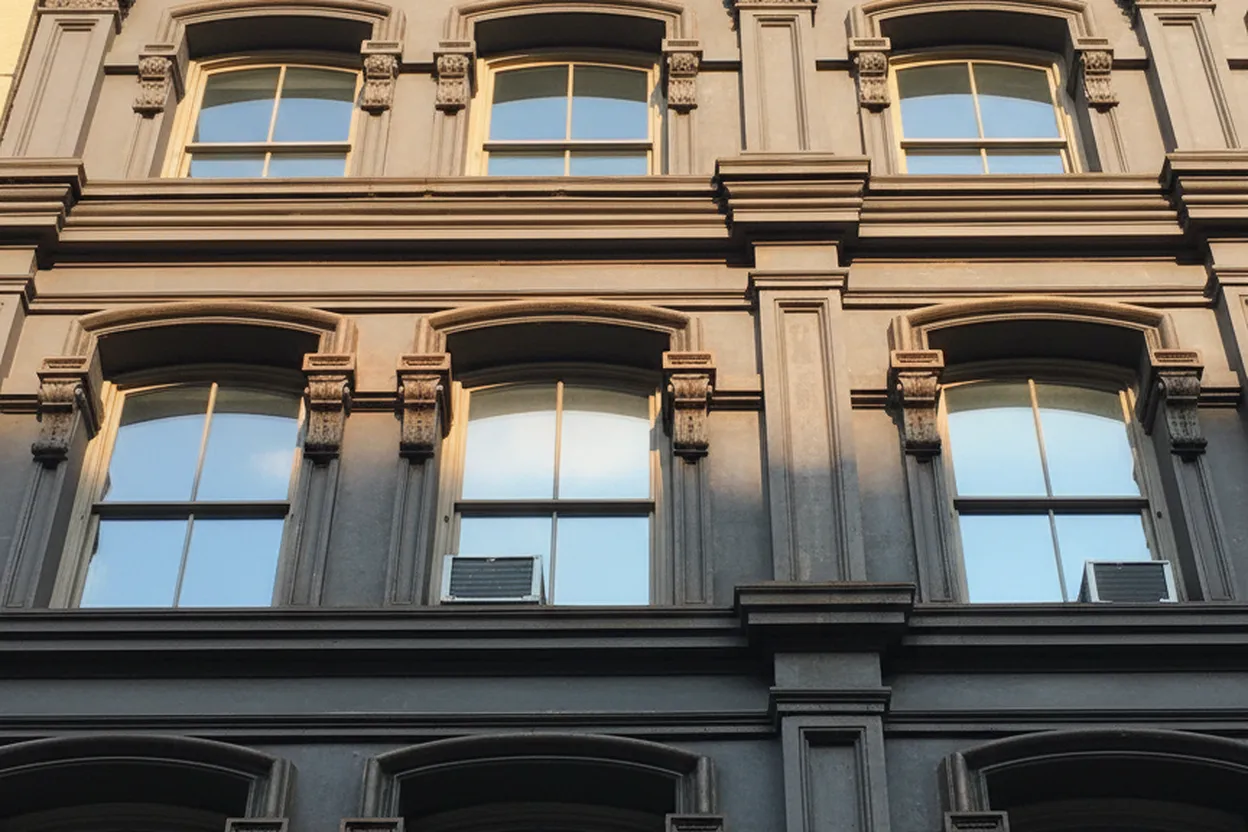
Between roughly 1850 and 1890, builders used cast iron to mass-produce ornate facades far more cheaply than carved stone — columns, capitals, and cornices could be cast in a foundry and bolted on, letting merchants front their buildings in what looked like expensive marble for a fraction of the cost. SoHo, then a commercial district, filled with them, and about 500 of these buildings survive today, protected since the district was landmarked in 1973.
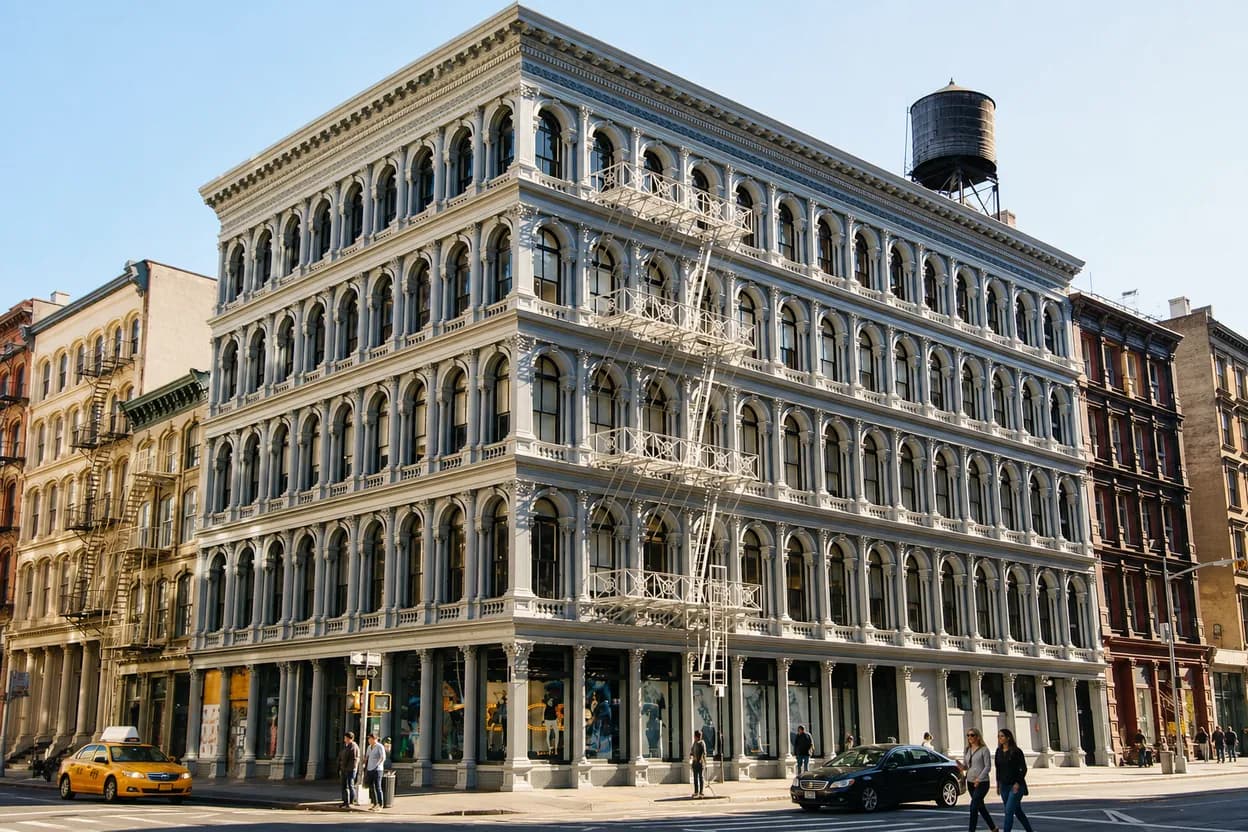
The insider anchor is the Haughwout Building at Broadway and Broome: built in 1856, it is one of the oldest cast-iron structures in the city and, more remarkably, was home to the first commercially successful Otis passenger elevator — the invention that made the skyscraper possible. Standing at that corner, you are looking at the ancestor of every tall building in New York.
Walk Greene Street's cast-iron canyon
For the densest stretch, walk Greene Street between Canal and Houston, which has one of the most complete runs of cast-iron facades anywhere — a genuine architectural canyon of columns and painted iron fronts. The last cast-iron-fronted building in the city, from 1901, sits at 550 Broadway, bookending the era at the other end.
A free self-guided mobile app now maps more than 50 points of interest across the district if you want names and dates as you walk. But you do not need it — just move slowly down Broadway, Broome, and Greene, keep your eyes above the shop signage, and let the facades do the talking. The best light is a bright morning before the shopping crowds fill the sidewalks.
How to walk it
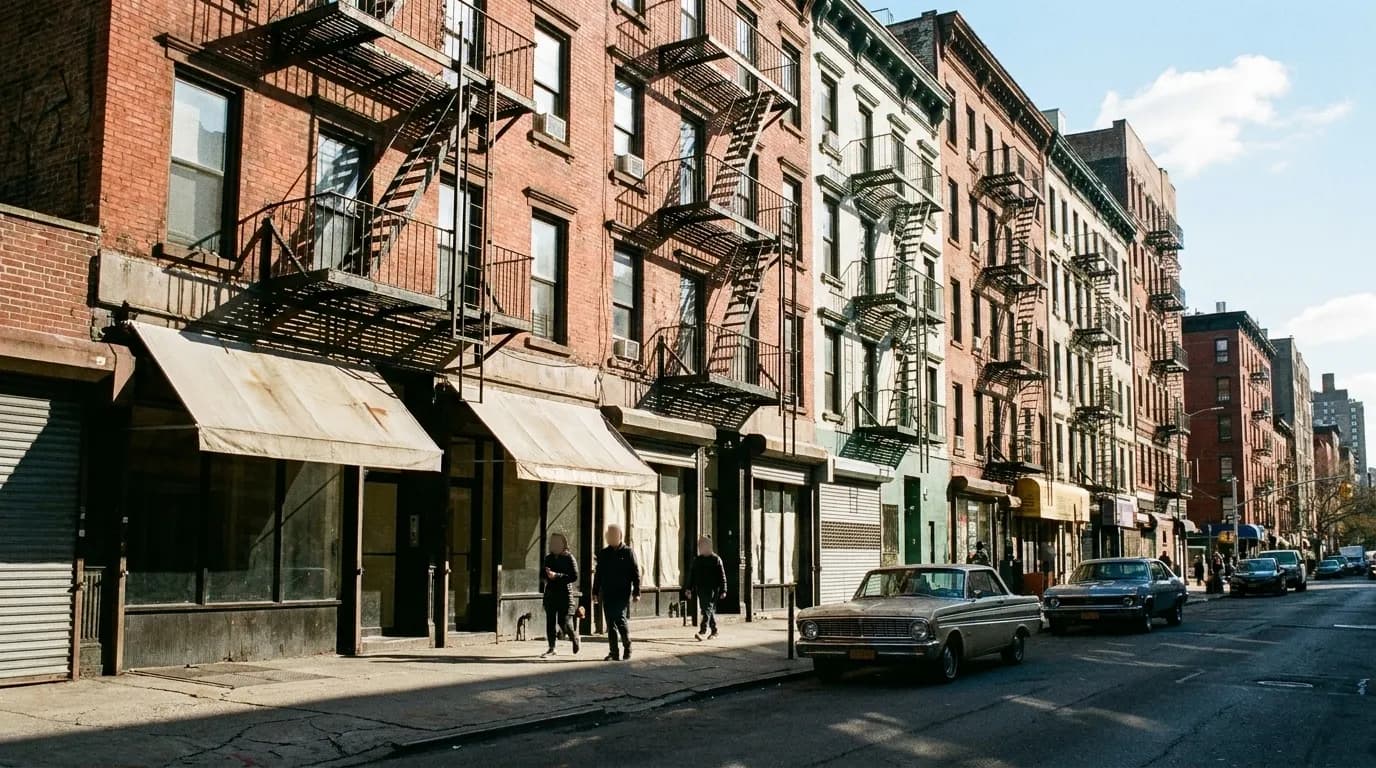
A good loop: start at the Haughwout Building (Broadway and Broome), walk west and up Greene Street through the cast-iron canyon, then wander Broome and Prince as the mood takes you. The whole route is a compact few blocks and entirely free, so it slots easily around lunch, coffee, or actual shopping if that is also on the agenda.
Go on a weekday morning if you can, when the sidewalks are clear enough to stop and look up without blocking foot traffic. Bring a camera — the facades reward detail shots — and treat it as a slow architectural stroll rather than a checklist. It is one of the best free culture walks in Manhattan, hiding above one of its busiest shopping districts.
Practical notes
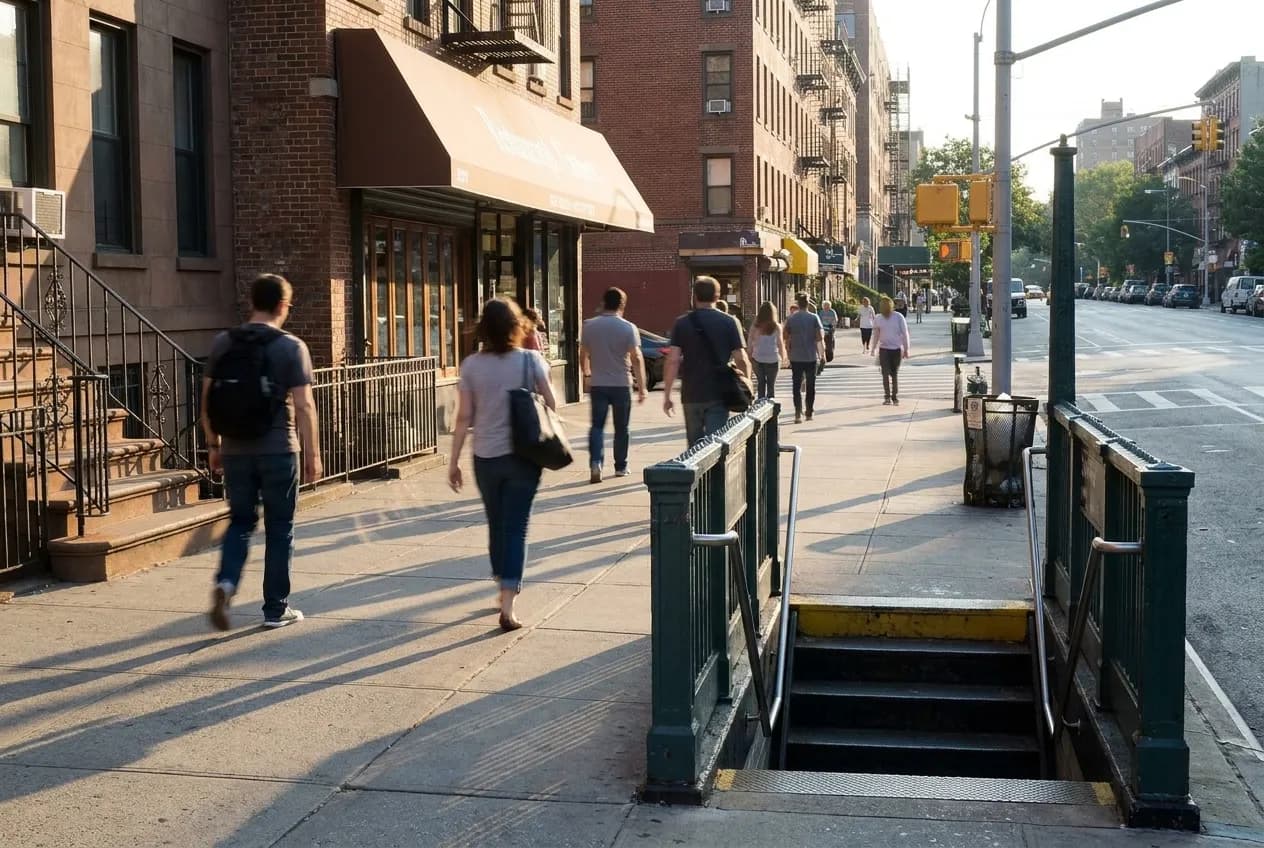
This is a free, anytime outdoor walk — no tickets or hours — centered on Broadway, Broome, and Greene Streets in SoHo, with the Haughwout Building at Broadway and Broome as the key anchor. A free self-guided mobile app maps 50-plus cast-iron sites if you want detail. Go on a weekday morning for clear sidewalks and good light, wear comfortable shoes, and be mindful of shop entrances and foot traffic while you stop to look up. Nearest trains are the N/R/W to Prince Street and the 6 to Spring Street.
Tags: #SoHo #NeighborhoodGuides #CastIron #Architecture #HaughwoutBuilding #GreeneStreet #HistoricNYC #FreeNYC #WalkingTour #Manhattan #LookUp #AskKarpo #BeforeYouGo #Summer2026
Sources consulted: SoHo Broadway — cast-iron history
All trademarks are the property of their respective owners.
Ask Karpo first
Want to know when to show up, where to wait, and what's actually open to the public? Ask Karpo for the latest SoHo cast-iron architecture planning updates, a free self-guided walking plan, and a live route around Broadway, Broome, and Greene Streets in SoHo before you head out.