 SoHo Stationery Shop Gift Picker for a New Job Desk
Hidden Gems & Odd Finds

Midtown Shoe Repair Shop Planner: A Two-Trip Errand
Plan a Midtown shoe repair shop errand in the Karpo APP, fitting drop-off and pickup around your commute while keeping the repair deadline explicit.
Plan a Midtown shoe repair shop errand as two trips: one to hand over the pair and one to collect it after the business accepts the work. The Karpo APP can help organize that route around the places and time limits you provide. Start with your actual commute, the shoes you can carry, and the latest collection day you can manage. A tidy plan saves wasted walking without pretending the repair itself happens while you wait.
Begin With the Trip You Already Make
Open your calendar before opening a long list of shops. Identify the day you will already be in Midtown and the part of that day that can tolerate an errand. An office arrival, a train departure, and a fixed appointment are anchors; a hoped-for free hour is not. Write down which stop you can move if the intake takes longer than expected. A repair visit is easier to fit when one part of the surrounding plan has room to breathe.
Choose a starting point you are comfortable sharing in your request. A station, intersection, or broad office area can be sufficient for a first route. You do not need to provide a private home address to compare a few possible detours. State whether you want to walk throughout, use transit, or avoid stairs while carrying a bag. Those preferences change what counts as convenient. A shop a little farther from the office may fit better beside the journey home.
Pack for Handing the Shoes Over
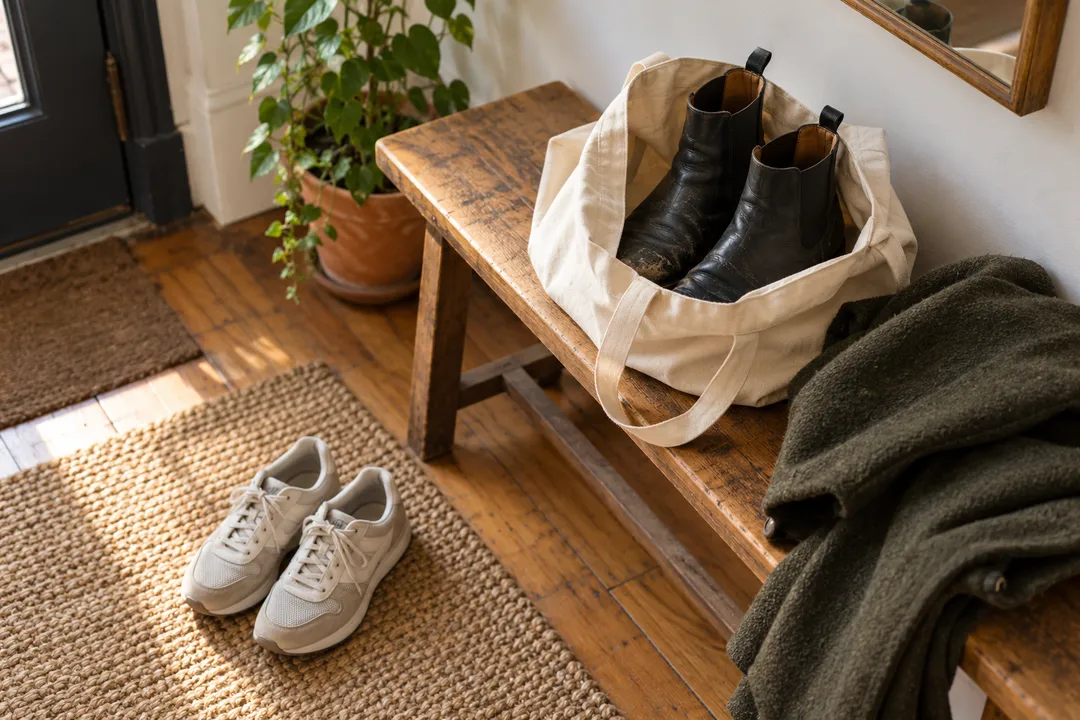
If the damaged pair is on your feet, the spare pair is part of the route, not a detail to remember at the door. Put comfortable footwear in your bag before leaving. Carry both shoes even if the visible fault is on only one, and keep the bag large enough to close without forcing the uppers together. An empty shopping tote is usually easier to manage on a crowded sidewalk than juggling a loose pair and a work bag separately.
Prepare a short description you can deliver at intake: the problem, how often you use the pair, and the outcome you need. A commuter boot with a lifting edge calls for a different conversation from a formal shoe with a cosmetic mark. You are not selecting a technique yet. You are making it possible for the cobbler to assess the right issue. Keep any event deadline in that description so it reaches the counter before the work is agreed.
Ask for a Route With One Flexible Stop
A useful Karpo prompt is: “Help me plan a shoe repair drop-off during my Midtown commute. I start near my usual station, need to reach work afterward, and can make a separate pickup trip next week. Suggest a compact route and identify the details I need from a shop before committing.” Replace the broad landmarks with your own. The requested output is a planning aid built around your constraints, not a promise that any counter will accept the pair.
Limit the first search to a small number of realistic detours. Compare candidates by the direction they take you, the service descriptions you can read, and how they fit the return trip. Do not optimize only for the first visit. Saving a few blocks on drop-off can be a poor trade if collection requires a separate cross-town journey. Have Karpo lay out the two visits together so you can see the total burden before choosing where to make contact.
Leave the Pickup Date Unassigned Until Intake
At the counter, ask what date the shop can offer for this particular job. Put that answer into the plan after the assessment, and distinguish it from your preferred date. Ask how you will learn the pair is ready and what you need to bring for collection. These are practical intake questions, not assumed house rules. A receipt with a proposed date is useful only when you also understand the business's handover instructions and the scope of work it records.
Do not book a tightly timed pickup between two commitments on the strength of a general online turnaround statement. Your pair may require different work from the example described on a website. Keep the collection trip movable until the business gives you a clear answer. If you need the shoes before leaving New York, say so before authorizing the repair. A trip that cannot accommodate a later collection is a reason to defer the job, not to hope the deadline disappears.
Use the Waiting Time Without Inventing a Wait
Midtown offers many possible diversions, but a planned diversion is not evidence of a while-you-wait service. Treat lunch, a park pause, or a separate errand as independent activities. If the shop accepts an immediate job, you can decide how to use that time from the information it provides. Otherwise continue your day in the spare pair. There is no need to keep circling the block when the next meaningful step is a later collection message.
When you want to add a nearby stop, tell Karpo how much time remains after intake and where you must finish. Ask for a short route with one optional pause rather than a packed itinerary. Someone carrying a bulky work bag may prefer a seated break; someone with a train to catch may prefer the direct path. If a candidate stop has unanswered access questions, leave it optional. The repair errand succeeds when the essential handover fits, even if the extra stop disappears.
Build a Rain Plan and a Late-Day Plan
A wet day changes what you carry and how far you want to walk. Use a closed bag for the shoes and keep any repair paperwork away from the wet outer layer. Ask for a shorter outdoor segment if that matters to you, without treating a subway station as a guarantee of a fully covered route. A proposed walking time is a planning input. Leave enough slack for crossings, crowds, and the physical task of finding the correct storefront entrance.
Late-day drop-off has a different failure mode: reaching a counter just as it stops accepting work. Contact the business directly to arrange the handover you need rather than stretching a route to an assumed closing time. If the timing does not fit, move the drop-off to another day. Do not solve a missed window by leaving shoes outside a door or with an unrelated neighboring business. The job begins with a clear transfer of the pair and the repair instructions.
Practical Notes for the Return Journey
Save the exact shop location and claim details when you leave the pair. A familiar block can contain several similar storefronts, so use the business identity rather than a vague note about the corner. Add the agreed repair description beside the collection date. Keep a record of any later change communicated by the shop. That gives your next request to Karpo concrete information to work with instead of asking it to infer the progress of a job it cannot observe.
At collection, try the shoes if the business permits and inspect the repaired area before leaving. Ask how to wear or care for the finished work, especially when the feel underfoot has changed. Bring the carrying bag again if you plan to keep using your spare pair for the journey home. A successful pickup is a completed handover with understandable care instructions. It does not require turning the newly repaired shoes into an immediate long-distance walking test.
Finish with an actionable request in the Karpo APP: “Use this pickup day and shop location to fit collection into my Midtown route, keeping the train departure fixed.” Supply the agreed details and your preferred flexibility. The result should make the errand easier to execute while keeping responsibility clear: the business handles the repair and handover, you accept the work, and Karpo helps arrange the city journey around those decisions. That is enough to make two ordinary trips feel manageable.
Ask Karpo for more information.
Keep reading
- SoHo Stationery Shop Gift Picker for a New Job Desk
 SoHo Consignment Shop Crawl Planner: Designer Handbag Checks
 Williamsburg Stationery Shop Gift Picker for Office Swaps