 Chelsea Consignment Shop Crawl Planner for Your First Studio
Hidden Gems & Odd Finds
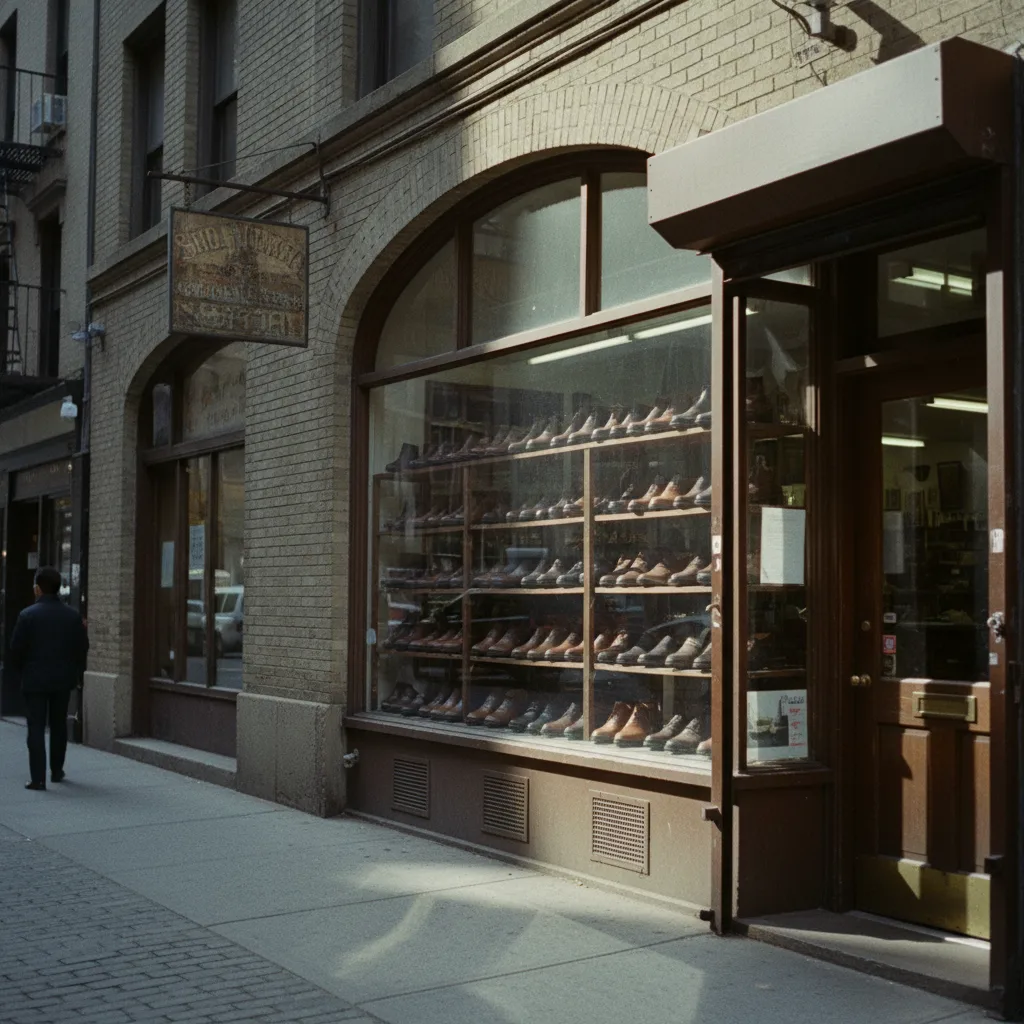
Jim's Shoe Repair Shop: 59th Street Guide, What To Bring
Jim's Shoe Repair at 59 E 59th St in Midtown handles everyday shoe care. Bring the pair, explain the wear, and plan time for a useful counter visit.
Jim's Shoe Repair sits at 59 E 59th St, New York, NY 10022, in the Midtown pocket between Fifth Avenue and Lexington Avenue. The useful answer for anyone searching shoe repair shop near me is that this is a walk-in-style neighborhood counter rather than a destination hidden in a warehouse. Bring the shoes, boots, or leather item that needs attention, and arrive ready to describe how you wear it. The address puts the shop close to offices, hotels, subway entrances, and the daily rush around Central Park's southeast corner.
A Midtown Repair Counter With a Long Memory
The first impression is practical: a compact repair business where the work matters more than the décor. That setting is valuable when a heel has started clicking, a sole is separating, or a favorite pair needs a proper shine before a meeting. A repair counter can usually see the difference between a cosmetic touch-up and a structural problem quickly. Give the staff the whole story, including whether the pair gets worn in rain, on long commutes, or only indoors, because use changes the right material and finish.
Leather shoes reward specific information. Tell the counter whether the leather is smooth, suede, patent, or treated with a finish, and point out any old polish or waterproofing already applied. A dark dress shoe with worn toes needs a different plan from a sneaker with a loose sole. Do not arrive with wet footwear sealed inside a plastic bag; let it breathe during the trip. Put both shoes in the order even when only one looks damaged, because matching shape and color is easier when the pair is together.
The shop is especially useful for people who want to keep a reliable pair in rotation instead of replacing it at the first scuff. A Midtown analyst may need a pair ready for a presentation, a hotel guest may have a broken heel before dinner, and a theatergoer may be trying to rescue boots after a wet evening. Those are different emergencies, but the rule is the same: explain the deadline before work begins. Clear timing keeps a small repair from becoming a rushed repair.
Bring the Right Pair for the Job
There is no prize for asking for every possible service at once. Start with the defect that affects comfort or safety: a loose heel, exposed insole, sharp edge, or sole that lets water in. Then ask what maintenance will protect the repair. A brush, conditioner, or new heel tip may be useful, but it should follow the diagnosis rather than replace it. The best conversation is specific and short, with the pair on the counter and the problem visible under the light.
If you are dropping off expensive leather, photograph the pair before leaving it. Capture the front, heel, sole, and any existing marks. That is not distrust; it is a clean record when a pair has already lived a full life. Remove loose receipts, subway cards, and personal inserts from the shoes. If the pair has a removable insole or special orthotic, point it out at intake so the finished fit is judged against the right baseline.
Plan the visit around the block rather than treating it as a single errand. The store is close to Central Park's southeast entrance, so a short walk north can turn a drop-off into a reset before the next appointment. Fifth Avenue gives you a direct route past department-store windows, while Lexington Avenue is the more useful escape when Midtown traffic thickens. Keep the handoff simple, then use the neighborhood for the waiting time instead of hovering over the counter.
The Small Details That Make a Repair Last
A good walking loop starts at 59th Street, heads west toward Fifth Avenue, and cuts north along the park edge. The route is busy, but it gives you room to look at the shoes you are wearing and notice where pressure is building. If the problem is a heel or sole, pay attention to how your stride changes after the repair conversation. That small observation can help you explain whether the issue is cosmetic or part of a larger fit problem.
The counter also makes sense for travelers staying nearby. Pack the pair in a cloth bag, carry the matching shoe, and keep your schedule flexible enough for a real inspection. A hotel concierge may know the area, but the repair specialist knows the object. If a formal shoe has been compressed in luggage, let the staff see its natural shape before asking for a shine. A few minutes of context can prevent the wrong treatment on a pair that has already been stressed.
Regular customers often return because the staff remembers the habits behind the damage. A person who walks eight blocks to work wears a heel differently from someone who takes a car. A server standing on hard floors needs different support from a guest who wears a dress shoe twice a year. Mention those patterns. They are more useful than simply saying the pair is old, and they give the repairer a reason to recommend reinforcement, conditioning, or a lighter touch.
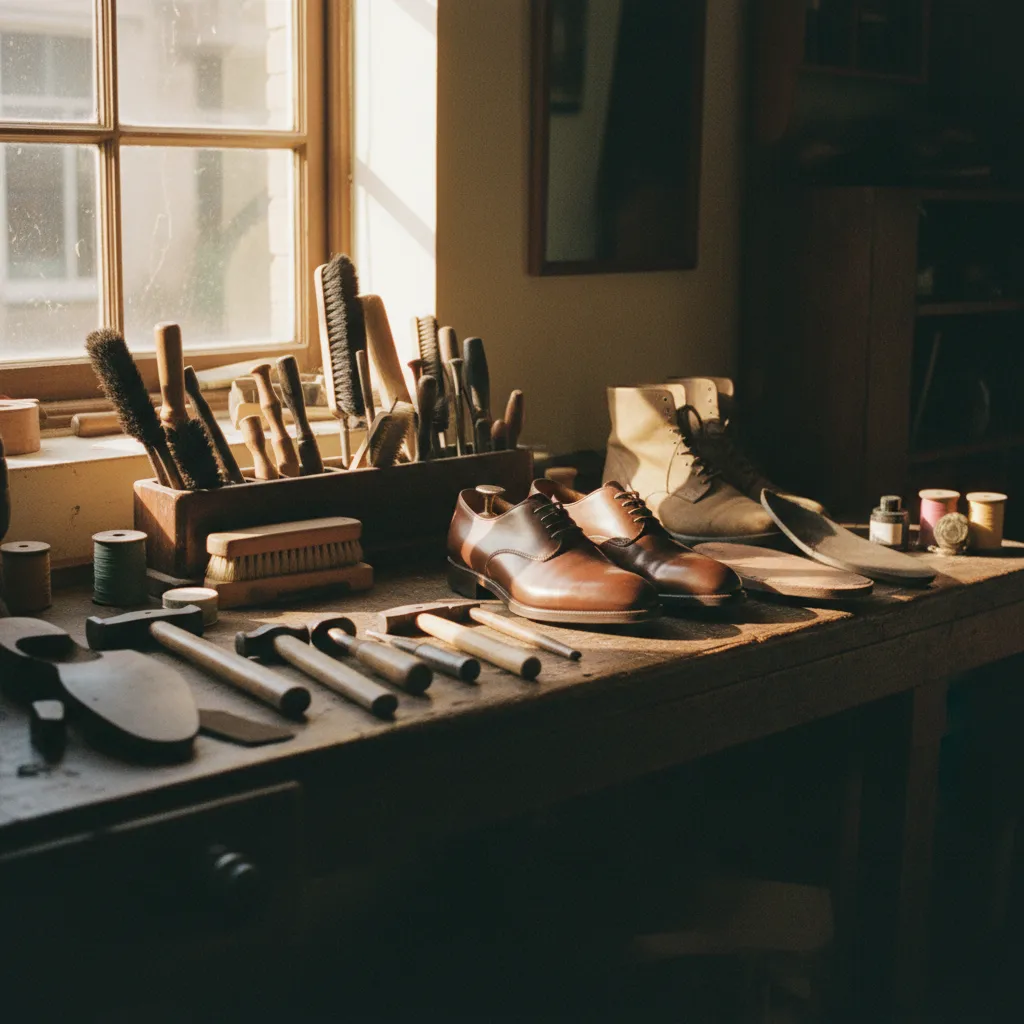
A Walk Through 59th Street After Drop-Off
Skip the idea that every mark should disappear. A well-used leather shoe can keep a small crease or color variation and still look better after the edge, sole, and shape are corrected. Over-polishing can flatten character and make a repaired pair look artificially glossy. Ask for a finish that matches the shoe's current life. The honest goal is a comfortable, stable pair that looks cared for, not a pair pretending it has never met a sidewalk.
For a first visit, choose a weekday morning when your schedule is not already compressed by a meeting. Bring the shoes in a reusable bag, write down the best phone number for the pickup message, and keep the order language precise. If you are leaving a pair for an event, say the event date at intake. That turns an abstract request into a concrete planning question and gives the shop a chance to tell you whether the job fits the available window.
After drop-off, the surrounding blocks offer easy substitutes for waiting indoors. Walk toward Central Park for open air, browse the Fifth Avenue storefronts, or head east toward Lexington for a faster route back to the subway. Midtown changes by the hour, so the same loop feels different before the lunch crowd and after offices empty. Keep your receipt safe, and do not assume a repair is finished merely because the pair looks polished from a distance.
Practical Notes for a Smoother Visit
The practical packing list is short: both shoes, any removable inserts, the original laces if they affect fit, and a clear description of the problem. Add photographs for valuable pairs and note the date you need them back. Avoid stuffing wet shoes into the bag, and avoid applying a new home product the night before the visit. Clean information helps more than last-minute experimentation, especially when the leather has an unknown coating.
Jim's Shoe Repair is a useful Midtown option because the address is easy to reach and the errand fits naturally into a workday or hotel stay. The strongest reason to go is not a dramatic makeover; it is the chance to keep a familiar pair comfortable, presentable, and in service. If you know what is wrong, bring both shoes, and leave enough time for a real inspection, the visit becomes a straightforward piece of city maintenance rather than a small crisis.
The shop's value is easiest to see after the repair, when a pair returns to ordinary life instead of being saved for a special occasion. Walk a few blocks, notice how the heel lands, and keep that observation for your next visit.
A Repair Visit That Fits Real City Life
Before leaving home, pack both shoes, removable inserts, original laces if they affect fit, and a note with your deadline. Avoid wet storage and last-minute home chemicals, because unknown products can change leather before the specialist sees it.
Jim's Shoe Repair is a useful Midtown stop when a familiar pair needs stability, care, or a more presentable finish. Bring the full pair, explain the wear pattern, and leave room for inspection; that turns a small shoe problem into manageable city maintenance.
Ask Karpo for more information.
Keep reading
- Chelsea Consignment Shop Crawl Planner for Your First Studio
 East Village Consignment Shop Crawl Planner: Leather Jackets
 Harlem Consignment Shop Crawl Planner for a Jazz Night Look