 Chelsea Consignment Shop Crawl Planner for Your First Studio
Hidden Gems & Odd Finds
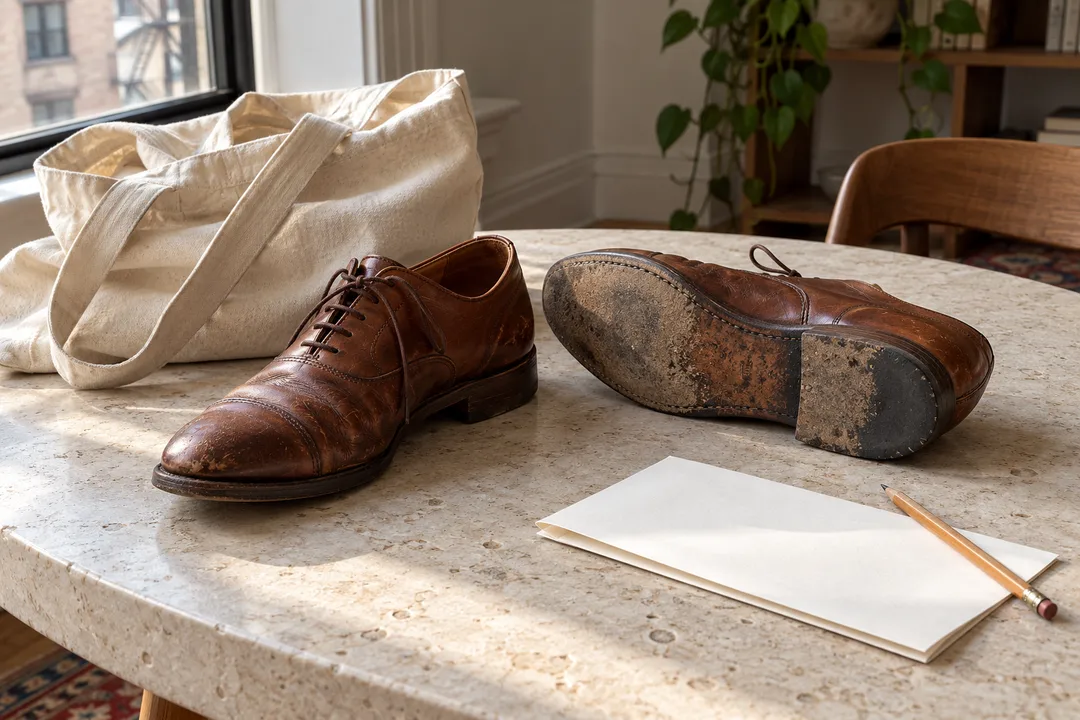
Wall Street Shoe Repair Shop Finder: 3 Quote Questions
Compare shoe repair shop quotes near Wall Street in the Karpo APP, using three questions about scope, finish and pickup before you choose a counter.
A useful shoe repair shop shortlist in the Financial District starts with three questions: what work is included, what finish will remain, and when can the pair be collected? Use the Karpo APP to organize your search around the damaged shoe and your Wall Street routine. A nearby pin alone cannot answer those questions. Give the search a concrete brief, then take the resulting candidates into a direct conversation with a cobbler before authorizing any work.
Describe the Failure Before Choosing the Counter
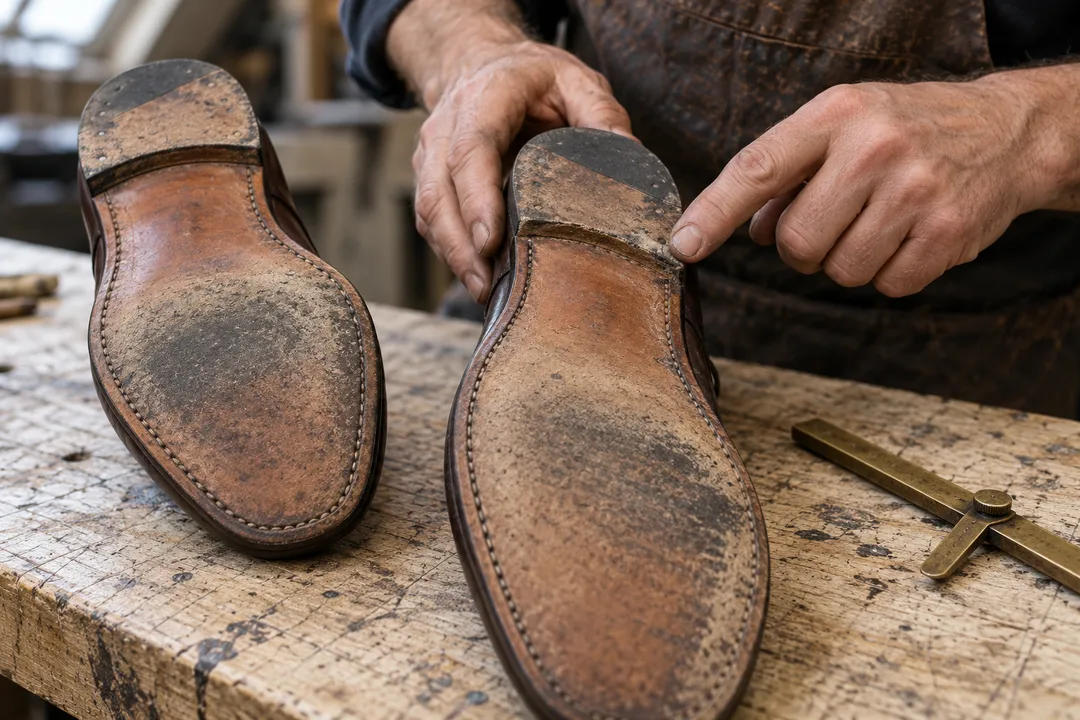
Start with what happens when you wear the pair. A heel that tilts outward, an opening seam, a lifting sole edge, and a surface scuff are different problems even when they all look like worn shoes from above. Write one sentence about the symptom and another about the outcome you want. “My right heel feels uneven on pavement; I want a stable everyday walking shoe” gives a shop more useful context than “make these look new.”
Keep the brand and model information separate from that description. They can help identify the construction, but an expensive label does not establish which repair is appropriate. Note whether the shoe is leather, suede, fabric, or a material you cannot identify. Uncertainty is useful information here. Describe the visible surface without guessing at a technical specification, and leave the diagnosis to the person who can inspect the pair. Bring both shoes so the comparison includes their differing wear.
Give Karpo a Small, Answerable Search
Try this request in the Karpo APP: “Help me find shoe repair shops around the Financial District for worn leather heels. I can drop off near my office on a weekday and collect on another day. Prioritize shops that describe heel or sole repairs, and show where each service claim comes from.” The task is to assemble relevant options. It does not ask the app to decide that a particular pair can be repaired from a sentence alone.
Set a geographical boundary that matches your real day. Someone who already walks through the neighborhood can consider a counter along that route; someone arriving from another borough may prefer a shop near the station they actually use. Include a comfortable carrying distance rather than an arbitrary citywide search. If you have only one short break, say that. The output you need is a manageable set of candidates with reasons to investigate, not a ranking based solely on proximity.
Compare the Scope, Not Just the Number
The first quote question is “What exactly does this include?” A price for one heel component cannot be compared fairly with a price for work on both shoes, edge finishing, or a more extensive sole repair. Ask the shop to name the work in everyday language. Put those descriptions beside one another before comparing totals. If one recommendation involves a different method, treat it as a separate proposal rather than assuming the higher figure is an overcharge.
Ask how additional damage will be handled if it appears during the job. Your useful boundary is an approval limit: the amount or additional step that requires another conversation before proceeding. Record that agreement with the repair description. This is a request you can make, not a claim that every counter follows the same policy. A clear refusal or a recommendation to stop can be valuable. The goal is to understand the commitment while you still have the pair in hand.
Decide What Must Look the Same
The second question is about the result you will see and feel. A grip-focused repair, a close cosmetic match, and preserving the original profile are different priorities. Tell the cobbler whether the shoes are for daily commuting, a formal occasion, or occasional indoor use. Then ask what the proposed work will change: sole thickness, edge color, flexibility, or the way the heel meets the pavement. Avoid prescribing a branded material simply because you saw it mentioned in another review.
For a matching pair, ask whether work on one side will create a noticeable difference from the other. This matters when only one shoe looks damaged but both have developed wear. Photograph their condition for your own record before drop-off. Do not turn those photographs into a remote diagnosis or a guarantee of a perfect restoration. They help preserve the original appearance and make the intake discussion more precise. The shop still needs to assess what the existing structure can support.
Put the Deadline in the Right Column
The third question is “What collection date are you offering for this job?” Separate an estimate from an agreed ready date, and separate a ready date from the time you can reach the counter. A repair that finishes while you are outside Manhattan does not solve an immediate wardrobe problem. If the pair is needed for a particular event, give the actual deadline at intake and keep a different pair available for the event until the repair is collected.
Skip any plan that depends on leaving the shoes and collecting them during the same lunch break unless the shop explicitly accepts that job and timing. A neighborhood walk is a pleasant extra, but it cannot manufacture bench capacity. If the deadline is too tight, narrow the requested work or choose a later collection trip. Ask Karpo to help reorganize your route around those constraints once you have the shop's answer. Do not describe a proposed schedule as a confirmed repair slot.
Turn the Shortlist Into One Decision
For each candidate, keep four short notes: the relevant service evidence, the location that fits your route, the questions still unanswered, and the next contact action. Two well-described options can be more useful than ten unexplained pins. A listing without a public tariff is not automatically unsuitable; it simply cannot provide a comparable quote until the shop assesses the item. Leave missing numbers blank instead of filling them with a citywide average that says little about this pair.
Take one candidate at a time through the same scope questions so the comparison stays fair. If the answers differ, ask what condition each shop is responding to. You can use Karpo to summarize the answers you provide and identify the remaining decision, such as preserving appearance versus adding traction. The app's useful role is organizing your options and the errand. Authorization, acceptance of the repair, and the final condition assessment belong in the direct exchange with the business.
Practical Notes for a Financial District Drop-Off
Carry the pair in a bag that closes, empty anything stored inside the shoes, and keep accessories together. Bring your own clean spare footwear if you are wearing the damaged pair to the appointment. Save the business name, agreed work, contact method, and claim details in one place. For collection, leave time to examine both shoes at the counter. Ask about the care instructions for the actual material used before taking the repaired pair back into regular wear.
Make the next Karpo request specific: “Organize these two repair options by included work and collection trip, then help me choose which question to ask next.” Add the answers you received, including any firm deadline. That creates a usable decision from a search without inventing prices, promising availability, or treating a map result as a completed booking. Once you select the counter, the next step is simple: contact it with the pair's problem and your proposed drop-off window.
Ask Karpo for more information.
Keep reading
- Chelsea Consignment Shop Crawl Planner for Your First Studio
 East Village Consignment Shop Crawl Planner: Leather Jackets
 Harlem Consignment Shop Crawl Planner for a Jazz Night Look