 Chelsea Consignment Shop Crawl Planner for Your First Studio
Hidden Gems & Odd Finds
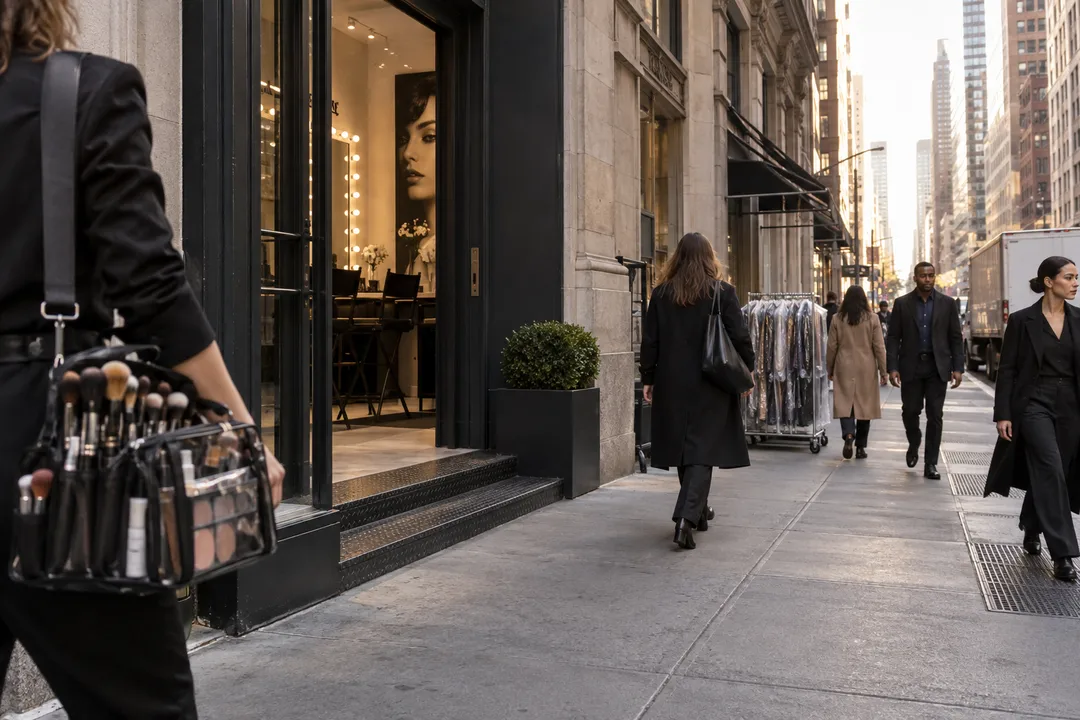
SFX Makeup Near Me in Midtown: New York Makeup Academy
A Midtown guide to New York Makeup Academy at 29 West 38th Street, with its 60-hour SFX program, TV-film-theater curriculum, tuition, practical planning and a nearby Garment District walk.
A search for sfx makeup near me can mean two very different things: finding a product today or finding a serious route into the craft. New York Makeup Academy is for the second search. Its listed New York location is 29 West 38th Street, New York, NY 10018, and its SFX Master Makeup Program is built around TV, film and theater work. The setting is Midtown, close to the Garment District and the production supply network that surrounds it.
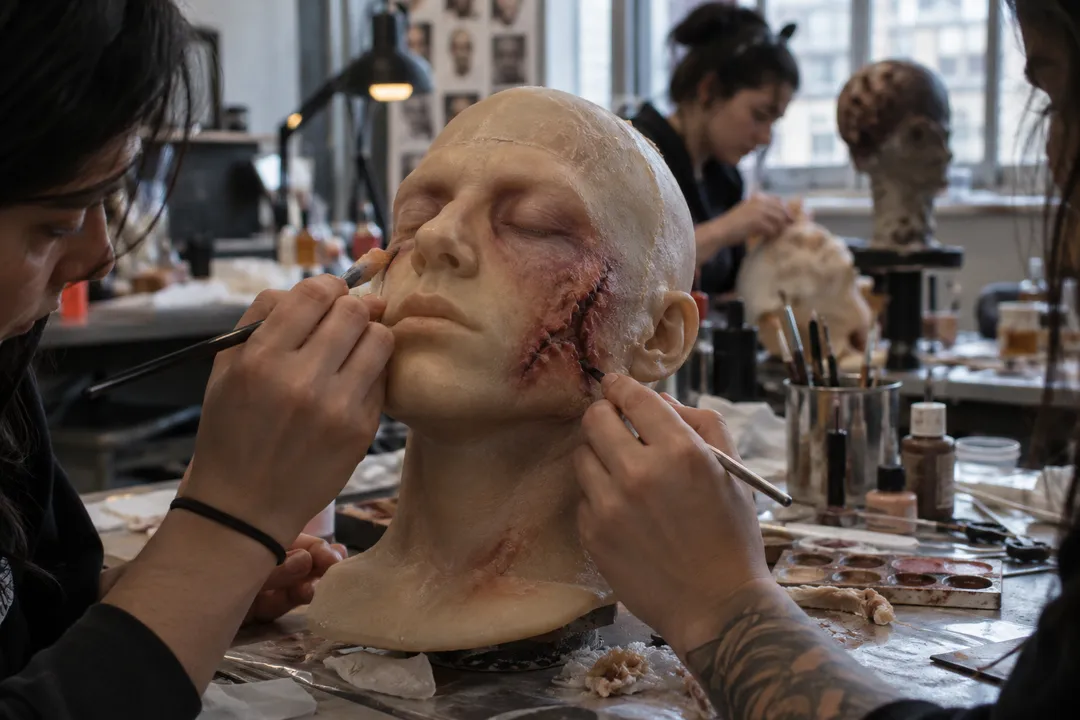
That schedule is useful because it makes the commitment concrete. This is not a drop-in workshop squeezed between errands. It is a daytime block with repeated practice, a live model, portfolio photographs and enough time for the student to see how an effect develops from clean skin to finished character.
Tuition for the SFX Master Makeup Program is listed at $4,995. The curriculum includes corrective work, aging latex, period makeup and hair, facial hair, bald-cap application, bruising, open wounds, bullet wounds, burns, stitched wounds, track marks, scratches, scar molding, gelatin and latex. The range tells you what kind of student the program expects: someone who wants to understand both the special effect and the makeup discipline that makes the effect sit naturally on a face.
The price becomes easier to read beside the academy's other programs. The Professional Makeup Program is also listed at $4,995, the 100-hour Master Makeup Program at $8,000, and the 150-hour Elite Artistry Program at $11,995. Those figures are not interchangeable products. The SFX program is the focused path, while the longer programs are broader career commitments. A student should choose by the work they want to show, not simply by the largest number of hours.
The live-model component matters. A silicone practice face is useful for shape and repetition, but a real model introduces expression, warmth, movement, facial hair and the small asymmetries that make a wound or aging effect believable. The academy's program page identifies live-model work and pictures as part of the portfolio. That makes the course especially relevant to someone who has practiced online but needs a disciplined bridge to professional presentation.
The special-effects list is also a roadmap for what to watch during class. Bruising is about transparent color and pressure, while burns are about irregularity and restraint; a stitched wound needs believable tension and edge placement, and a bald cap asks for clean attachment and a convincing transition. Wax, scar material, gelatin and latex each create different surfaces. The course is valuable when the student learns the reason behind the order, not just the name of the effect.
A good academy visit begins before the first class. Make a kit inventory, label personal tools, bring reference images and reserve time for cleanup. The studio is shared space, so sanitation, closed containers and a reset table are professional behavior rather than housekeeping details. Write down the product, tool and technique used for each result. Those notes become a practical library when a future job asks for the same bruise, age or wound under different lighting.
Because the course is scheduled, the queue strategy is about enrollment and arrival rather than a retail line. Reserve a buffer for Midtown traffic, especially on days when office workers and theater crowds fill 6th and 7th Avenues. Arrive ready to start at 10 in the morning and plan the return trip with a clean kit. Four weeks of consistency will teach more than one heroic late-night practice session after missing a class block.
The studio environment is focused but not sterile. The work is tactile: brushes, powders, wax, latex, hair pieces, scar textures and color layers occupy the table. Students learn by looking closely, then stepping back to see how the effect reads at conversation distance. That rhythm is important. A special effect has to survive both the macro view of a camera and the ordinary movement of a performer.
New York Makeup Academy's story is connected to fashion weeks as well as TV, film and theater. Its site describes opportunities and education across New York, Paris, London and Milan Fashion Week, which gives the Midtown location a wider professional frame. SFX training can feed a horror character, a period production, a runway concept or an editorial portrait. The shared skill is controlled transformation with a clear visual intention.
A short neighborhood walk after class can help organize the visual ideas. Bryant Park is a few blocks east and offers a clean study in texture, repetition and public space. The Garment District's trim, fabric and costume businesses are south and west, while the theaters on 8th Avenue keep the production context close. Choose one direction, carry the kit carefully and avoid turning a full makeup day into an exhausting city marathon.
Practical notes: the New York Makeup Academy lists 29 West 38th Street, New York, NY 10018. The SFX schedule is Wednesday through Friday from 10 in the morning to 3 in the afternoon for four weeks. Tuition is $4,995. Bring a clean notebook, closed shoes, a way to photograph work and enough time for removal. A small personal sanitation kit makes the first week smoother and demonstrates the habits instructors expect on set.
This academy is best for someone who wants an organized path into SFX makeup and can protect four weeks for daytime study. The $4,995 program is specific enough for a focused learner, while the $8,000 and $11,995 options are better for students who need a wider professional foundation. The address, live-model practice, 60-hour schedule and concrete effects list make it a much stronger answer to the search than a seasonal costume aisle. The four-week format rewards a student who can keep a steady commute and document each technique. Consistency is the real advantage of a studio course. Keep the finished photographs, product notes and instructor feedback together so the class becomes a reference library instead of a one-time experiment.
One last planning detail for New York Makeup Academy: keep the reference image, product list and removal plan together so the visit ends with a usable kit rather than a bag of disconnected purchases.
The most useful follow-through is to photograph the finished work, record the product order and keep the cleanup notes beside the kit. That turns one visit into a repeatable reference for the next production.
Ask Karpo for more information.
Keep reading
- Chelsea Consignment Shop Crawl Planner for Your First Studio
 East Village Consignment Shop Crawl Planner: Leather Jackets
 Harlem Consignment Shop Crawl Planner for a Jazz Night Look