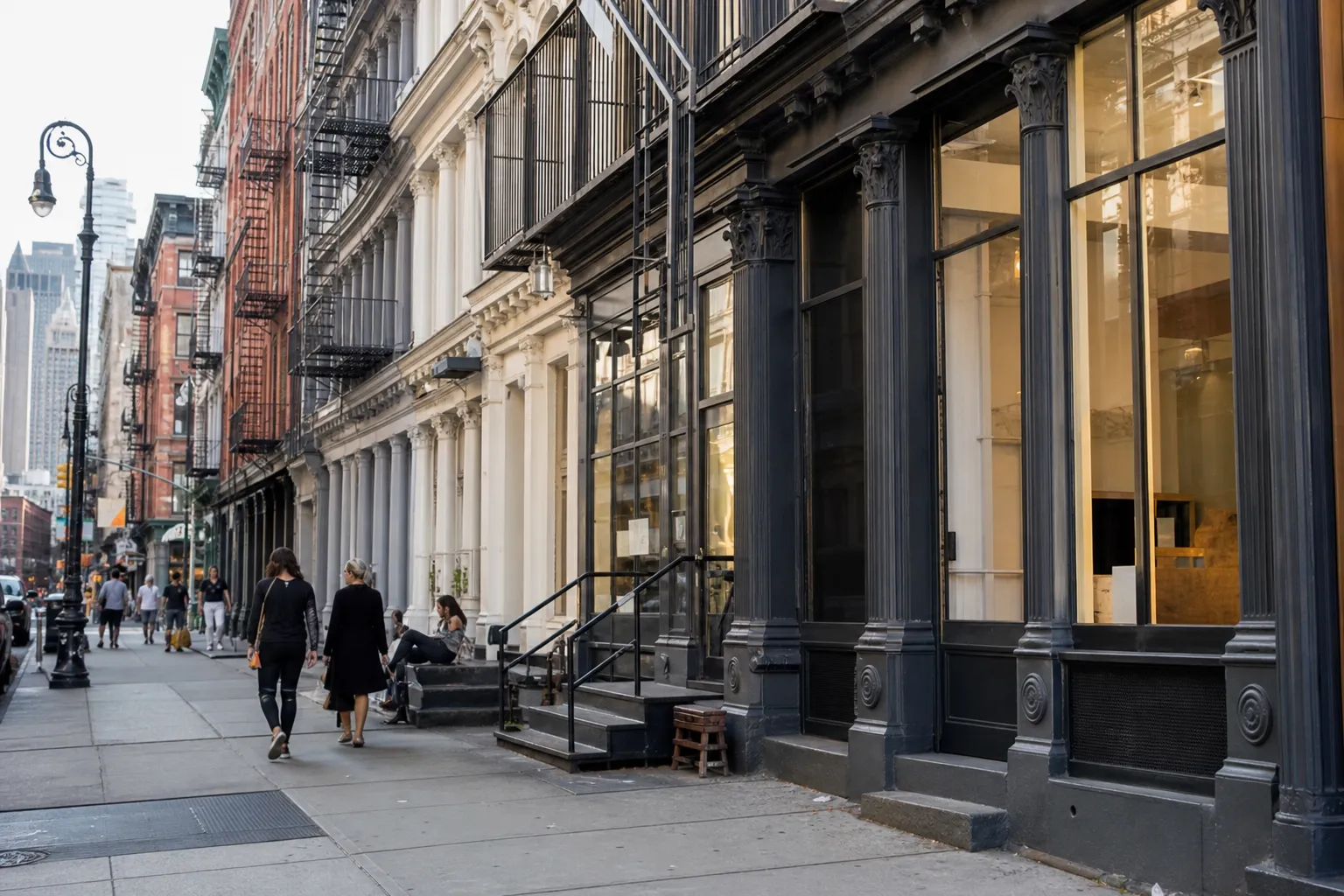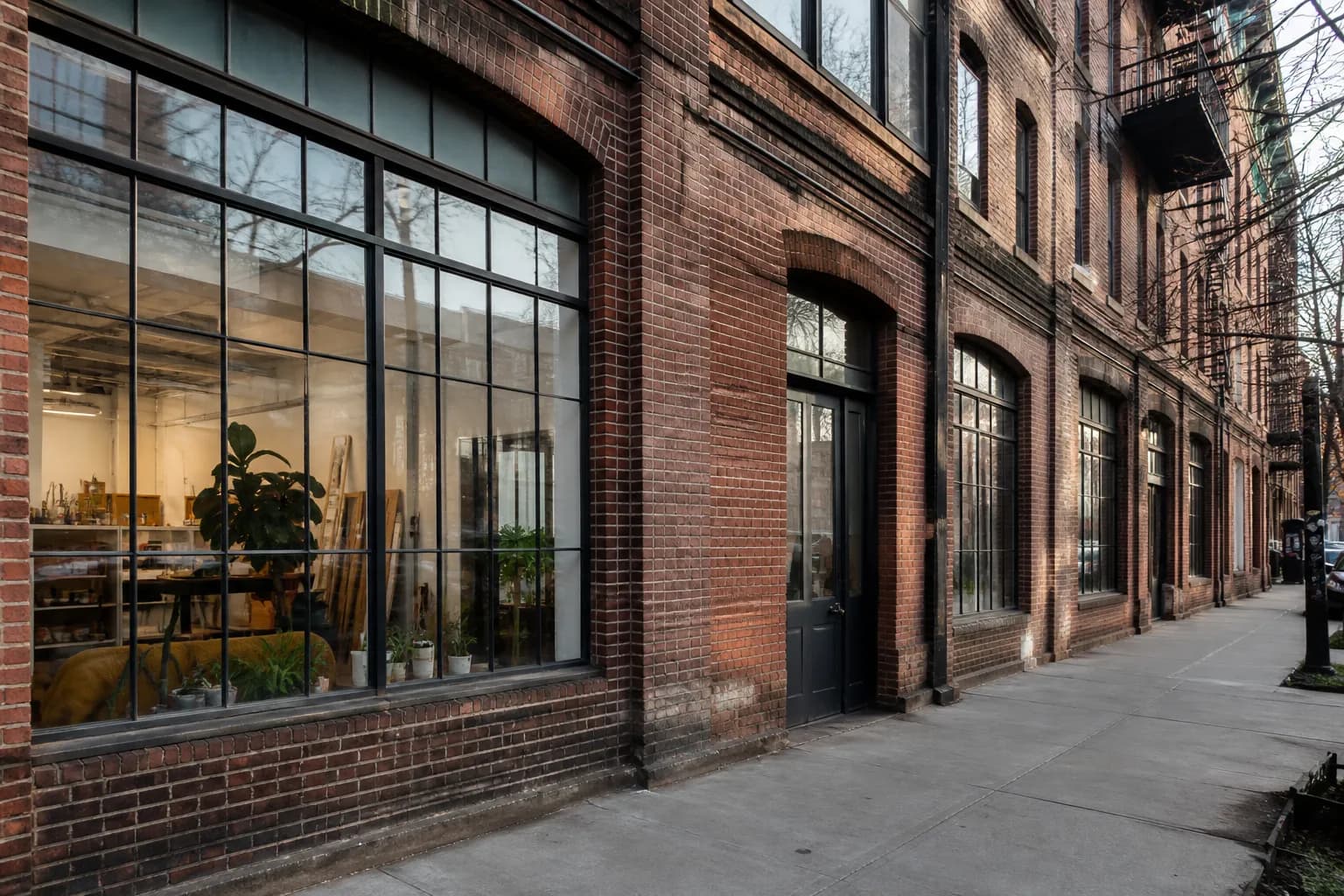
In NYC, the sexiest clubs are usually the ones that match the night you actually want: polished and scene-heavy, loud and kinetic, or small and tightly packed with good energy. That matters because the city does not have one club district that fits every mood. A place that feels right in Chelsea can feel too staged in Brooklyn, and a room that works on a Thursday can feel dead on a Tuesday. Before you go anywhere, decide whether you want dressy and glossy, underground and crowded, or easygoing with a strong dance floor.
Plan tonight with the right NYC club map

The smartest way to search is by neighborhood first, then by the current crowd signals. Look for recent posts, current event flyers, and live comments from people who were there the same week. Check whether the room is built around a DJ night, a live-performance crowd, or a bottle-service atmosphere, because those details change how a place feels more than the label “club” does. In New York, the right room often depends less on the venue name and more on who is there after 11 p.m.
Use neighborhood patterns to narrow the search fast
If you want a classic Manhattan feel, focus on areas like the Meatpacking District, Chelsea, and parts of the Lower East Side. Those neighborhoods tend to attract the most dressed-up crowd and the most obvious “night out” energy, especially when the weather is good and people spill between spots. If you want something less polished and often more music-driven, look toward Williamsburg and Bushwick in Brooklyn, where the vibe can feel more local, more experimental, and less dependent on bottle-service theater.
Queens and Long Island City can be better for a lower-friction night when you want easier transit and fewer cross-town headaches. They are not always the first places people think of for clubbing, but they can be smart when Manhattan is oversaturated or when you want to avoid the longest lines. Midtown can work for convenience, but it is rarely the best bet for atmosphere unless you already know a particular corridor is active. The real advantage in NYC is not finding the “best” borough, but picking the one that fits your tolerance for crowds, dress codes, and travel time.
Check live signals before you leave your apartment
Do not rely on static listings. The most useful check is what the room looks like right now: recent social posts, tagged photos from the last day or two, and comments that mention the current crowd, line, or music type. If a place’s feed still looks good but the most recent public chatter is stale, treat that as a warning. In NYC, a venue can swing from packed to quiet depending on the night, the weather, or a competing event nearby. Look for signs that tonight has an actual program, not just a generic open-door promise.
Also verify the basics that affect whether the trip is worth it. Is there a clear train or bus option nearby, or will you be stuck with a long walk after midnight? Does the venue appear to have a strict door policy, guest list focus, or dress expectation that could slow you down? If you are going with a group, compare all of that against the energy you want. A club can be attractive on paper and still be wrong if the live signals suggest a mismatched crowd, a weak dance floor, or an entry line that will eat the whole first hour.
Time the night around transit, weather, and how NYC actually moves
The best club night in New York is often built around arrival timing. Too early and the room may feel empty; too late and you may get trapped in the worst line or miss the peak energy entirely. In practice, the sweet spot is usually after dinner but before the very late rush, when the room is warming up and the crowd is arriving in waves. That is especially important in neighborhoods where people pregame elsewhere and then show up all at once. If your goal is a sexy, social room rather than a chaotic crush, timing matters as much as the venue itself.
Weather changes the whole equation. Rain, heat, and freezing wind all shift where people go and how willing they are to travel between boroughs. On a wet or bitter night, a club near a major subway line is a safer bet than somewhere that requires a long exposed walk. In summer, crowds move later and spill more on sidewalks, while winter nights punish overambitious routes. Plan the return trip too. Late-night trains, transfers, and ride-hail surges can turn a good decision into a bad one if you choose a spot that is hard to leave once the energy dips.
Always keep a backup plan so the night does not collapse
A practical NYC club plan has two layers: the first choice and a nearby second choice. Pick them in the same neighborhood or on the same transit line so a failed door, a dead crowd, or a change of mood does not force a reset across the city. That way you can move quickly if the first room looks off. The backup should be similar in style but different enough to give you options, such as one room that is more polished and another that is more music-first. You are not hunting for a perfect venue; you are protecting the night from one bad assumption.
It also helps to define a stop-loss before you leave. If the line is too long, the dress code feels more formal than expected, or the crowd outside does not match the vibe you want, move on within minutes instead of waiting and hoping. NYC rewards decisiveness. When the first stop fails, the right backup is usually another neighborhood anchor, a late lounge with a strong dance floor, or a smaller club that will still be active after the main rush. The point is to keep momentum. In a city this big, the sexiest plan is the one that still works when conditions change.
A simple plan before you go
- Check the latest crowd signals the same day you go.
- Pick clubs near reliable late-night transit.
- Have one backup venue in the same neighborhood.
- Adjust for weather, dress expectations, and door pressure.

Tags: #creative_workshops #nyc
Sources consulted: Official city information · Google Maps · Karpo local search
All trademarks are the property of their respective owners.