 Chelsea Consignment Shop Crawl Planner for Your First Studio
Hidden Gems & Odd Finds
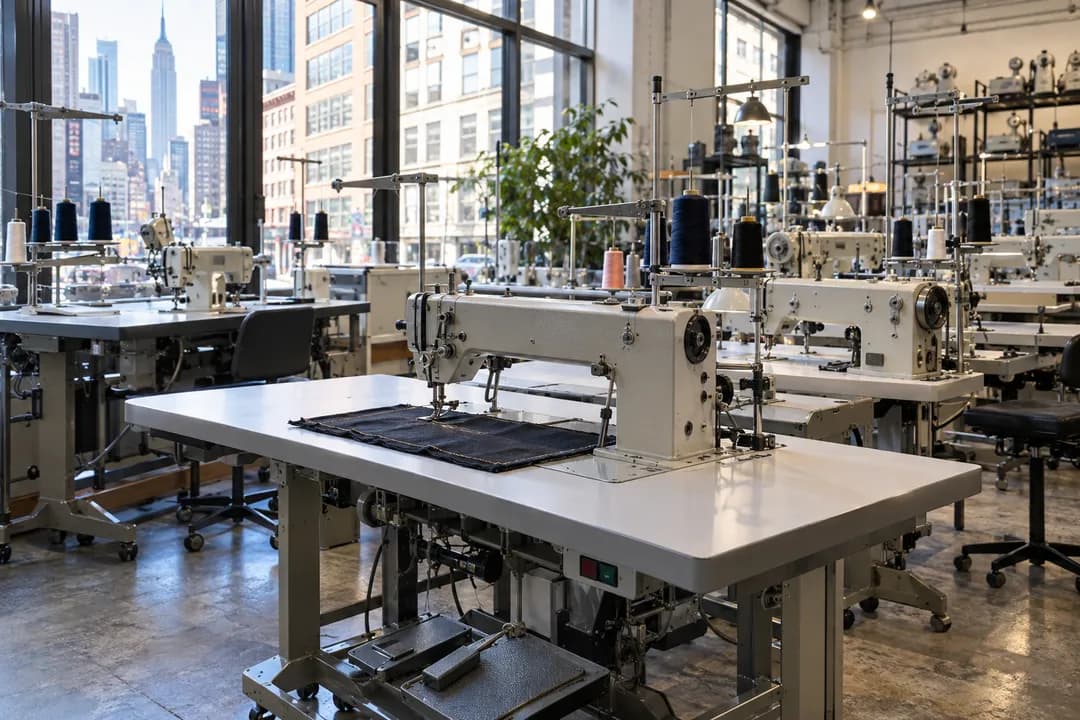
Garment District Sewing Machine Store For Industry: Sewmark
Sewmark Sewing Machine Corporation at 359 West 36th Street serves New York garment makers with industrial sewing equipment and technical supplies.
Sewmark Sewing Machine Corporation is a sewing machine store near me for people who think in workrooms, production runs, and dependable stitch quality. The company is listed at 359 W 36th St, New York, NY 10018, in the Garment District, where an industrial machine purchase is part of a larger workflow. Come with a task rather than a vague wish: straight seams on medium-weight cloth, edge finishing, leather work, alterations, or a small production line. A clear use case helps the staff discuss the machine head, table, motor, feet, and maintenance as one system.
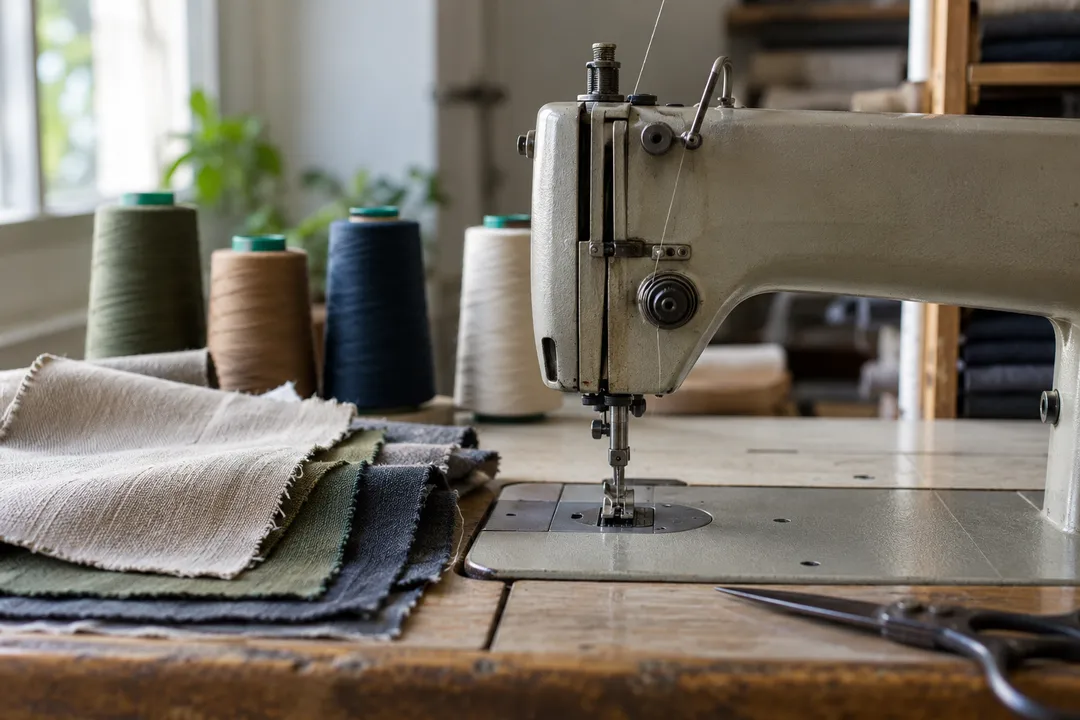
A Garment District Specialist
The address places Sewmark in a neighborhood built around apparel production. That context is useful even if you sew at home, because it lets you see how professional shops organize tools around speed and repeatability. Review the showroom information at sewmark.com before visiting and leave time for a technical conversation. Bring fabric, thread, and a photo of the space where the machine will live. If you need a full table or motor, measure doorways and outlets first. Industrial equipment is a commitment to a setup, not just a purchase from a shelf.
Read the Room Before the Model
Begin by deciding whether an industrial machine is truly the right category. Domestic machines are flexible, portable, and often better for mixed household projects. Industrial heads are built around a narrower task and can deliver smooth, consistent seams for long sessions. That focus is a strength when your work repeats. Ask how the model handles your fabric weight, how fast it runs, and what maintenance the operator must perform. If you make samples at home, bring them. A familiar seam gives the staff a concrete way to demonstrate feeding and stitch formation.
Industrial Versus Domestic Work
Production questions are more valuable than a brand comparison alone. Ask about motor control, needle systems, presser-foot options, lubrication, replacement parts, and the table dimensions that make the machine comfortable. If more than one person will use the setup, discuss training and adjustment points. If you work in an apartment, ask about vibration and sound before committing. A machine that performs beautifully but disturbs the room will not become a dependable daily tool. Sewmark is the right place to make those trade-offs visible before delivery or installation.
Questions About Production
Feet, needles, and thread determine what the machine can do in practice. A zipper foot, piping foot, edge guide, or walking-style attachment may change how quickly a seam comes together. Needle size and point must match the fabric; thread weight changes tension and appearance. Bring the exact material you sew most often and show both the front and underside of a sample seam. That evidence is more useful than saying the machine “doesn’t like” denim or knits. The staff can diagnose whether the issue is the machine, the setup, or the consumables.
Feet, Needles, and Thread
Planning a workroom begins with ergonomics. Decide where the operator will sit, how the fabric will be supported, and where cut pieces will wait before they reach the needle. Measure the table footprint, clearance for the knee lift, and the route from the delivery door to the final position. Think about lighting and thread storage at the same time. Sewmark’s industrial focus makes these details part of the shopping conversation. A comfortable setup protects shoulders and wrists, which matters more over a full day than a flashy stitch menu.
Planning a Workroom Setup
Make the visit efficient by preparing a one-page brief. Include the fabric types, seam length, expected hours per week, current machine, room measurements, and the problem you want solved. Add photos of your table and power outlet if you are considering a complete setup. Ask for the written model name and compatible parts so you can compare accurately later. Do not feel pressured to choose on the spot. A technical store is most useful when you leave with a clear specification, a list of questions answered, and a plan for the next step.
How to Make the Visit Efficient
After 359 W 36th St, keep the neighborhood walk short and relevant. Seventh Avenue and the surrounding Garment District streets hold trim counters, fabric suppliers, and fashion-service businesses that explain why this part of Midtown still matters to makers. Bryant Park gives you a quieter place to review notes, while the New York Public Library at 476 Fifth Avenue offers a landmark stop if you have time. If you are carrying a heavy accessory or arranging delivery, skip the long loop and use the subway connection that best fits your workroom route.
A Midtown Fashion Walk
Sewmark Sewing Machine Corporation is listed at 359 W 36th St, New York, NY 10018. The official site is sewmark.com; review posted hours, equipment availability, delivery details, and service information before you go. Bring a fabric sample, thread, measurements, and a one-page description of your production needs so the visit produces a usable workroom plan.
Practical Notes
The final decision should include the operator, the room, and the service plan. Ask who will adjust the machine after delivery, where replacement parts come from, and what routine cleaning the operator should own. Write the answers beside the model number and keep the sheet with the workroom measurements. Sewmark’s Garment District setting makes technical detail feel normal, which is exactly what an industrial purchase needs. When the setup matches the work, the machine disappears into the rhythm of production and lets the maker focus on fit, finish, and quality.
Notes To Keep With The Machine
Sewmark is aimed at the production side of sewing. The company lists 359 W 36th St, New York, NY 10018, in the Garment District, where industrial operators, sample makers, and workrooms need equipment decisions grounded in throughput. Go with a short brief: fabric weight, stitch type, daily hours, motor requirement, and the table or stand already in your room. Ask about the industrial head, feed mechanism, and what accessories are included rather than treating a machine as a single boxed product. The official site, sewmark.com, describes industrial sewing equipment and company information; it is the right place to review the catalog before visiting. Once you leave, a trim-and-fabric walk along Seventh Avenue is more useful than a generic shopping loop. Keep the machine details in your phone notes: model, power, needle system, and the name of the part that needs replacement. That record will make the next conversation with a technician much quicker.
Sewmark visits are best for people who already know the workroom problem they are trying to solve. Bring a production sample, a thread cone, and the voltage or table constraints from your shop. Ask which model handles the fabric continuously and which maintenance tasks the operator can safely perform. The Garment District location makes a useful pairing with trim shopping, but carry only the notes you need until the equipment decision is settled. A clear record of model, needle system, motor, and included attachments will help when you arrange installation or service. That is the practical value of a specialist industrial supplier: the conversation starts with the work, not the marketing label.
Ask Karpo for more information.
Keep reading
- Chelsea Consignment Shop Crawl Planner for Your First Studio
 East Village Consignment Shop Crawl Planner: Leather Jackets
 Harlem Consignment Shop Crawl Planner for a Jazz Night Look