 Chelsea Consignment Shop Crawl Planner for Your First Studio
Hidden Gems & Odd Finds
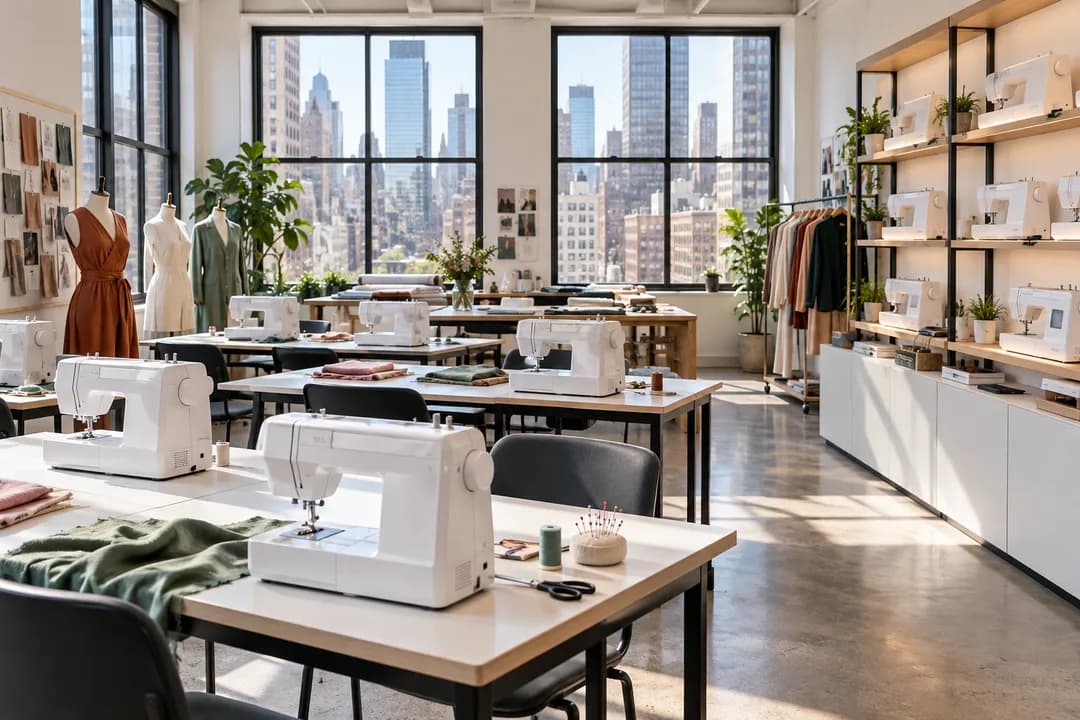
Midtown Sewing Machine Store With Lessons: NY Sewing Center
The New York Sewing Center at 246 W 38th Street is a Midtown sewing destination for machine shopping, lessons, patterns, and project support.
The New York Sewing Center makes the sewing machine store near me search feel more like a studio appointment. Its listed address is 246 W 38th St, Suite 9A, New York, NY 10018, a Midtown location where lessons and project guidance sit close to the city’s garment trade. That matters when you are choosing equipment for a real wardrobe or a serious hobby. Rather than treating a machine as an isolated purchase, bring the garment you want to make, the fabric you plan to use, and the skills you already have. The conversation can then connect the machine to an achievable next step.
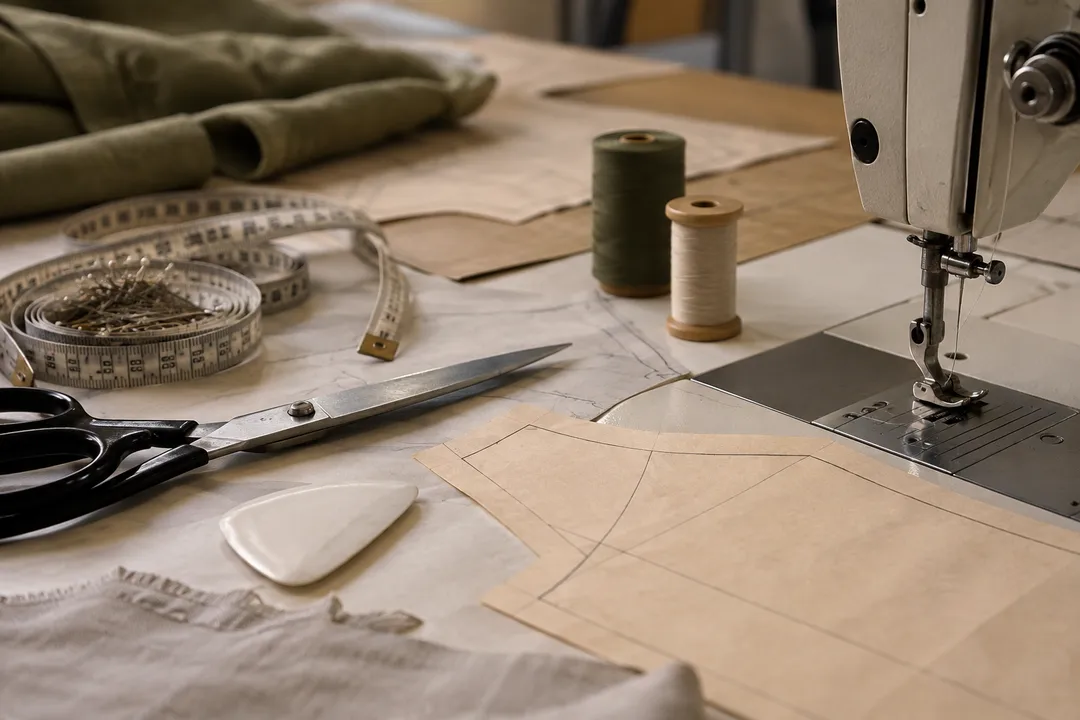
A Studio Rather Than a Big Box
The suite setting changes the tempo. You are not walking past rows of unrelated appliances; you are entering a place organized around sewing practice. Before you go, review the studio schedule on thenewyorksewingcenter.com and plan enough time to arrive without rushing. Midtown traffic and elevator waits can turn a ten-minute buffer into a necessity. Write down the project you want to complete first, plus one stretch project. That gives the instructor or staff a clear way to explain which machine features will help and which ones are simply attractive extras.
What to Notice on Arrival
Start with the fundamentals that affect every seam. Threading should feel logical, the needle area should be well lit, and the presser-foot lever should be easy to reach while you guide fabric. Test the speed control if the model offers one. Beginners often benefit from a machine that allows a slow, steady start; experienced sewists may care more about throat space and feeding through layers. Ask how the machine handles woven cotton, denim, knits, and slippery fabric. A short test on familiar scraps reveals more than a long explanation of decorative stitches.
Machine Shopping Through a Project
Lessons are the strongest reason to shop through a sewing center. A class can show you how to wind a bobbin, change a foot, adjust tension, and correct a seam before those small errors become habits. If you already sew, a fitting or garment session can reveal why a machine behaves differently on a curved hem or a long topstitch. Use the lesson to make a short list of features you actually touched. Then compare machines against that list. The right model is the one that makes your next lesson easier to practice at home.
Lessons Change the Purchase
Pattern choice and fitting belong in the same conversation as the machine. A beginner making a simple skirt needs reliable straight stitches and a clean zigzag more than dozens of novelty options. A shirt maker may value buttonhole consistency and an easy way to adjust stitch length. Someone working with knits needs a plan for stretch seams, needles, and stabilizing. Bring a printed pattern envelope or a photo of the garment. Seeing the intended shape helps staff explain feet, attachments, and workspace without turning the visit into an abstract equipment lecture.
Patterns and Fitting Support
For a first garment, keep the tool list disciplined. Good fabric shears, a seam ripper, pins or clips, a measuring tape, a marking tool, and the correct needles will carry you farther than a drawer full of specialized gadgets. Ask how the center teaches pressing and seam finishing, because a machine cannot rescue a garment that was never pressed accurately. If you buy a machine, keep the manual and accessory box together. Label the feet when you get home and photograph the threading path. Those habits shorten the learning curve after the studio visit.
Tools for a First Garment
Compare two or three models by repeating the same action. Thread them, sew a straight seam, pivot a corner, reverse, and remove the fabric. Notice vibration, pedal response, visibility, and how easily you can reach the bobbin. If the center offers lessons, ask which models students find easiest to learn on. The answer is often more useful than a star rating because it reflects real practice. Take notes in your own words and leave a day before buying if you feel overwhelmed. A clear choice is better than an impressive impulse purchase.
A Better Way to Compare Models
Once class ends, the Garment District gives you an immediate neighborhood walk. From 246 W 38th St, head toward Seventh Avenue to see the trim and fabric businesses that shape Midtown’s fashion identity. Bryant Park and the New York Public Library at 476 Fifth Avenue offer a quieter pause, while the Fashion Center information area near Seventh Avenue keeps the walk tied to the district’s history. If you bought fabric or a machine, choose the shortest loop and use a car service or subway plan that does not force you to carry everything for miles.
The Garment District After Class
The New York Sewing Center is listed at 246 W 38th St, Suite 9A, New York, NY 10018. Its official site is thenewyorksewingcenter.com, where the current studio schedule, lessons, project details, and visit instructions should be checked before you go. Bring a pattern, fabric sample, and a short skills list so the machine conversation stays connected to the garment you actually want to make.
Practical Notes
Leave the studio with a next action that fits your week. It might be threading the machine three times, sewing a test seam on scrap, or booking a lesson focused on zippers. Small repetitions turn a new machine from an intimidating purchase into a familiar tool. Keep your notes with the manual and photograph the settings that worked for your fabric. The New York Sewing Center is most useful when the Midtown visit continues at home through practice, fitting, and a finished garment you can wear. That continuity is what separates a thoughtful machine choice from a hurried transaction.
Notes To Keep With The Machine
The New York Sewing Center is a lesson-led way to approach a machine purchase. Its listed Midtown address is 246 W 38th St, Suite 9A, New York, NY 10018, and the studio's official site combines classes, private instruction, and machine-focused guidance. Arrive with the project you want to finish, not only a list of features. A beginner can ask to see threading and bobbin winding slowly; an experienced sewer can bring a sample seam and compare presser-foot clearance. The studio setting makes it natural to take notes while someone demonstrates a technique. Because the suite is in a working Midtown building, keep your appointment details handy at the entrance and carry supplies in a small bag. Afterward, walk through the Garment District toward Bryant Park or the library at 476 Fifth Avenue. The official site is thenewyorksewingcenter.com, which is also the source for its lesson and studio information.
Treat the studio appointment as a working session. Bring a notebook, a swatch, and one garment or pattern that represents your goal. The most helpful question is often about workflow: which machine setting makes this seam repeatable, and what should be practiced before buying more equipment? Midtown is crowded around the lunch rush, so build in time to find the suite and settle before the lesson begins. A walk to Bryant Park gives you space to review your notes. The New York Sewing Center is a strong choice when the human demonstration matters as much as the machine itself.
Ask Karpo for more information.
Keep reading
- Chelsea Consignment Shop Crawl Planner for Your First Studio
 East Village Consignment Shop Crawl Planner: Leather Jackets
 Harlem Consignment Shop Crawl Planner for a Jazz Night Look