The speakeasy door, done right, is an act of generosity. It gives you permission to feel a little clever, a little in-the-know, even when half of TikTok already posted the trick last week. By late May 2026, with the city's hospitality scene settling into a more playful register after a few years of stark minimalism, Chinatown and the Lower East Side have quietly become the borough's best stage for this kind of theater. The entries don't wink—they commit. A payphone that actually rings. A laundromat where the dryer drum doubles as a threshold. A stretch of exposed brick that pivots on a hinge you'd never spot if you weren't looking. These ten spots understand that the bit is half the drink.
The payphone that still takes quarters
There's a Chinatown corner—Bayard near Mott—where a discreet entrance sits among local storefronts until you dial the right number. The handset clicks, the booth's back panel swings inward, and you're ushered down a narrow staircase lined in red velvet that smells faintly of incense and lime peel. The ceiling is low, the banquettes are tufted, and the bartender will shake a mai tai with the kind of quiet precision that suggests she's done this a thousand times.
The drinks skew tiki without tipping into kitsch—passionfruit, orgeat, a float of rhum agricole—and the crowd on a Thursday in late spring is a mix of anniversary couples and friends who've been hunting this place since they saw the door on a food blog three months ago. It's dim enough that your phone screen feels rude. The sound system plays dusty bossa nova. You stay longer than you planned.
Through the washing machines
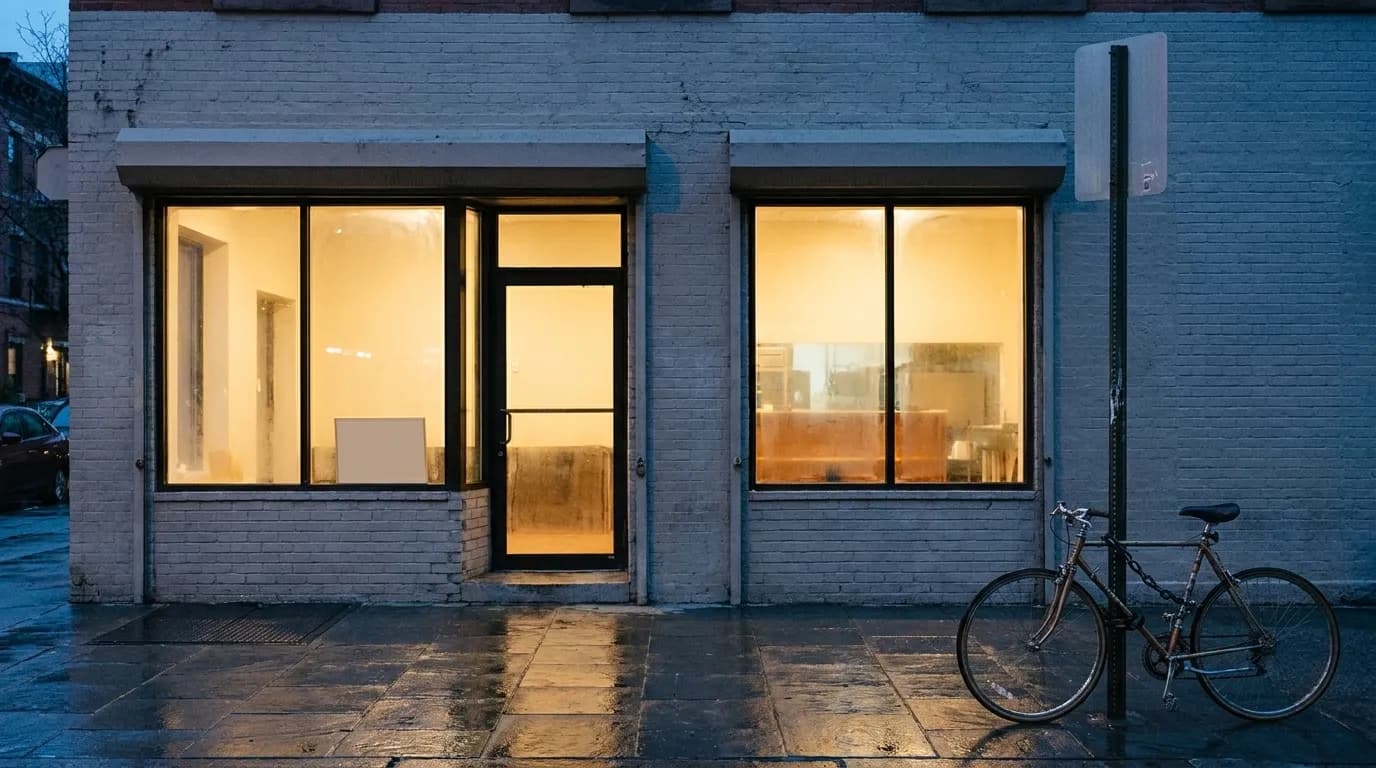
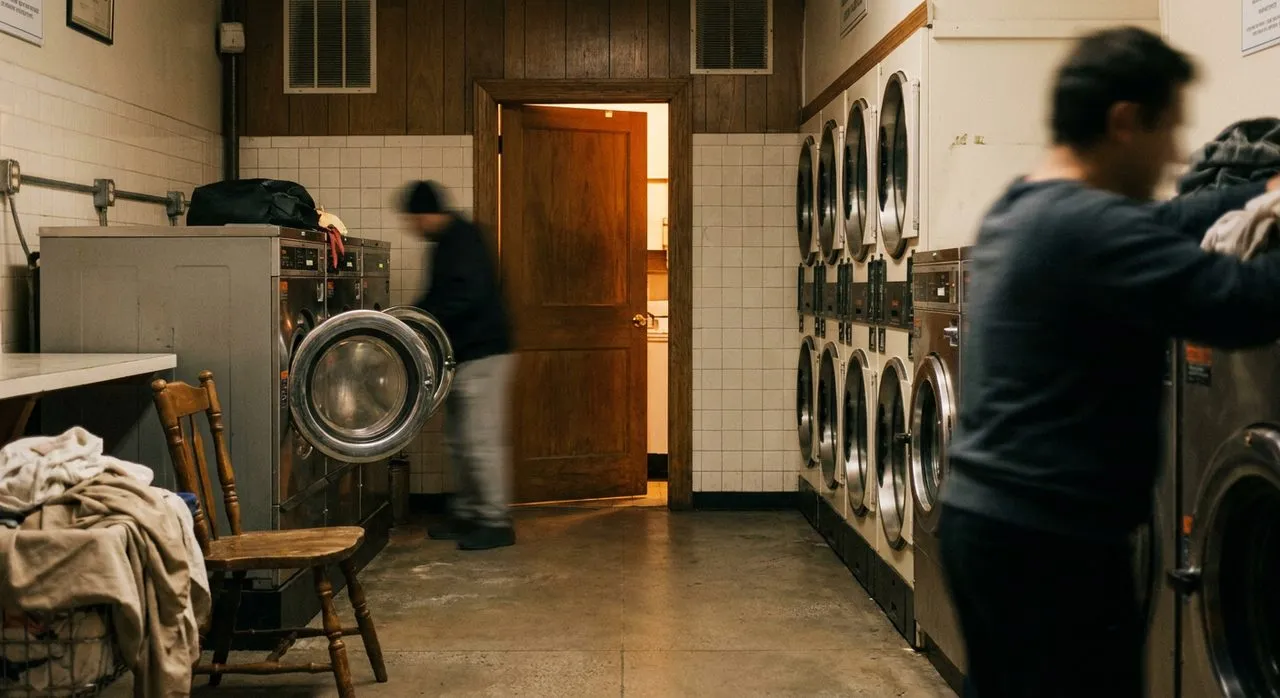
A narrow storefront on Eldridge operates as a laundromat by day and a bar space by night. Washers churn, a teenager folds shirts at a Formica table, and the fluorescent lights hum in that particular laundromat key. But if you walk to the back—past the detergent vending machine, past the hand-lettered sign about quarters—and knock twice on the utility door next to the last dryer, someone checks a peephole and lets you into a room that feels like a 1920s parlor smuggled forward in time.
The bar itself is mahogany, salvaged from somewhere with a story the bartender will tell you if it's slow. Cocktails lean botanical: gin with shiso, mezcal with yuzu and black sesame, a negroni variant that swaps Campari for something earthier. The glassware is mismatched in a way that reads curated rather than haphazard. On warm nights the back courtyard opens, strung with market lights and smelling faintly of jasmine from the neighbor's fire escape garden.
The bookcase in the tea shop
A Mott Street tea shop with a century-old pressed-tin ceiling sells oolong and pu-erh by day and transforms, sort of, by night. The trick: ask the counter staff about "the private tasting room," and they'll walk you to a floor-to-ceiling bookcase stuffed with tea canisters and eighteenth-century poetry collections. One of them pulls a specific volume—never the same one twice, or so the story goes—and the whole unit swings open on oiled hinges to reveal a narrow salon done in dark wood and paper lanterns.
The menu is small, maybe eight drinks, all built around tea: a cold-brew oolong punch with cognac, a smoky lapsang souchong old-fashioned, a delicate jasmine-and-gin thing served in a chawan. It's quiet enough to hear ice crack in the shaker. The crowd tends toward thoughtful—people who came here to talk, not to be seen talking. The May humidity barely touches you here; the air conditioning is that good.
The unmarked Orchard Street door
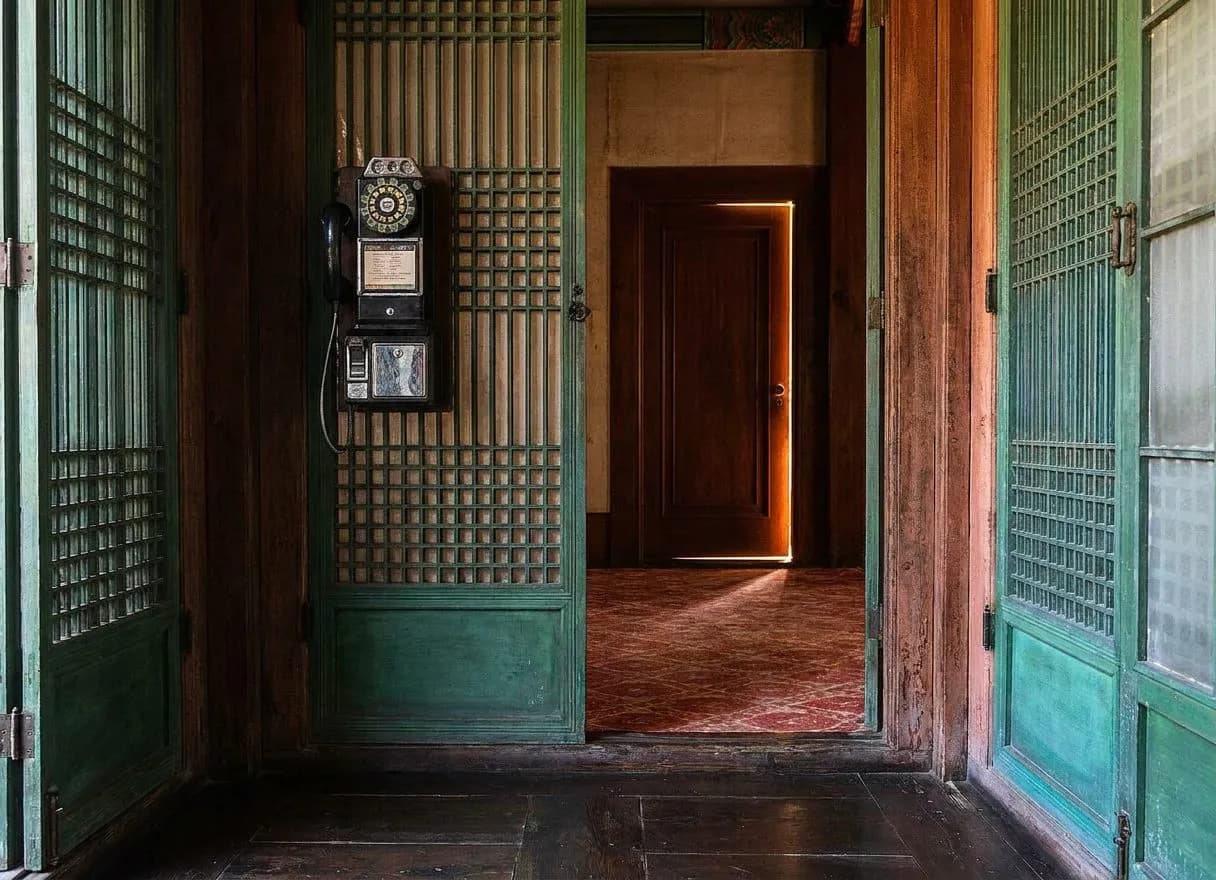
Orchard between Broome and Grand has a black metal door with no signage, no number, just a small brass button at chest height. Press it, wait for the static crackle of the intercom, say you're there for "the back room," and the lock buzzes. Inside: a hallway papered in vintage New York Post front pages, a velvet curtain, and then a bi-level space that splits the difference between opium den and Brooklyn loft. Exposed brick, mismatched rugs, a bar backlit in amber.
The drinks are straightforward in the best way—a whiskey sour tastes like a whiskey sour, a martini is cold and tight and doesn't overthink the vermouth. The music is vinyl, played low, mostly jazz from the fifties and sixties. On late May weekends the place fills by eleven, but midweek you can claim a corner banquette and feel like you've borrowed someone's very attractive living room without asking.
The fortune cookie factory side door
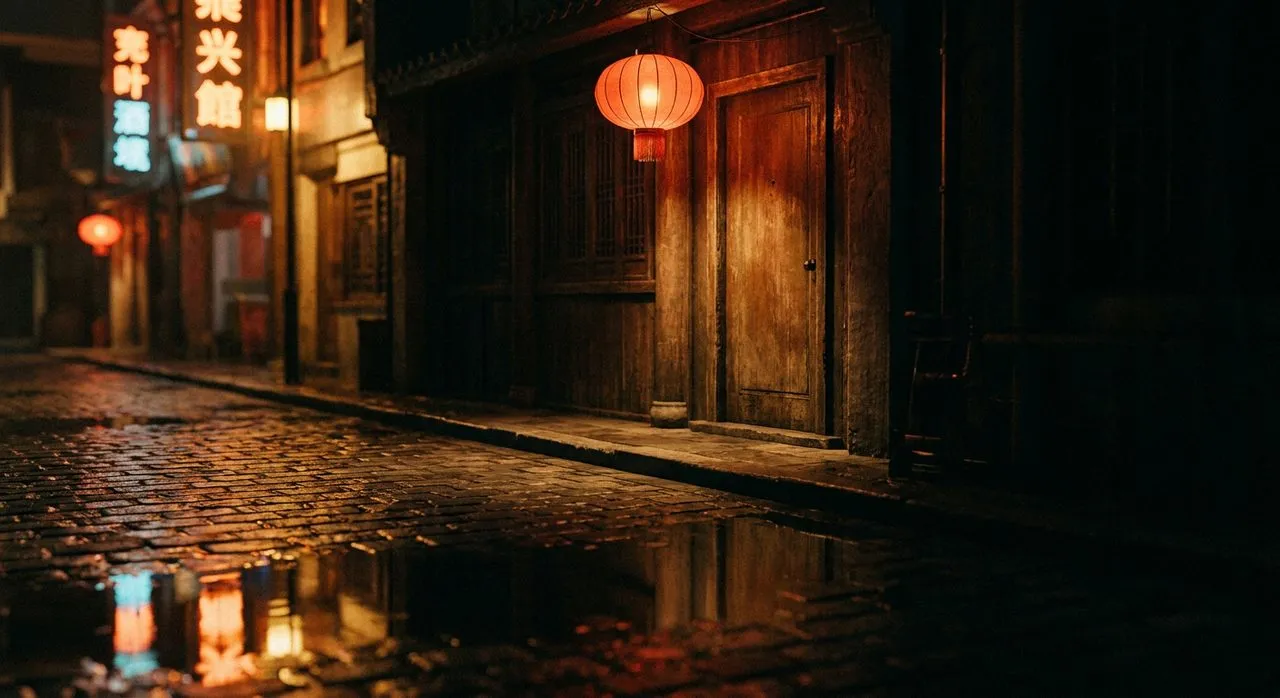
This one's harder to find, tucked along a Chinatown side street that still smells like sesame oil and cardboard in the late-spring heat. The fortune cookie factory operates out front—you can watch the batter griddle and fold through a fogged window—but the real entrance is around the corner, a red door with a brass lion knocker. Ring it, and a host checks your reservation against a clipboard before ushering you into a space that feels like a Shanghai jazz club circa 1935, all dark lacquer and moody lighting.
The cocktails nod to Chinese apothecary traditions: goji-infused vodka, chrysanthemum cordial, a riff on a sidecar built with baijiu and Sichuan peppercorn syrup that leaves your lips buzzing. The tables are small and close together, encouraging eavesdropping and the occasional borrowed lighter. A pianist plays on weekends—standards, mostly, rendered with just enough improvisation to keep you listening. The fortune cookies served with the check contain actual fortunes, handwritten and occasionally surreal.
Why the theater still works
By now, the speakeasy conceit is old enough to have grandchildren. Every city has a dozen, and half of them feel like they're checking a box on a consultant's mood board. What makes these Chinatown and LES entries different is commitment—not just to the door trick, but to the world on the other side. The lighting is considered. The glassware matches the narrative. The staff play along without smirking, because they know the bit only works if everyone agrees to believe it for an hour or two.
And in late May, when the city is humid and loud and the subway smells like hot garbage, there's something deeply appealing about a door that opens into dimness and quiet and a drink made by someone who cares whether the ice is hand-chipped or machine-cut. It's not about exclusivity—it's about a brief, willing suspension of the world outside. The door is just the threshold. What you're really paying for is the elsewhere.
Practical notes
Most of these venues cluster along a walkable corridor: Bayard, Mott, Eldridge, and Orchard Streets in Chinatown and the Lower East Side, all within a fifteen-minute stroll. Nearest subways are Grand Street (B/D), East Broadway (F), and Canal Street (J/N/Q/R/W/6). Street parking is scarce; arrive via transit or rideshare. Hours vary but most open around 6 or 7 PM and run until 2 AM; verify directly, as several operate by reservation or walk-in waitlist only. Accessibility is limited—many involve stairs, narrow entries, or uneven thresholds, so call ahead if mobility is a concern. Dress is casual-elevated; bring cash for cover charges or coat check, though most take cards at the bar. Reservations, where available, book out a week or two in advance for weekends.
Tags: #SecretSpeakeasies #ChinatownNYC #LowerEastSide #HiddenBarsNYC #SpeakeasyDoors #NYCNightlife #TheOddEdit #NYCBars #CocktailCulture #ChinatownEats #LESVibes #NYCSpring2026 #HiddenGems #SpeakeasyStyle #CitySecrets
Please drink responsibly. Must be of legal drinking age.
Sources consulted: Speakeasy · Chinatown, Manhattan · Time Out New York Bars · NYC Landmarks Preservation Commission · New York Times NY Region
All trademarks are the property of their respective owners.