The Upper West Side has always kept its bookshops close. Not the hurried kind where you duck in, scan spines, and leave, but the sort where an armchair means you're invited to stay. Late May turns these shops luminous—afternoon light slants through tall windows, dust motes swirl above philosophy sections, and the hum of Amsterdam Avenue fades the moment you step inside. This is a map of seven secondhand bookshops where lingering is the point, where reading rooms exist beyond the front displays, and where weekend programming and coffee setups make a Saturday afternoon disappear in the best possible way.
The geography of browsing
Upper West Side secondhand shops cluster in two loose constellations: the Broadway corridor between 79th and 86th, and the quieter cross streets west of Columbus. The former hums with foot traffic and weekend energy; the latter rewards those who wander. Both offer something increasingly rare in the city—space to sit without obligation, to crack a spine before committing, to lose an hour in a wingback chair while rain taps the windows outside.
Late May brings the neighborhood into its best light. The Riverside Park canopy has filled in, students have decamped, and the pre-summer lull settles over these blocks. Shops prop doors open. You catch the scent of old paper mingling with coffee from in-house setups or neighboring cafés. The reading rooms—some formal, some simply a corner with two chairs and a lamp—become small sanctuaries.
Where the armchairs are real
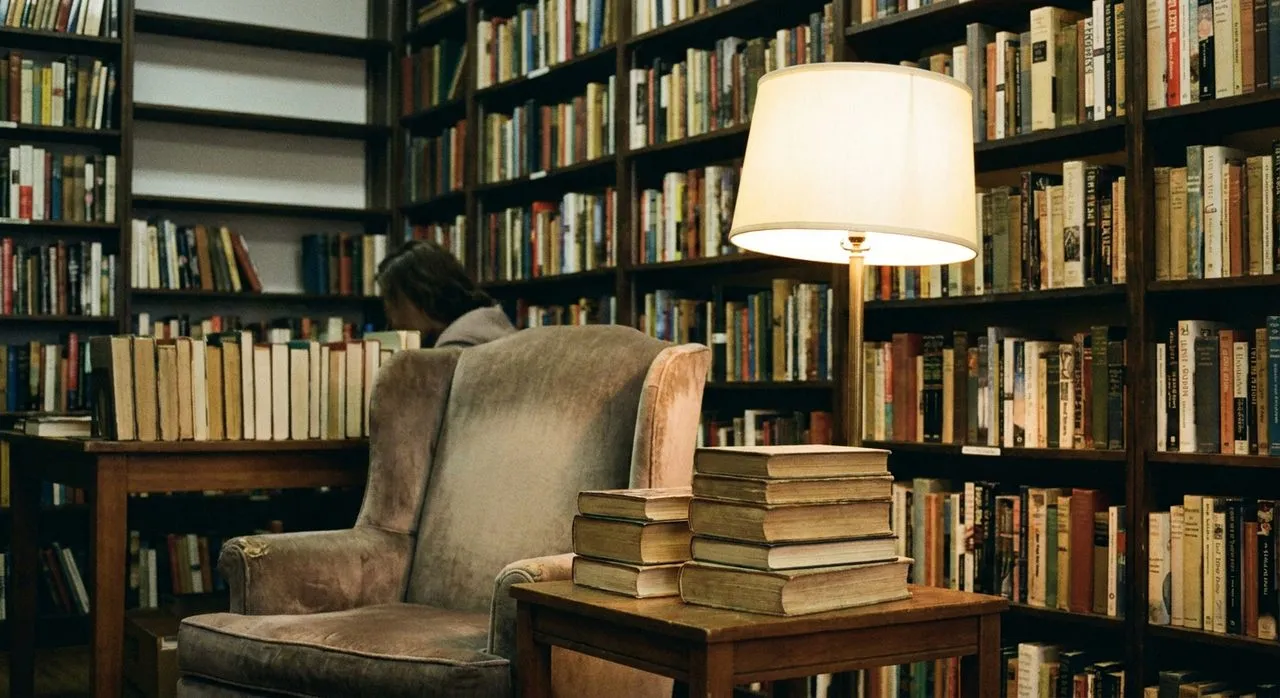
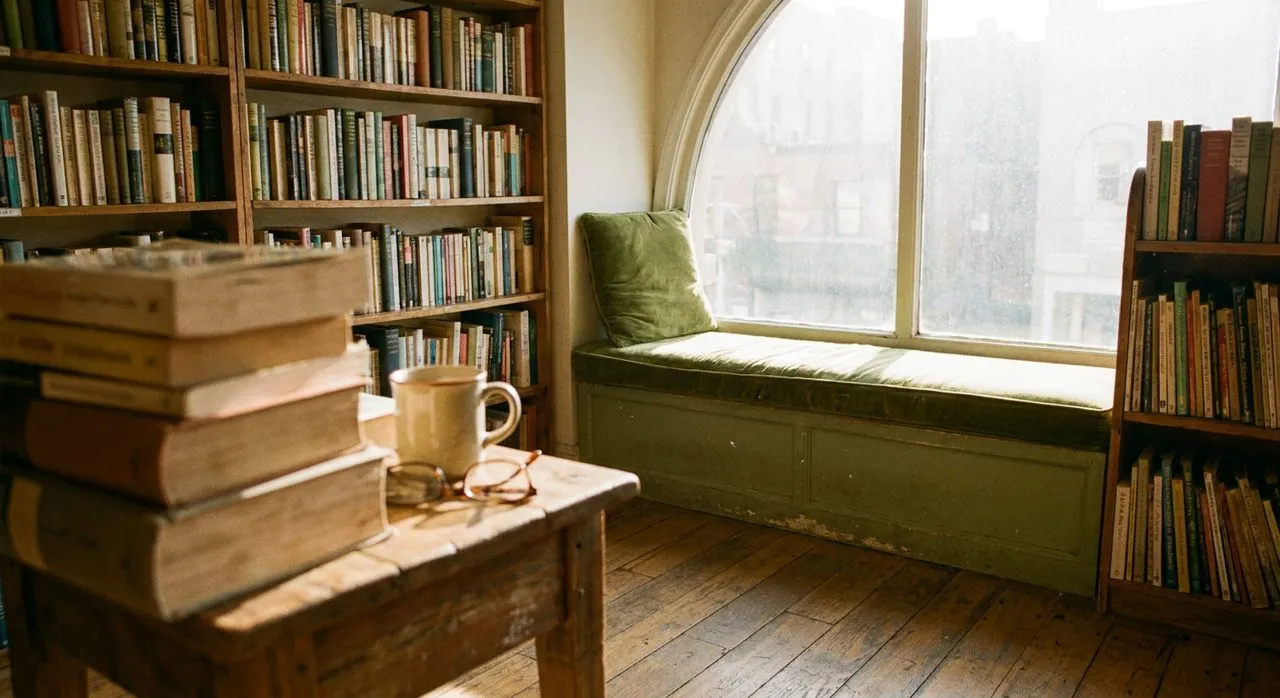
Several shops have built out proper reading rooms behind or above their main floors. These aren't token gestures—a single chair wedged between stacks—but deliberate spaces with table lamps, side tables for your cup, sometimes a Persian rug softening the old wood floors. One shop near 82nd Street hides its reading nook up a narrow staircase, all exposed brick and velvet upholstery, windows overlooking the street. Another on a cross street near West End Avenue carved out a back room lined with art books and mid-century chairs, the kind you sink into and forget the time.
The unspoken protocol: browse first, claim your chair, return with your selections. Some readers camp for hours, cycling through poetry collections or neglected novels. Staff rarely hover. The transaction is trust-based and unhurried, a rhythm that feels increasingly anachronistic and entirely necessary.
Coffee programs and weekend events
Three of the seven shops now run small coffee programs—pour-over stations, local roasters, occasionally a pastry case stocked by neighborhood bakeries. It's low-key: a carafe on the counter, ceramic mugs, an honor-system tip jar. The goal isn't revenue but atmosphere, permission to settle in. One shop near 80th Street partners with a roastery two blocks south; their weekend blend shows up Saturday and Sunday mornings, gone by noon.
Weekend events rotate through the calendar. Late May typically brings author readings in the reading rooms themselves—intimate affairs, twenty folding chairs maximum, wine afterward if the writer is game. One shop hosts a monthly vinyl-and-verse night where a local DJ pairs records with poetry collections. Another runs a Sunday-afternoon book club that's been meeting for six years, same corner, same battered couch. Check individual shop windows or mailing lists; schedules stay fluid, and the best events fill by word of mouth.
The inventory you'll find
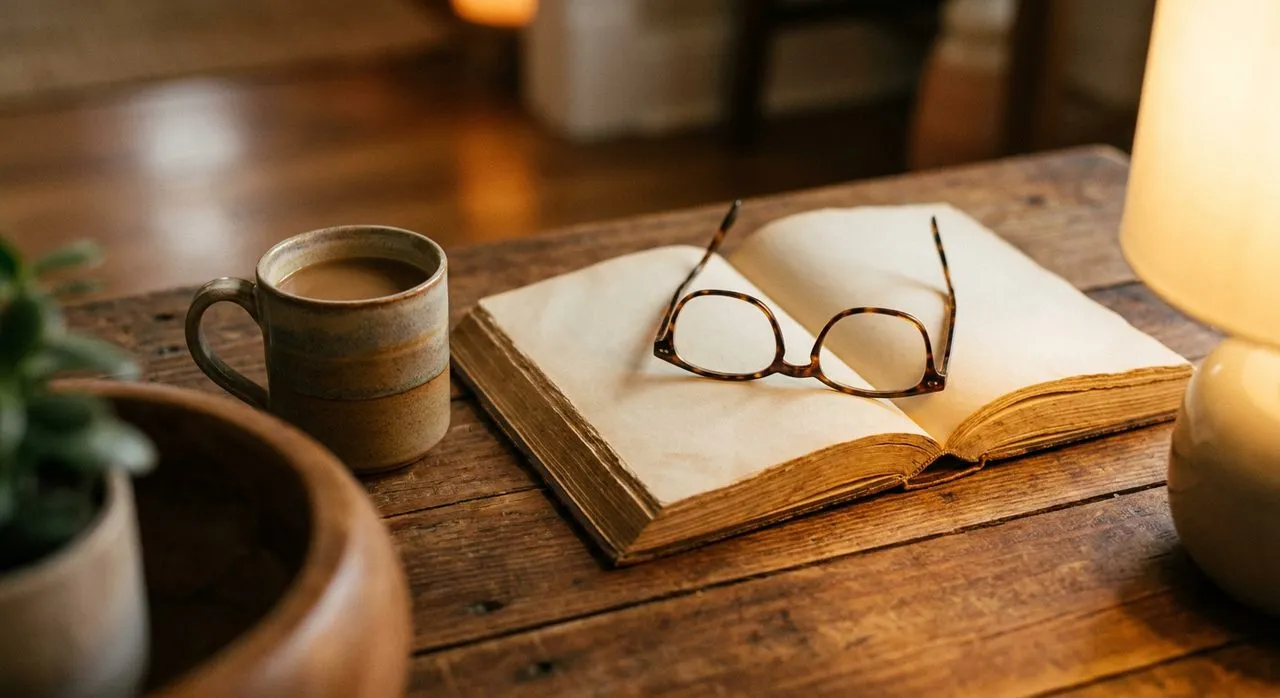
These are working secondhand shops, not rare-book salons. Expect mid-century paperbacks, dog-eared Penguin Classics, hardcover fiction from the past three decades, and deep benches in history, art, and criticism. Prices run fair—most paperbacks under twelve dollars, hardcovers rarely breaking twenty-five unless they're signed or first editions. The poetry sections punch above their weight, and you'll stumble across surprising photography monographs and European translations that never quite found their American audience.
Staff tend to know their stock. Ask about a specific title or author and they'll either walk you to the shelf or tell you honestly it's not there. Several shops maintain want lists; leave your name and they'll call when something comes in. It's analog and pleasantly inefficient, the opposite of algorithm-driven recommendations.
The neighborhood fabric
These bookshops sit within a broader Upper West Side ecosystem. Zabar's is a ten-minute walk for provisions. Riverside Park offers benches and river views if you want to take your new acquisitions outside. The residential blocks between Broadway and Riverside Drive stay quiet even on weekends, lined with prewar buildings whose lobbies still have marble and brass. You're never far from a good bagel or a wine shop if the afternoon calls for it.
The demographic skews older but not exclusively—Columbia students drift down, families browse the children's sections, and a younger cohort has discovered the pleasure of phone-free weekends among the stacks. Late May weekends bring a particular mix: locals reclaiming their neighborhood after the academic-year crowds, early tourists who've wandered north from Central Park, and the dedicated book people who'd come regardless of season or weather.
Why it matters now
Secondhand bookshops with reading rooms are disappearing faster than anyone wants to admit. Real estate pressures, online competition, and the sheer economics of holding inventory in a high-rent district conspire against them. That several still operate on the Upper West Side—some where you can sit, read, and stay—is both remarkable and fragile. These shops survive because enough people still value physical browsing, because the neighborhood supports them, and because the owners have chosen preservation over profit maximization.
There's no moral imperative to shop here, but the alternative is predictable: another bank branch, another chain pharmacy, another smoothie franchise replacing what was once a textured, idiosyncratic use of space. The reading rooms exist because someone decided they should, and they'll continue to exist only as long as the chairs stay occupied and the register sees enough transactions to cover rent. Late May is as good a time as any to claim a corner, crack a spine, and cast a vote for what you want the neighborhood to remain.
Practical notes
The seven shops scatter along Broadway and cross streets between West 79th and West 86th, with two outliers near West End Avenue. Nearest subways: 1 train to 79th or 86th Street; B/C trains to 81st Street–Museum of Natural History station. Street parking exists but requires patience; garages cluster near Columbus Circle. Hours vary; verify directly before a special trip. verify directly before a special trip. Most shops are street-level accessible, though a few reading rooms require stairs. Bring cash for coffee honor boxes and smaller purchases, though cards work for books. Tote bags encouraged—plastic isn't always available. Late May weather swings; layers recommended if you plan to alternate between park benches and air-conditioned reading rooms.
Tags: #UpperWestSide #NYCBookshops #SecondhandBooks #ReadingRooms #TheOddEdit #BookstoreCulture #UWS #LateSpring2026 #IndependentBookstores #Manhattan #QuietPlaces #BookLovers #NeighborhoodGuide #SpringInNYC #LiteraryNYC
Please drink responsibly. Must be of legal drinking age.
Sources consulted: Upper West Side · Independent Bookstores · NYC Parks Manhattan · Time Out New York Bookstores · NY Times New York Region
All trademarks are the property of their respective owners.