 SoHo Tailor Alteration Shop Finder for Sample Sale Finds
Neighborhood Guides
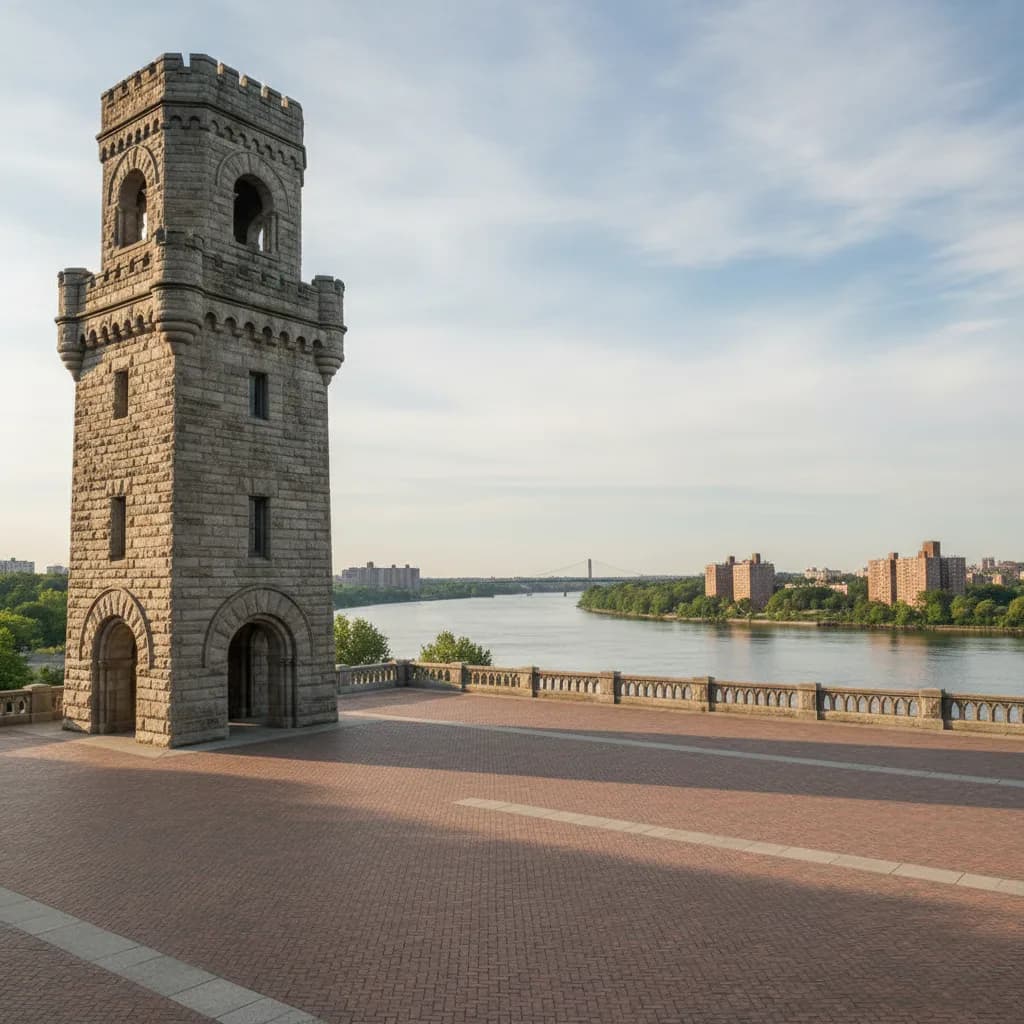
Highbridge Scenic Hilltop Overlook Walk at Water Tower
Ascend Manhattan's high ridge in Highbridge Park to reach the historic water tower and walkway. Use the Karpo APP to plan quiet paths above Harlem River.
Rising above the Harlem River along the eastern crest of Washington Heights, Highbridge Park encompasses a dramatic expanse of rugged granite cliffs and forested hillsides. At West 173rd Street and Amsterdam Avenue, the park's highest promontory is anchored by the historic 1872 Highbridge Water Tower, standing two hundred feet above the surrounding terrain. This historic hilltop terrace provides an extraordinary scenic hilltop overlook walk, delivering commanding vistas that sweep across the river chasm toward University Heights, the Bronx shoreline, and distant eastern horizons.
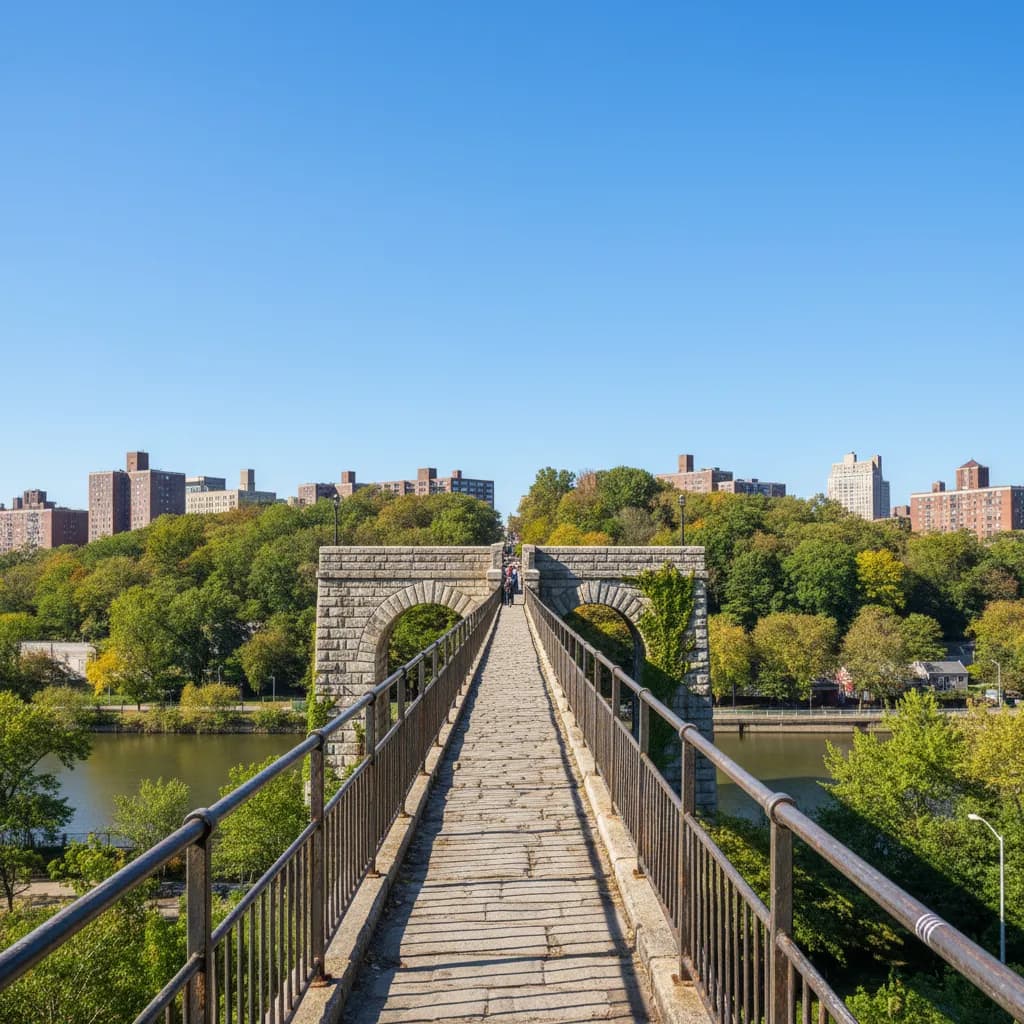
Rising Over the Harlem River on Manhattan's East Ridge
Unlike the Hudson-facing parks on Manhattan's west side, the eastern escarpment of Highbridge overlooks an industrial and architectural corridor shaped by nineteenth-century civil engineering. The ridge drops steeply toward the riverbanks, where thick stands of black locust, sycamore, and sumac cling to exposed schist crags. Paved park pathways wind along the upper contours of the hillside, tracing natural rock ledges that were once strategic observation points during the American Revolutionary War.
The elevation offers a distinct visual perspective on Upper Manhattan geography, where dense urban apartment blocks suddenly give way to deep river ravines and sweeping bridges. Walking along the stone wall that borders the terrace, you hear the muffled rumble of train lines across the river, while cool breezes funneling through the Harlem River valley rustle the tree canopy overhead. Morning hours are particularly serene, with local joggers and dog walkers sharing the wide paved paths before midday.
The 1872 Water Tower and Granite Terrace Balustrade
The monumental centerpiece of the hilltop is the Highbridge Water Tower, designed by architect John B. Jervis and completed in 1872 to boost water pressure for Upper Manhattan from the Old Croton Aqueduct. Built from rough-faced grey granite blocks with Romanesque arched windows and a steeply pitched copper roof, the octagonal tower resembles a medieval watchtower standing guard over the bluffs. Surrounding its base is an open brick plaza enclosed by heavy stone balustrades that invite walkers to pause and gaze eastward.
From the plaza balustrade, the panoramic sightlines take in the sprawling campus of Bronx Community College and the neoclassical colonnade of the Hall of Fame for Great Americans perched on the opposite ridge. Interpretive bronze plaques embedded along the terrace detail the aqueduct's construction history and early engineering feats that delivered clean mountain water to a thirsty city. The broad terrace surface provides plenty of bench seating under mature shade trees, offering sheltered spots for morning reading or contemplation.
Crossing the Historic 1848 Aqueduct Bridge
From the water tower plaza, a gently sloping paved path descends through wooded switchbacks toward the western anchorage of the High Bridge itself. Opened in 1848 to carry Croton Aqueduct pipes across the river, this landmark structure is New York City's oldest standing bridge, featuring soaring stone arches modeled after classical Roman aqueducts. Reopened exclusively to pedestrians and cyclists in 2015 after decades of closure, the bridge walkway extends nearly 1,400 feet across the water at an altitude of 123 feet.
Strolling out onto the mid-span of the bridge provides a panoramic vantage point suspended midway between Manhattan and the Bronx. Below, commercial tugs and rowing shells slice through the tidal channel, while the layered transit spans of the Alexander Hamilton Bridge and Washington Bridge rise immediately to the south. Safety fencing is discreetly integrated into the historic bronze railings, allowing unhindered sightlines for photography while maintaining a secure, breezy crossing that feels miles removed from urban congestion.
Best Lighting Windows and Crowd Avoidance
Early morning offers the clearest atmospheric conditions along the eastern ridge, as sunrise breaks over the Bronx hills and illuminates the stone face of the water tower with crisp, amber light. For photography enthusiasts, arriving between 7:30 am and 9:00 am avoids harsh midday glare and ensures uncrowded walkways along both the terrace and the bridge. In the late afternoon, the sun dips behind the high Manhattan plateau, casting long cool shadows that make warm summer evenings comfortable for walking.
Weekend afternoons during peak foliage season can bring community walking groups and school sports teams to the adjacent recreation grounds. To maintain a peaceful pace, steer clear of the lower athletic courts near West 175th Street and keep your route centered on the upper water tower promenade and the bridge crossing. If the main plaza has an ongoing community event, the quiet woodland trails tracing the hillside just north toward West 178th Street offer shaded solitude and secluded river overlooks.
Exploring Surrounding Washington Heights Corridors
After finishing your hilltop loop, exit Highbridge Park westward toward Amsterdam Avenue to sample the deep culinary roots of Washington Heights. Crossing West 173rd Street leads directly into a bustling residential district lined with bakeries, fruit markets, and community plazas. Walking two blocks west to St. Nicholas Avenue brings you to local favorite El Malecon, renowned for tender Dominican roast chicken, garlic tostones, and freshly pressed tropical juices.
For rich dark roast espresso and fresh pastelitos, stop by one of the neighborhood bakeries along West 170th Street where regulars converse over morning newspapers. If you have extra energy for walking, continue ten minutes southwest toward J. Hood Wright Park on Fort Washington Avenue, which provides complementary westward vistas overlooking the Hudson River and George Washington Bridge to contrast with Highbridge's eastern outlook.
Practical Notes for the Bluff Ascent
Highbridge Park grounds are free and accessible daily from 6:00 am until 10:00 pm, while the High Bridge pedestrian walkway is open from 7:00 am to 7:00 pm during fall and winter months. The most convenient subway access is via the 1 or C trains to the 168th Street station, followed by a short six-block eastward stroll along West 173rd Street directly to the park gate. Alternatively, the A express train stops at 175th Street, bringing you within four blocks of the northern trailheads.
Comfortable walking shoes with supportive soles are recommended, as the routes incorporate both level brick plazas and steeper asphalt inclines connecting the upper ridge to the bridge approach. Public restrooms and water fountains are situated near the Highbridge Recreation Center adjacent to the tower during daylight operating hours. Using the Karpo APP helps you navigate the park's multi-level trail network, locate open gateway entrances, and plan your connecting neighborhood walk.
Ask Karpo for more information.
Keep reading
- SoHo Tailor Alteration Shop Finder for Sample Sale Finds
 Williamsburg Tailor Alteration Shop Finder for Bike Riders
 Upper West Side Tailor Alteration Shop Finder for Kids