 SoHo Tailor Alteration Shop Finder for Sample Sale Finds
Neighborhood Guides
Central Park Scenic Commute Walk Planner: Morning Loop Way
Plan a refreshing Central Park scenic commute walk from Columbus Circle through shaded pathways and historic bridges to Midtown East offices.
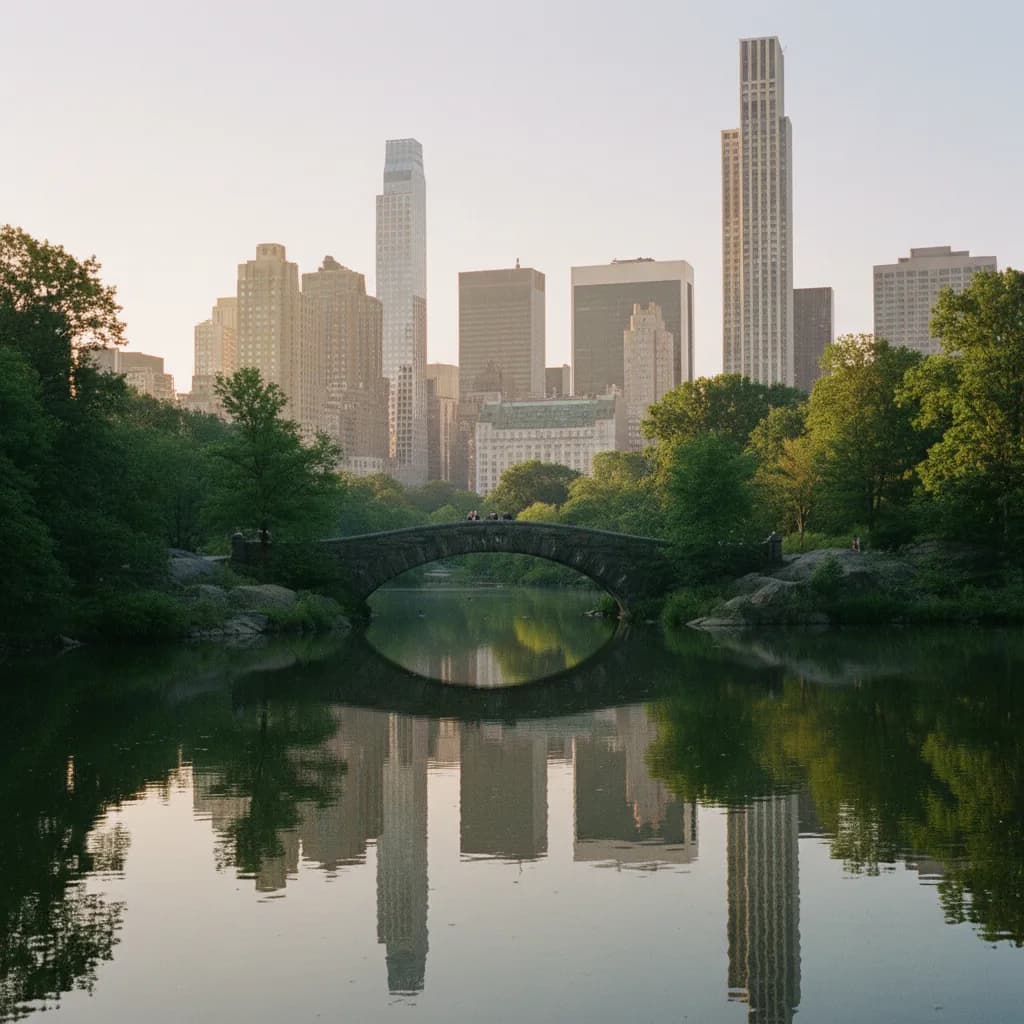
Cutting through the southern edge of Central Park on your morning commute provides an extraordinarily tranquil oasis in the heart of Manhattan. Connecting the transit hub of Columbus Circle on the West Side directly to Grand Army Plaza and Midtown East, this scenic walking route replaces noisy crosstown traffic and subterranean subway tunnels with lush tree canopies, historic stone arches, and mirror-still ponds. At dawn, golden sunlight filters through mature American elms, casting long, peaceful shadows over winding pedestrian pathways. Songbirds flutter through the protected woodlands of the Hallett Nature Sanctuary, while the tranquil waters of the Pond reflect the soaring vertical towers of Billionaires' Row. Commuters can enjoy a calm, nature-filled stroll that invigorates the senses and sets a balanced, focused mindset before stepping onto busy commercial avenues.
Entering at Columbus Circle Merchants' Gate
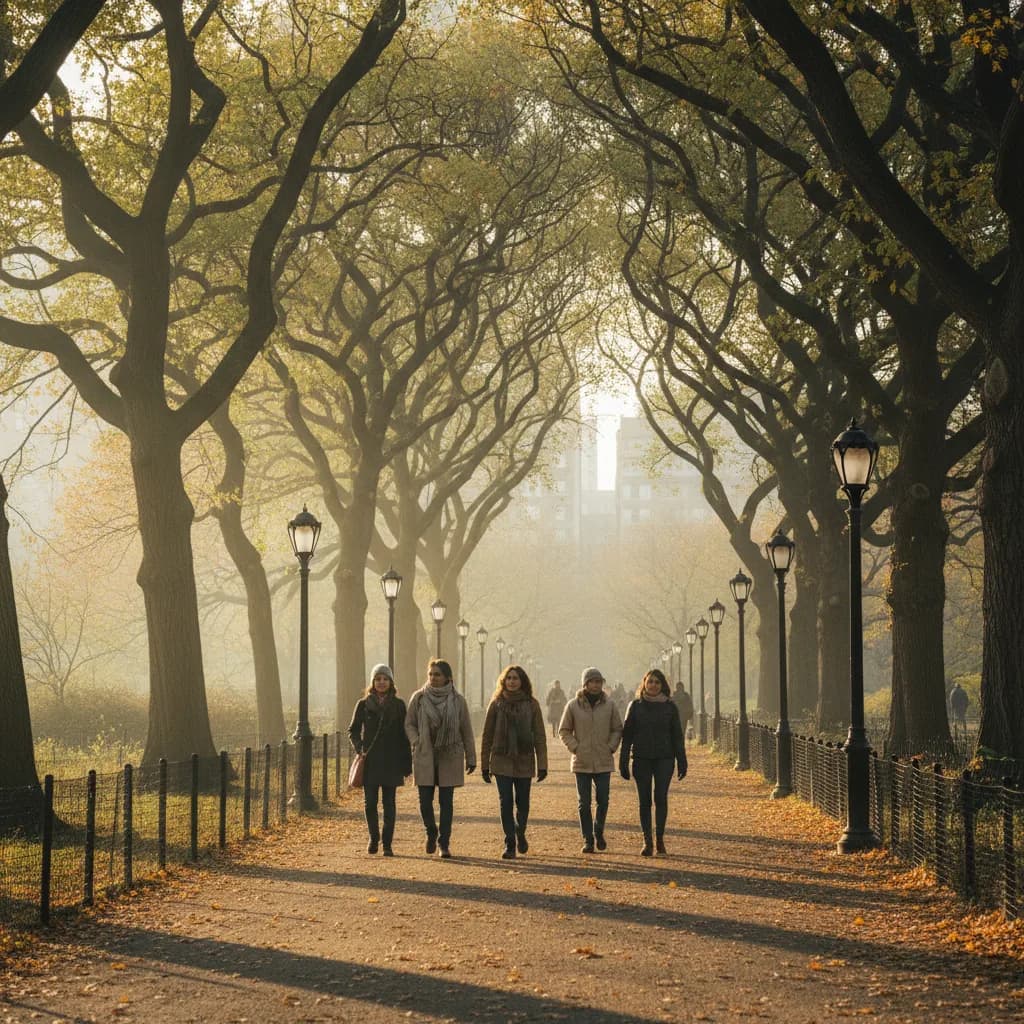
Your morning walk begins at the southwestern entrance of Central Park at Columbus Circle, passing through the historic Merchants' Gate onto the shaded interior pedestrian concourses. Central Park was originally established in 1858 under the Greensward Plan, creating an enduring natural refuge designed to refresh urban workers. Stepping off the bustling roundabout traffic onto the curving asphalt paths of the park produces an immediate drop in decibel levels. Tall oak and maple trees insulate walkers from city noise, creating a peaceful woodland atmosphere just steps from high-density commercial towers. The pedestrian paths are clearly separated from the park drive, ensuring you can walk at a brisk, steady pace without conflicting with road cyclists or park maintenance vehicles. The cool morning air in the park feels noticeably fresher than on the surrounding avenues, offering an invigorating deep breath to start your day. The broad paved pathways guide commuters beneath towering oak canopies that shelter the route from traffic sounds. Taking a deep breath of cool woodland air as you enter the park provides an immediate sensation of mental clarity and calm.
Winding Past the Historic Pond and Gapstow Bridge
Following the southern promenade eastward leads you toward the Pond, a meandering water body created in the 1850s by park designers Frederick Law Olmsted and Calvert Vaux. Following the winding stone paths along the northern edge of the water brings you to the foot of Gapstow Bridge, an iconic schist stone arch built in 1896 to replace an earlier wooden trestle. In the calm morning light, the bridge arch frames a breathtaking postcard view of the Pond, with weeping willows dipping their branches into the water and the historic Plaza Hotel rising proudly behind. Taking this path allows commuters to observe ducks gliding across the water while enjoying the cool, humid microclimate created by the naturalized shoreline. Pausing for a few moments on the stone parapet provides a serene visual pause that eases mental tension. The reflection of early morning clouds across the still surface of the water creates a serene mirror image that changes with every season. Standing briefly on the stone span of Gapstow Bridge to watch ducks paddle through morning mist offers an unforgettable moment of peace.
Passing the Protected Hallett Nature Sanctuary
Directly north of the Pond sits the Hallett Nature Sanctuary, a four-acre woodland promontory dedicated to native plant species, songbird conservation, and wildlife habitat. Closed off for decades before its careful restoration and reopening in 2016, this sanctuary remains a pristine nature preserve. Walking along the rustic split-rail wooden fences enclosing the sanctuary, pedestrians can hear cardinals and warblers calling through dense thickets of serviceberry, elderberry, and wild ferns. The narrow winding path follows the natural topography of massive Manhattan schist outcroppings, exposing billion-year-old bedrock shaped by prehistoric glaciers. This wild woodland contrast sitting directly beneath towering glass skyscrapers provides an inspiring reminder of the balance between natural heritage and modern urban achievement. The rustic split-rail fencing and winding gravel paths follow the contours of ancient glacier-carved bedrock formations. Listening to the cheerful songs of robins and cardinals in the dense understory provides a delightful acoustic contrast to the hum of Midtown avenues.
Exiting Through Grand Army Plaza onto Fifth Avenue
Approaching the southeastern boundary of the park brings you up a gentle incline toward Grand Army Plaza, designed in 1916 and anchored by the gilded bronze General Sherman monument sculpted by Augustus Saint-Gaudens. Stepping out through the park gates places you directly at the intersection of 59th Street and Fifth Avenue, directly opposite the iconic Plaza Hotel, the Paris Theater, and prestigious Midtown office buildings. The transition from peaceful park woodland to polished Manhattan avenue architecture is smooth and energizing. Commuters heading toward Madison Avenue, Park Avenue, or Lexington Avenue can easily continue their journey on foot along wide, well-maintained sidewalks, arriving at their desks without having encountered a single red-light traffic delay. Emerging into the bright sunlight at Fifth Avenue and 59th Street offers an exhilarating transition into the sophisticated architectural core of Manhattan. The broad sidewalks provide ample space to stride purposefully toward your office building while enjoying views of historic hotel facades and boutique storefronts.
Route Logistics, Timing, and Practical Guidance
Planning your Central Park South walking commute requires minimal effort thanks to clear signage and accessible paths. The optimal time for this morning walk is between seven-fifteen and eight-thirty, when morning joggers and dog owners give the park an active, safe, and friendly community vibe. The complete walking distance from Columbus Circle to Grand Army Plaza measures approximately 0.95 miles, taking around fifteen to twenty-two minutes at a brisk commuting pace. Transit connections at Columbus Circle include the A, B, C, D, and 1 trains, while Grand Army Plaza links directly to the N, R, and W lines, and the Lexington Avenue-59th Street hub connects to the 4, 5, and 6 trains. Public restrooms are located inside the park near the Heckscher Playground building and at the Central Park Arsenal. On rainy or slushy mornings, well-paved perimeter sidewalks along Central Park South provide a reliable dry alternative mapped seamlessly on the Karpo APP. Park security personnel and conservancy staff maintain the pathways diligently, ensuring that leaves are cleared and paths remain safe in all seasons. Multiple entrance gates along 59th Street provide flexible exit options depending on whether your final destination is Fifth, Madison, or Park Avenue.
Arriving Clear-Headed at Midtown Corporate Offices
Completing a morning walk through Central Park South delivers an immediate boost in clarity, mental focus, and overall well-being. Grabbing a warm flat white from neighborhood espresso bars near Fifth Avenue or Grand Army Plaza provides a pleasant final touch before entering office elevators. By incorporating this beautiful green corridor into your daily transit routine, you turn an otherwise stressful urban commute into a restorative daily retreat that enriches your connection to New York City. Walking into the office with oxygenated energy and a calm mind sets you up for sustained productivity and creativity throughout the working day. Arriving at your corporate lobby with energized footsteps and a refreshed mind sets a positive, focused tone that lasts throughout the workday. Choosing to walk through Central Park turns daily transit into an inspiring celebration of New York's greatest historic green space.
Ask Karpo for more information.
Keep reading
- SoHo Tailor Alteration Shop Finder for Sample Sale Finds
 Williamsburg Tailor Alteration Shop Finder for Bike Riders
 Upper West Side Tailor Alteration Shop Finder for Kids